



May 25, 2026

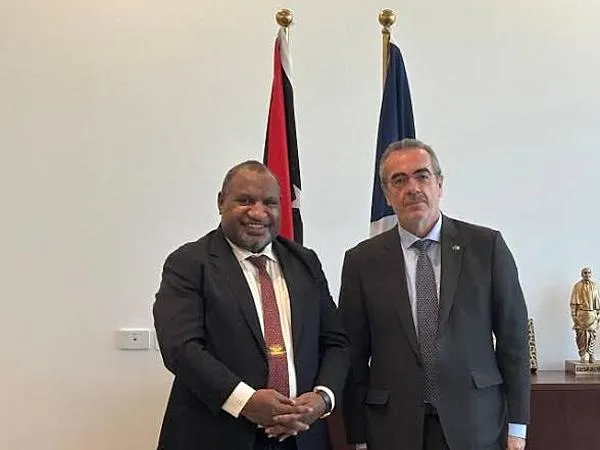
France has reaffirmed its long-term economic, environmental and security commitment to the Pacific, outlining major investments and regional partnerships aimed at strengthening ocean governance, fisheries protection and the blue economy during the opening of the Melanesian Ocean Summit, held from May 11-14 in Port Moresby.

Speaking at APEC Haus on May 12, French Ambassador to Papua New Guinea, His Excellency Pierre Fournier, said France viewed ocean preservation as central to global economic stability, livelihoods and regional prosperity.

Addressing Pacific leaders, diplomats and delegates at the summit, Ambassador Fournier linked France’s Pacific engagement to outcomes from the Third United Nations Ocean Conference (UNOC3), held in Nice in June 2025, which France co-hosted alongside Costa Rica.

He said the conference resulted in the “Nice Ocean Action Plan,” a political declaration backed by voluntary commitments from governments and stakeholders aimed at improving ocean protection and sustainability.

“With the biggest ocean, the Pacific has the biggest impact on the implementation of this outcome,” Ambassador Fournier said.

He also highlighted international efforts to reverse ocean degradation, including commitments to protect at least 30% of the world’s oceans by 2030 and support for the High Seas Treaty, also known as the Biodiversity Beyond National Jurisdiction (BBNJ) Agreement.

According to the ambassador, the treaty would play a major role in supporting regional ocean corridor initiatives currently being promoted across the Pacific.

Blue Economy Financing a Key Focus

Ambassador Fournier said financing remained one of the biggest challenges in ocean protection, noting that Sustainable Development Goal 14 — focused on life below water — remained the least funded of all UN Sustainable Development Goals.

He said the Blue Economy and Finance Forum held in Monaco helped accelerate practical financing solutions for ocean conservation and sustainable marine development.

The ambassador also referenced recommendations from the “One Ocean Science Congress,” which brought together 2,000 international scientists ahead of the UN Ocean Conference. Their recommendations, now incorporated into the Nice Ocean Action Plan, included improving scientific knowledge of the deep sea.

France’s Economic Footprint in the Pacific

France also outlined the scale of its economic presence in the Pacific through its territories of New Caledonia, French Polynesia and Wallis and Futuna, which collectively manage an exclusive economic zone covering 6.5 million square kilometres.

Ambassador Fournier said France spends an average of 5 billion euros annually in the Pacific through these territories, contributing to regional ocean protection and support for Pacific regional organisations.

He said France’s management of its Pacific territories positioned the country as a major contributor to the region’s sustainability, prosperity and security.

The ambassador added that France continued to support conservation, fisheries management and maritime cooperation through active participation in regional organisations.

Fisheries Surveillance and Maritime Security

France also detailed its operational support for Pacific fisheries monitoring and maritime security.

Ambassador Fournier said France supports the Pacific Islands Forum Fisheries Agency (FFA) through the deployment of navy vessels and patrol aircraft in regional operations, representing approximately 130 days at sea and 50 flight hours annually at a cost of 2 million euros per year.

He said French armed forces in the Pacific also organise the large-scale humanitarian assistance and disaster relief exercise “Croix du Sud” every two years.

The most recent exercise involved 2,000 personnel from 19 countries and territories across the Pacific, with operations extending from New Caledonia to Wallis and Futuna.

France also highlighted the role of Maritime Information Fusion Centres in New Caledonia and French Polynesia, which provide maritime monitoring and operational intelligence support throughout the Pacific.

Marine Protection and Resource Policies

Ambassador Fournier described France’s marine conservation initiatives in the Pacific as “exemplary,” highlighting major marine protected areas and resource management policies.

He said French Polynesia declared its entire 5 million square kilometre exclusive economic zone a marine protected area during the UN Ocean Conference in Nice, while Wallis and Futuna is pursuing a similar initiative.

In New Caledonia, the Coral Sea Natural Park — established in 2014 — covers the territory’s entire 1.3 million square kilometre EEZ and includes high-protection nature reserve zones covering 10% of the area.

The ambassador also pointed to New Caledonia’s adoption in April 2025 of a 50-year moratorium on the exploration and exploitation of mineral resources on its continental shelf.

Regional Partnerships and Security Cooperation

France said its regional strategy would continue to focus on strengthening Pacific territories, expanding sovereignty partnerships and supporting regional multilateralism.

Ambassador Fournier said France was also contributing to European Union capacity-building initiatives, including the CRIMARIO III Indo-Pacific maritime security project.

He noted that French maritime and air surveillance assets support broader Pacific efforts against transnational crime, including drug trafficking.

The ambassador cited recent seizures involving New Zealand, Australian and French authorities in New Caledonia, including 2.5 tonnes of drugs and 76 tonnes of cigarettes intercepted during separate operations.

Ambassador Fournier commended Papua New Guinea for convening the Melanesian Ocean Summit, saying the initiative enabled Melanesian countries and regional partners to unite around shared ocean priorities.

He also reaffirmed France’s diplomatic and strategic relationship with Papua New Guinea, referencing PNG’s foreign policy white paper, which described France as both a friend and neighbour.

“We share the same vision; we share the same values. You can count on us,” Ambassador Fournier said.

May 18, 2026

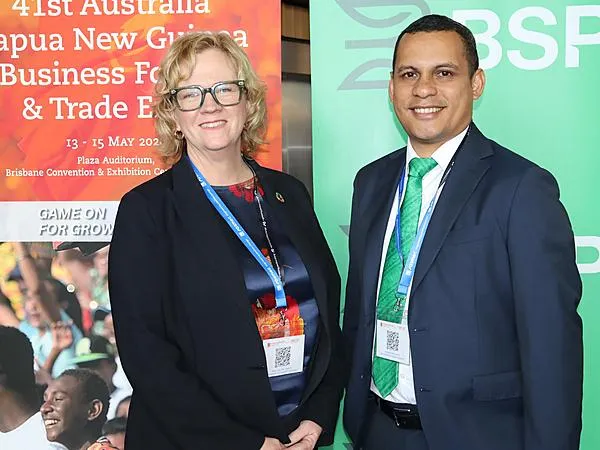
BSP PNG | BSP says small and medium-sized enterprises (SMEs) need to build capability to take full advantage of the opportunities that will be created through the coming super-cycle of PNG resource projects.

Speaking at the 41st Australia Papua New Guinea Business Forum Conference in Brisbane, BSP Head of Business Banking Raymond Logona said building capability was essential for PNG businesses to maximise the benefits arising from the country’s next wave of major resource developments.

“We know that in the next decade there will be major opportunities for PNG businesses as major projects are developed, such as the Papua LNG Project, the Wafi-Golpu Project, the Frieda River Copper-Gold Project, and energy projects in Bougainville and Port Moresby.

“Together, these projects present a super-cycle of opportunity for small and medium-sized enterprises in PNG. However, to take full advantage, businesses need to start working now on their business strategies and the capabilities required to support these major investments.

“BSP has recognised the opportunity to support our business customers. We launched our dedicated Business Bank last year and are investing K1.2 billion in a multi-year programme to modernise the BSP Group for growth.

“This includes upgrading our technology and digital channels and creating world-class products and services to support the growth of small and medium-sized enterprises.

“We are also investing through our partnership with Australian Business Volunteers (ABV) to deliver the YES GROW programme, which is designed to build capability among our SME customers so they can use new digital tools, manage cash flow, and make better use of finance to prepare for growth opportunities.

“For example, through our partnership with ABV, we currently have a YES GROW Business Development Programme workshop underway in Lae, with 18 local PNG SMEs from the agriculture, construction, electrical, transport, and retail sectors attending.

“This group joins more than 600 small businesses across PNG and the South Pacific that have strengthened their capability through the programme’s intensive training and personalised coaching.

“These skills are vital for businesses seeking to take advantage of the opportunities being created by PNG’s continued economic growth and the coming super-cycle of resource and infrastructure projects,” Logona added.

Logona was joined by ABV Chief Executive Officer Liz Mackinlay, who highlighted the achievements of the partnership.

“ABV is proud to be partnering with BSP to help SMEs transform their enterprises for sustainable growth, positively impacting the wider economy and supporting their families and communities into the future. We look forward to bringing the YES GROW Programme to Bougainville later this year,” Mackinlay said.

Since its inception in 2018, BSP’s partnership with Australian Business Volunteers has provided intensive, practical training and personalised mentoring to more than 600 small businesses in the South Pacific, including 400 in Papua New Guinea across 19 sectors.

According to BSP, investing in the YES GROW initiative is a strategic response to the operational challenges facing small business owners and the local economy.

The YES GROW model, co-designed by ABV and BSP, is specifically tailored to address the realities of the PNG market, including foreign exchange (FX) pressures, rising costs, and infrastructure constraints.

Participants emerge from the programme with an advanced understanding of commercial requirements, improving their ability to navigate economic challenges, manage operations successfully, and achieve long-term business goals.

BSP is the Magic Diamond sponsor of the Forum Registration Desk at the 41st Australia Papua New Guinea Business Forum, which was held in Brisbane from Wednesday, 13 May, to Friday, 15 May 2026.

May 18, 2026

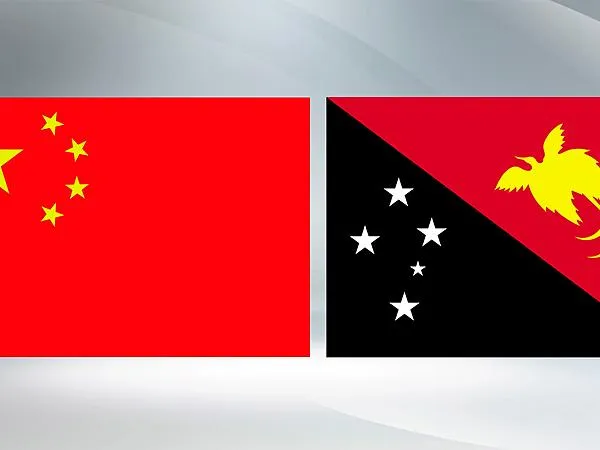
China has reaffirmed its commitment to supporting Papua New Guinea’s disaster response and recovery efforts, highlighting years of humanitarian assistance and future cooperation opportunities in disaster management, energy transformation, and emergency response technologies.

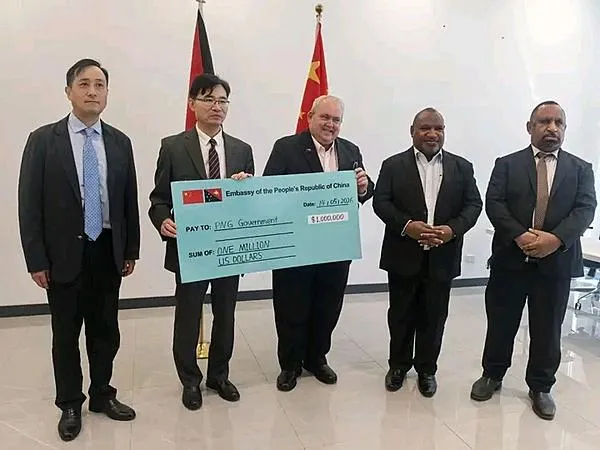
The commitment was reiterated during a handover ceremony for humanitarian cash assistance from the Chinese Government to the PNG Government held on Thursday, May 14, where Minister-Counsellor Pang Hanzhao, Chargé d'affaires a.i. of the Chinese Embassy in PNG, officially handed over US$1 million (approximately K3.9 million) in humanitarian assistance to Foreign Affairs Minister Justin Tkatchenko.

Prime Minister James Marape, Foreign Affairs Secretary Elias Wohengu, Defence Secretary John Akipe, and PNG National Disaster Centre Director Lusete Mana attended the ceremony.

Speaking during the event, Minister Pang reviewed the history of disaster response cooperation between China and PNG and said China has consistently provided assistance following major natural disasters in the country in recent years.

He said that in 2018, China donated US$800,000 (approximately K3.1 million) to PNG following the 7.5-magnitude earthquake.

In 2022, China donated US$100,000 (approximately K390,000) in cash assistance and also provided millions of US dollars to help PNG repair the Kumul Submarine Cable Network after the 7.6-magnitude earthquake.

Following the devastating Enga landslide in 2024, Pang said China provided the PNG Government with US$1.2 million (approximately K4.7 million) in cash assistance, as well as disaster relief supplies including thousands of solar lights, blankets, and sleeping bags.

He also noted that after last year’s landslide in Wapenamanda, the Chinese Embassy provided support within its capacity, while Guangdong Province donated disaster relief equipment worth half a million RMB to PNG’s National Disaster Centre.

Minister Pang expressed condolences and sympathy to communities affected by disasters across PNG.

“A friend in need is a friend indeed,” he said.

“Disasters are ruthless, but people have love. China, as PNG’s reliable partner for 50 years, is always ready to give a hand when PNG needs help.”

Minister Pang said the past 50 years of relations between the two countries had demonstrated China’s reliability as a development partner for PNG.

“The past 50 years of history have proved that China is one of the most reliable development partners of PNG,” he said.

Minister Pang also highlighted broader cooperation between the two countries, including the contribution made by the Chinese Navy hospital ship Silk Road Ark during its visit to PNG and Prime Minister Marape’s successful visit to Guangdong Province in China.

He said China was prepared to deepen cooperation with PNG under the framework of the China-PNG Comprehensive Strategic Partnership over the next 50 years.

Minister Pang emphasized that growing global challenges require stronger international cooperation.

“He emphasized that the pressing new challenges the world faces go far beyond any fences or the capability of any country or group of countries to deal with. The only reasonable choice for countries is to join hand in hand,” the media release stated.

He also highlighted opportunities for cooperation in renewable energy and disaster prevention technologies.

Minister Pang said China, as the world’s largest renewable power producer, could play a unique role in supporting PNG’s energy transformation ambitions.

He added that China’s satellite technology capabilities could assist PNG in disaster prevention and mitigation through the provision of real-time satellite imagery.

Minister Pang further stated that the early signing of the Memorandum of Understanding on disaster risk reduction and emergency response — the text of which had already been agreed upon by both sides in 2024 — would further strengthen bilateral cooperation in the sector.

The PNG Government welcomed the assistance and acknowledged China’s continued support for PNG across various sectors over the years.

The PNG Government greatly appreciated China’s timely and valuable support and reaffirmed its commitment to continue working together with China as partners for the betterment of both countries.

May 08, 2026

TISA Bank’s launch of direct Chinese yuan (CNY) settlement in early 2026 marks a significant milestone for Papua New Guinea’s financial landscape.

The introduction of direct CNY settlement strengthens bilateral economic relations and supports Papua New Guinea’s fiscal stability. The move also aligns with broader diplomatic efforts to deepen ties with China, PNG’s largest trading partner.

TISA Group Chief Executive Officer Michael Koisen said direct access to the yuan creates a more efficient “financial bridge” between the two countries, delivering benefits across both the public and private sectors.

According to Mr Koisen, the initiative will help reduce domestic demand for the US dollar, easing pressure on the Bank of Papua New Guinea’s foreign reserves. More efficient currency settlement could also lower the cost of government-backed infrastructure projects financed by Chinese entities by reducing exchange-rate volatility and intermediary fees.

For major players in the mining, construction and retail sectors, direct access to the yuan is expected to improve operational efficiency and stability.

“Direct settlement speeds up the procurement process, and companies can pay Chinese suppliers directly in kina, with TISA Bank debiting their PGK accounts locally and settling the payment in Chinese yuan directly to suppliers in China, bypassing the multi-day delays often associated with converting kina to USD and then to CNY,” Mr Koisen said.

Large PNG importers may also be able to negotiate better pricing with Chinese suppliers by paying directly in yuan, removing exchange-rate risks and conversion costs for Chinese exporters.

Through TISA Bank, businesses can now execute trade payments directly in Chinese yuan using competitive exchange rates.

The SME sector, which is often disproportionately affected by foreign exchange shortages, is also expected to benefit from the initiative. Small businesses will no longer need to absorb double conversion costs from PGK to USD and then to CNY, making the procurement of inventory, tools and machinery more affordable.

In addition, SMEs that previously struggled to secure US dollar allocations from larger commercial banks can now use yuan for trade transactions, helping to keep supply chains uninterrupted.

Mr Koisen added that many PNG SMEs source goods from Chinese platforms and wholesalers, and direct CNY settlement would make these smaller transactions simpler and more predictable in terms of final cost.

All transactions are processed through established SWIFT messaging channels, providing assurance around anti-money laundering and counter-terrorism financing controls, as well as regulatory oversight.

By facilitating this direct settlement link, TISA Bank is not simply introducing a new payment capability; it is also helping to build a more resilient trade ecosystem that supports broader goals of financial inclusion and national economic growth.

May 04, 2026

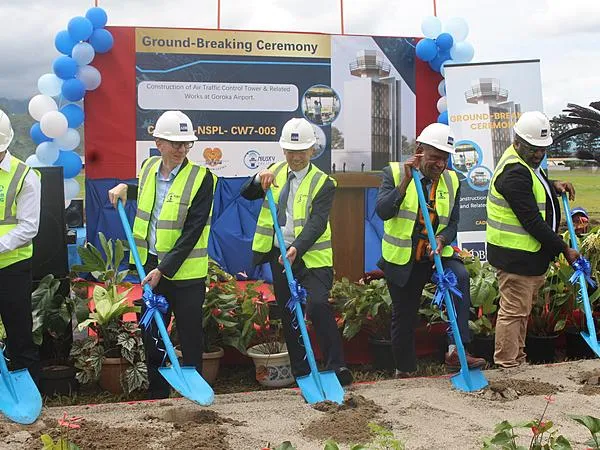
Papua New Guinea’s aviation sector is entering a new phase of modernization with the groundbreaking of a six-storey, state-of-the-art air traffic control (ATC) tower at Goroka Airport in Eastern Highlands Province on April 30.

The K15.7 million project, funded through the Asian Development Bank’s Civil Aviation Development Investment Programme Phase II (CADIP II), is being positioned as a critical step toward strengthening national air safety, regional connectivity, and economic growth.

Government officials, aviation stakeholders, and provincial leaders attended the ceremony, marking what was described as a “new chapter” for aviation infrastructure in the Highlands region.

The new ATC tower will replace the aging facility currently in use at Goroka Airport, which authorities say no longer meets modern operational and safety standards. Designed to align with international aviation requirements, the facility is expected to significantly enhance air traffic management in one of the country’s most geographically complex regions.

National reform agenda takes shape

Civil Aviation Minister Wake Goi said the project reflects a shift toward delivery-focused governance and long-term infrastructure planning.

“We want to see things moving; we don’t want to stay and have nothing happen,” Goi said during his keynote address. “As a minister, I must do my best to make a difference so that when I leave, people will say Minister Wake Goi did this.”

He added that the Goroka development forms part of a broader national aviation reform agenda under the Medium-Term Development Plan, with CADIP II, III, IV and V expected to progressively strengthen aviation infrastructure across the country.

Goi also outlined plans for future investments at Jacksons International Airport and signaled a policy direction to establish civil aviation as a standalone department, separate from the broader transport portfolio, to improve technical focus and institutional efficiency.

Engineering and operational gains

New Sky Pacific Limited Managing Director Graham Blythe outlined the technical and operational significance of the project, noting that the tower is designed to support continuous 24-hour operations in a high-performance aviation environment.

He said the development goes beyond physical infrastructure, focusing on safety, efficiency, and regional service delivery.

Key benefits of the new facility include:

  • modern working conditions for air traffic controllers, supporting 24/7 operations
  • strengthening Goroka Airport’s role as a Highlands aviation hub
  • improved efficiency in transporting key economic goods such as coffee, fresh produce, and medical supplies

“For airlines and operators, it means improved reliability and enhanced safety, particularly in a region where terrain and weather present unique challenges,” Blythe said.

Provincial perspective and forward planning

Eastern Highlands Governor Simon Sia, who has lived in Goroka for more than 40 years, described the project as a long-overdue but essential upgrade for the region’s aviation system.

He recalled the limitations of the existing tower, which he said could accommodate only a small number of personnel.

“Now you look at this new building — a six-storey tower for this region,” Sia said. “It provides safety for property from Morobe all the way to Hela Province.”

While welcoming the investment, Sia also raised forward-looking development considerations, suggesting that feasibility studies be undertaken to assess the long-term relocation of Goroka Airport to support urban expansion.

He also called for immediate attention to operational challenges at the existing terminal, including the repair of passenger screening equipment to maintain security standards.

Economic and sectoral impact

The Goroka ATC tower project is expected to play a key role in strengthening regional aviation reliability, directly supporting commerce and service delivery in the Highlands.

Improved air navigation systems are particularly critical for Papua New Guinea’s export-driven agricultural sectors, including coffee, as well as for essential health logistics and interprovincial connectivity.

As construction begins, the project forms part of a broader push to modernize PNG’s aviation infrastructure, with stakeholders viewing it as both an economic enabler and a safety-critical investment for the country’s future.

April 27, 2026

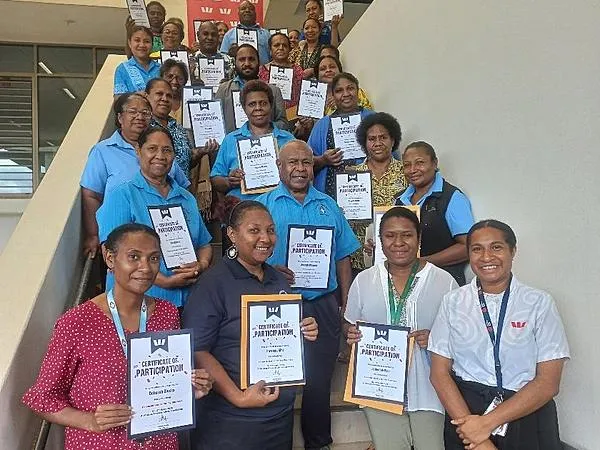
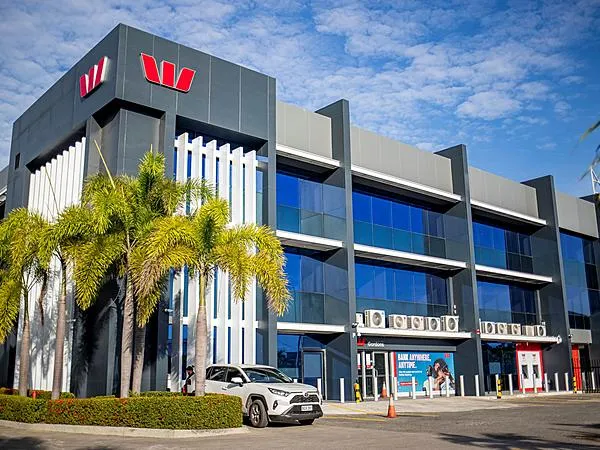
More than 70 employees at the University of Papua New Guinea (UPNG) formed the first cohort to complete a series of Financial Basics for My Business sessions delivered by Westpac PNG in March, as part of the bank’s ongoing commitment to building financial capability across Papua New Guinea’s workforce and communities.

Delivered over three days during the month and coordinated through UPNG’s Student Services division, the sessions introduced participants to foundational business finance concepts, including cash flow management, separating personal and business finances, record-keeping, saving for business growth, and accessing formal financial services. The sessions were tailored to meet the real-world needs of staff who may operate small to medium-sized businesses or income-generating activities alongside their university roles — a common reality for working Papua New Guineans.

The Westpac PNG Community Engagement team facilitated the sessions in an interactive, practical format designed to make financial concepts accessible and immediately applicable. The programme reflects Westpac PNG’s broader vision of financial inclusion, ensuring that every Papua New Guinean, regardless of background, has the knowledge and tools to participate confidently in the formal economy. Participants were awarded certificates upon completion of the workshop.

Westpac PNG Chief Executive Andrew Cairns, commenting on the initiative, said: “At Westpac PNG, we believe financial literacy is the foundation of economic empowerment. These sessions for UPNG employees are about more than banking. They are about giving people the skills and confidence to grow their livelihoods, protect their families, and build stronger businesses. We are proud to bring this programme to one of Papua New Guinea’s most respected institutions.”

UPNG Vice-Chancellor Professor Ian Findlay also commended the partnership, highlighting the long-term impact of financial education: “The University of Papua New Guinea recognises the importance of financial literacy. It empowers people to take control of their finances and make informed decisions, creating a more secure future. It enables staff and students to budget effectively, plan ahead, build financial security, and avoid scams. Such knowledge can be life-changing, supporting a comfortable retirement rather than one burdened by debt and worry.”

Westpac PNG said it looks forward to continuing its partnership with UPNG and expanding similar programmes to support stronger households, resilient small businesses, and a more financially confident Papua New Guinea, now and into the future.

Westpac PNG’s Financial Literacy Program is delivered in partnership with communities, schools, universities, churches and workplaces across Papua New Guinea. Sessions cover personal finance, savings, business basics and digital financial skills. The programme is part of Westpac PNG’s commitment to financial inclusion and community development, ensuring all Papua New Guineans have access to the financial knowledge they need to thrive.

April 16, 2026

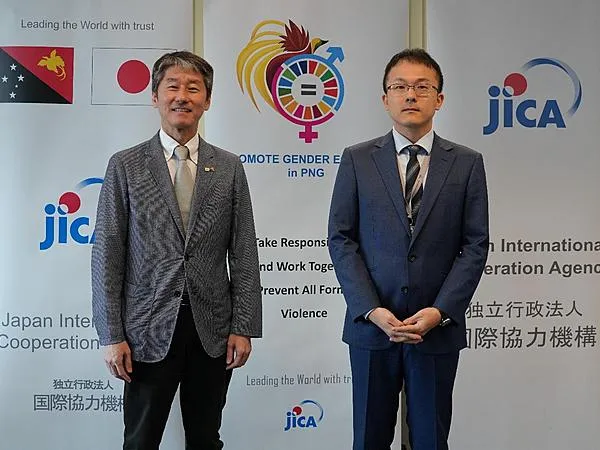
The Japan International Cooperation Agency (JICA) has appointed Shirouzu Kenichi as chief representative of its Papua New Guinea office, effective 15 April, replacing Matsuoka Hideaki, who will depart the country on 19 April to return to the agency’s headquarters in Tokyo.

Shirouzu has served as senior representative (deputy chief) since April 2025 and assumes leadership as JICA continues to expand its development programmes in the country.

In a farewell message, Matsuoka said his tenure since September 2023 had been marked by close cooperation with the government and communities across Papua New Guinea, underscoring the long-standing partnership between the two countries. “I have had a wonderful time working with the government and people of Papua New Guinea over the past two years and seven months,” he said.

JICA has operated in Papua New Guinea since 1974, a year before independence, delivering Japan’s official development assistance through loans, grants and technical cooperation. The agency’s cumulative support has reached about 6.8 billion kina, alongside the deployment of more than 3,000 experts and missions, over 800 volunteers, and training for nearly 5,000 Papua New Guinean officials in Japan.

Matsuoka highlighted several milestones during his tenure, including the opening of Nadzab Tomodachi International Airport in October 2023, attended by Prime Minister James Marape. “There’s no reason PNG businesses and communities should be left behind as infrastructure improves,” he said, noting the airport’s name, derived from the Japanese word for “friendship”, reflected bilateral ties.

He also cited the 50th anniversary of Japan’s ODA in Papua New Guinea, marked in October 2024, and continued cooperation with the National Fisheries Authority, including efforts to expand the National Fisheries College in Kavieng. “I sincerely appreciate the strong support of the Papua New Guinea government and our partners in making these initiatives possible,” he said.

JICA’s volunteer programme, which resumed in August 2023 after a pandemic-related pause, has since deployed personnel to multiple provinces, supporting sectors such as education, agriculture, health and community development. “Our volunteers play an important role in sustaining the friendship between our two nations,” Matsuoka said.

In education, JICA partnered with the National Department of Education to develop and distribute mathematics and science textbooks for Grades 3 to 6 nationwide — the first locally produced materials of their kind. The initiative has since been extended to lower grade levels with support from development partners.

Matsuoka said gender equality and community engagement remained central to JICA’s work, including participation in International Women’s Day activities in Port Moresby. “We should always remind ourselves of the importance of gender equality and take action to protect women and girls,” he said.

Despite ongoing development challenges, he expressed confidence in Papua New Guinea’s long-term prospects. “This country has great potential to develop further with its rich natural and human resources,” he said. “With the right will and integrity, Papua New Guinea has a bright future.”

Shirouzu, who has worked on JICA projects across Southeast Asia, including the Philippines, Thailand and Myanmar, said he intends to build on existing programmes and deepen bilateral cooperation. “While Papua New Guinea faces development challenges in infrastructure, education and health, I also see significant potential,” he said.

“I would like to continue contributing to the development of this beautiful country and to strengthening the relationship between Papua New Guinea and Japan,” Shirouzu added.

JICA said it would continue working with the government and stakeholders to support economic and social development while strengthening ties between Papua New Guinea and Japan.

March 02, 2026

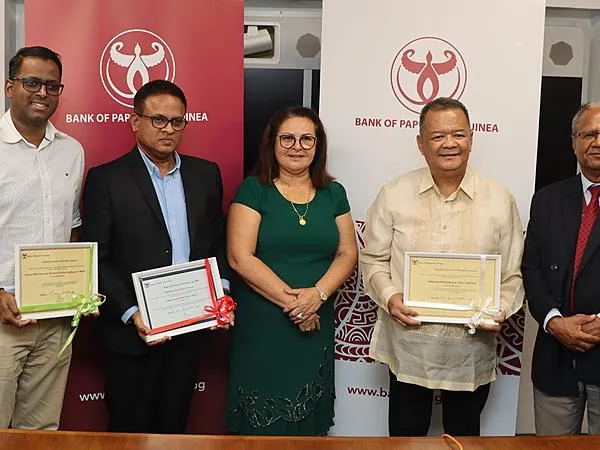
Digitec PNG Financial Services Limited, trading as V-MONI; Omega Paymybills PNG Limited; and Lower OK Tedi Micro Bank Limited have officially received licence certificates from the Bank of Papua New Guinea (BPNG) on 27 February at Robert Haus in Port Moresby.

Speaking at the licence presentation ceremony, BPNG Governor Elizabeth Genia described the development as positive news for Papua New Guineans.

“The expansion of licensed payment services means greater convenience, faster transactions and improved access to digital financial services for our people, including those in rural and remote areas,” Governor Genia said.

She added that microfinance institutions are equally vital in extending financial services to underserved communities, supporting small enterprises and promoting inclusive economic growth.

Digitec PNG Financial Services Limited, trading as V-MONI, and Omega Paymybills PNG Limited have been licensed as Payment Service Providers (PSPs) under the National Payments Act 2023. The PSP licence enables institutions to allow customers to securely store money, make payments and transfer funds directly from their mobile phones without the need for a traditional bank account. This regulatory approval paves the way for greater participation in the digital economy, particularly for individuals with limited access to conventional banking services.

Lower OK Tedi Micro Bank Limited has been licensed as a licensed financial institution under the Banks and Financial Institutions Act 2000 to operate as a micro bank. As a microfinance institution, it is authorised to take deposits and provide lending services, particularly to small businesses and individuals who lack access to traditional credit opportunities. The move is expected to support entrepreneurship and stimulate economic activity in underserved areas.

Governor Genia reminded the newly licensed institutions that receiving a licence carries significant responsibility. She emphasised that a licence is not merely a certificate but an obligation to uphold strong oversight, effective governance and strict compliance with all regulatory requirements, including anti-money laundering and counter-terrorism financing (AML/CTF) obligations.

“As licensed financial institutions, you form part of the first line of defence in protecting our financial system. Effective customer due diligence and a strong compliance culture must be embedded in your operations from day one. Weaknesses in this area expose your institution and the entire financial system to significant risks,” she said.

The governor also assured the institutions of the central bank’s continued support.

“Of course, this is only the start of a long collaboration. You have our full support in meeting these expectations,” she added.

BPNG reaffirmed its commitment to maintaining close engagement with financial institutions to ensure that PNG’s payment and financial system remains safe, sound and trusted. The issuance of the licences reflects the central bank’s ongoing efforts to promote innovation while safeguarding financial stability and advancing financial inclusion across the country.

February 25, 2026

The Asian Development Bank (ADB) has approved a $60.9 million loan to improve water supply and sanitation in urban communities in Port Moresby and Vanimo, Papua New Guinea (PNG).

ADB’s financing includes a $30 million regular ordinary capital resources loan and a $30.9 million concessional ordinary capital resources loan. The Government of PNG will provide $3 million in counterpart financing. An additional $1.5 million technical assistance grant from ADB will support digital systems integration, institutional strengthening and the exploration of public–private partnership opportunities.

“The project signals ADB’s renewed focus on strengthening urban services,” said ADB Country Director for PNG Takafumi Kadono. “This is an important milestone in our partnership with PNG — our first loan investing in the country’s water sector in more than 25 years. It will expand access to safe water, improve public health and build more resilient and sustainable water and sanitation systems for urban communities in both Port Moresby and Vanimo.”

The Urban Water Supply and Sanitation Security and Resilience Improvement Project will enhance the reliability of piped water systems, rehabilitate wastewater infrastructure and strengthen the operational and financial capacity of state-owned utility Water PNG Limited.

More than 160,000 people — including those living in settlements — in Port Moresby and Vanimo will directly benefit from expanded access to a safe and reliable water supply. The project will also upgrade sanitation facilities to ensure treated wastewater is safely discharged and poses no risk to public health or the environment.

PNG has some of the lowest levels of access to water supply and sanitation services in the Pacific region. Rapid urban growth is placing increasing pressure on ageing infrastructure, while climate change — through prolonged dry periods, rising temperatures and exacerbated flooding — further threatens water security. The project incorporates adaptation measures to strengthen resilience and safeguard essential services.

In Port Moresby, the project will rehabilitate the Mount Eriama Water Treatment Plant, expand storage capacity and distribution networks, and reduce non-revenue water. It will also refurbish the Waigani sewage treatment ponds to improve effluent quality and environmental protection.

In Vanimo, where there is currently no reticulated water supply system, a new resilient system will be developed, including groundwater and spring sources, treatment facilities and metered household connections.

The project supports PNG’s National Water, Sanitation, and Hygiene Policy 2015–2030 and aligns with ADB’s Strategy 2030 Midterm Review, particularly its focus on climate action, digital transformation and private sector development.

ADB is a leading multilateral development bank supporting inclusive, resilient and sustainable growth across Asia and the Pacific. Working with its members and partners to solve complex challenges, ADB harnesses innovative financial tools and strategic partnerships to transform lives, build quality infrastructure and safeguard the planet. Founded in 1966, ADB is owned by 69 members, 50 of which are from the region.

January 13, 2026

The Asian Development Bank (ADB) has appointed Takafumi Kadono as its new country director for Papua New Guinea, with responsibility for leading the bank’s resident mission in Port Moresby and overseeing its development engagement in the country.

Kadono assumed office on January 13 and will lead the formulation and implementation of ADB’s next country partnership strategy for Papua New Guinea, guiding support across infrastructure, social services and private sector development.

In a statement, Kadono said ADB would continue to work with the Papua New Guinea government to strengthen economic growth and social development through investments in transport and energy, expanded access to health and education services, and measures to improve private sector competitiveness. He also said the bank would work closely with development partners to enhance the inclusivity and resilience of the country’s financial and health systems.

ADB is one of Papua New Guinea’s largest financing partners for infrastructure, particularly in the transport and energy sectors.

The bank also supports technical and vocational education and training programmes, co-financed by the Australian government, aimed at improving workforce skills and alignment with industry needs. In the health sector, ADB assistance includes policy reforms, investments in health systems and measures to strengthen public financial management.

A Japanese national, Kadono brings more than 26 years of international development experience with ADB and the World Bank Group. Prior to his appointment in Papua New Guinea, he served as ADB’s country director for Sri Lanka.

Founded in 1966, ADB is a multilateral development bank owned by 69 members, including 50 from Asia and the Pacific. It focuses on promoting inclusive, resilient and sustainable growth through financing, technical assistance and partnerships across the region.

December 19, 2025

The Asian Development Bank has approved three projects worth a combined $275 million to expand access to finance, improve rural connectivity and boost low-carbon electricity supply in Papua New Guinea.

The financing package includes support for financial sector reforms, clean energy development and road infrastructure aimed at strengthening economic activity and access to essential services across the country.

“ADB is committed to investing in essential infrastructure, creating a more enabling environment for private sector development, and assisting the Government of PNG to implement transformative power sector reforms that improve lives and livelihoods,” said ADB Officer-in-Charge for Papua New Guinea Soon Chan Hong.

A $100 million policy-based loan will fund the first subprogramme of the Improving Financial Access Programme, which seeks to strengthen the regulatory and institutional framework for domestic and international financial services. These include payments, remittances, credit and capital markets. The programme is also intended to support households and businesses in generating employment and trade opportunities. A second subprogramme will continue the reform process and help sustain improved access to finance nationwide.

Another $100 million loan, alongside a $10 million grant from the Japan Fund for the Joint Crediting Mechanism, will finance the Sustainable Energy Sector Development Programme. Implemented through two subprogrammes, the initiative will support the government in improving the adequacy of PNG’s low-carbon electricity supply.

The programme will also assist in establishing an enabling policy framework to restore the sustainability of the power sector, revitalise PNG Power Limited’s operational performance, and increase private sector participation in delivering clean, affordable and reliable electricity.

In addition, a $65 million loan will support the Transport Project Readiness Facility, which will focus on upgrading and rehabilitating subnational roads across the Southern, Highlands, Momase and New Guinea Islands regions. The roads form part of key economic corridors and align with government priorities under the Medium Term Development Plan IV (2023–2027) and the National Road Network Strategy (2018–2037).

The transport project aims to improve connectivity for rural communities, particularly those producing coffee, copra, cocoa, tea, vanilla and other agricultural commodities, linking them more effectively to markets and essential services such as health and education.

ADB is a multilateral development bank supporting inclusive, resilient and sustainable growth across Asia and the Pacific. Founded in 1966, it is owned by 69 members, including 50 from the region, and works with governments and partners to deliver quality infrastructure and development solutions.

December 19, 2025

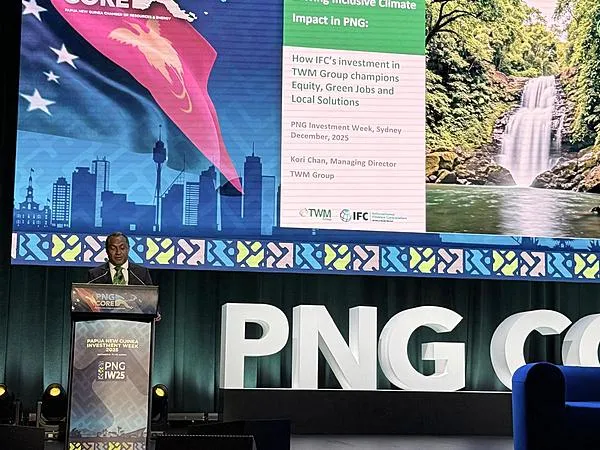
The private sector is showing how climate responsibility, inclusive growth, and commercial success can align, with TWM Group positioning itself as a national leader in environmental services following a major investment partnership with the International Finance Corporation (IFC).

Speaking at a high-level climate impact session during PNG Investment Week in Sydney, Australia (8–11 December 2025), TWM Group Managing Director Kori Chan told global investors, government leaders, and industry stakeholders that PNG’s environmental challenges also present its greatest opportunity.

“Papua New Guinea is a nation defined by its breathtaking natural environment. It is a vast biodiversity hotspot, rich in ancient rainforests and vibrant coral reefs, and home to one of the most diverse cultural and linguistic landscapes in the world,” Chan said.

“Yet, as our country experiences rapid economic growth, we face a defining challenge: how to reconcile progress with our responsibility to safeguard our natural heritage. This challenge is also our greatest opportunity.”

Waste Management Gap Presents Urgent National Challenge

Chan highlighted that industrial, municipal, and hazardous waste management has long been a critical blind spot in PNG’s governance framework, despite rapid population growth and industrial expansion.

“For decades, waste issues in PNG have been largely overlooked. It is a blind spot in national governance,” he said, warning that growing volumes of industrial and urban waste increasingly threaten land, waterways, public health, and environmental sustainability.

He called on the government to fast-track a comprehensive national waste management policy. “Today, I call on the national government and relevant agencies to expedite the endorsement and implementation of the National Waste Management Policy.”

Private Sector Leadership

While policy reform is still pending, TWM Group has invested heavily in infrastructure, systems, and compliance to raise waste management standards in PNG.

“Our vision has been and continues to be to showcase PNG as a leader in developing world-class essential services that create a positive impact on the environment and society,” Chan said.

Since 2012, TWM has safely managed transboundary export of hazardous waste under the Basel and Waigani Conventions, handling waste oil and hazardous substances across PNG, Australia, and the Solomon Islands. The company has also supported major resource projects, including the first-ever catalyst change-out on the PNG LNG project in 2015–16, with a fourth campaign scheduled to commence shortly.

TWM’s Integrated Waste Management Facility (IWMF) at Roku in Central Province has become a regional hub for in-country waste treatment and disposal. It received its Level 3 permit from CEPA in 2022 following a rigorous assessment process. A high-temperature incinerator commissioned in 2018 supports medical waste treatment and landfill diversion, and the company played a key role in PNG’s COVID-19 response.

“TWM supported the National Government and Department of Health during the COVID-19 response by developing and implementing SOPs to manage COVID-19 waste under WHO guidelines,” Chan said.

In 2024, TWM launched PNG’s first hazardous waste landfill, designed to US, UK, EU, and Victorian EPA standards, and secured the country’s first private-sector grant under the PNG–Australia Incentive Fund to establish a Resource Recovery Centre.

Partnerships Drive Impact

Chan acknowledged the partnerships that have enabled TWM’s growth, including customary landowners, government agencies, international development partners, and financiers.

He specifically recognized the Kuriu Clan of Roku Village, CEPA, National Planning and Monitoring, the Bank of Papua New Guinea, DFAT, USAID, JICA, and IFC. Major oil and gas developers including Santos, Kumul Petroleum, Total Energies, and especially ExxonMobil PNG provided early support, helping demonstrate that PNG capability can meet global standards.

“Our financiers, including ANZ Bank, have supported us since our 2011 start-up, and now IFC/WBG is helping accelerate TWM’s next phase of development,” Chan said.

Equity and Sustainability at the Core

Championing equity is embedded in TWM’s six core values and aligned with the United Nations Sustainable Development Goals (SDGs).

“Aligned with the principles enshrined in the UN SDGs, we aim to meet the needs of the present without compromising the ability of future generations to meet theirs,” Chan said.

Two key initiatives include a board-approved target to achieve 50/50 gender equity by 2028 and participation in the IFC-led Meri Save Trades Program.

“We are actively recruiting, promoting, and retaining women in technical, trades, and leadership positions,” Chan said. TWM’s Graduate Development Program, launched in 2016, has supported 20 graduates to date, 12 of them women, creating pathways for the next generation of environmental and technical professionals.

“An inclusive workplace is not just a moral obligation—it is a competitive advantage,” Chan said.

IFC Partnership Validates PNG Capability

Today, TWM employs more than 250 staff, with 95% national content. The IFC’s multi-million-dollar debt facility represents both capital and global validation. The partnership aligns with the Inclusive Green Finance Centre and Green Taxonomy, with leadership from the Bank of PNG in driving sustainability-focused finance.

“The IFC partnership is a timely validation of our perseverance. It is a model for high-impact investment that delivers commercial returns alongside measurable outcomes in climate resilience, social equity, and economic development,” Chan said.

Local Leadership, Global Standards

Chan described TWM’s journey as proof that local leadership aligned with global standards can deliver measurable climate, social, and economic outcomes.

“It demonstrates that companies like TWM are committed to raising the bar, setting new benchmarks for environmental stewardship, and proving that responsible business can thrive in emerging economies,” he said.

“What we’re doing at TWM is providing a way to protect our people and environment for future generations, ensuring our children inherit a cleaner, greener, and more sustainable country.”

He urged collective responsibility and decisive action.

“We are at a turning point. The decisions we make today will strengthen our socio-economic development or lead to profound challenges for future generations. With the lessons we have learned, there is no need to ask for directions. We must simply lengthen the stride and quicken the pace.”

December 16, 2025

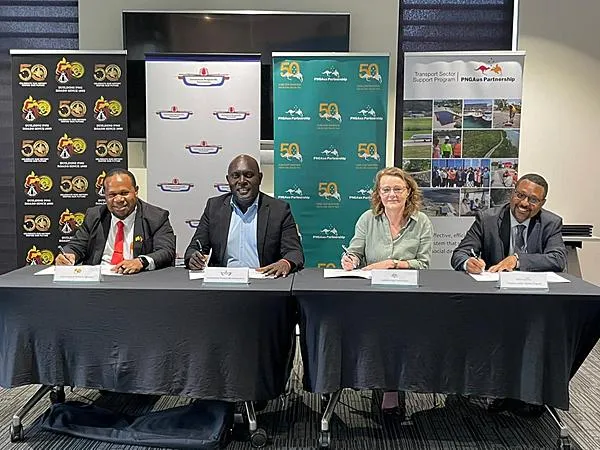
The Autonomous Bougainville Government (ABG) has formally signed a project charter with the Government of Australia, through its Transport Sector Support Program (TSSP3), and the National Department of Works and Highways (DOWH) to commence major upgrades on the Bougainville Trunk Road.

The project covers the upgrade and sealing of the trunk road from Irung Bridge to Ramazon Bridge, including drainage, pavement, surfacing, safety, and ancillary works. The signing was witnessed by representatives from the TSSP3 program, the Australian High Commission, the ABG Chief Secretary, and the Secretary for DOWH.

Dr. Cate Rogers, Minister Counsellor for Economics and Infrastructure at the Australian High Commission in PNG, reaffirmed Australia’s ongoing support for Bougainville’s infrastructure priorities. She said the initiative is a practical step following a commitment by the Australian Minister for Pacific Island Affairs, Hon. Pat Conray, to upgrade and seal an 8.4-kilometre section of the trunk road.

“This investment moves beyond routine maintenance to upgrading the trunk road in line with national standards, improving durability, safety, and long-term serviceability,” Dr. Rogers said. “It also aligns with broader efforts by Australia, DOWH and the ABG to progressively improve remaining unsealed sections of the corridor over time.”

ABG Chief Secretary Kearnneth Nanei welcomed the strengthened cooperation and highlighted the importance of quality infrastructure in improving connectivity across the region. He thanked Australia for its longstanding partnership in Bougainville’s peace and development process, and said the upgraded road would have a “transformational impact” for people, farmers, and the business community.

Secretary for DOWH, Gibson Holemba, described the charter as a critical framework guiding infrastructure delivery in Bougainville and acknowledged the ongoing challenges of road maintenance. “The project charter is key in how we want to administer projects in Bougainville within the existing governance structure, including the ABG, the National Government, and partners like TSSP,” he said.

Holemba also honored the late Minister for Works, Hon. Solan Mirisim, highlighting his efforts in securing funding for Bougainville’s infrastructure under the Connect PNG Program. He confirmed that the 2026 program will provide around K40 million to support road projects in Bougainville, including works from Arawa to Toimanapu, Toimanapu to Kangu Wharf, Dekenai, and Covec, ensuring consistent funding for completion.

“Let’s give them (Bougainville) the best they need and deserve,” Holemba said.

November 07, 2025

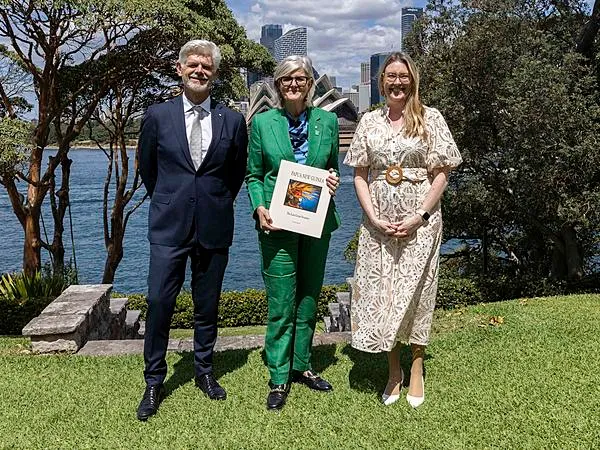
KTF (Kokoda Track Foundation) is honoured to welcome Her Excellency the Honourable Sam Mostyn AC, Governor-General of the Commonwealth of Australia, as our new Patron.

“I’m delighted to become Patron of the Kokoda Track Foundation. The friendship between Australia and Papua New Guinea is one of deep history and shared purpose — we are neighbours, partners, and friends. I look forward to sharing KTF’s stories about how they have been working hand in hand with communities across PNG to strengthen education, health, equality, and leadership."

The Governor-General’s patronage of KTF’s work to improve lives, livelihoods, and futures in Papua New Guinea reflects the deep and enduring friendship between Australia and our closest neighbour.

“KTF’s approach reflects perfectly the wonderful spirit of partnership between Australia and Papua New Guinea, because partnership is at the core of everything we do — with the people, communities, and government of Papua New Guinea,” said KTF Chair Ian Kemish AM. “In welcoming the Governor-General as our Patron, and with her deep commitment to supporting Australians and our neighbours alike, we look forward to expanding our impact, working alongside the people of PNG to drive meaningful change.”

KTF CEO Dr. Genevieve Nelson welcomed the appointment with deep appreciation.

“We are delighted and incredibly grateful that Governor-General Mostyn is continuing her longstanding engagement with Papua New Guinea through this role. Since her inspirational address at KTF’s Lt. Col. Ralph Honner Leadership Oration in 2016, Her Excellency has been a steadfast friend to both PNG and KTF.

The Governor-General’s commitment to putting care, kindness, and respect at the centre of her term aligns closely with KTF’s mission to improve lives and build futures through access to education, healthcare, equality, and the development of tomorrow’s leaders.

We look forward to working together to strengthen the bonds between Australia and Papua New Guinea for years to come.”

KTF has spent more than 20 years supporting locally led, long-term change in Papua New Guinea — training teachers and health workers, building and resourcing schools and aid posts, installing solar power, and fostering gender equality and youth leadership across the country. We look forward to working alongside the Governor-General to keep the spirit of Kokoda alive between our nations.

About KTF

KTF (Kokoda Track Foundation) is an international development organisation working alongside people and communities in Papua New Guinea to improve lives, livelihoods, and futures through initiatives in the vital areas of education, health, equality, and leadership. For more than 20 years, we’ve been keeping the friendship between Australia and PNG — and the spirit of Kokoda — alive.

Our team, 86 per cent of whom are Papua New Guinean, works in partnership with communities to identify their needs and strengths, and together we implement programs that achieve long-term change. Our projects aim to train high-quality teachers and community health workers; provide these professionals with mentoring and professional development opportunities; build educational and health infrastructure; fund the ongoing maintenance and resourcing of schools and aid posts; and provide remuneration to teachers and health workers across rural regions.

These initiatives are supported by the installation of solar energy and lighting systems for off-grid households in related communities — powering their success. We also promote equality for all, advocate a zero-tolerance approach to gender-based violence, and promote gender equity among adolescents through the fun of soccer. Looking to the future, we identify and nurture the next generation of leaders among final-year tertiary students from across PNG.

Taking a holistic approach, our work is focused in hubs across the country, including our ‘home’ of Kokoda. We currently deliver programs in Oro, Central, Western, and New Ireland provinces, as well as the National Capital District (NCD).

KTF is a member of the Australian Council for International Development and holds full accreditation with the Australian Department of Foreign Affairs and Trade’s (DFAT) ANCP program. Their high standards for operation are integral to everything we do. We work with a broad range of government, corporate, and philanthropic partners and supporters to deliver real, lasting impact.

October 09, 2025

Westpac PNG has announced a significant enhancement to its Bonus Saver Account with a new, market-leading interest rate of 4.25% per annum—rewarding customers for their commitment to saving and helping them grow their money faster.

The Bonus Saver Account is designed to encourage consistent saving by offering a high bonus interest rate each month customers grow their balance, making it one of the most competitive savings products available in Papua New Guinea today.

For balances above K1,000 (approximately US $238 at the current exchange), Westpac’s Bonus Saver Account will also offer zero dormancy fees.

Westpac PNG Chief Executive Andrew Cairns said the improved rate demonstrates Westpac’s ongoing commitment to supporting customers’ financial wellbeing.

“We know how important it is for our customers to make the most of their savings, especially in today’s challenging economic environment. With the new 4.25% interest rate, our Bonus Saver Account gives Papua New Guineans a simple and rewarding way to grow their savings—whether it’s for school fees, a future home or financial security—because every kina saved today grows your tomorrow.”

The Bonus Saver Account offers customers the flexibility of accessing their funds when needed, while still encouraging good savings habits through monthly bonus interest for account growth. Customers have the added security of full digital access to their accounts via Westpac’s Online Banking and Mobile Banking App.

Westpac PNG continues to invest in delivering banking solutions that help customers achieve their financial goals—from everyday banking to savings and investment opportunities.

For more information, visit https://www.westpac.com.pg/

New and existing Westpac customers can open a Bonus Saver Account today by visiting their nearest Westpac branch or calling 322 0888 for more information.
September 30, 2025

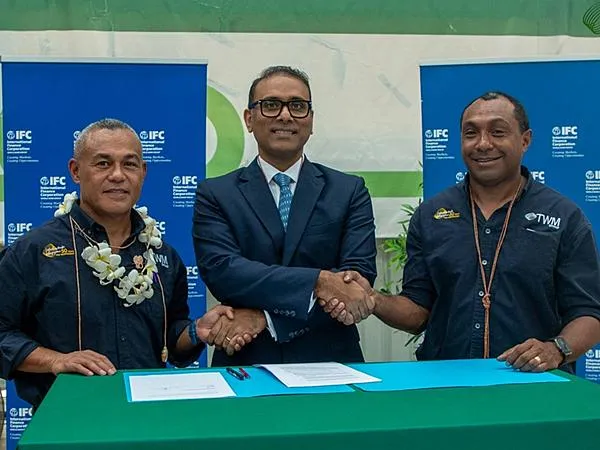
Papua New Guinea’s leading waste management company, the TWM Group, has secured a major boost with a $10.2 million investment from the International Finance Corporation (IFC), paving the way for the Pacific’s first integrated waste management facility built to international standards.

The investment, provided through a kina-denominated fixed-rate loan, is supported by the World Bank’s IDA Private Sector Window. It will enable TWM Group to expand operations to manage growing volumes of hazardous and industrial waste, helping safeguard public health and the environment as PNG experiences rapid population growth and industrialisation.

The announcement was made on 24 September during the country’s 50th Independence Anniversary.

“As we celebrate 50 years of PNG’s independence, we are proud of TWM’s contribution to protecting our pristine environment and diverse culture while remaining focused on delivering our vision,” said Kori Chan, TWM Group Managing Director.

“This partnership, developed over more than three years of analysis, assessment and due diligence, confirms that TWM Group now meets IFC’s stringent global environmental and social performance standards,” Chan said.

Chan said that the investment demonstrates global confidence in TWM Group and enables the company to expand the scale and scope of our work, ready to service growing volumes of waste from multiple industries across PNG and the Pacific Islands region — a major step forward for the industry and positive news for the nation as it looks to the next 50 years of independence.

The development comes at a critical time, with PNG moving towards formal regulation of waste management while facing the urgent challenge of rising unmanaged waste. By setting new benchmarks for sustainability, TWM’s facility will position the private sector at the forefront of solutions to reduce health risks and protect the country’s unique natural environment.

IFC’s Senior Manager for Infrastructure and Natural Resources in Southeast Asia and the Pacific, Erik Becker, highlighted the significance of the partnership.

He said, “Since 2021, we have been working with TWM Group through market assessments, business planning, environmental and social screening and gender diagnostics to help develop the Pacific Islands’ first integrated waste management facility, designed to handle hazardous and industrial waste in compliance with international standards.

“This investment will establish new standards for environmental sustainability and operational excellence, showcasing a one World Bank Group approach to support private sector-led and sustainable waste management in PNG and the Pacific region.”

The financing is also expected to create jobs and stimulate innovation in waste management services, reinforcing sustainable economic resilience. It aligns with broader efforts to support PNG’s growth as the nation marks both its 50th year of independence and 50 years of partnership with the World Bank Group.

TWM Group’s role in advancing gender inclusion has also been recognised. The company was one of 18 participants in the Meri Save Trades (Women Know Trades) initiative, a programme led by IFC in partnership with the Business Coalition for Women and supported by the governments of Australia and New Zealand. The initiative has helped women break into industries traditionally dominated by men, creating more diverse and inclusive workplaces across PNG.

Founded as a pioneer in modern waste management, TWM Group continues to drive change by embedding sustainability into its operations and shaping a cleaner, healthier future for PNG and the Pacific region.