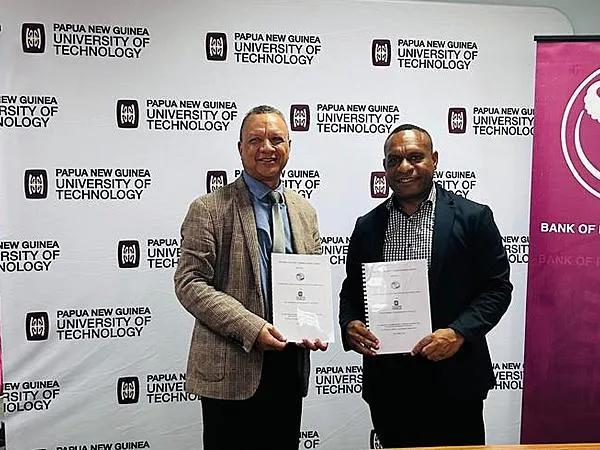
On April 23, 2025, The Centre for Excellence in Financial Inclusion (CEFI) and the Papua New Guinea University of Technology (Unitech) formally signed a Memorandum of Understanding (MoU) to establish a Fintech Incubation Centre at Unitech’s campus in Lae.
The new Fintech hub will play an important role in supporting the development and growth of financial technology startups. It will provide mentorship, funding, networking opportunities, and access to industry expertise. The initiative aims to foster innovation within the financial services sector by assisting entrepreneurs to refine their business models, develop products, and navigate regulatory requirements. Furthermore, the hub will facilitate collaboration between fintech startups, the Bank of Papua New Guinea’s regulatory sandbox, and established financial institutions, thereby promoting the integration of new technologies into traditional banking and finance systems.
The overall objective is to accelerate the growth of fintech entrepreneurs and to enhance the broader ecosystem of financial payments and service systems, ultimately expanding financial inclusion across Papua New Guinea.
Unitech Vice-Chancellor, Professor Ora Renagi OL, stated that “learning transforms living standards.” He emphasized that this initiative would empower young IT professionals to develop innovative solutions capable of enhancing a wide range of industries throughout the country.
Professor Renagi further elaborated that the University’s focus on teaching and research, as well as its five-year strategic plan, identifies the establishment of centres for innovation and incubation as a priority. He described the partnership with CEFI to establish the Fintech Incubation Centre as both timely and supportive.
CEFI Acting Executive Director, Mr Peter Samuel, reiterated CEFI’s commitment to advancing financial inclusion by embracing innovation and technology. He noted that the partnership would not only improve financial services but would also create opportunities for students to become self-employed and contribute meaningfully to economic development.
Mr Samuel also highlighted that fintech solutions developed through the Centre would be tested in the Bank of Papua New Guinea’s regulatory sandbox prior to their broader market introduction, ensuring compliance, safety, and effectiveness.
Following the MoU signing, attendees visited the proposed site for the Fintech Incubation Centre, marking a significant step towards realising this transformative vision.
Supporting this initiative are the PNG ICT Cluster and the National Information and Communications Technology Authority (NICTA). Key stakeholders are eager to collaborate to bring transformative changes to the financial services landscape, ensuring that financial systems become more efficient, inclusive, and accessible to individuals in both urban and rural areas.
In a region where digital transformation is both a challenge and an opportunity, global payments leader Visa is actively working to bridge the financial gap through inclusive innovation.
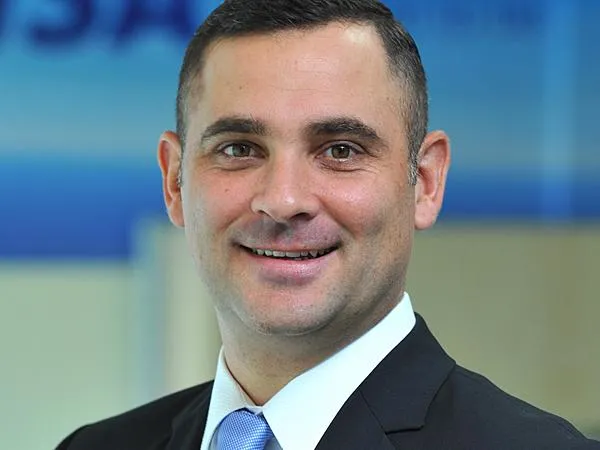
In the recent Innovation PNG Conference 2025 in Port Moresby, Visa Country Manager for New Zealand and the Pacific Islands Anthony Watson revealed an ambitious 2030 vision to drive further economic growth in Papua New Guinea.
The vision, Watson said, complements the PNG Government’s goal to connect 70 percent of the population to the internet by 2030.
Visa “supports economic growth in mining, agricultural, forestry and fishing sectors which rely on foreign trade,” he said.
“These are the sectors PNG has a strong reliance on in foreign trade. Therefore, by offering a secure digital payment solution that is reliable and fast to move funds between consumers, businesses and government agencies, Visa supports PNG in foreign trade,” he added.
Visa plans to introduce new, low-cost, mobile-based services that help sellers get paid quickly and safely, secure eCommerce services, and enable international money movement for foreign trade services.
To support this vision, strong fraud protection will be critical. In a media release, Visa revealed global investments of over $10 billion over the last five years into technology and innovation to reduce fraud and increase network security.
“This advanced technology, including AI-driven fraud prevention tools, will be critical in protecting PNG consumers against sophisticated threats,” it said.
In an exclusive interview with PNG Business News, Watson shared his strategic vision for Papua New Guinea and the broader Pacific market, painting a compelling picture of a region on the cusp of rapid financial evolution.
Anthony has been with Visa for 15 years, starting in Melbourne, Australia back in 2009. He has held senior roles across Client Services, Product, Sales and Strategy working in several countries in Asia Pacific.
With a background in product development, risk, and digital business operations, Watson has a passion for supporting tech entrepreneurs in developing new businesses models that help support growth in digital commerce and access to financial services.
Visa continues to explore opportunities and partnerships in PNG and the wider Pacific region, the Country Manager said.
“The message is clear: a collaborative, forward-thinking, and inclusive digital payments ecosystem is not just a vision, it’s a mission in motion,” he added.
“My role as Country Manager is to develop and execute the market strategies we have. I’m also in charge of our business operations and provide leadership to our team across the markets in which we operate.”
Watson acknowledged the complexity and opportunity in the local market.
“Visa operates in over 200 countries globally. So, we are a very inclusive organisation, taking the needs and considerations of local markets into the types of products and solutions that we've developed,” he said, while highlighting PNG’s unique geographic diversity and the variety of communities that necessitates tailored approaches.
“Our observations have been, there has been a growing population adopting more of mobile technologies, meaning e-wallets become quite interesting. The adoption of internet banking has been strong,” he said, emphasizing the need for small businesses to move away from cash handling.
“Businesses really need to look and see the trends that are occurring globally are moving much more to digital capabilities, including online. Even just the fundamental face-to-face transaction... being able to transact digitally is going to be really important, as we think about the behaviours that are shifting as the younger generation starts to come through.”
Innovation, FinTech, and the PNG Payments Ecosystem
On the role of innovation and financial technology (FinTech) start-ups in PNG’s evolving payments landscape, “there is so much opportunity,” Watson said.
“Particularly as we start to see more of the new technology that's out there converging with payments. That creates an interesting dynamic for start-ups, FinTechs, or young entrepreneurs who are looking at opportunities across the country to solve some fundamental challenges,” he said.
These opportunities extend beyond just small business support, Watson pointed out. He expressed optimism for the FinTech landscape in PNG, but acknowledged that challenges remain.
“It cuts across new consumer experiences, local governments; what they’re doing in terms of disbursements and collections, and even large opportunities like cross-border payments.
“There’s still a lot of work to be done. But being able to pick up those global trends and apply them in a relevant local context is going to be important,” he added.
Mobile and Digital Identity: The Future of Payments
Asked what innovations in the digital payment space excite him the most, Watson didn’t hesitate to answer: “First would be mobile.”
“I’m very excited when we think about PNG’s growth and adoption that’s occurring across mobile infrastructure. I can see an enormous adoption starting to occur over the next decade, particularly on smartphone infrastructure.”
He also highlighted the potential of a digital identity as a “transformative element” and emphasized the need to support small and micro-businesses.
“Where we start to look at digital identity becoming an underlying credential that payments link to for authentication, online shopping, and a bunch of different use cases, that certainly excites me,” he said.
“Solving for the small merchant challenge, how they can collect funds efficiently using low-cost technology, particularly mobile-oriented, is critically important. We have several solutions already deployed globally that we believe are very relevant to the local market context.”
PNG’s Place in the Global Digital Payments Landscape
With experience leading Visa operations in multiple countries, Watson was asked how PNG compares in terms of digital payment evolution.
“Firstly, it’s really difficult to always compare one country specifically to others... They’re all vastly different,” he explained. “But I also see a lot of similarities.”
“Sometimes we overestimate what we can achieve in 12 months, yet we underestimate what we can achieve in 5 to 10. That is an important context when we think about PNG.
“It’s not just about looking at the near-term opportunities; it’s a bit of a marathon. The type of solutions we bring into the market must reflect that.”
Cybersecurity was another major focus
“Fraud, scams, and cyber security are really top of mind. That’s globally, of course, but certainly applies across the Pacific Islands as well. We're using available technology, particularly AI, to help protect consumers, businesses, and governments,” he said.
Finally, he spoke about reinventing the consumer experience.
“There’s such a great opportunity for us to redevelop and rethink the consumer experience across PNG. I think there’s going to be a lot we can do in terms of new experiences and value propositions.”
Watson stressed the importance of constructive regulation in collaboration with regulators and financial institutions in Visa’s engagement to support an inclusive ecosystem.
“Visa as an organisation is in favor of regulation. When it is done correctly and applied in the local market, it creates a nice set of guardrails that allows the industry to move fast,” he said.
“Foreign investors, tech companies, and FinTechs welcome regulation because it provides certainty on what they can expect.”
He added that good regulation leads to positive outcomes.
“We want principle-based outcomes. We need to ensure that it’s not bad regulation that creates a productivity drag on the economy.”
“The role that Visa plays across the country in terms of economic growth is vital, and infrastructure is key to achieving those outcomes. We welcome further engagement with government in support of what they are trying to achieve.”
The Bank of Papua New Guinea (BPNG) has announced its new executive structure as part of its commitment to becoming a modern, digital, and trusted central bank under its recently developed “Vision 2050” strategy.
The announcement follows a detailed and extensive strategy development process over the past two years. Since its establishment in 1973, the Bank's role has evolved significantly, and the new structure is designed to meet the changing needs of Papua New Guinea’s people and the global economy.
With this, BPNG aims to leverage local expertise and strengthen the future development of the national banking system.
The Bank confirmed the following executive appointments:
Deputy Governor, Monetary Policy & Financial Operations: Mr. Jeffery Yabom -- Mr. Yabom has over 33 years of experience with the Bank. He holds a Bachelor’s Degree in Economics from the University of Papua New Guinea, a Postgraduate Diploma in Economics, and a Master of Arts in Economics from the University of Manchester in the United Kingdom. Prior to his appointment, he served as the Assistant Governor for the Monetary and Economic Policy Group.
Assistant Governor, Currency Services and Branch Operations Group: Mr. Ron Sikar -- Mr. Sikar joined the Bank in 1988 and holds a Post Graduate Diploma in Banking from Massey University, New Zealand, and a Bachelor’s degree in Commerce from the University of Papua New Guinea. He was previously the Assistant Governor, Corporate Affairs.
Assistant Governor, Financial System Development & Innovation Group: Mr. George Awap -- With over 36 years of experience in Economics and Supervision, Mr. Awap holds a Master’s degree in Economics from the University of New England, Australia. He was formerly the Assistant Governor of the Financial System Stability Group.
Assistant Governor, Financial System Regulations & Supervision Group: Mrs. Sabina Deklin -- Mrs. Deklin has over 24 years of experience in Policy and Supervision with the Bank. She holds a Master’s Degree in Business Administration from Torrens University, Australia. Prior to her appointment, she served as the Head of the Supervision Department and Acting Assistant Governor for the Financial System Regulations and Supervision Group.
Assistant Governor, Monetary & Economic Policy Group: Mrs. Williamina Hubert -- Mrs. Hubert holds a Master’s degree in International Development Economics from the Australian National University. With more than 23 years of work experience in Research and Economics, she was the Acting Assistant Governor for the Monetary and Economic Policy Group before her confirmation.
Assistant Governor, Financial Market Operations Group: Mr. Rowan Rupa -- Mr. Rupa has over 28 years of experience in Economics and Financial Markets. He holds a Post Graduate Diploma in Banking and Finance from Monash University, Australia, and a Bachelor’s degree in Economics from the University of Papua New Guinea. He was previously the Head of Financial Markets Department.
Assistant Governor, Payments & Banking Services Group: Mr. Alfred Napun -- Mr. Napun holds a Master’s degree in Business Administration from Central Queensland University, Australia. With more than 32 years of experience in Audit, Banking, and Payments Systems, he previously served as Manager of the Payments System Department.
Deputy Chief Operating Officer / Acting Chief Operating Officer: Mr. Mairi Mathew -- Mr. Mathew joined the Bank as a graduate in 2006 and has spent the majority of his 18-year career within the Operations group. He holds a Master’s degree in Business Administration from Torrens University, Australia. Prior to his current role, he was Manager of the Human Resources Department.
Future Executive Appointments
The Bank also announced that it is recruiting for additional executive roles, including a second Deputy Governor who will oversee Financial System Stability & Development and a permanent Chief Operating Officer.
New leadership positions such as Chief Risk Officer, Chief Financial Officer, and Chief Audit Officer will also be created to complement the new executive structure.
BPNG emphasized its ongoing commitment to supporting the country's development through a robust financial system. Key priorities include strengthening financial inclusion, creating a modern and responsive payments system, and driving innovation and competition across the financial sector.
Papua New Guinea and the Pacific Island countries and territories are on the frontline of climate and biodiversity loss impacts.
“Your voices are decisive to push for higher climate ambition, adaptation solutions and also financial promises,” said Virginie Bleitrach, AFD’s Regional Director Pacific Ocean, during the inaugural Green Finance Summit 2025 in Port Moresby.
“We share your concerns that international climate finance (including the commitment made at COP29) will not be enough to address all the needs for climate mitigation and adaptation,” Bleitrach said.
“There is indeed a need to transform financial systems worldwide and for all actors, both public and private, to work together to enable the true mobilisation of trillions in support of green economies.
“That is precisely the essence of what we humbly strive for at AFD. As a public development bank, we strongly believe that there is an urgent need to leverage all financial flows, public and private, towards the Sustainable Development Goals (SDGs).”
She applauded BPNG's efforts, stating: "This gathering is the first of its kind in Papua New Guinea, but also in the Pacific region. I wish to warmly congratulate the Bank of Papua New Guinea for stepping into the adventure of developing a full green finance set of policies and tools."
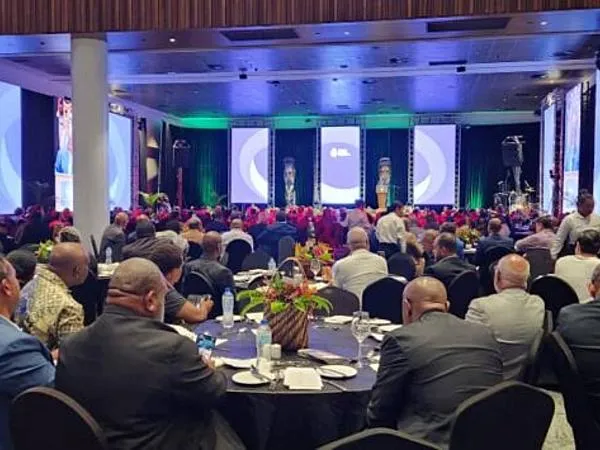
PNG reinforced its leadership in sustainable development across the Pacific with the successful hosting of the event, organized by the Green Finance Centre (GFC) under the auspices of the Central Bank of Papua New Guinea (BPNG).
It brought together a powerful coalition of government leaders, development partners, financial institutions, and international organizations.
The Summit, held on March 24, gathered senior government officials from the Treasury, Energy, Agriculture, Labor, Forestry, and Environment sectors and Government Ministries of PNG.
Attendees included leaders from Agence Française de Développement (AFD), Asian Development Bank (ADB), International Finance Corporation (IFC) of the World Bank Group, International Monetary Fund (IMF), New Zealand’s Ministry of Foreign Affairs and Trade (MFAT), United Nations Development Program (UNDP), United Nations Capital Development Fund (UNCDF), Alliance for Financial Inclusion (AFI), Global Green Growth Institute (GGGI), and commercial banks including Bank South Pacific (BSP), Kina Bank, ANZ PNG, MiBank, and Mama Bank.
Several significant announcements and agreements were made, marking tangible progress towards PNG’s sustainable finance objectives.
AFD committed to supporting the development of key green finance instruments, including the Green Refinancing Facility (GRF) and the Green Guarantee Facility (GGF), aimed at mobilizing capital and de-risking green investments.
An agreement from ADB to inject USD 20 million into the two facilities, in collaboration with AFD, UNCDF, GFC, and BPNG, bolstered the commitment.
These partners will work with local financial institutions to co-develop a pipeline of green and blue loans, forming the backbone of blended green finance and unlocking access to finance for Micro, Small, and Medium-Sized Enterprises (MSMEs) in Papua New Guinea.
Bleitrach emphasized the importance of systemic transformation. "Systemic transformation is needed, from green taxonomies to innovative financial products and mainstreaming climate risk. We look forward to working hand-in-hand with you all to build climate-resilient, low-carbon financial ecosystems across the Pacific."
The Department of Treasury reaffirmed its commitment to co-develop sustainable finance solutions in partnership with BPNG and GFC, tailored to align with PNG’s National Development Priorities.
The Minister for Energy, Hon. Thomas Opa, pledged to mobilize capital for renewable energy projects through GFC’s platform, underlining the critical role of green finance in the country's energy transition.
The Ministry of Energy, BPNG, GFC, and GGGI also confirmed a collaboration to accelerate renewable energy projects. Already, nearly 20 RE initiatives are progressing, alongside efforts to develop carbon credit mechanisms and green bonds, reinforcing PNG’s commitment to sustainable energy development.
Highlighting AFD’s broader mission, Bleitrach said: "Greening the Pacific financial systems requires systemic and transformative programs to address altogether the development of green finance products, regulations, risk management, capacity building and regional cooperation."
She detailed AFD’s climate finance achievements, noting that it had more than doubled its climate finance from €3 billion in 2015 to €7.3 billion in 2024, including one-third for adaptation, and doubled biodiversity financing to reach 1 billion euros in 2023.
“In the meantime, we have scaled up our support to greening the financial system. Between 2015 and 2022, AFD committed more than 5.5bn€ to pursue this ambition, with successful examples for the Caribbean Financial System and the Indian Financial System.
“Our goal is to support financial regulators and supervisors (central banks, ministries of finance and capital market authorities) to scale-up sustainable finance at 3 different levels:
“At strategic and regulatory level, the objective is to increase market transparency on green finance, notably through green finance roadmaps, national green taxonomies and standards of green/sustainable bond issuance.
“At portfolio level, we need to drive assets allocation towards low carbon and resilient investments through the development of green financial products (savings, loans, insurance, etc.), green financial incentives (grant, guarantee, etc.), and access to international green financing (green climate funds; etc.)
“At operational level, the most significant step is to incorporate physical and transition related financial risks into supervisory practice, as well as establish post-disaster financing schemes.”
She added: “The mainstreaming of climate action within commercial banks and public development financial institutions is a long journey, and we are glad to embark on it with you all.
“We have made significant progress already as the Greening Pacific Financial System (GPFS) project was launched exactly a year ago today.
“We will continue the work alongside New Zealand, GGGI and the Bank of PNG to support the implementation of concrete solutions to mainstream finance towards green and blue objectives in PNG and in the Pacific region.”
Launched a year ago by AFD, GGGI, and the Bank of PNG, the GPFS project continues to support the mainstreaming of green and blue finance objectives in PNG and across the Pacific.
It aims to strengthen the capacity of Pacific Central Banks and Public Development Banks (PDBs) to better manage climate risks, mobilize private sector financing, and improve regional cooperation.
"The Green Finance Summit is a historical step in this direction," Bleitrach stated.
"It will foster cooperation among critical stakeholders, central banks, investors, commercial banks, insurers, export credit agencies, private companies, and many international organizations."
The Summit also showcased partnerships with the Fiji Development Bank (FDB) through a portfolio guarantee targeting green and blue development activities, close cooperation with Banque Calédonienne d'Investissement (BCI) in New Caledonia, and SOCREDO in French Polynesia, demonstrating the growing momentum for green finance across the Pacific region.
Bleitrach affirmed AFD’s ongoing commitment and said, "We hope we can humbly help PNG and the Pacific join the global coalitions as we have so much to learn from each other.
“I very much value your participation in this global movement and am looking forward to the fruitful discussions of this first Green Finance Summit for the benefit of the people in PNG."
Genia: Summit an ‘Important Milestone’
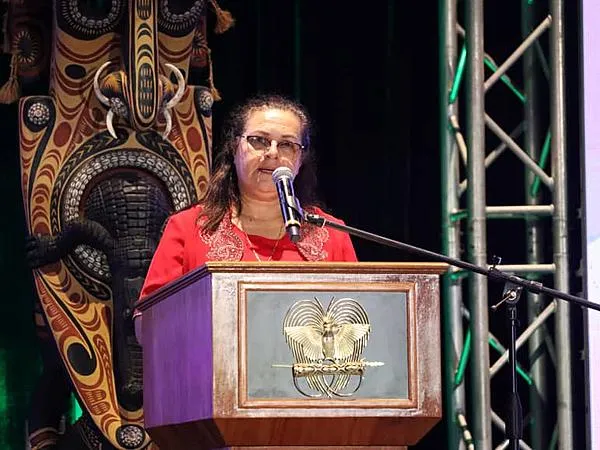
BPNG Governor Elizabeth Genia in her opening remarks, highlighted the importance of the event, calling it “an important milestone” as it coincides with the first anniversary of the country’s Green Finance Centre, established in March 2024.
"In just twelve months, we have implemented the Inclusive Green Finance Policy, developed PNG’s first Green Taxonomy, and successfully piloted green finance projects, demonstrating real-world impact," Governor Genia said.
She emphasized that while these achievements mark a solid foundation, the real task now lies in scaling up the country's green finance initiatives.
Governor Genia underscored the urgent threat climate change poses to PNG, citing rising sea levels, extreme weather, and environmental degradation as direct threats to the nation’s communities and economic stability.
However, she said this crisis also presents unique opportunities. "Green Finance allows us to build resilience, create jobs, and unlock new growth opportunities for our economy."
Mobilising Private Sector Investment
Governor Genia pointed out that 90% of green finance investments will need to come from the private sector, making the role of banks, insurers, and investors critical.
She praised the government's efforts to create an "enabling environment" through targeted policy reforms and strategic partnerships, aligning PNG’s actions with global frameworks like the Paris Agreement and the UN Sustainable Development Goals.
The summit also saw the launch of two new initiatives:
Governor Genia also announced that new targeted loan products, including Green and Blue Loans, would soon be available, focusing particularly on SMEs, agriculture, sustainable fisheries, biodiversity conservation, and women-centered enterprises.
"These practical solutions will enable banks, businesses, and communities to direct capital towards impactful climate-resilient and sustainable projects," she said.
For financial instruments, BPNG is pushing forward a broader agenda to strengthen the green finance ecosystem. This includes:
Governor Genia called on the financial and business sectors to lead by example, saying Green Finance in PNG needs “champions, leaders willing to innovate, drive change, and inspire others.”
She also spoke of successes from local pilot projects, saying that PNG has the potential to be a regional leader in Green Finance by collaborating actively with partners such as the SEACEN Centre, AFD, IFC, ADB, UNCDF, and the Global Green Growth Institute (GGGI).
"We have the framework, the partnerships, and the momentum. Now, we need commitment and decisive action. This is our opportunity, our moment to lead."
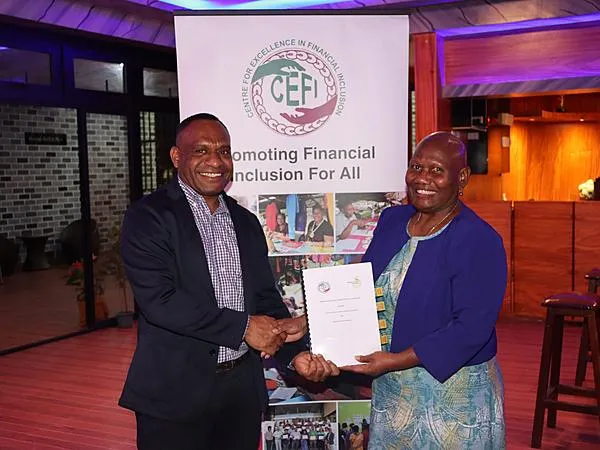
The Centre for Excellence in Financial Inclusion (CEFI) and the Western Pacific University (WPU) have signed a landmark Memorandum of Understanding (MoU) to jointly promote entrepreneurship, fintech, financial literacy, and microfinance education in Papua New Guinea (PNG).
The MoU between CEFI and WPU signifies a collaborative effort to advance education, particularly in the realms of entrepreneurship and microfinance, fostering mutual growth and development. The MoU outlines several areas of collaboration, including:
The MoU was officially signed on Friday, April 11, in Mt. Hagen by CEFI’s Acting Executive Director, Mr. Peter Samuel, and WPU President, Dr. Janet Rangou (PhD). This strategic partnership signifies a shared commitment to building human capacity, promoting innovation, and equipping students with practical skills to drive economic growth and financial empowerment across the country.
Speaking at the signing ceremony, Mr. Peter Samuel expressed enthusiasm for the partnership.
“We’re very excited about this collaboration and truly appreciate WPU’s innovative spirit. Attending the graduation today gave us confidence that we are partnering with an institution that shares our mission to empower our people. We look forward to the opportunities this partnership will create.”
In response, Dr. Janet Rangou highlighted the value of the partnership for student development, saying:
“We hope this collaboration will allow us to equip our students with lifelong, practical skills that will serve them and their communities long after graduation.”
Earlier in the day, Mr. Samuel and his team attended Western Pacific University’s inaugural graduation ceremony at its campus in Ialibu, Southern Highlands Province. A total of 99 students graduated in various disciplines, including Certificate in Higher Education, Bachelor of Arts in International Business Management, Bachelor of Science in Computer Networks, and Bachelor of Science in Computer Programming. The event also celebrated the official opening of the WPU’s state-of the art e-Library.
The keynote address was delivered by Hon. Peter O’Neill, Member for Ialibu-Pangia and former Prime Minister of Papua New Guinea. He spoke passionately about the university’s journey since its conception in 2012, noting that its founding idea emerged from the need to bring higher education closer to remote communities.
“This university is a national institution that has grown through both local and international support. It’s not just for the Southern Highlands but for the entire country,” said Mr. O’Neill.
Echoing this sentiment, Southern Highlands Governor Hon. William Powi described the graduation as a historic milestone for the province and the nation.
“While the graduating class may be small, their success marks the beginning of a legacy of educational transformation,” he said. The Governor also announced K68, 000.00 in tuition support and a K1 million contribution toward university infrastructure and services, with potential future investments in student facilities and postal services.
Minister for Higher Education, Research, Science and Technology, Hon. Kinoka Feo, also addressed the ceremony, reaffirming the government’s commitment to expanding higher education in PNG. He highlighted increased budget allocations, the expansion of the Higher Education Loan Program (HELP), and the PESA initiative as examples of national efforts to ensure quality education and accessibility for all.
Minister Feo also acknowledged the contributions of key figures in the establishment of WPU, and the Department of Higher Education, along with other stakeholders who guided the institution through official government processes.
In her remarks, Dr. Janet Rangou paid tribute to several individuals instrumental in WPU’s journey, including the late Sir Peter Barter, Professor Father Jan Czuba, and the former PNG Prime Minister and current Ialibu-Pangia Member Hon. Peter O’Neill , thanking them for their vision, support, and belief in the power of education. She emphasized WPU’s ongoing mission to become a university of choice in PNG and beyond, committed to lasting societal impact.
Dr. Rangou concluded by expressing gratitude to students, staff, partners, and the WPU community, underscoring their collective role in shaping a more educated and inclusive future for Papua New Guinea.
The new National Banking Corporation (NBC) is planning to publicly list its stocks for public purchase as early as next year 2026, with Prime Minister Hon. James Marape calling on Papua New Guineans to prepare themselves in anticipation of this event.
Prime Minister Marape, while launching the new commercial bank on Thursday (10.04.25) evening, urged Papua New Guinea’s superannuation funds, provincial governments, landowner companies, nationally-owned businesses, and individual Papua New Guineans to look forward to the announcement and to buy shares in the bank.
NBC is expecting an Initial Public Offering (IPO) on the Port Moresby Stock Ex- change toward the end of 2026.
Prime Minister Marape said he wants to see 80 percent of NBC owned by Papua New Guineans and Papua New Guinean companies with only 20 percent shareholding remaining with the State, through Kumul Consolidated Holdings “When we offer the IPO, 80 percent must go out to our provincial governments, the Bougainville government, landowner companies, our superfunds, our ordi- nary citizens so our people become shareholders.
“So to all Papua New Guineans, get ready to invest in your bank. Let’s make NBC become the biggest commercial bank in the country. Be ready because I will ring the bell very soon,” he said, adding that provincial governments and their subsidiary companies, especially, must take a keen investment interest in NBC and prepare for the IPO.
Currently, NBC has 10 branches in the country and working to expand to all provinces of PNG, including Bougainville.
NBC is the upscaling of the former People’s Micro Finance bank, which focused on providing microfinance banking services to small income earners and ordinary Papua New Guineans. It was established in 2013.
NBC remains the subsidiary of the National Development Bank, one of the nine State enterprises of PNG.
The expansion into the banking sector is part of the reforms currently under-taken by the Marape-Rosso Government to revitalize State-owned enterprises to become commercially-profitable and better service oriented for the people of Papua New Guinea.
On Thursday, April 10, 2025, Prime Minister Hon. James Marape officially launched Papua New Guinea's newest commercial bank, the National Banking Corporation (NBC), bringing the total number of commercial banks in the country to seven
NBC is the transition from the former People’s Micro Finance Bank, and is a subsidiary of the National Development Bank (NDB) – one of the nine State- owned enterprises of PNG.
The move into the commercial banking sector space is an effort by the Marape-Rosso Government for better financial inclusion covering areas of the country not reached by existing commercial banks, and is part of the extensive reforms of State enterprises currently being undertaken by Government.
A Cabinet decision made in 2022 finally saw the issue of a license by the Bank of PNG in December last year 2024 after a long rigorous process. The launch on Thursday night by the Prime Minister was held at APEC House in Port Moresby before an audience of Members of Parliament, bureaucrats, bankers, superfund reps, business owners, and company directors and managers.
Prime Minister Marape urged NBC to open branches in all 21 provinces including the Special Region of Bougainville within the next five years, while highlighting the need for all Papua New Guineans to easily access banking services because of their landowning status. Currently, the bank has 10 branches through its former status as the People’s Micro Finance Bank.
PM Marape highlighted the potential for the growth of NBC and commercial banks in PNG because of the expanding national economy, which has grown from K79 billion in 2019 to K125 billion in 2024 – the time under his administration– with an upward trajectory toward K200 billion at the turn of the decade.
He also affirmed the growth in the PNG economy by pointing to Bank South Pacific’s declaration of over K900 million profit last year 2024, demonstrating this upward trajectory.
The Prime Minister said despite many challenges including an inherited re- cessed economy and global COVID-19 pandemic under his government, three commercial banks have opened in the last six years – Tisa Bank, Credit Bank and, now, NBC.
“Thank you very much Bank of PNG for the sensitivity to the times we are living in and recognizing the need for the unbanked to be banked, as well as for the banking sector to be reformed.
“The Pangu-led Coalition Government is happy to witness a State-owned enterprise not holding back but partnering in our intention for reform and moving into the right space.
“This bank gives the opportunity to 80 percent of our people who remain on the fringes of our economy, yet are our country’s biggest assets as people who own land and have access to forestry, fisheries, agriculture and some of the richest cultures in the world – the goldmine of tourism. They must be brought into the formal economy,
“NBC must maintain the fiduciary requirement of a bank and at the same time be responsive to the needs of our people.
“I thank the National Banking Corporation board and management, and Kumul Consolidated Holdings for NBC. This is a wonderful gift to our people on the 50th Independence anniversary,” said Prime Minister Marape.
The Prime Minister called on NBC, NDB and KCH to manage the new commercial bank prudently and grow it for the benefit of all Papua New Guineans, and not to repeat the mistakes of the former PNG Banking Corporation.
The newly formed Monetary Policy Committee (MPC) of Papua New Guinea has kept the Kina Facility Rate (KFR) unchanged at 4.0%, while lowering the Cash Reserve Requirement (CRR) to 11%, in its inaugural meeting held on March 11.
The decisions were announced in a media release issued by Bank of Papua New Guinea (BPNG) Governor Elizabeth Genia, who chairs the MPC.
The Committee stressed the CRR adjustment should not be seen as an easing of monetary policy, but rather a technical response to prevailing conditions and an effort to address liquidity imbalances within the financial system.
Governor Genia said: “The decision to maintain the KFR at 4.0% while lowering the CRR to 11% reflects an adjustment to previous policy settings in response to current conditions and the uneven distribution of liquidity within the financial system."
The Committee emphasized that the inflationary pressures have eased in recent months, reducing the need for any immediate changes to the policy interest rate.
MPC members remain alert to global economic developments, particularly the risks of imported inflation and the impact of Kina depreciation on domestic price levels, Genia said.
While inflation is currently contained, the MPC signaled that vigilance will be maintained in monitoring any new external threats that could affect price stability in the months ahead.
The Committee’s review of previous tightening measures revealed mixed results. Last year’s increase in the CRR to 12% significantly raised government borrowing costs, with Treasury Bill yields rising sharply, although private sector lending rates remained largely unaffected by the changes, indicating weak transmission of monetary policy into commercial lending markets.
Regardless of the overall adequacy of liquidity in the banking system, the MPC reported that its distribution among commercial banks remains uneven. This concern played a key role in the decision to lower the CRR from 12% to 11%, a move aimed at smoothing liquidity flows and increasing market functions.
Another key focus of the meeting was the importance of continuing the gradual depreciation of the Kina. The MPC reaffirmed the Bank’s commitment to allowing the currency to move towards a more market-determined, equilibrium level to improve external competitiveness and support macroeconomic stability.
The Committee stated this adjustment is necessary to improve external competitiveness and support long-term macroeconomic stability.
Members offered varied perspectives on policy settings as this was the inaugural session of the restructured MPC, established under amendments to the Central Banking Act in December 2024.
The Committee agreed to keep its explanations concise for this initial meeting, with plans to expand the scope of future statements as members align on key policy frameworks and issues.
Governor Genia confirmed that future MPC communications will provide more detailed economic analysis as the Committee’s collective experience deepens.
The Green Finance Summit 2025 marked a strong set of commitments and partnerships, reinforcing the country’s green finance agenda and accelerating its position as a leader in sustainable finance across the Pacific region.
This summit was hosted by the Green Finance Centre (GFC), under the auspicious of the Central Bank of Papua New Guinea (BPNG), brought together senior government officials from the Treasury, Energy, Agriculture, Labor, Forestry, and Environment Ministries in PNG, along with leaders from Agence Française de Développement (AFD), Asia Development Bank (ADB), International Finance Corporation (IFC) member of the World Bank Group, International Monetary Fund (IMF), New Zealand’s Ministry of Foreign Affairs and Trade (MFAT), United National Development Program (UNDP), United Nations Capital Development Fund (UNCDF), Alliance for Financial Inclusion (AFI), and the Global Green Growth Institute (GGGI), and Bank South Pacific (BSP), Kina Bank, ANZ PNG, MiBank, Mama Bank and more.
Significant announcements and agreements were made throughout the day, as AFD committed to supporting the development of green finance instruments, such as the Green Refinancing Facility (GRF) and Green Guarantee Facility (GGF) to mobilize capital and de-risk green investments. The commitment was strengthened by an agreement from ADB to inject USD 20 million into both facilities while working with AFD, UNCDF, GFC, and BPNG. These partners will connect with local financial institutions to co-develop a pipeline of green and blue loans, forming the backbone of blended green finance and unlocking finance for Micro Small, and Medium-Sized Enterprises (MSME) in PNG.
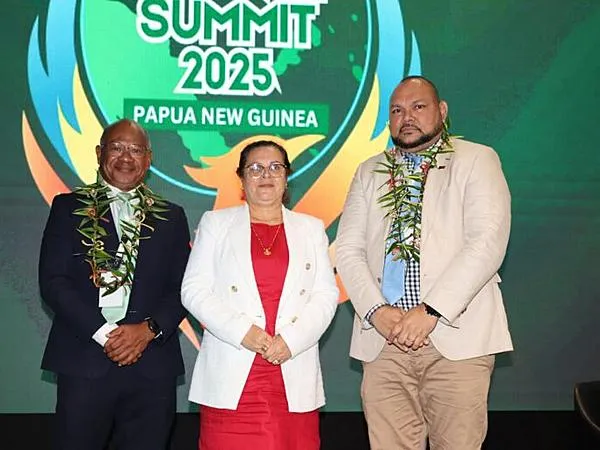
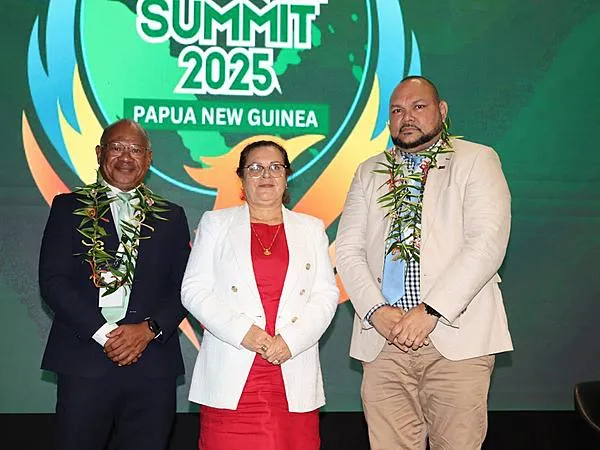
BPNG Governor Ms. Elizabeth Genia (middle) pictured with BPNG Chairman Mr. David Toua (left) and Honorable Minister for Energy Mr. Thomas Opa (right) at the Green Finance Summit held in Port Moresby.
Papua New Guinea’s PNGX Group Limited (“PNGX Group”) and Fiji’s South Pacific Stock Exchange Pte Limited (“SPX”) have together released a Request For Proposal (“RFP”) for an integrated Trading Platform and Central Securities Depository solution for the Pacific stock exchanges.
The release of the RFP follows PNGX and SPX entering into a Memorandum of Understanding (“MOU”) in January 2025 to explore technology sharing opportunities and reaffirming their commitment to fostering innovation and enhancing sustainability in the capital markets of Fiji, Papua New Guinea and the wider South Pacific region.
Under the MOU, SPX and PNGX Group agreed to explore:
The focus of the RFP is the adoption of a single integrated, end-to-end trading platform and central securities depository solution from either a single provider or from a consortium of providers upon which both the PNGX and SPX markets can operate.
David Lawrence, PNGX Group Chairman said "PNGX and SPX are seeking to bring to reality the joint vision of the development of a regional capital market underpinned by proven, robust technology which is fit for purpose for our markets.”
Sheraj Obeyesekere, SPX CEO, said "This initiative represents a forward-looking approach to capital market development in the Pacific. A unified technology platform has the potential to reshape how our markets operate and engage with investors, both locally and globally."
Suitably qualified potential system providers can request a copy of the RFP by contacting PNGX or SPX.
Westpac is proud to reaffirm its position as a pioneer in financial services across the Pacific by continuing its long-standing partnership with Verifone, a global leader in payment technology. This partnership, established in 2016, underscores Westpac's commitment to delivering innovative and efficient payment solutions to businesses in Papua New Guinea.
As the first to market with Verifone terminals, Westpac is already leading the way in the Pacific region. We will further enhance our offerings by introducing an uplifted version of our Point of Sale (POS) solutions, ensuring that our customers continue to benefit from the latest technology and innovations by the end of 2025.
This strategic move solidifies Westpac's leadership in the Pacific region, leveraging its extensive relationship with Verifone to deliver market-leading solutions. Westpac intends to uplift its financial offerings with these advanced technologies, ensuring businesses have access to the most sophisticated payment tools available. Westpac's investment in this partnership highlights its dedication to supporting local businesses by providing them with the tools they need to thrive in a competitive market.
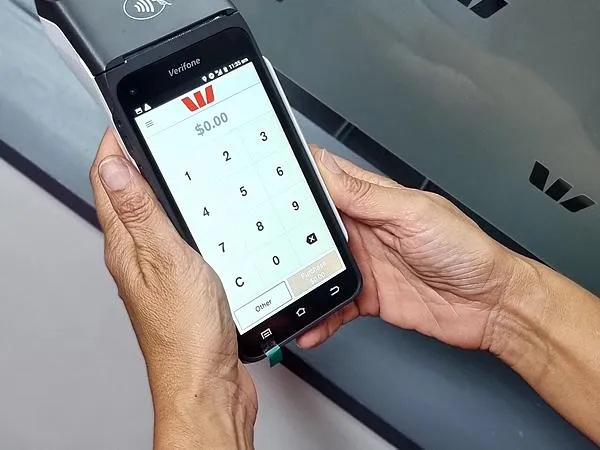
The partnership with Verifone has enabled Westpac to offer a comprehensive suite of payment solutions that support multiple payment methods, including credit/debit cards and contactless payments. Verifone's mobile POS devices allow businesses to process payments on the go, making them ideal for retail spaces, restaurants, and other mobile environments. Westpac also offers multicurrency EFTPOS and settlement into foreign currency accounts, a market differentiator that supports Papua New Guinea's diverse business needs. Additionally, the Dynamic Currency Conversion (DCC) feature enhances the shopping experience for tourists and international clients.
In addition to the existing functionalities, Westpac is set to introduce enhanced POS integration capabilities and an online reporting portal as part of the upcoming uplifted functionalities. This will provide businesses with a more streamlined and efficient way to manage their transactions, access detailed reports, and optimise their operations. The integration will enable seamless communication between POS systems and Westpac's payment solutions, while the online portal will offer real-time insights and analytics to help businesses make informed decisions.
Westpac's Verifone solutions bring increased efficiency, enhanced security, and significant time savings to businesses. The company has listened to the needs of businesses and responded with valuable solutions that meet their evolving requirements. Westpac is committed to continuously improving and expanding its payment solutions, ensuring that businesses in Papua New Guinea remain competitive and thrive in the global market.
"We are proud of our long-standing partnership with Verifone, which has enabled us to bring marketleading technology to Papua New Guinea," said Warren Bobin, Westpac's Acting Chief Executive. "Our commitment to innovation and customer satisfaction drives our efforts to continuously improve and expand our payment solutions, ensuring that businesses in Papua New Guinea remain competitive and thrive in the global market."
By reinforcing its position as a trusted financial partner in the Pacific region, Westpac underscores its dedication to supporting the growth and success of local businesses through innovative payment solutions.
Prime Minister James Marape has announced a bold tax reform strategy aimed at fostering investment, increasing consumer spending, and driving local industry growth. The reforms will take effect once Papua New Guinea’s economy reaches a K150 billion milestone, a target expected to be achieved within the next three to four years. He announced this at the Back to Business Breakfast in Port Moresby today.
The Prime Minister emphasised that these changes will create a business-friendly environment, ensuring that economic expansion benefits both investors and citizens.
Prime Minister Marape outlined key tax initiatives that will come into effect once PNG reaches the K150 billion economic threshold:
“These tax reductions will create the conditions necessary for businesses to thrive, ensuring that investment remains in Papua New Guinea and continues to support employment, infrastructure, and industry growth,” said Prime Minister Marape.
To further strengthen PNG’s economic position, the government is focusing on Special Economic Zones (SEZs), including a tax-free business hub in Manus Province, designed to attract regional trade, investment, and industrial development.
“Our vision is to position Manus as a strategic trade hub, opening up new economic opportunities and fostering partnerships with businesses seeking to expand in the Asia-Pacific region,” said the Prime Minister.
Prime Minister Marape also called upon leading business organisations, including the PNG Chamber of Commerce, the PNG Business Council, the Manufacturers Council, and the Chamber of Resources and Energy, to collaborate with the government in identifying growth opportunities and shaping investor-friendly policies.
He highlighted import replacement and local manufacturing as key government priorities, urging multinational and domestic firms such as Trukai Industries and those in the food sector to invest in local production to reduce PNG’s dependence on imports.
“With the right incentives, streamlined regulations, and stronger industry collaboration, we can transform PNG into a regional centre for manufacturing and downstream processing,” the Prime Minister added.
The government is committed to:
“This is a defining moment for Papua New Guinea’s economy,” said Prime Minister Marape.
“We are restructuring our fiscal policies to ensure PNG remains an attractive destination for investment while delivering tangible benefits for businesses, workers, and the wider population.”
The Marape-Rosso Government remains focused on building a robust, sustainable economy that supports private sector growth, employment creation, and long-term prosperity for Papua New Guinea.
Westpac continues to deliver on its commitment to empower communities with essential financial knowledge by kicking off its 2025 series of Financial Basics for My Business online webinars. The first session included business owners and representatives from various organizations both in Port Moresby and outside centres, who all successfully completed the program and gained access to a range of resource materials.
This interactive three-hour webinar equips participants with the skills to create and understand a balance sheet, prepare an income statement, and build a solid business plan to drive their ventures forward.
Westpac Acting Chief Executive, Warren Bobin highlighted the importance of such initiatives, saying, "At Westpac, we are committed to building financially empowered communities. These sessions are designed to give participants practical skills and the confidence to make informed decisions about their businesses, contributing to economic growth and sustainability."
Port Moresby participant Albert Mokis Ababh expressed his gratitude for the knowledge gained. Speaking of the workshop he said, “It was highly informative and provided a clear understanding of the financial basics necessary for running a business. The focus on maintaining accurate records and their impact on operational efficiency and profitability was particularly valuable. The practical examples and real-world applications discussed during the session made the concepts easy to grasp and implement. Overall, this training has equipped participants with essential tools and knowledge to make better financial decisions and drive business success”.
Angelica Melly who joined the session from Kavieng also shares the same sentiment. “As someone working with NGOs and rural communities, this training was invaluable. It provided vital resources that are often inaccessible outside Port Moresby and equipped me to better support rural communities with effective strategies. Thank you for the opportunity to participate”, said Ms Melly.
The Financial Basics for My Business webinars are held monthly and are suitable for anyone interested in starting or already running a business. Westpac encourages women's groups, youth groups, and individuals to take advantage of this opportunity.
To register your SME group for upcoming sessions please contact Christopher Saisagu at csaisagu@westpac.com.au . You can also sign up for the February sessions via the link provided on Westpac’s social media pages.
With Westpac’s ongoing financial literacy efforts, communities are empowered to grow, thrive, and contribute to Papua New Guinea’s economic development.
Fiji’s South Pacific Stock Exchange Pte Limited (“SPX”) and Papua New Guinea’s PNGX Group Limited (“PNGX Group”) have reaffirmed the commitment to fostering innovation and enhancing sustainability in the capital markets of Fiji, Papua New Guinea and the wider South Pacific region by entering into a Memorandum of Understanding to explore technology sharing opportunities (“MOU”).
The MOU sets the foundation for deepening cooperation to advance shared objectives, including developing and deploying innovative market infrastructure that supports the growth and sustainability of capital markets in the region. This renewed partnership builds on the MOU signed by SPX and PNGX Markets Limited in December 2019.
Strategic Areas of Cooperation
Under the MOU, SPX and PNGX Group will explore:
This strategic partnership reflects a shared vision of creating robust, efficient, and inclusive capital markets that drive regional economic growth. Both SPX and PNGX Group will retain their own commercial and local identities and operations.
Nitin Gandhi, SPX Chair, said "This collaboration marks a pivotal step toward exploring integration and strengthening of capital markets in Fiji and Papua New Guinea. Together, we are committed to unlocking new opportunities and driving economic progress across the region."
David Lawrence, PNGX Group Chairman added "Our enhanced partnership underscores a unified vision to provide resilient market infrastructure, foster the sustainability of both exchanges, and promote regional long-term investment. By supporting the development of regional capital markets, we aim to deliver meaningful opportunities for economic development.”
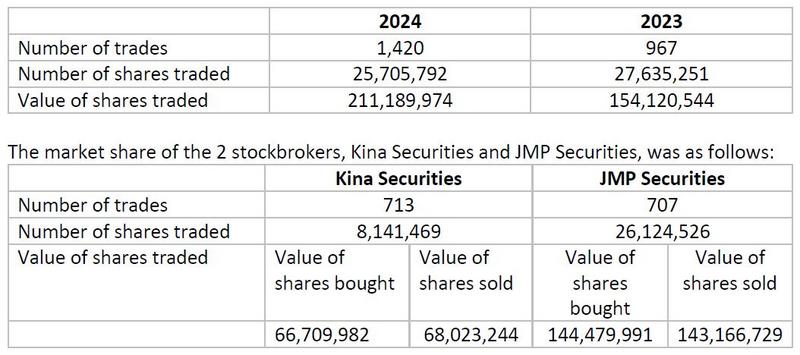
PNGX recently released the 2024 performance data for the Papua New Guinean market. 2024 represented a year of remarkable growth on the market.
The financial services sector emerged as a strong performer, delivering robust returns for investors and setting a high benchmark for the market. Key highlights among PNG companies included:
City Pharmacy Limited (CPL) faced challenges following civil unrest in early 2024 resulting in a 12.7% decrease in share price.
Increased trading activity significantly enhanced liquidity in the PNGX market. Total trades, share volumes, and transaction values demonstrated robust investor engagement compared to previous years. 2024 saw a 47% increase in the number of trades and a 37% increase in the value of shares traded. There was also a significant decrease in the average trade size which is an indicator of increased retail investor participation in the market. These indicators are a clear sign of a higher level of activity and liquidity which is positive for the PNG market.
The major increases from 2023 were in the volume and value of KSL and NGP shares traded. KSL saw a 123% increase in volume and 181% increase in value of shares traded. Meanwhile, NGP saw a 535% increase in volume and a 581% increase in the value of shares traded.
The year ahead promises exciting developments for PNGX:
The 2024 market performance underscores the resilience and growth potential of PNGX-listed companies. As always, investors are reminded to consult with stockbrokers to make informed decisions.
The Internal Revenue Commission (IRC) of Papua New Guinea (PNG) has announced a number of tax relief measures introduced in the 2025 Budget by the Marape-Rosso Government.
These reforms are aimed at addressing the rising cost of living, supporting small businesses, and promoting home ownership across the nation, the IRC said in a statement.
Key Relief Measures:
The Government did make a slight correction in the 2025 Budget to clarify that its intent when permanently maintaining the tax-free threshold at K20,000 in the 2024 Budget, adding that the removal of the 22% tax bracket equally applied to non-resident individuals.
This initiative provides critical financial relief to employees, helping them manage living expenses and improve their quality of life, the IRC said.
“While this policy costs the Government over K160 million annually in forgone revenue, it underscores a strong commitment to easing the tax burden on wage earners and supporting the nation's workforce.”
The Marape Government’s 2025 Budget delivers nearly K500 million in tax relief measures to support households, businesses, and key sectors of the economy. Despite these revenue sacrifices, the IRC’s revenue collection target has been increased by 14% to K19.4 billion for 2025.
“These measures reaffirm the Government’s commitment to creating a fair and supportive economic environment, prioritizing relief for families, workers, and small businesses. The IRC will publish detailed implementation guidelines for each measure in the coming weeks,” it added.
Follow on LinkedIn:
PNG Business News
Be the "First" to get our exclusive Digital Magazine & Weekly Newsletter.