New Britain Palm Oil Ltd (NBPOL) has outshone 100 companies to top global rankings on sustainable and transparent oil palm production from the sustainable palm oil transparency toolkit (Spott) assessment.
New Palm scored 94.4 per cent, putting the firm in a position to compete with others in challenging markets.
This achievement borders on strict certification schemes like the rainforest alliance’s sustainable agriculture standard and the roundtable on sustainable palm oil - in which New Palm was certified on both standards.
Other tools involved the buyers who were able to compare and assess the sustainability credentials of the palm oil producers they interact with.
One is the zoological society of London’s (ZSL) spott assessment - which detailed assessment of 100 of the world’s largest palm oil companies. The criteria of Spott included practices and policies linked with environmental, social and governance (ESG) best practice.
As part of its transparency linked with ESG risks, the companies received a percentage score. Transparency in supporting claims of sustainability was very much essential in the palm oil market and especially to the European market where much of PNG’s palm oil is sold.
In a statement, the company said that in spite of its huge contribution in improving rural poverty and providing employment and livelihood, it has faced some challenges such as environmentally irresponsible practices, negative press, and anti-palm oil campaigns overseas.
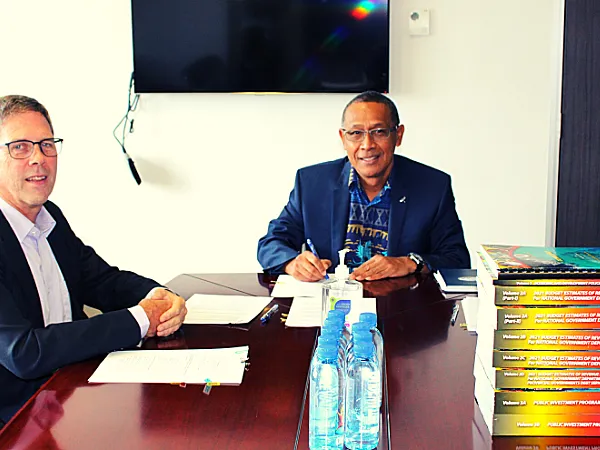
To purchase cocoa in East and West Sepik provinces, Paradise Foods Limited signed a memorandum of understanding (MoU) with the United Nations Food and Agriculture Organisation (FAO).
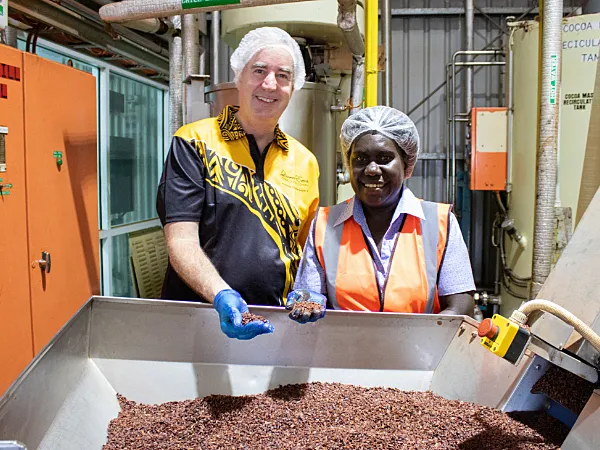
According to Paradise Foods chief executive officer James Rice, FAO will support about 10,000 farmers. “These farmers are getting seedlings that will grow to supply us,” he said.
Through its Queen Emma chocolate, the company sources its cocoa from more than 2,000 farmers in the country. Rice said that in the next year, a new K5 million chocolate factory would be constructed to cater for that growth.
“We need more farmers to supply our growth, and the FAO will work to educate farmers and improve quality. “We are not investing, we are agreeing to buy the farmer outputs, but the UN FAO is investing K340 million in the programme.”
As for Paradise’s two other projects, he said, “One is to double its business in the next five years and the other is to localise everything it bought. We want our chocolate business to be 20 times bigger so we need more supply of cocoa beans, the UN FAO is helping with that at the farmer level in Sepik. And next year they will help us market our chocolate to European and North American markets. They agree with us that Queen Emma Chocolate could be PNG’s first global brand, and we want to make that happen.”
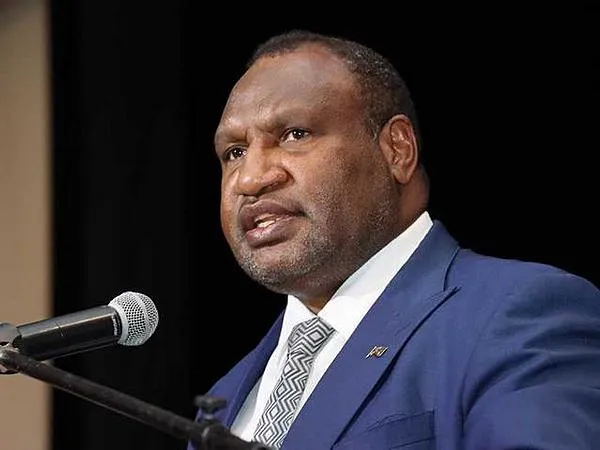
Prime Minister James Marape has said that an accounting firm that did a budget analysis projected economic growth to bounce back at 3.5 per cent next year. He said that this is due to the recovery by most sectors and improved global demands and consumption - in spite of the pandemic.
In a statement, Marape said, “This will see growth rise to an estimated 10.6 per cent in nominal terms (which is an increase from an initial 7.4 per cent forecast in the 2021 Budget strategy paper) totalling K90.3 billion and is expected to increase in 2022 to reach an estimated growth at K99.4 billion. The forecast increase of 10 per cent per annum in both 2021 and 2022 is the highest in PNG’s history and is larger than the growth from 2013 to 2015 when the PNG LNG Project commenced production. Economic growth is projected to grow at a steady annual growth rate of 3.1 per cent over the medium term, in line with an estimated 3.7 per cent growth in the non-mining sector.”
Marape said that this was an unparalleled prediction for PNG, and the numbers showed confidence for the programme and policy of the government. He added that with his “take back PNG” policy and the 2021 consolidation for growth budget, recovery and reconstruction are well underway.
“Through ‘take back PNG’ we have regained control of our own destiny,” he said. “PNG is now in charge of the levers of power. Papua New Guineans will note in particular that the Marape Government is now in charge of the country’s abundant natural resources, and is ensuring that the proceeds are now distributed fairly between the owners and the developers.”
To help finance the US$769 million (K2.69bil) pandemic response of the government that included an economic stimulus package, the Asian Development Bank (ADB) has approved a US $250 million (K876.59 mil) loan.
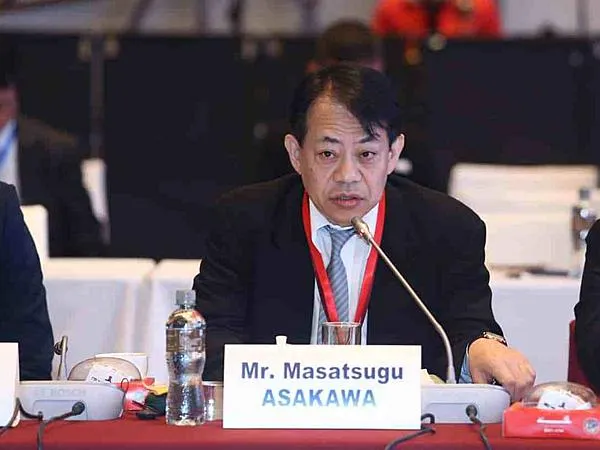
“The Covid-19 has had a devastating health, social, and economic impact on PNG,” said ADB president Masatsugu Asakawa. “The ADB is committed to supporting the government in responding to this pandemic. These funds will help in containing the health and economic impact of the pandemic by strengthening the country’s health sector and providing much-needed budgetary support for revitalising the economy.”
The programme will help PNG strengthen its health system by building temporary isolation facilities for infected patients, rapidly purchasing test kits and PPEs, enhancing water supply for schools and hospitals, and training the frontline workers.
The programme also provides food security and social assistance, including assistance to rural producers and small businesses - loans for businesses, support to buy seedlings for 10,000 poor rural households and smallholder farmers, hygiene improvements in local markets for trading to flourish.
After international health authorities announced a pandemic alert, PNG declared a state of emergency on March 21, closing borders and enforcing lockdowns that have affected the economy.
In spite of the present political instability in the country, the Port Moresby Chamber of Commerce and Industry and Deloitte have triumphantly held the 2021 budget breakfast, attended by the business community in Port Moresby.
The Prime Minister and the Treasurer usually attend the meeting but there were no government ministers around to take questions.
The budget debate emphasized information important to the business community.
Asian Development Bank Public Finance Economist Abhimanyu Dadu said that 7.3 per cent deficit 2021 of the government is also a wide fiscal deficit which is because of the strategy of the government of increasing capital expenditure to support the growth of the economy. He added that he is not sure how this will be financed.
He noted that with the 2021 budget, spending and borrowing policies of the government, a wider consultation is needed which supports fiscal stimulation not dependent on the fiscal framework on the program.
Meanwhile, Credit Corporation chief executive officer Peter Aitsi added that the budget's success depends on these elements.
“The budget will need discipline in its delivery to ensure the planned expenditure is able to achieve the government’s objective,” he said. “Government’s ability to fund the budget – to be able to raise the forecast revenues and also secure borrowings to meet the deficit and government’s success in securing large scale foreign investment to further accelerate domestic efforts toward economic recovery,” he stressed.
Mr Aitsi said that these elements all these factors along with being able to manage the political pressures can bring about a successful budget.
Work is underway to repair and upgrade infrastructure through an Asian Development Bank (ADB) funds of K60 million.
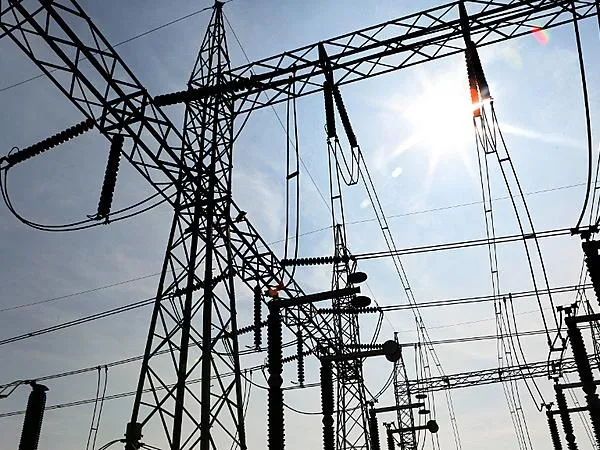
This is according to PNG Power Ltd chairman Peter Nupiri who adds that power generation in the Port Moresby grid was okay but they are now dealing with transmission problems.
“We started to do some work now,” he said. “Through ADB, there is a K60 million funding. Some studies are going on at the moment with the grids to understand how best we can improve. In terms of power generation, in Port Moresby we are okay. But we have to work on power transmission and other issues that we have. We haven’t been able to invest enough money to upgrade and repair our existing infrastructure. That’s our biggest challenge in the Port Moresby grid. Once we get that completed, we can get some work happening.”
According to him, funding is one of the bigger challenges.
“We were not able to internally invest in the business, but that is among other issues that we have,” he said.
With Dirio now online, Nupiri said that they are still looking at ways to best sell the rest of the power supply. He added that a couple of years ago, PNG Power had ventured on fuel switch from the high-cost fuel diesel to gas in the interim. In the long-term, the smaller hydro is able to share with the wealth and the risk.
“That’s our strategy, so with the commissioning of this gas power plant, fits into that plan,” he said.
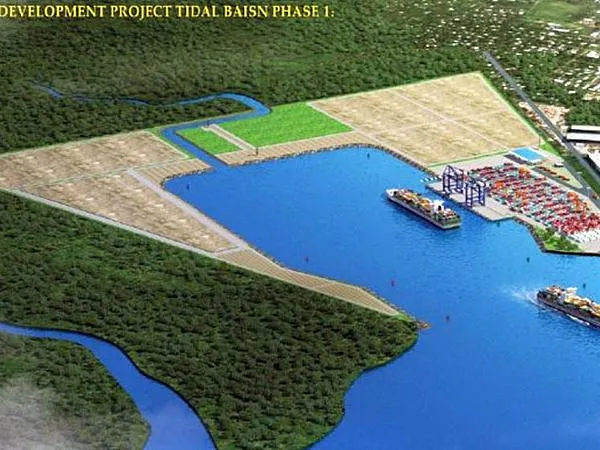
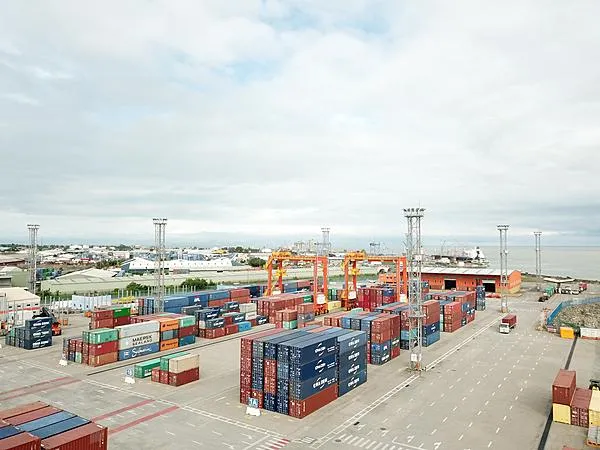
According to PNG Ports managing director Fego Kiniafa, port facilities need an upgrade to accommodate larger vessels.
“We have to create facilities at our ports that are conducive and safe to accommodate such advancements, especially, the inclusions of bigger vessels,” Kiniafa said.
He added that it is high time to consider the extension of berthing and other facilities at the Lae Tidal basin as one of the ports in the country. In the next three years, he added, that these projects should start.
PNG Ports plan to bring in a ship-to-shore crane.
“This is the first thing we want to do with the international container terminal services incorporated as it is much quicker in getting the containers on and off the ship while at our ports in Lae and Port Moresby,” Kiniafa said.
PNG and the US are working on an investment and trade framework agreement to boost trading between these two countries.
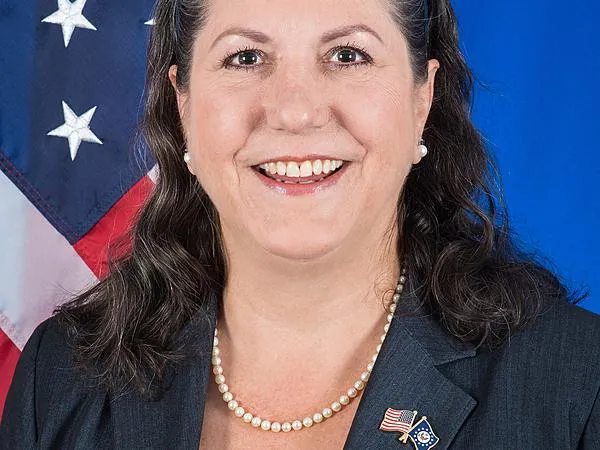
According to US Ambassador to PNG Erin McKee, the aim is on bilateral trade opportunities in agriculture and other industries. She added that the trade volume between these countries should rise.
“It (trade volume) is not big enough,” Mckee said. “We have been working hard to conclude what’s called a trade and investment framework agreement. It is not a free trade agreement. It’s a foundational agreement between our two countries to start exploring specific two-way trade opportunities whether it’s in the agricultural sector, creative industry sector or other areas. We can use this as the basis to ultimately form a free trade agreement. But it is not enough and is something that I must improve while I’m here.”
In 2017, total exports of PNG to the US totalled US$113 million (K397.55mil) of which US$395,000 (1.3mil) is under generalised systems of preference (GSP), which is a US government agreement that allows market accessibility to the US on products that are non-tariff and providing duty-free access.
The US tariff schedule involved 4,084 products that include wood, water, coffee, vanilla, turmeric, coral, fresh fish, most metallic and energy ores, medicines, information technology, and medical equipment. Around 3,256 products were eligible for GSP benefits and this included value-added wood products, ginger, fresh and chilled taro, crafted goods, and jewellery.
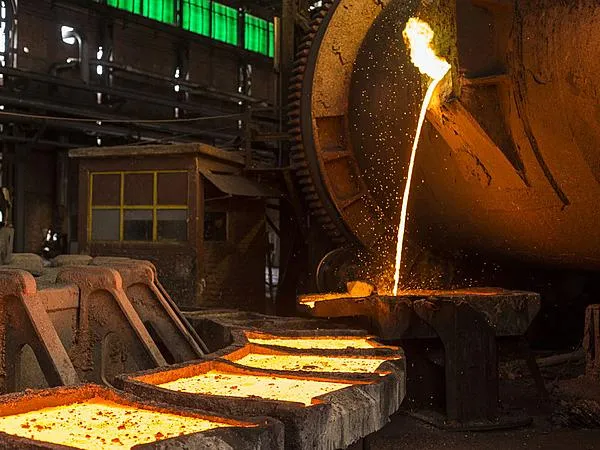
Once the multi-billion kina Wafi-Golpu mine gets off the ground, a gold bullion and smelting facility will be constructed in Morobe province.
According to Papua New Guinea Prime Minister James Marape, this serves as one of PANGU Pati’s key policies to empower and drive businesses in Papua New Guinea.
For Environment and Conservation Minister Wera Mori, this is a first in PNG, and that the government will start slow in gold bullion - which includes smelting and refining of gold.
''At the back of these conversations, Gold Bullion discussions will grow bigger and the Morobe provincial government has put in proposals for a business opportunity in that space,” said Marape. ''We give them every indication of consideration for those business conversations including Gold and Copper smelting ventures that will be first of its kind in our country and that is something I can give assurance to.”
To help in the country’s struggling economy, Australia and PNG have signed off a new $AUD140-million loan.
This is on top of the AUD$440 million dollars loan that Australia gave to PNG last year. Repayments have been suspended because of COVID-19.
According to PNG Treasurer Ian Ling-Stuckey, he met with Australia's High Commissioner to formalise the loan and that the funds will be used to repay government debts to PNG businesses.
"The focus of the Marape Government is to use this funding to pay off O'Neil's massive multi-billion debt to our businesses,” he said. "With these payments, we are injecting cash back into our local business that had been cash strapped.”
The deal comes in spite of the political challenges that the country is experiencing, where dozens of MPs have moved to the opposition. Australia's Prime Minister Scott Morrison was supposed to visit the country, but his trip was cancelled because of the ongoing political turmoil.
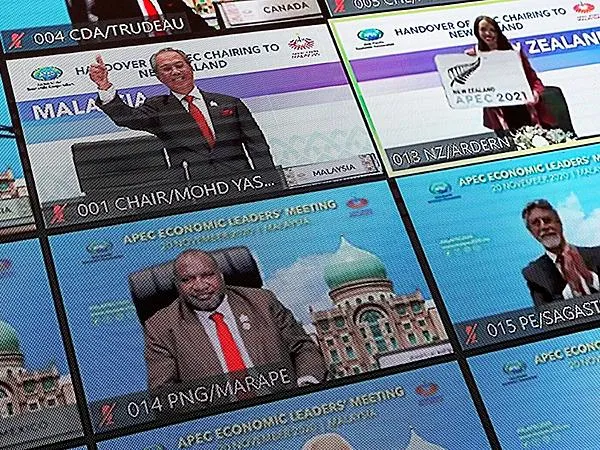
Papua New Guinea Prime Minister Hon. James Marape has joined world leaders in a virtual 2020 APEC Economic Leaders' Meeting to tackle the challenges and the solutions to COVID 19.
Participants included US President Donal Trump, Russian President Vladimir Putin, Chinese President Xi Jinping, Australian Prime Minister Scott Morrison, Japanese Prime Minister Yoshihide Suga, Korean President Moon Jae-In, Canadian Prime Minister Justin Trudeau, New Zealand Prime Minister Jacinda Ader and many others.
According to Marape, he is honoured and privileged to be included in the roster, saying that APEC leaders represented countries controlling 60 per cent of the Gross Domestic Product (GDP) of the world.
“Today was a privilege for PNG to also participate, virtually, at this forum," Prime Minister Marape said. "We are a small economy, very much dependent on what is happening globally, so it was a privilege to talk with the movers and shakers of the world economy. We spoke on par with them on how we are trying our very best to expose our small country, especially the potential we have."
He added that bigger APEC economies such as Malaysia, China, Korea, Australia, Japan, and Indonesia could buy products from PNG.
"Interfacing with them through open, robust dialogue with these big nations is very beneficial to Papua New Guinea," he said."I look forward to a time when all our produce can be easily exported to these economies.”
Prime Minister Marape said that he was supposed to attend the APEC 2019 in Chile but the significant event was cancelled.
"We are very fortunate to be in this exclusive club of APEC nations who we can sell our produce to and also interface," he said. "Tonight I was privileged to speak to all the world leaders including President Trump, President Xi Jinping, President Putin. In the Indo-Pacific neighbourhood, we had the Australian Prime Minister, New Zealand Prime Minister, Philippines President, Indonesian President, Malaysian Prime Minister, Singapore Prime Minister, and others. It was a great opportunity as PNG continues to interface with them. Hopefully, in due time, we will be able to produce enough to supply to these markets close to us."
In the first six months of 2020, economic growth in the Asia Pacific Economic Cooperation (APEC) region decreased by 3.7 per cent and is expected to contract by 2.5 per cent for the whole year.
According to a report by the Apec support unit, this was equivalent to an output loss of US$1.8 trillion (K6.17 trillion), and due to the pandemic. This was also the first time in three decades that the country is set to contract.
APEC policy support unit director Dr Denis Hew said, “Apec was formed more than 30 years ago and has seen economic recessions, financial crises, commodity price volatility, pandemics and terrorist attacks. Yet, in terms of economic losses, this has been a year like no other.”
The report added that unemployment in Apec economics dramatically increased, an average of 4.8 per cent as of September with millions of people still looking for work. The report also said that trade and investments had reversed contractions bigger than expected.
Household consumption decreased by 7.1 per cent and investments also contracted by 11.2 per cent. The volume of merchandise exports fell by 6.2 per cent while imports declined by 7.2 per cent.
“Trade performance in the APEC region was adversely affected by the combined impact of the temporary closure of borders, disruptions in global supply chains, and persistent trade and technology tensions,” Dr Hew said.
The positive contribution to growth came from the spending of government with an increase of 2.8 per cent during the first half of the year. Dr. Hew stressed recovery in the Apec region, especially in countries that were able to contain the spread of the virus early on.
The recent Apec trends highlighted the need for these economies to continue deploying monetary and fiscal measures, and the report also said that member economies should implement and introduce structural reforms to support recovery in the long run.
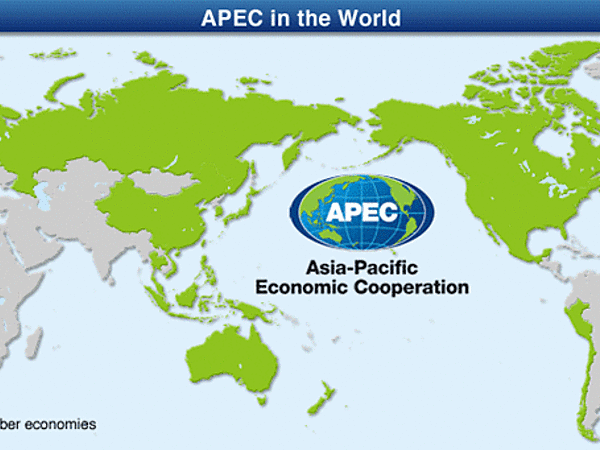
Meanwhile, in the next coming days, leaders and ministers from Apec’s 21 member economies will gather to discuss the challenges and the resolutions of the pandemic. Malaysia is the host of APEC 2020.
According to PNG Ambassador to China Don Sawong, PNG is set to finalise a feasibility study for the possibility of having a free trade agreement with China.
In an event in Shenzen, China, he said that the two countries were urged to conclude this free-trade agreement. He added that a few memoranda of understandings (MoU) were already carried out between the two countries, significant in facilitating investment and trade, the feasibility study for the free-trade agreement, putting up a Bank of China representative office in PNG, and the protocol of fisheries agreement.
“These specific agreements and MoUs reflect the changing dynamics of our relations with China, and I intend to ensure that these commitments are fully implemented,” he said. “Our airline, Air Niugini is committed to commencing direct service flights to Shanghai as soon as final details are agreed upon by both authorising agencies. The implementation of this service will assist and promote the development of tourism in PNG which will also complement the MoU on immigration and visa arrangements entered between the two countries during President Xi’s state visit in November 2018.”
He added that the Bank of China office in Port Moresby was a positive improvement.
“This office is essential when dealing with financial services, involving Chinese investors to PNG and the Pacific region as a whole,” he said, “In all, about 77 PNG exporters have been identified and registered with the Chinese authorities under the fisheries protocol and our exporters will export fisheries and marine products directly to the Chinese market soon.”
Sawong said that the estimated value of exports in PNG rose from US$34.566 billion (K118.87bil) in 2018 to US$38.53 billion (K132.5bil) in 2019. Meanwhile, its trading relations with China was at US$2.3 billion (K8bil).
As a response to the statements delivered by The Chamber of Mines and Petroleum, Petroleum Minister Kerenga Kua said that the government expected the petroleum and mining industries to make sure that the production sharing contract regime was engineered and designed in line with the law.
PNG Chamber of Mines and Petroleum has earlier criticised the proposed introduction of the government of the production sharing contract regime under a suggested organic law.
“(It is important) that the regime continues to enable the contractors/developers to make a fair return on their investment while it delivers to the expectations of the people,” Kua said. “The chamber and its membership can rest assured the Government and the Kumul Companies will not lose sight of this make-a-break bottom-line requirement for investors in oil and gas, and minerals in PNG. This requires maturity and understanding on both sides.”
He added that for any serious proposal, this can be implemented in the interest of the people and “can only be thought through, created and implemented by the Government”.
“Any government has a constitutional responsibility under section 25 of the Constitution (National Goals and Directive Principles) to determine, craft and implement a regime that enables the Government to discharge that Constitutional responsibility for the long-term benefit of the people,” he said.
The Chamber of Mines and Petroleum has responded to a 4-page advertisement by Petroleum Minister Kerenga Kua.
The agency said that implementing the proposed introduction of the government of the production sharing contract (PSC) regime under a proposed organic law not only will stunt the growth of the economy but will eventually retard the tax of the State from resource projects.
“The chamber has attempted to inform the minister and the citizens of PNG of the dangers of the path being followed, this is not out of personal interest,” chamber president Gerea Aopi said. “The minister, in his advertisement, refers multiple times to further ‘legal provisioning in consequential Acts of Parliament’ to suggest that the issues the chamber have raised are not relevant and will be solved in the future. This goes to the core of the matter; much of the proposed changes have not yet been defined. It is uncertainty around the proposed changes that will prevent investment in PNG. An investor will not invest if there is uncertainty in how he will recover his investment and make a profit. Few people in PNG understand how PSCs work, the chamber has many members with detailed understanding on the pros and cons of PSC systems. The chamber is thus a voice-based on deep knowledge that should be heard in this debate. Getting the fiscal settings wrong for the resource sector in PNG will be disastrous for many Papua New Guinean livelihoods. If PNG is going to progress as a nation, there is a need for rational and pragmatic policy settings.”
He added, “PNG is blessed with mineral and petroleum resources, but they are worth nothing unless they are first found and then developed. Developing the resources within a fair and transparent framework will grow the economy, provide jobs, opportunities and infrastructure and ultimately enable other non-resource sectors of the economy to flourish. Whether we like it or not the economy depends on the resources sector. Payments from the resources sector through taxes, royalties, levies and dividends make up close to 30 per cent direct Government take and constitute 85 per cent of PNG’s exports. Indirect contribution to the economy through the multiplier effect likely more than doubles the direct impact of resources projects. The resources sector supports employment for hundreds of thousands of Papua New Guineans directly and indirectly. The resources sector supports entire regional and rural economic ecosystems, almost single-handedly in some cases. Given this background, any radical changes to resource laws and regulations need careful consideration.”
Aopi also said, “The chamber is alarmed at the minister’s proposed changes and their likely impact. The chamber is very focused on working with the Government on policy settings that responsibly grow the economy for the benefit of PNG, it is not a special interest group working against PNG’s best interests. The PNG Chamber of Mines and Petroleum is committed to facilitating investment in PNG for the benefit of the nation. And we stand ready to be part of consultative discussions with the government, for the sound future of our country’s resources sector.”
In the next two years, PNG is expected to grow its economy by nearly K18 billion - from K81 billion to K99 billion.
This was revealed by Treasurer Ian Ling-Stuckey who said that this growth will benefit the non-resource economy. The 2021 budget was recently passed with only 49 MPs from the government bench.
“It is now expected that our economy will grow by over 10.6 per cent in nominal terms in 2021,” he said. “From K81.6 billion up to K90.3 billion. In 2022, we once again expect nominal growth to over 10 per cent, lifting the size of the economy to K99.4 billion and shortly, we will become a K100 billion economy.”
Ling-Stuckey said that aside from the Treasury, the International Monetary Fund has also pointed out this growth. He also added that after 18 months of hard work, the economy has continued, describing it as “the largest in our nation’s history”.
“Even when the taps turn on with the PNG LNG project, the economy increased by less than K15 billion,” he told Parliament. “The near K18 billion in growth over the next two years is mainly for the people of Papua New Guinea. Well over half is going into growth in the non-resource sector. So nearly an extra K3 billion in growth for our agriculture, forestry and fishing sectors.”
Ling-Stuckey also said that an extra K620 million will go into construction, another almost K200 million into manufacturing, another K180 million into food and accommodation, and almost a billion kina extra in retail and wholesale trade.
“So let me put these major growth numbers in terms of each person in Papua New Guinea, we expect the average person in Papua New Guinea to be K1,000 better off because of the economic policies we have put in place,” he said.
The treasure added that these forecasts of growth didn’t include progress from other resources such as Wafi-Golpu, Papua LNG P’nyang or other activities from investors such as Mayur Resources.
Follow on LinkedIn:
PNG Business News
Be the "First" to get our exclusive Digital Magazine & Weekly Newsletter.