
July 08, 2021

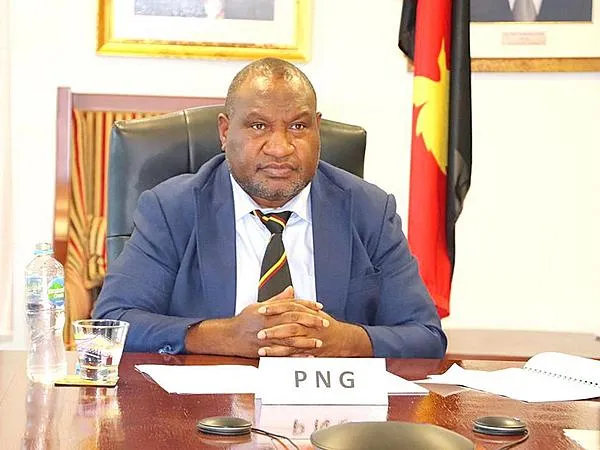
The Prime Minister, Hon. James Marape MP said the government is looking for a partner or investor, such as Puma Energy, to assist it to achieve its goal of creating a low-cost fuel and energy industry in the country.

He also urged Puma Energy to stay in PNG's local petroleum and energy sector and invest more.

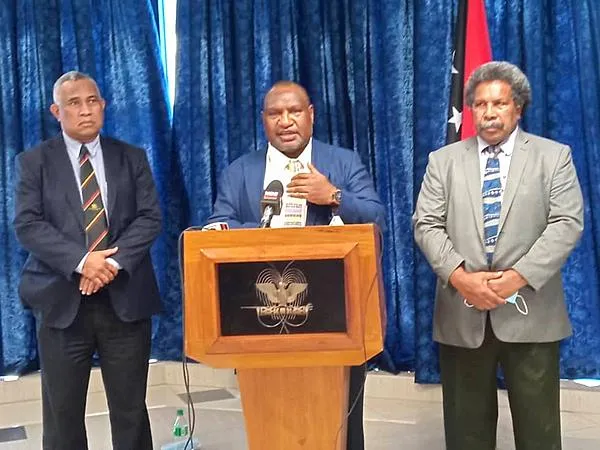
PM Marape made the remarks at Puma Energy's Napanapa oil refinery west of Port Moresby, to commemorate 14 million man-hours of incident-free operations at Puma Energy's locations around the nation over the previous seven (7) years.

“I am happy to be here today to witness and celebrate this world-class safety milestone achieved by Puma Energy PNG staff and its contractor staff.

“On your milestone achievement of 14 million man-hours without any lost time in the incident, think big and think positive, expand and promote the fuel and energy needed for our domestic customers,’’ he said.

“Let me thank Puma Energy and those of you who have been working diligently in the last two years when we were stressed through the COVID-19 pandemic.

“You remained at work and delivered to our country through your contractors, and the subsidiaries that work off the main Puma Company and I think the network of companies who feed off Puma Energy has been the beneficiary of the standard of safety and you have conducted yourself and you deserve special commendations.

“Going forward I would like to encourage Puma Energy in our country to also step out of where you are today. You are at a site in our country where it’s the first in as far as oil and gas business is concerned the first refinery in our country.

“You have acquired these assets and you have a feel of what it is all about and as a Government, my major focus going into the future and something that is critically important and to anchor our economy is the lower cost of power and lower cost of fuel in our country.

“We are looking for business partners who could assist us in filling this gap by finding solutions to lower the cost of fuel and lower the cost of power. And so I would like to take this opportunity to sound it out to people and Puma Energy, you are already here with us,’’ said PM Marape.

He stated that Puma Energy may collaborate with the government and others in the sector in a variety of ways.

“As a Government, we are on the search for partners who could assist us in lowering the cost of energy, more so fuel of all kinds whether its jet fuel, fuel for ships, fuel for cars and the costs of fuel, energy and power must come down in our country.

“There is no secret and that is the intention of my Government. That is why I am strongly advocating for a specific portion of our domestic market of gas and for us to ensure that domestic market gas is secured in new gas fields we sign up and or translate that to companies that are already in the energy space into cheaper energy and fuel.

“So at this juncture without imposing upon you Puma Energy being the major importer and processor of fuel in our country space is there for you and we look forward to partners who can be serious players in downstream fuel processing in the country,’’ he said.

PM Marape said that PNG produces oil and gas in the country and yet we have expensive fuel that is based out of Singapore pricing when we may be able to look for our own pricing.

“So Puma Energy that is something you can work in your board room and see whether you could be a partner of choice for us going forward.

“Whilst you do not have upstream gas and petroleum areas, you are already in the downstream area so how can you partner the Government and Government bodies like Kumul Petroleum, who are agents for seeking petroleum gas deals, you can fit in that gap as you have a refinery facility here and how you can utilize the gas and oil extracted locally here.

“I am encouraging you not to sell out and remain in our country going forward where some of our 10 million people will be needing fuel and energy and we need competition and a robust competition is good for our customers.

“I look forward to Puma Energy continuing to serve our country and clocking another safety man-hours.

“Congratulations to Puma Energy, your management, and individual workers for contributing to this milestone safety record,’’ said PM Marape.


Reference:

Department of Prime Minister and National Executive Council (1 July 2021). “PM Marape Encourages Puma To Promote Low Cost Fuel And Energy Supply”.


July 08, 2021

As part of their involvement in the battle against COVID-19, Prime Minister Hon. James Marape, MP has called on Japan, Australia, and New Zealand to open up an economic bubble with Pacific Island countries.

During the 9th Pacific Alliance Leaders Meeting (PALM), which was held online, the Prime Minister made this request. COVID-19, he added, was not just a health issue but also an economic issue in the Pacific Islands at this point.

“In Papua New Guinea we recognize that COVID-19 has had a strong negative impact on our economy,” Prime Minister Marape said.

“Speaking on behalf of my 14 other sister nations in the Pacific, especially those who are dependent on tourism or external trade, dependent on fisheries, agriculture and the export of our raw resources, who are totally exposed to the ravages and the damage COVID-19 is causing to our local economies, so we need international trading and commerce for our economies to function.

“Papua New Guinea, having recognized the need for our economy to be functional, has elevated

our COVID-19 response by way of the passing of a specific Act of Parliament called the National Pandemic Act that defines how we live, work, operate and trade.

“We have not closed our borders and we are still open for business to ensure our 10 million people survive COVID-19.

“At this juncture, let me thank Japan for your continued interventions and interest in our small Pacific Island nations. They are totally vulnerable and exposed to the contraction of the global economy and the close of international borders.

“Therefore I ask for your continued presence in helping us, not just in the area of health but more importantly, on how we can ensure trade and economy remains functional and relevant.”

Prime Minister Marape has urged Japan, Australia, and New Zealand to assist Pacific Island nations in keeping their economies afloat by functioning in a special trade and economic bubble that will allow our economy to weather the storm.

The Prime Minister also praised Japan's Prime Minister, Hon Yoshihide Suga, for his assistance to the area, as well as Australia, and New Zealand.


Reference:

Department of Prime Minister and National Executive Council (2 July 2021). “PM Marape calls on Japan, Australia and New Zealand to open ‘Economic Bubble’ with P

July 08, 2021

As the 12 smallest Pacific island countries (PIC-12) recover from the immediate shock of the (COVID-19) pandemic, the Asian Development Bank has endorsed a new 5-year strategy aimed at building resilience against economic shocks, delivering sustainable services, and promoting inclusive and sustainable growth.

The Cook Islands, the Federated States of Micronesia, Kiribati, the Marshall Islands, Nauru, Niue, Palau, Samoa, Solomon Islands, Tonga, Tuvalu, and Vanuatu are all members of the Pacific Approach, which runs from 2021 to 2025. Fiji and Papua New Guinea, which have larger economies, have their own national partnership plans that drive ADB activities.

“ADB’s work in the Pacific has evolved due to the massive changes brought on by the COVID-19 pandemic and this new Pacific Approach reflects those ongoing strategies while adopting a new and tailored approach to every element of our work in these countries,” said ADB Director General for the Pacific Leah Gutierrez.

“This new and tailored approach to our work is also motivated by the growing frequency and intensity of climate change and natural hazards in the region.”

The ADB will assist the PIC-12 in enhancing public financial management and health systems, as well as catastrophe risk mitigation and economic recovery, as part of the strategy's first goal of increasing resilience to shocks. The ADB will continue to fund essential energy, transportation, and urban infrastructure, as well as assist utilities in managing assets more sustainably, under the second goal of delivering sustainable services. The third goal, promoting inclusive growth, will see the ADB expand its private sector operations in the region, assisting the PIC-12 in strengthening their business environments, increasing access to finance for micro, small, and medium-sized businesses, and assisting in the development of social protection systems for the most vulnerable.

To address rising funding needs, the ADB's portfolio for the PIC-12 will rise from $568 million in 2015 to a projected $1.34 billion in 2021. The increased funding necessitates new approaches to ADB's portfolio implementation. As a result, the strategy focuses on increasing efficiency and sustainability while growing the portfolio and functioning in the particular operational contexts of tiny island developing states.

To achieve these goals, the strategy introduces new operational priorities, such as a new regional climate strategy, a growing focus on gender equality, increased procurement and contracting flexibility, and a greater focus on long-term capacity development for the public and private sectors across the region.

By taking a strategic, interdisciplinary, and whole-of-country approach to investments and sector planning, the strategy will enhance ADB's assistance for climate change and disaster risk management. By including gender considerations into project designs and fostering policy discourse on gender inclusivity, the Pacific Approach will improve gender equality in all 12 small island governments.

A new private sector plan for the region will be implemented by the ADB, with an emphasis on renewable energy, financial institutions, tourism, and fisheries. The Private Sector Development Initiative, co-financed by the Asian Development Bank and the governments of Australia and New Zealand, aims to reduce the cost of doing business by modernizing business laws, improving credit access, reforming state-owned enterprises, and providing support to women be part of the successful economy, 

Importantly, the strategy takes a longer-term approach to capacity building. All ADB support in the PIC-12 will involve capacity building. Capacity supplementation—the practice of posting long-term specialists in essential sectors—will also be introduced by the ADB to guarantee that expertise is preserved beyond the lifespan of a project.

Partnership development will continue to be a top goal. The ADB will continue to work with the Australian, Japanese, and New Zealand governments, as well as the World Bank and other development partners.

The Pacific Approach for the Years 2021–2025 was developed in close collaboration with Pacific governments, development partners, civil society, and the corporate sector. It reflects the aims of Strategy 2030, the Asian Development Bank's broad vision and strategic response to Asia and the Pacific's evolving requirements, and the bank's specific focus on small island developing nations and fragile and conflict-affected countries.

The Asian Development Bank is dedicated to building a prosperous, inclusive, resilient, and sustainable Asia and the Pacific while continuing to fight extreme poverty. It was founded in 1966 and is owned by 68 people, 49 of them are from the region.


Reference:

EMTV Online (1 JUly 2021). “ADB Endorses New Strategy for Pacific Small Island Developing States”.

July 08, 2021

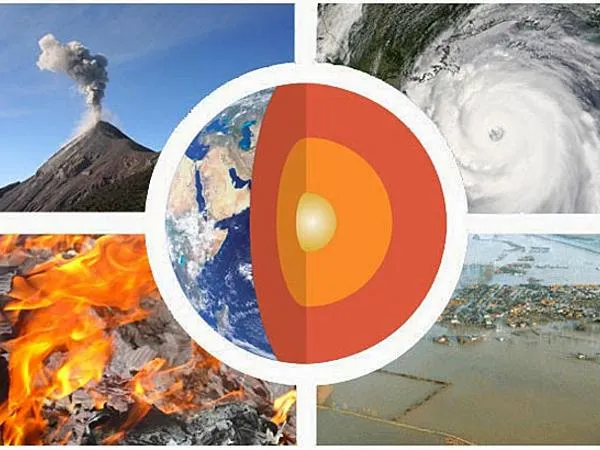
Secretary Harry Kore said the Department of Mineral Policy and Geohazards Management (DMPFGM) is putting up the country's Geohazards management policy.

Kore recently made the remarks during the commissioning of the Port Moresby Geophysical Observatory's new office expansion.

According to him, the policy covered the seismic component of the construction code.

“With that, we are trying to make it compulsory for those who construct infrastructure such as roads, buildings and all these to apply the earthquake loading standards,” he said.

“This is so that in the event of an earthquake the building does not collapse.

“The roads that you build must last up to 15 to 20 years.

“Right now we have roads being built and the next minute there are potholes and they patch them up with gravel and it continues.

“We want to get rid of that and the only way to do that is to apply the standards so that’s basically what we are doing with the geohazards management policy.

“We also have a lab standard operating procedure. We are trying to make use of that so we make it compulsory and any developer who wants to build infrastructure in PNG must come and get certification from us.

“We will talk to the banks, financiers and insurance companies and tell them to send them (developers) to us.”

The Chris McKee wing for the Port Moresby Geophysical Observatory, according to Kore, will be named after the DMPGM director who would be retiring soon.


Reference:

Luma, Dale. The National (5 July 2021). “Dept working on geohazards management policy”.

July 08, 2021

Bougainville's leaders have agreed to seek independence from Papua New Guinea no later than 2027.

In a referendum held in 2019, 97.7% of Bougainvilleans decided to separate from Papua New Guinea and become the world's youngest nation.

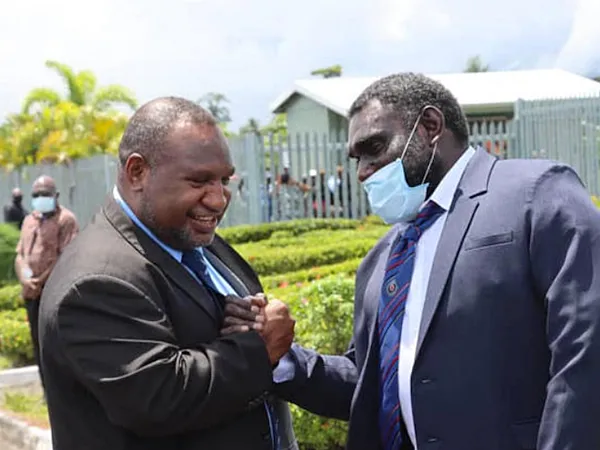
President Ishmael Toroama of Bougainville and Prime Minister James Marape of Papua New Guinea met in the Highlands town of Wabag Wednesday to try to reach an agreement on a path forward.

Toroama had earlier stated that he wanted Bougainville to be independent by 2025, but the two parties have now agreed on a timeline for the transfer of certain powers by 2023, followed by full independence in 2027.

In addition, the PNG government has agreed to hold national discussions on the subject.

Here is the Joint Statement on the Second Joint Inter-Government Consultations, Wabag, Enga Province:

“The Government of Papua New Guinea (National Government) and the Autonomous Bougainville Government (ABG):

Acknowledge the requirements of s.342 of the National Constitution for both the National Government and the Autonomous Bougainville Government to consult on the results of the Referendum;

Acknowledge that the first consultation was held on 18th and 19th May 2021 at Kokopo, East New Britain Province, and that the Referendum results of 97.7% choice for separate independence was tabled at this consultation;

Acknowledge that the Bougainville Independence Consultation Team tabled in the Kokopo Consultation, the Year "2025" as the year for the Declaration of Bougainville's Independence;

Acknowledge that the Kokopo Consultations agreed to consult on a joint roadmap in the second consultation;

Acknowledge that the second consultation was held in Wabag on 6th of July 2021;

Consulted on the joint roadmap that will guide the post-referendum process;

Acknowledge that the process needs to be agreed upon to decide the final political settlement.

We agree to:

Continue to consult and develop clarity on establishing the constitutional and parliamentary pathway for the tabling of the results of the Referendum, the outcome of the consultation to give effect to the results of the Referendum and the outcome of the Consultations, and the pathway consequential to the outcome of the National Parliament's decision.

Take all actions necessary to process an endpoint which is the culmination of all the activities that flows from the constitutional amendments give effect to the National Parliament's decision.

Take immediate actions which are focused on the full implementation of the Bougainville Peace Agreement subject to the National Constitution, with a focus on completing outstanding tasks under the pillars of the Bougainville Peace Agreement, including the implementation of the Sharp Agreement to support the economic growth of Bougainville to ensure that Bougainville is in a position to effectively and efficiently manage its own economic affairs in preparation for a political settlement.

Allow the National Government to undertake national consultations across Papua New Guinea on the outcome of the Referendum, noting that the constitutional amendments which would have been set in motion by the signing of this Statement will need to be enacted to give effect to Bougainville's final political status.

Determine a political settlement no earlier than 2025 and no later than 2027 guided by an agreed joint roadmap.”


Reference:

RNZ (8 July 2021). “2027 target date for Bougainville independence”.

July 08, 2021

Image: By Kate Uvia

David Kavanamur, chairman of Kumul Consolidated Holdings (KCH), said the company has a good understanding of the financials and debt structure of state-owned companies (SOEs).

He said this in response to an update on SOE reforms, which included the situation of SOEs that had struggled to be profitable for the previous 20 years.

“We feel that we are getting a good handle on the current status of SOEs’ financials and debt structures with a view to restructure debt and recapitalise the business,” he said.

“We have completed our five-year SOE strategy which will go to Cabinet before release.

“As pointed out, the status of SOEs has been well known for the last 20 years and there is no surprise.

“The only surprise will come when we turn them around and we have just started on that journey.”

KCH managing director Isikeli Taureka previously stated that SOEs' total assets were about K6 billion, but only about K65 million was paid out in dividends each year and that SOE reforms were in the works to address this.

Taureka stated that the government was trying to sell non-profitable businesses.

He stated that the National Executive Council (NEC) had approved the sale of non-core state-owned companies that did not generate any money.

According to Taureka, the NEC had authorized the change, which was backed by the Asian Development Bank with a loan of K500 million over three years.

The NEC decided on SOE reform as well as debt-free financing.

“The NEC decisions allow us to go through the reform, selection process, better boards, better management selection process, returning to a sound financial footing and delivering services,” Taureka said.


Reference:

Luma, Dale. The National (7 July 2021). “Kavanamur: State entities scrutinised”.

July 08, 2021

Pacific Trade Invest Australia has assisted 109 firms in PNG, 47 of which are managed or controlled by women, facilitating K2 million in exports and K45,519 (A$17,120) in investment transactions.

This was just reported in the Pacific Trade Invest annual report 2020.

Caleb Jarvis, PTI Australia's Trade and Investment Commissioner, stated in the annual report:

“Within a week, we reconfigured our programs across trade, investment, tourism and labour mobility to virtual and hybrid formats, finding new ways to help businesses – like access to digital resources.

“Collaborating with our global PTI network and 25 partners then allowed us to deliver $20.04 million in exports and $2.73m in investments.

“We’ve fostered private sector sales to the Australian market and helped drive inter-regional trade, and initiatives like our Impact Support Program have provided businesses with the tools they need to adapt, maintain and expand their operations.

“In a year where COVID-19 closed international borders, interrupted trade routes and caused devastating financial effects on the people and economies of the Blue Pacific, we pivoted to support 582 businesses across 16 countries in 2020, almost one-third of which were women-led businesses.”

In a session with journalists covering the COVID-19 economy, Jarvis revealed that according to the May 2021 Pacific Business Monitor, women are having a harder time than men, with 56 per cent of female businesses reporting barriers that prevent them from implementing initiatives to support their businesses, compared to 47 per cent of male businesses.

Businesses are surviving by decreasing operating expenses and working hours, according to him, while 50% of companies are establishing new income sources.

“We’ve also worked in the creative industry space for a lot of years.

My passion project has been helping to export bilum from PNG to international markets because we know generating a little bit of income goes a very long way for some of those women and they are women in need as well.

“I’m thankful to the international distributors that we’ve been working with throughout Covid-19 as they have continued to buy a lot of bilum, in particular, that‘s the one that I’m closest to,” he said.

PTI has partnered with three worldwide distributors to offer PNG bilums in Australia: Among equals, Bilum & Bilas, and Real Impact.

“Importantly we’ve learnt that the impact on each country and on each business was different and unique.

And as someone said to me, whilst the Pacific was all caught up in the same storm, each country was trapped in its own unique boat.

Pacific island people have been extremely resilient by relying heavily on their families and communities and there is a strong need for further diversification and especially for those countries and communities that rely heavily on tourism.”


Reference:

Yafoi, Melisha. Post-Courier (7 July 2021). “PNG Business Exports Aided By PTI Earn K2M”.

July 08, 2021

Photo Credit: Centre for Excellence in Financial Inclusion Facebook Page

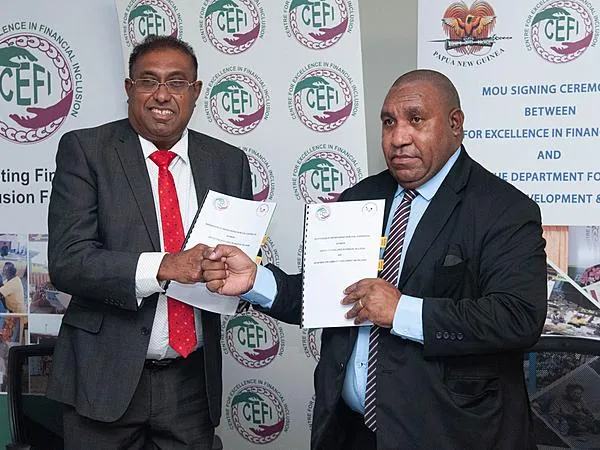
The Department of Community Development and Religion's Informal Economy Section recently signed a Memorandum of Understanding (MOU) with the Center of Excellence and Financial Inclusion (CEFI) that will provide a new collaboration pathway for training and education of Informal businesses and vendors in order to help them graduate and grow into the SME Sector.

The cooperation agreement signed by interim Department Secretary Jerry Ubase and CEFI Executive Director Saliya Ranasinghe would pave the way for joint efforts in providing individuals with Financial Literacy and Financial Inclusion Training through the District Community Development Centre (DCDC).

Ubase praised CEFI's work with the department on behalf of Minister Wake Goi, and spoke about how the relationship will benefit the lives of participants in the Informal Economic Corridors.

“My department recognises and embraces partnership and collaboration in delivering protection and empowerment services to people.

“This MoU signing is yet another milestone to assist the government of the day to achieve its vision of growing the economy through informal business and SME.

“As a responsible government department, we will continue to create dialogue and partnership with stakeholders such as CEFI to create an enabling environment for people in the informal economy to access necessary services,” Ubase said.

Warren Marape, Acting Deputy Secretary, Community Development Division, described the MOU signing as a big step forward for the Department in addressing the country's financial literacy needs.

“The participants in the informal economy are in a dire need of this service so they can venture into SME.

“And we will make sure to deliver this significant program at the DCDC beginning with Imbonggu after the official opening on September 17, 2021.

Saliya Ranasinghe, CEFI's Executive Director, commended the department for partnering with them (CEFI).

“The diverse setup of financial institutions is meant for people to partner with and everyone has to patronise that.

“To do that, Financial Literacy is the first step to moving towards your financial goals and direction.

“We are looking forward to working closely with the department to push the goal of transiting the participants at the informal sector into the formal sector,” Saliya said.

Representatives from the North Fly District Development Authority, the Imbonggu District Development Authority, the media, department officials, and CEFI were present during the signing of the MoU at Sambra Haus in Port Moresby.


Reference:

Salmang, Grace Auka. Post-Courier (7 July 2021). “MOU by CEFI And Department To Boost Informal Sector”. 

July 02, 2021

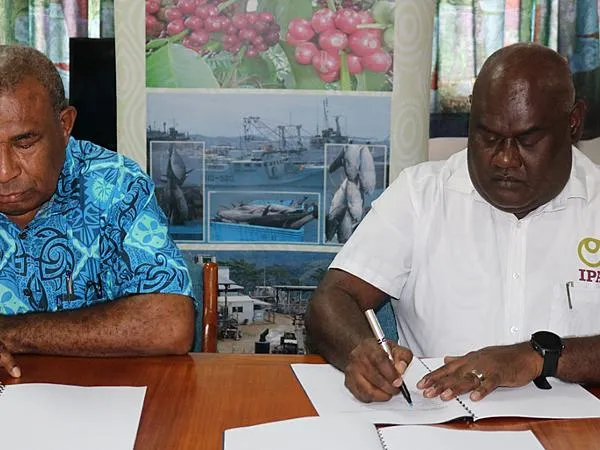
The Investment Promotion Authority (IPA) has signed a Memorandum of Understanding (MOU) with the Fraud and Anti-Corruption Directorate (NFACD) to share information to address issues of the Anti-Money Laundering and Counter Terrorist Financing (AML/CTF) including fraud.

In a small but significant event at the IPA Haus, the MOU was signed by the IPA Managing Director Mr. Clarence Hoot and Director of the NFACD Mr. Matthew Damaru.  

In signing the MOU Mr. Hoot expressed the significance of the MOU stating that the partnership was enormous in terms of both Organization’s roles in promoting transparency and accountability. Mr. Hoot said there is already ongoing working relationships between the two Organizations and this is merely to formalize this collaboration.

Under the Government’s efforts towards addressing the AML/CTF issue, a Committee co-chaired by the Department of Justice and Attorney General and the Bank of Papua New Guinea, comprising relevant Government Agencies was set up to develop work plans to address the agenda. The Committee consists of IPA, the Royal Papua New Guinea Constabulary (RPNGC), Internal Revenue Commission, the Bank of PNG and Treasury Department to name a few. One of the action items of the Committee is to sign MOUs with other Government Agencies to share information to facilitate their work including investigations. The MOU signing was part of the IPA and the RPNGC’s commitment towards implementing the action items.

Director Damaru clarified that information sharing under the MOU will be restricted to those that relevant laws allow for the custodians to release. He said that any other information requested will have to be released after appropriate legal processes have been followed.

The IPA believes in collaborative work with other key agencies to ensure that companies and relevant individuals are conducting business responsibly and in compliance with all relevant laws in the country.

It is also inviting other Agencies to contact its Office to discuss possible partnerships. 
July 02, 2021

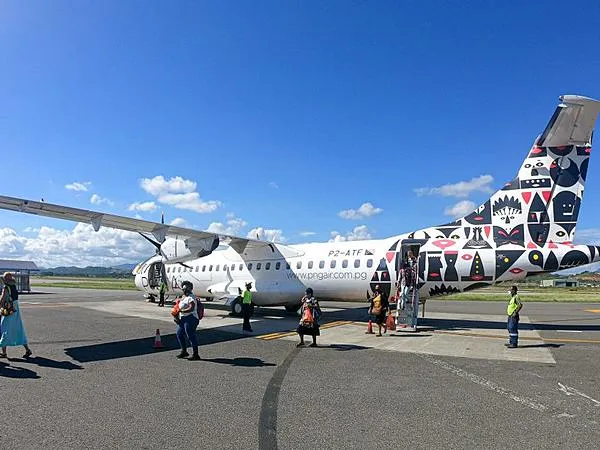
According to Civil Aviation Minister Sekie Agisa and Transport Minister William Samb, the aviation industry is critical to the country's tourism and economic development.

The aviation sector, according to Agisa, is a catalyst for social and economic activity by facilitating the flow of people and products.

Aviation, he added, is critical to numerous businesses, including tourism and trade, as well as employment creation, productivity improvement, and a country's well-being.

COVID-19, he said, had had a significant impact on aviation safety and security, and the aviation industry will continue to respond and recover from COVID with the goal of rebuilding the tourism and trade industries not only in PNG but also in other Pacific Island nations, with the help of other ministries and other Pacific Island ministers.

Minister of Transport and Infrastructure William Samb also stated that the tourist sector has been severely impacted, and that aviation plays a significant role in strengthening the industry and contributing to economic growth.

He explained that due to flight limitations, particularly foreign flights, which have resulted in a decrease in the flow of people into and out of the country, tourism and trade have suffered.

The benefits that the aviation sector brings into the nation have been identified, according to Samb, and the aviation industry will be ready to contribute to PNG's economic recovery.


Reference:

Kamus, Maxime. Post-Courier (1 July 2021). ‘Aviation Vital to Tourism and Economic Building’.

July 02, 2021

Photo Credit: World Bank Group


The World Bank Board of Executive Directors recently approved a US$100 million (PGK 352 million equivalent) operation to support Papua New Guinea in its response to COVID-19, and to lay important foundations for a sustainable recovery.

With Papua New Guinea’s economy entering the COVID-19 crisis with limited resilience to external shocks, the pandemic has led to a sharp economic contraction, higher unemployment and considerably more Papua New Guineans falling into poverty, particularly women and young people.

The Papua New Guinea Crisis Response and Sustainable Recovery Development Policy Operation aims to strengthen PNG’s health system, support livelihoods of vulnerable households and small businesses; and lay vital foundations for a more sustainable economic recovery.

“There’s no denying that the COVID-19 pandemic has had a severe impact on our country,” said Papua New Guinea Minister for Treasury, Hon. Ian Ling-Stuckey. “However, we have been proactive in taking steps to lay out a clear recovery plan to help stabilize the economy, maintain frontline health services and provide support to the business sector especially those in the MSME space among others.

“Beyond the COVID crisis, the Marape Government has made a firm commitment to resume fiscal consolidation to ensure fiscal and debt sustainability and this operation is a strategic partnership with the World Bank to achieve this.”

Stefano Mocci, World Bank Country Manager for Papua New Guinea said “Globally, the COVID-19 crisis has tested the resilience of many economies; and PNG is no exception.

“To prepare PNG’s economy for a sustainable recovery, this operation supports the PNG Government’s efforts to strengthen the country’s medium-term fiscal and debt sustainability, improve the efficiency of the financial sector, ensure more people – particularly PNG’s most vulnerable families and communities – have better access to the finance, and to address the impacts of climate change.”

This financing will help safeguard routine health services while delivering the rollout of COVID-19 vaccinations, help provide financial assistance to micro, small, and medium-sized enterprises (MSMEs) for job protection and ease the tax administration burden on small businesses.

It will also support the government’s commitment to ensure fiscal and debt sustainability, enhance women’s voice and opportunities in decision making, improve financial sector efficiency and financial inclusion, and prepare PNG for the impending impacts of climate change.

Beyond the current crisis, the World Bank operation is closely aligned to the PNG Government’s National Plans, and will support the PNG Government’s commitment to resume much-needed fiscal consolidation in the post-crisis period, to address key structural challenges of fiscal and debt sustainability.

The operation is in line with the World Bank Group’s Country Partnership Framework for Papua New Guinea 2019-2023, and will be delivered through a highly concessional credit through the International Development Association (IDA), the World Bank Group’s fund for the world’s most in-need countries.

The World Bank is working in close coordination with key development partners, including the International Monetary Fund, the Asian Development Bank, the Australian Government, the Japan International Cooperation Agency, and the United Nations to boost support for Papua New Guinea’s resilient recovery.

The World Bank works in partnership with 12 countries across the Pacific, supporting 85 projects totaling US$2 billion in commitments in sectors including agriculture, aviation and transport, climate resilience and adaptation, economic policy, education and employment, energy, fisheries, health, macroeconomic management, rural development, telecommunications and tourism.
July 02, 2021

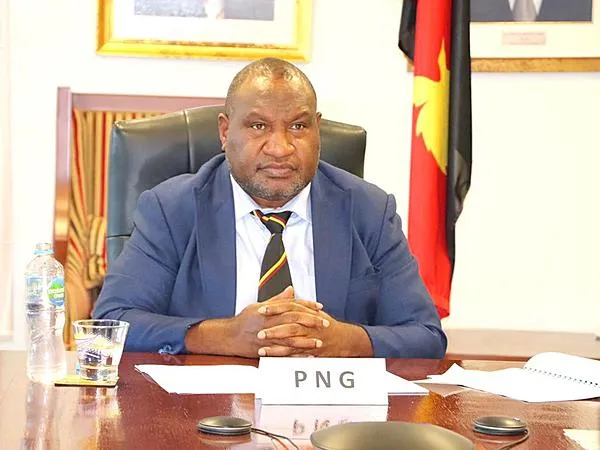
Hon. Yoshihide Suga, Japan's Prime Minister, has stated that his country will support Papua New Guinea's electricity initiative, supply road building equipment, and assist with a 30-billion-yen (K1 billion) emergency loan.

During a virtual online bilateral summit between the two leaders, he offered this promise.

“As part of our cooperation, we will move forward with the electrification progression,” PM Suga said.

“The Japanese Government has also decided on the provision of construction equipment for road maintenance and improvement.

“I hope that our emergency support loan (signed for in March 2021) will contribute to economic recovery in Papua New Guinea.”

PM Suga also requested PNG's assistance in the operation of Japanese fishing vessels, the recovery of the remains of Japanese troops slain in WWII, and Japanese companies' participation in the Papua LNG project.

PM Marape praised Prime Minister Suga, the Japanese people and government, and Emperor Akihito for "continuing to guarantee that PNG remains a lasting ally of Japan."

“We’re blessed abundantly with the good relationship we have with the people of Japan and the Government of Japan thus far,” he said.

“Lately, in our COVID-19 induced hard times, Japanese Government and people have stepped in.

“Let me make special mention of Foreign Minister Motegi, who visited us last year.

“He was the first foreign affairs minister or leader to visit Papua New Guinea during COVID-19.

“On the back of that visit, your Government, your people, gave us over K1 billion worth of direct support to our Budget.

“That was able to keep us going during this tough time, and I very much appreciate this on behalf of the people of Papua New Guinea.”

PM Marape also thanked Japan for assisting PNG with COVID-19.

He stated that PNG's second-largest airport, at Nadzab, Morobe, will be renamed "PNG-Japan Friendship Airport," thanks to funding from the Japanese government.

PM Marape expressed gratitude to Japan for supporting the power system from Yonki in the Eastern Highlands to Lae, as well as additional help in areas like education.

“Let me thank you (Japan) for all your interventions,” he said.

PM Marape announced he will attend the  Japan-Pacific islands Leaders’ Meeting (PALM).

He also promised Japan that PNG will help it in issues with North Korea and other international concerns, as well as in the recovery of WWII troops' remains.

PM Suga stated that Japan will host the Olympic and Paralympic Games next month, and that he is looking forward to PNG's participation.

PM Marape said Japan was a key partner for PNG, importing LNG, tuna, agricultural goods, wood, and other items, and that the country "looked forward to a continuing cordial partnership with Japan going ahead into the future."


Reference:

Department of Prime Minister and National Executive Council (29 June 2021). “Japanese Prime Minister assures PNG of continued support”.

July 02, 2021

Photo Credit: Post Courier 

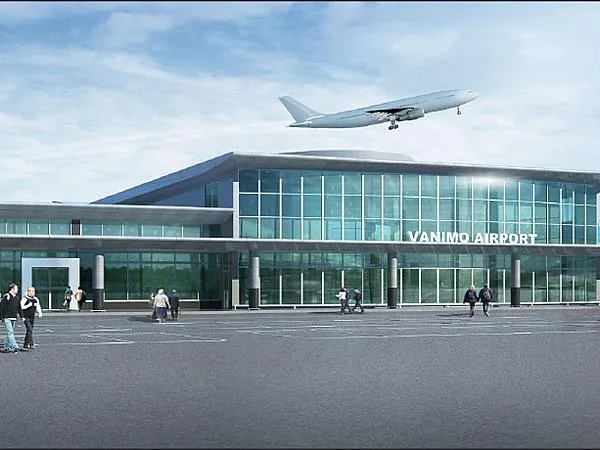
Since 2014, the Civil Aviation Development Investment Program (CADIP), which is conducted by the National Airports Corporation, has been giving the Vanimo airport in West Sepik Province a substantial facelift.

Aside from the continuing new infrastructure projects at the airport, the construction of a new terminal building is expected to finish in November.

The new terminal accompanies a 300-meter runway expansion that was just completed.

The new runway, which was finished in November 2020, is 1960 meters long and allows unrestricted operations of Fokker 100 or comparable aircraft.

China Railway Construction Engineering Group Co Ltd was awarded this project in November 2018, and work began on April 4, 2019.

The new airport terminal will cost K23.6 million to build and is expected to be finished in October 2021.

The total cost of the project, which includes the runway expansion and the new terminal, is K59.6 million.

The new terminal was developed by China Railway, which is also rebuilding the Kavieng airport in New Ireland Province, and so has a track record in the construction industry.

According to the Economic Internal Rate of Returns (EIRR) analysis on the Tranche 2 and Tranche 3 projects under CADIP, Vanimo, as the gateway to the PNG-Indonesian border, the improved airport facilities will result in an increase in the number of flights and the number of people engaging in tourism and business activities in the province.

The facility will have a VIP lounge, departure lounge, passenger check-in desks, arrival lounge with luggage conveyor belt, baggage screening machines, and restroom facilities, to mention a few.

The new terminal will be larger, with a holding capacity of more than 100 people, than the previous terminal, which was built more than 30 years ago and was relatively tiny, with a holding capacity of just 30 people, and has since deteriorated.

Despite the obstacles provided by COVID-19 and other circumstances over the last year, work on the new terminal has progressed at an outstanding rate.


Reference:

Post-Courier (29 June 2021). “Vanimo Airport Gets K59.6 Million Facelift”.

June 28, 2021

Chairman Sir Rabbie Namaliu of Kina Asset Management Ltd (KAML) said the company has halted its investment program in Australia until the impact on economic conditions is better understood.

He informed the annual general meeting that Australia's reaction to the Covid-19 epidemic had been one of the most stringent in the world, involving international and state border restrictions as well as lockdowns.

“As a result, the company suspended its investment programme in Australia until the impact on economic conditions became more certain,” Sir Rabbie said.

“The company’s Australian investments reported capital losses of K3 million for the year, and dividend income fell from to 0.9 million in 2019 to K0.6 million in 2020.

“However, the Australian dollar rose strongly against the PNG kina during the year, and foreign currency gains of K6.3 million were recorded,” he said.

“The company’s shares again traded in very light volumes during 2020 and closed at year-end at a price of 95 toea per share.

He said that this was a 40% discount to the company's net tangible asset backing of K1.59 per share, and that it did not reflect the company's past performance or the quality of its underlying assets.

Sir Rabbie added that in the present year, a combination of fiscal and monetary stimulus, as well as quick progress in immunization programs, has resulted in a robust comeback in economic growth in most developed nations.

“In Australia, the success of Federal and State governments in controlling the pandemic appears to have led to some slowness in easing restrictive measures when compared with their counterparts in the US and Europe. Global share markets have continued their recovery.

“For the five months to May 31, 2021, the main stock indices in the US, Europe and Australia have all risen strongly: in the US, the S&P 500 index has risen 11.3 per cent; in Europe, the Euro Stox index is up 13.7 per cent; and in Australian, the ASX 200 has risen 8.7 per cent.

“For the year to May 31, 2021, the preliminary return on the company’s investments was 9.7 per cent, and the NTA has increased to K1.68 per share.”


Reference: 

The National (24 June 2021). “Firm suspends investment in Aust amid pandemic”.

June 28, 2021

According to Australian High Commissioner Jon Philp, Australia aims to provide high-quality infrastructure for PNG, generate employment, and upskill locals.

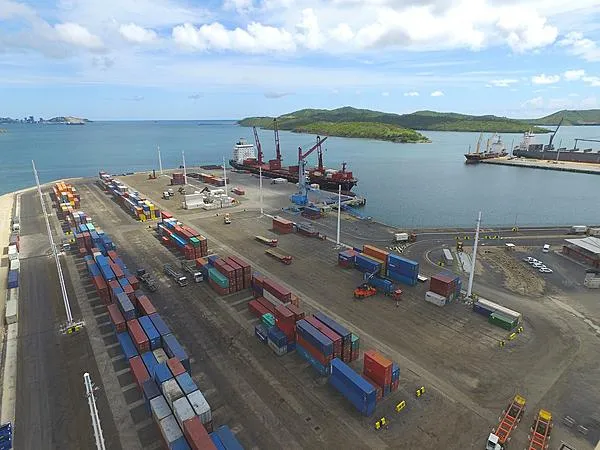
His administration recently announced that it will invest K1.1 billion (US$300 million) to improve and repair all marine facilities owned and maintained by PNG Ports.

In Port Moresby, Philp signed an agreement with State Enterprises Minister William Duma and PNG Ports chairman Kepas Wali, signalling Australia's commitment to the development of PNG's marine infrastructure sector.

He stated that Australia was pleased to help PNG improve its marine infrastructure in order to enable commerce and boost national development.

PNG's Prime Minister James Marape, who was also there, said the country has sought Australia for help in renewing and improving its ports.

Duma praised Australia for prioritizing local jobs and business engagement in whatever project it supports.

“The foundations of most of our ports were built during the colonial and Pacific War era by the Australians, and it is appropriate that we now come together to jointly collaborate to plan for the rehabilitation of critical infrastructure,” he said. 

The 30-year ports infrastructure master plan, Philp said, presented a "great opportunity and platform" for Australia to assist PNG's infrastructure development goals.

Wali praised the board and management of PNG Ports for their dedication and assistance in ensuring that any work sponsored by Australia will be done in a transparent and high-quality way. He was pleased that PNG Ports had the chance to prepare a financing proposal for projects that will modernize the country's ports and benefit the people.


Reference:

Kero, Gynnie. The National (25 June 2021). “K1bil for ports upgrade”.