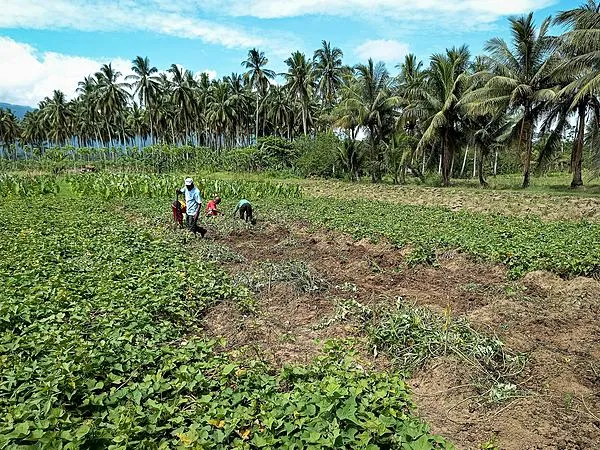
In a significant move to bolster its agricultural sector, the Eastern Highlands Provincial Government unveiled its K432 million 2024 budget, emphasising a strategic pivot towards agriculture with the objective of diminishing reliance on imported staples such as rice. This initiative was highlighted during the budget presentation to Prime Minister and Treasurer, Hon. James Marape, on Tuesday, March 5, 2024, by Eastern Highlands Governor, Hon. Simon Sia, alongside Unggai-Bena MP, Hon. Kinoka Feo, Provincial Administrator Allen Los, Deputy Administrator Michael Mogia, and key provincial administration officials.
Prime Minister Marape commended Governor Sia and his team for aligning the provincial budget’s focus with the national government’s agricultural priorities. He underscored agriculture’s pivotal role in achieving food sustainability, curbing capital outflow through importation, and enhancing foreign exchange through local production.
“The food production sector presents the most immediate opportunity for import replacement, particularly given the Eastern Highlands’ traditional agricultural strengths. I commend your leadership for elevating the national focus on economic growth through agriculture,” Prime Minister Marape stated.
The 2024 Eastern Highlands budget totals K432,083,300, with K49,355,400 generated internally. Despite a 10% reduction in the National Government’s contribution, Governor Sia remains optimistic about the province’s self-reliance and its strategy to navigate financial constraints.
Significant allocations within the budget include K160 million and K130.6 million for the establishment and operation of key economic projects such as coffee downstream processing, chicken hatchery and feed mills, along with rice, mushroom, and livestock initiatives. These projects, though costly to initiate, promise substantial returns, with gross income from coffee processing and poultry projects projected to reach K1.4 billion after one year.
The province has already seen success with the introduction of Juncao rice and mushroom projects, facilitated by the Chinese technical agency Juncao. These products are now available locally, with plans underway to expand production through additional land acquisitions.
Governor Sia expressed gratitude towards Prime Minister Marape for recognising Eastern Highlands as an agricultural hub by assigning the Agriculture Ministry to Obura-Wonera MP, Hon. John Boito. He emphasised the province’s significant contribution to the country’s coffee exports and its potential for further growth.
Governor Sia also highlighted the Connect PNG programme’s role in improving infrastructure and facilitating agricultural development through the construction of nine coffee roads spanning 850km in the province, underscoring the critical need for accessible transportation for farmers and the efficient movement of produce.
The Eastern Highlands Provincial Government’s 2024 budget marks a strategic shift towards agricultural development, aiming to enhance self-sufficiency, reduce import dependency, and foster economic growth through strategic investments and projects in the sector.
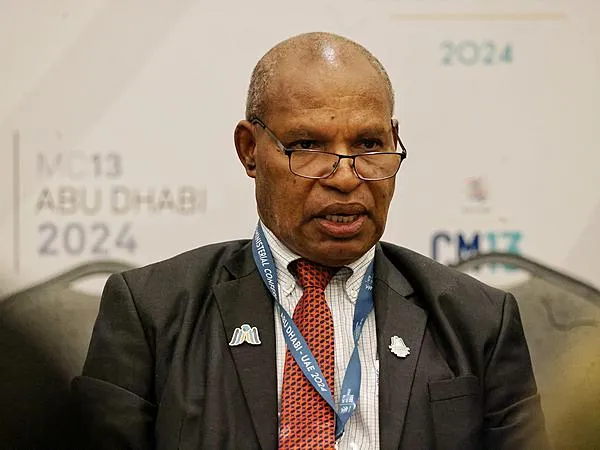
The Minister for International Trade and Investment, Hon. Richard Maru in his statement to the World Trade Organization (WTO) on the Fisheries Subsidies Agreement which had been discussed for many years said the Pacific Region had every reason to be concerned about the future of the fisheries industry because 50 per cent of the world’s tuna supplied by the Pacific Island States, with PNG accounting for 10 percent of the world’s supply.
“For the Pacific, we are concerned about overcapacity and overfishing because of the harmful effects that it will have in depleting all our fisheries resources, hence we cannot allow anyone to destroy the industry. The Fisheries Subsidies Agreement must safeguard the interest of the Pacific Region not only because we own and supply 50 per cent of the world’s tuna but because most of our island countries’ only renewable and sustainable resource is their fisheries resources. We cannot continue to allow a fisheries regime where few distant water fishing nations continue to exploit our resources in an unsustainable manner by proving subsidies that result in overcapacity and overfishing. Destroying our fisheries means destroying the lives of our people, destroying our current and future generations, destroying our economies, and destroying our livelihood. We will ratify the Agreement only when we are happy with the text because it is our responsibility as the custodians of the healthy fishing stocks on earth to make sure that it is responsibly harvested so that the world will continue to have fish supplies now and into the future,” said Minister Maru to set the context of his statement yesterday at the WTO 13th Ministerial Conference (MC13) in Abu Dhabi, United Arab Emirates.
Minister Maru fully supported the statements made by Fiji and Samoa who spoke on behalf of the Pacific ACP Member States and also thanked Australia, India, Bangladesh and the African nations for strongly supporting the position of the Pacific Island States and for their appeal to the WTO to hear the plight of the Pacific Island nations.
“For us the bottom line is this: Papua New Guinea and all our Pacific Island States continue to demand that the Additional Provisions must include a standstill and a rollback for the top subsidizers which mirrors the commitment we have all made in Sustainable Development Goal (SDG) 14.6. In W10 this would be a new A.1.1(d). Without a standstill and rollback for the Tier 1 members, the negotiations will be a failure,” said Minister Maru.
Minister Maru further stated: “We appreciate the negotiations, however, there are several pertinent issues that I wish to raise regarding disciplines to Overcapacity and Overfishing in Article A, Special and Differential Treatment in Article B and Transparency and Notification in Article C. If we are to deliver on SDG 14.6, we need a pragmatic, concise and credible agreement that will eliminate certain forms of subsidies that contribute to Overcapacity and Overfishing. The most harmful subsidies are the ones that keep distant water fleets at sea. Yet we see the watering-down of the text to reflect a select few distant water fishing interests. Firstly, Article A.1 does nothing to reduce the level subsidies. It requires measures that aim for sustainability, but it does not require actual sustainability. A proposed text for a standstill and rollback has been submitted to the Secretariat. These would require minor amendments to C.4 and C.5 to add the base year of 2023. A.2 is currently the only article that addresses the economic harm of subsidies. It needs to survive. Without it, the Pacific is being punished for having the sole remaining sustainable tuna fishery. Distant water interests are being subsidised to exploit our waters. Footnote 16 is also essential to clarify the meaning of A.2. Secondly, Article B – there is still an imbalance between effective disciplines on subsidies contributing to overcapacity and overfishing on one hand, and appropriate and effective special and differential treatment on the other hand because it does not take into account our special and unique circumstances - it does not meet our interests on small scale fisheries with no clear definition to demonstrate its characteristic and features to be fishing more or less that its contribution to OCOF is unjustifiable; it falls short on the mandate to accord appropriate and effective SDT principle. This Agreement must not prevent Small Island Developing state members from using subsidies to develop its fishing fleet. This includes exemption on disclosure of pricing of fishing access through allocation of licences, fishing rights or quotas which are important fisheries management tools. In doing so, we strongly view larger subsidizers should be excluded from B.5. In relation to Article C, we continue to propose the deletion of paragraph (iii). I conclude by reaffirming Papua New Guinea’s commitment to reaching an outcome in the fisheries subsidies negotiations so we can have an agreement.”
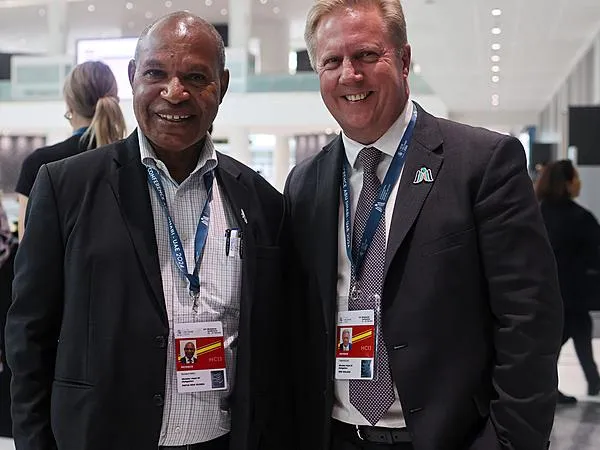
The Minister for International Trade and Investment, Hon. Richard Maru and the New Zealand Minister for Agriculture, Hunting and Fishing, Forestry, and Trade, Hon. Todd McClay have agreed for a small Papua New Guinea (PNG) delegation to visit New Zealand in the last week of April to hold high-level trade talks. The two Ministers agreed on this in their meeting recently at the margins of the World Trade Organization (WTO) 13th Ministerial Conference (MC13) in Abu Dhabi, United Arab Emirates (UAE).
Minister Maru said the visit to New Zealand in April will be to learn from the experience of New Zealand’s capital market industry and seek New Zealand Government’s support to transform the Securities Commission of PNG and the capital market industry of PNG. Apart from the capital market industry, the PNG delegation will also visit the chicken and dairy farms in New Zealand and invite the New Zealand investors in these industries to invest in PNG.
“We want to look at New Zealand’s chicken industry and invite the New Zealand investors in this industry to come and invest in PNG because we still continue to import an estimate of over K100 million worth of chicken annually and this results in loss of jobs and revenue for our MSMEs, SMEs, and our industry. We want to stop that. We also do not want to be exposed to the risk of imported chicken diseases like the Avian Influenza and others. We want to produce enough day-old chicks to supply the entire need of our nation, our farmers, and our industry so we are able to produce enough chicken locally to meet the growing demand for chicken. We also want to meet and invite some potential New Zealand investors to invest in our Special Economic Zones,” said Minister Maru.
Minister Maru added: “We also want to meet the Indigenous Maori Commission to discuss and learn about how indigenous Maori businesses are doing business in major industries. This is a lead-up on part of our preparations to host our first PNG Indigenous Business Summit in August this year at Kokopo, East New Britain Province. We really want to learn from the success of Maori indigenous businesses and also consider inviting some of them to be the speakers at our PNG Indigenous Business Summit.”
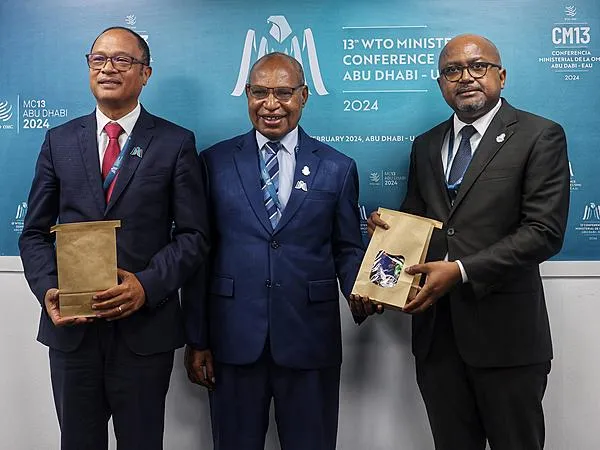
The Trade Ministers for Papua New Guinea (PNG), Madagascar, and Comoros have agreed in their three-way bilateral meeting that they would work together to establish a world association for vanilla growing nations. The meeting was held in Abu Dhabi, United Arab Emirates (UAE) on the margins of the World Trade Organization (WTO) 13th Ministerial Conference (MC13). This association is proposed by Madagascar which is currently the world’s leading vanilla producing country leading the global market with over 60 per cent of exports and generating approximately USD1 billion a year for the country. Madagascar has over 1 million vanilla farmers out of their population of almost 30 million people.
Madagascar Minister for Industrialization, Trade and Consumption, Hon. Edgard Razafindravahy said: “This organization will address the issue of price instability, sustainable development of the industry, threats to the value chain, search for new markets, and production of natural vanilla to consumers around the world. The creation of the organization will make it possible to establish a mechanism for setting prices according to quality and in terms of sustainable development, the organization will promote sustainable practices that will not only guarantee vanilla quality but also fair income for farmers. Through this organization we can also strengthen the value chain which includes development of strategic partnership, search for new markets for natural vanilla, and development of the vanilla industry. The organization will also be a powerful tool for promoting natural vanilla worldwide and raising consumer awareness on responsible vanilla consumption.”
PNG Minister for International Trade and Investment, Hon. Richard Maru said PNG was keen to join the association as one its foundation members if the association would look at increasing prices for the farmers to encourage them to plant vanilla and grow the industry on a long-term sustainable basis instead of the constant too frequent fluctuations which has been very discouraging for our farmers in PNG. Minister also asked Madagascar as the world’s leading vanilla producing country to assist PNG by proving technical support in terms of farmer training, improving quality of vanilla, and helping to build the industry in PNG.
Minister Maru said: Compared to Madagascar, PNG is a small producer of vanilla. Based on recent research, PNG is estimated to produce 495 tons of vanilla a year which equates to 10 per cent of the global vanilla supply and the vanilla market in PNG was valued at K29.9 million in 2023. We have a lot of scope for increase in terms of our production of vanilla but the issue that have really undermined the growth of the industry is price instability and regular price fluctuation which has made it difficult to maintain farmer interest. Unlike cocoa and coffee where we have the world market prices, vanilla prices fluctuate too often and therefore it is not attractive for farmers and this is a challenge that hopefully the organization that is being initiated will support so we can maintain high prices in order to maintain the farmer interest at all times. The other area is quality- higher the quality the better the price. We need processing technology to maintain quality at the highest level and the farmers need to be trained so they do not harvest the beans when they are not ready to be harvested. Another issue is the market for our vanilla. In PNG, we have a land border with Indonesia, so our farmers just walk across the border and sell the beans to Indonesian buyers, but they do not know if they are selling their vanilla beans at the correct price or not because they are not aware of world market prices, who is offering what prices, and how to access those global markets.”
Minister Maru further stated: “This association is only worth forming if the volume and demand for natural vanilla will grow because the most serious threat to the growth of the industry is artificial vanilla. The association will have to work hard to ensure that people will continue to prefer natural vanilla so that the industry can grow into the future.”
With Madagascar, Comoros, Uganda, Indonesia, and PNG being the only five vanilla producing countries, Minister Maru suggested to his counterpart from Madagascar to invite all Trade and Agriculture Ministers of these countries to meet immediately to have an initial meeting about incorporating and establishing world association for vanilla producing countries and be the foundation members of this association.
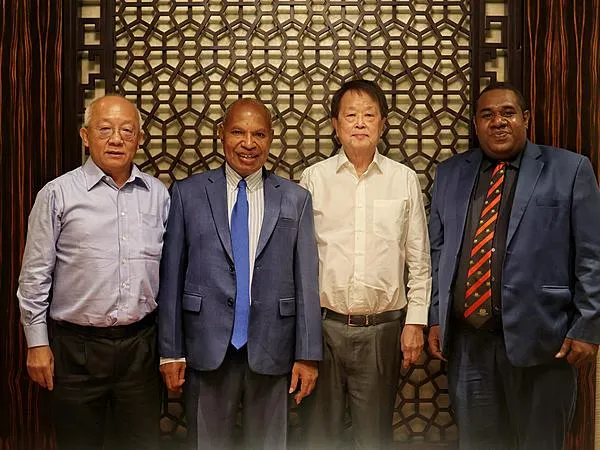
Wilmar International Limited is set to immediately commence detailed feasibility study on two Joint Ventures (JV) with the Government of Papua New Guinea (PNG) on commercial large-scale rice farm and chicken production. Wilmar CEO & Chairman, Mr. Khoon Hong Kuok said this in a meeting today with the Minister for International Trade and Investment, Hon. Richard Maru in Singapore.
Mr. Kuok said: “PNG can be transformed through agriculture; it has so much potential to be a giant in agriculture. It just needs good partners and strong commitment from the Government and the availability of state land to realize its potential. Wilmar is ready to come to PNG in the next two weeks to start a feasibility study for commercial large-scale rice farm in Rigo, Central Province and in the Sepik Plains, and chicken production for broilers, eggs, and day-old chicks in Port Moresby. These are the two low-hanging fruits. PNG can easily produce enough chicken its own chicken needs and be a network exporter. The same is true for rice. PNG has great weather, very rich soils, high yielding rice varieties, and if land is made available PNG can easily produce enough rice to replace the 400,000 metric tons of rice PNG imports valued at K900 million annually. We have large-scale rice and chicken operations in China and in Indonesia and we are very keen to partner the Government of PNG in these two areas initially and we are also happy for Papua New Guineans to buy into these two proposed joint venture companies.”
Mr. Kuok further stated: “The price of chicken in PNG is three times the price of chicken in Malaysia. The main reason for this is the cost of feed. We are determined to work with the Government of PNG to go into domestic production of feed to help reduce the price of chicken for the benefit of Papua New Guineans whose main protein is chicken. The price of chicken in PNG is simply ridiculous and unacceptable and the PNG Government has a duty to reduce the cost of chicken as part of its overall plan to reduce the current very high cost of living in PNG.”
Wilmar International Limited is the largest and most integrated leading agribusiness group in the Asia Pacific Region and it is ranked amongst the largest listed company by market capitalization on the Singapore Stock Exchange. The Independent State of PNG signed an MoU with Wilmar International Limited in December last year to invest in domestic rice industry, chicken operations, feed industry, flour, oil palm, and sugar as equity partners.
Minister Maru assured Mr. Kuok in the meeting today in Singapore that the PNG Government was ready with equity to fund the large-scale commercial rice farm and chicken production in Port Moresby subject to the feasibility studies to determine commercial viability of these two potential projects under the proposed JV.
“Rice and chicken are our number one priority- these two are the low-hanging fruits which we want to start immediately so we can stop importing K200 million worth of chicken and K900 million worth of rice annually and create hundreds of new jobs, more business opportunities for our SMEs, and wealth creation opportunities for our village people including our landowners who are able to unlock their land and participate in many of these potential business opportunities under our planned nucleus estate project modality,” said Minister Maru.
Minister Maru further stated: “The Government really wants a major supplier of broiler, day-old chicks, and eggs for the Port Moresby market. We have so many farmers and SMEs who are into chicken production, but they cannot get their supplies of day-old chicks constantly because we have shortage of day-old chicks in the country. This is a very serious situation that is resulting in loss of business for our farmers and our inability to meet the domestic needs of our people. Air Niugini operates out of Port Moresby so if we have a big supplier of day-old chicks in Port Moresby it will make sense as we can be able to reach the rest of the country every day through the Air Niugini flights. This is why we need Wilmar to invest in this space in a JV with the National Government, Central Provincial Government, and other local investors so we can fill this gap. The other issue is chicken and eggs supplied out of Lae are expensive because of freight. By investing in Port Moresby, we will reduce the cost of broilers, eggs, and day-old chicks. We also have to further reduce the price of the chicken by establishing domestic feed industry to reduce the cost of feed, and we may have to support the local feed industry by imposing tax on importing feed from other countries. These are some of the issues that the Government will seriously look at.”
“Morobe Province already has a world class feed mill in Lae and all we need to do is produce crops like corn or maize on a large scale and consistent basis to supply to this feed mill instead of the company Goodmen Fielder importing from outside the country. We have to move to large-scale mechanized farming which will require both significant capital and land. The Morobe Provincial Government is encouraged to pursue these potential opportunities for its farmers with Goodman Fielder in Lae that is owned by Wilmar International Limited,” Minister Maru added.
For the Central Province, agriculture is at the heart of the economy. Governor Rufina Peter has a background in this field and is well-placed to understand the impact that it can have in the province.
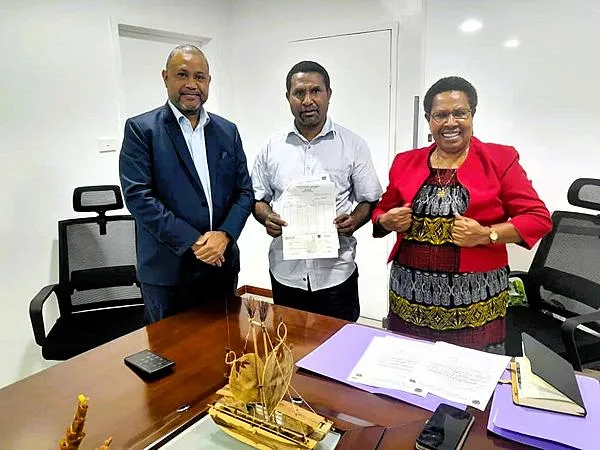
This has moved Governor Peter to fund and support two major agriculture impact projects in the Central Province, and funding for them was presented at the Governor's Office on the 18th of January.
These are the Yaugala Cattle Farming Project, conducted under the Varagadi Land Group Inc. at Brown River and given funding support of K200,000, and the Bulb Onion training and demonstration plots, to be conducted under the Highlands Potato Connections at Laloki in the Hiri Koiari District.
Another 14 Mile project just outside of Port Moresby was supported with K100,000 also coming from the Central Provincial Government.
“The extent of the impact will depend on the both of you, on how you run your farm business, given that the bulb onion guy has the experience and you raising cattle it's your first time. You have support from my office with Michael Atuai, who is the Agriculture Projects officer in my office, and there are livestock officers I know we can utilize,” Governor Peter told the recipients.
The funding was given in the presence of Hiri Koiari MP Keith Iduhu, who reached out to both recipients, urging them to align their projects with his. The two projects will tap unemployed youths in the province; already, the Yaugala Cattle Farming Manager, Elliot Mark Yamuje, confirmed that six youths have been employed to assist, with more to be engaged.
“Cattle farming died out in the Central Province. Being part of the landowner group I want to bring that back, and already we have started with 30 heads of cattle that we bought from our funds from Rumion Farm in Lae. They are grazing on 40 hectares of prime land. Now with your funding support, we can extend a little and now bring in two to three male bulls, and ultimately we are looking at being the main distributor in the province supplying beef to the Papua LNG Project,” Yamuje said.
The other project set to make a major impact is the bulb onion training and demonstration plots conducted under the Highlands Potato Connections, which will be a model and demonstration farm at Laloki and 14 Mile respectively.
Joshua Lumbalumba from Goroka is the man behind the bulb onion, having his beginnings in the Highlands growing the crop and relocating to the Central Province.
Mr. Lumbalumba claims that Central Province has the best climate to produce world-class bulb onions that can replace the imported variety found in the shops and markets in Port Moresby.
“I am a farmer of different vegetables, but initially I was discovered by the Fresh Produce Development Agency (FPDA), they discovered me growing my onion as I was the first to plant bulb onion up in Daulo, and hired me to be the village extension worker for FPDA. This is where I shared my knowledge on bulb onion, to train villages in Gembog, and that’s how Gembog onion is all over the market," he said.
"I have my farm and over the years I developed my knowledge on how to grow marketable sizes of bulb onions. The onions from Gembog contain a lot of moisture compared to the ones at Daulo from where I’m from because there is heat, but I believe Central Province will have the best because the climate is perfect,” Lumbalumba stated.
The Governor's initial plan is for the Laloki and 14 Mile bulb onion plots to be training and demonstration models, where those interested can learn about how to grow onion and take it back to their various districts in the province and teach others.
In a major announcement made recently, Prime Minister Hon. James Marape revealed his ambitious plan to transform Jiwaka, the home of the great Wahgi Valley, into the “agriculture powerhouse” of Papua New Guinea by 2025—the year marking the country’s 50th anniversary of independence.
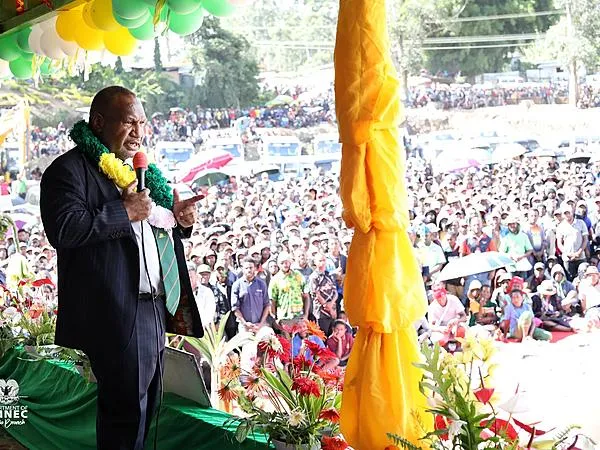
Addressing a massive crowd of thousands at the launch of the North Wahgi District Five-Year Development Plan in Banz, North Wahgi, Prime Minister Marape pledged K10 million to the Jiwaka Provincial Government. This substantial financial support aims to breathe new life into deteriorating coffee plantations, including the renowned Wahgi Mek, and provide price support to farmers, ensuring a steady price of K6 per kg.
The announcement signifies a crucial step towards revitalising the coffee industry in the Wahgi Valley, known for producing some of Papua New Guinea’s finest coffee.
Prime Minister Marape emphasised his commitment to the agricultural resurgence, stating, “By 2025, when we celebrate 50 years of independence, I want Jiwaka to become the ‘agriculture powerhouse’ of our country.”
Encouraging the local population, he added, “If you work, we will assist you. If you can’t find a job in the formal sector, there is so much money to be made from our land. Kaukau (sweet potato) is money, broccoli is money, tomato is money, cabbage is money, coffee is money.”
Outlining the allocation of the K10 million, Prime Minister Marape explained, “Of the K10 million, K5 million will be dedicated to rehabilitating rundown coffee plantations, while K5 million will be allocated for price support.”
He expressed dissatisfaction with past attempts, noting, “Three years ago, I announced this coffee price support; however, public servants in Waigani did not set up a correct structure. This time around, I will bypass them and come straight to the province so that the K6 per kg price can go straight to our people in the villages.”
Prime Minister Marape said, “The price of coffee should not come below K6 per kg, and the Jiwaka Provincial Government should ensure that this is carried out, through an established structure.”
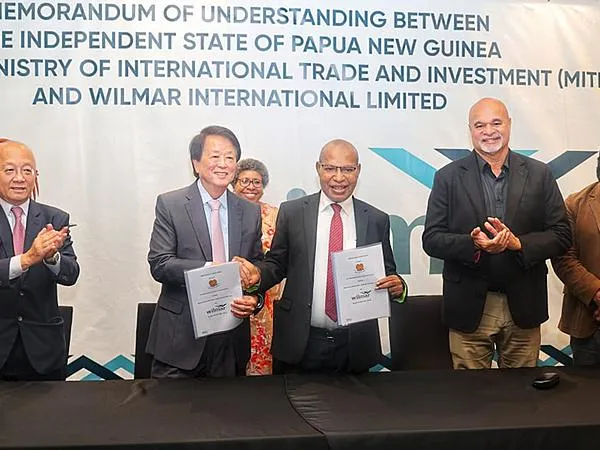
The Independent State of Papua New Guinea through the Ministry of International Trade and Investment signed a historic MOU with Wilmar International Limited recently. Minister for International Trade and Investment, Hon. Richard Maru described this MOU signing as the “start of the agriculture transformation in Papua New Guinea”.
“This is the first time in our history that we are going into partnership with one of the world’s leading agriculture companies, in fact the largest and most integrated leading agribusiness group in the Asia Pacific Region,” said Minister Maru.
Wilmar International Limited is ranked amongst the largest listed company by market capitalization on the Singapore Stock Exchange. At the core of Wilma’s strategy is an integrated agribusiness model that encompasses the entire value chain of the agricultural commodity business, from origination, to processing, barning, merchandising and distribution of a wide range of edible food and industrial products. The Group’s business activities include oil palm cultivation, oilseed crushing, edible oils refining, flour and rice milling, sugar milling and refining, manufacturing of consumer products, ready-to-cook and ready-to-eat central kitchen products, specialty fats, oleochemicals, biodiesel and fertilizers as well as food park operations. Wilmar has over 500 manufacturing plants and an extensive distribution network covering China, India, Indonesia and some 50 other countries and regions, and has over 100, 000 employees.
“We want to partner Wilmar International Limited to invest in domestic rice industry, chicken, a new feed mill and flour mill in Port Moresby, in oil palm, and sugar and to go into the downstream processing of palm oil in Papua New Guinea.
We have the potential, but we do not have the capital nor the technology and the expertise to do this. Our Government’s priorities are downstream processing of our resources, increasing exports, creating value, and unleashing our vast potential in the agriculture space. We have been looking for a partner and we want to thank Wilmar International Limited’s Group CEO and Chairman, Mr. Kuok Khoon Hong and his Board and Management for making the decision to come and partner us,” said Minister Maru.
Acting Prime Minister, Hon. John Rosso said the signing of this MOU was a start of a very exciting journey for Papua New Guinea.
“We are excited, and we know that this partnership that we are embarking on will have a huge long-term benefit for our country in terms of job creation, increase in exports, downstream processing of our raw materials, and the creation of many new investment opportunities for our private sector, our landowners, our Provincial Governments, DDAs and the State,” said Acting Prime Minister Rosso.
He further stated: “We are hoping that the first investment through this partnership will be in the chicken and rice industry which are our number one priority- these two are the low-hanging fruits which we want to start immediately so we can stop importing K200 million worth of chicken and K900 million worth of rice annually.”
Acting Prime Minister Rosso said the State was prepared to assist in whatever way they could, including putting State Equity to assist in some investments.
“We are also going to look at inviting Provincial Governments and DDAs to partner Wilmar International Limited and also the private sector to co-invest with us in many of the big, exciting investments, including our Superfunds,” he said.
Minister Maru added: “We look forward to seeing this partnership take off to create jobs, increase exports, and generate good returns for you as a shareholder and our Government and the private sector partners who will invest with us in the agriculture projects.”
Prime Minister Hon. James Marape officially inaugurated the Fisheries Small-Scale Vessel Monitoring Platform, known as the NEMO tracking system, on Tuesday, November 21, 2023, at Parliament’s State Function Room.
Developed by the National Fisheries Authority (NFA), the NEMO tracking system is a groundbreaking initiative designed to strengthen the management and monitoring of small-scale fisheries across Papua New Guinea. Prime Minister Marape, during the launch, underscored the significance of sustainable fisheries for the economic development and well-being of coastal communities.
Prime Minister Marape stated, “Our marine resources are invaluable assets that need to be managed sustainably to ensure their availability for future generations. The NEMO system will play a crucial role in monitoring and regulating small-scale fisheries, promoting responsible fishing practices, and safeguarding the livelihoods of our coastal communities.”
The introduction of the NEMO system represents a substantial leap forward in the management of small-scale sustainable fisheries in Papua New Guinea, reaffirming the government’s commitment to responsible resource management, environmental conservation, and the well-being of coastal communities.
The NFA and the government will collaborate closely to ensure the seamless implementation and continued support of the NEMO system nationwide. This comprehensive system incorporates electronic reporting devices, vessel monitoring systems, and data management tools.
These cutting-edge technologies empower small-scale fishers to accurately report their catch, monitor fishing activities, and adhere to regulations. The data collected through the NEMO system will also support scientific research, fisheries assessments, and the development of evidence-based policies.
Beyond its environmental benefits, the NEMO system is expected to contribute significantly to the socio-economic development of coastal communities. By promoting sustainable fishing practices, the government aims to enhance the long-term viability of small-scale fisheries, improve fishery yields, and create new economic opportunities for local fishers.
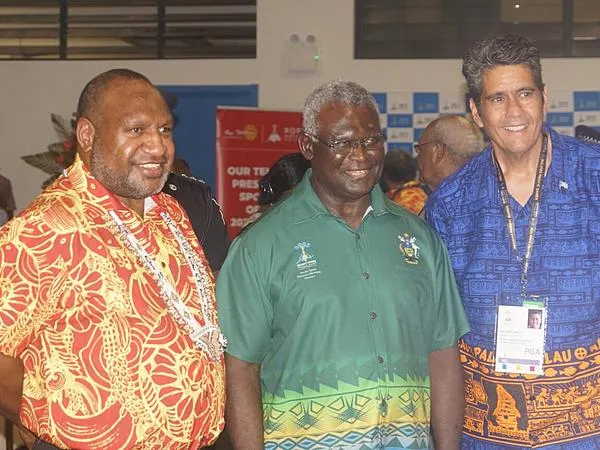
Prime Minister Hon. James Marape recently engaged in bilateral discussions with Palau President H.E. Surangel Whipps and Solomon Islands Prime Minister Hon. Manasseh Sogavare on the sidelines of the XVII Pacific Games in Honiara.
Upon returning from Honiara, where he attended the opening ceremony on Sunday, November 19, 2023, Prime Minister Marape highlighted the central focus of the talks – the strategic development of the fisheries sector.
Prime Minister Marape expressed optimism about the Pacific region emerging as a significant force in global fisheries, presenting a united front against illegal activities and promoting sustainable practices.
“In our conversations, we concentrated primarily on the area of fisheries,” stated Prime Minister Marape.
“I firmly believe that our economic prominence lies in the fisheries sector.”
Addressing the critical importance of the Pacific region in global tuna supply, he emphasised, “When you put together Palau, Solomon Islands, Marshall Islands, Federated States of Micronesia, Nauru, Kiribati, and Papua New Guinea – that’s 60 per cent of the world’s yellowfin tuna supply.”
Commending Fisheries Minister Hon. Jelta Wong, Prime Minister Marape acknowledged the role played by Papua New Guinea in fostering growth in Pacific fisheries. “Minister Wong has received accolades from both Palau and Solomon Islands for his significant contribution to the development of fisheries in the Pacific,” he added.
Expressing the commitment to fortify the sub-region’s fisheries, Prime Minister Marape mentioned, “We have the Pacific Marine Industrial Zone (PMIZ) in Madang, and other areas, where we can bring the catch of the region onshore and process for export overseas. Our goal is to eliminate illegal fishing in our waters and form a super-bloc that controls tuna fisheries in this part of the world.”
Prime Minister Marape underscored the shared responsibility of Pacific countries in safeguarding the region’s marine resources and emphasised their collective stance against deep-sea mining. “We envision the Pacific region as a major producer of tuna and other marine resources,” he said.
As part of the broader strategy, he outlined, “We want to produce for both domestic consumption as well as supply to the big Asian market, Europe, and North America. Our aim is to unite Western Pacific nations as a powerful bloc to assert control over our fisheries resources, particularly tuna, in the first instance.”
Prime Minister Hon. James Marape announced today that the government has granted initial approval for the establishment of a Rice Special Economic Zone (SEZ) in the country. This groundbreaking development may include a joint venture between the State and Rigo Rice.
Prime Minister Marape underlined the government’s commitment to kickstart a substantial commercial rice industry within the next five years, with the goal of replacing the country’s annual rice imports, valued at over K900 million.
Furthermore, Prime Minister Marape disclosed that the government has taken the decision to commence negotiations for a joint venture between the State and Rigo Rice, which will focus on large-scale commercial rice farming, initially in Rigo, Central Province, Sepik Plains in East Sepik, and other regions across the country.
To facilitate this, a State Negotiating Team has been appointed by the National Executive Council. This team will be chaired by Mr. Dairi Vele and will include key representatives such as Hon. Rufina Peter, Governor for Central Province, Mr. Daniel Rolpagarea, State Solicitor, Mrs. Jacinta Warakai-Manua, Acting Secretary for the Department of International Trade and Investment, Dr. Sergie Bang, Secretary for the Department of Agriculture, Mr. David Ganaii, Secretary for Department of Commerce and Industry, Mr. Allen Kukwin Hula, Legal Officer for Ministry of International Trade and Investment, Mr. Robin Wingwafi, Technical Consultant and Rice Scientist, Dr. David Kavanamur, Managing Director of Kumul Consolidated Holdings, Mr. Andrew Oaeke, Secretary for Department of Treasury, and Mr. Benjamin Samson, Secretary for Department of Land and Physical Planning.
Prime Minister Marape stressed the significance of this national project, stating, “The government places the highest priority on this initiative and is eager to see the State Negotiating Team conclude negotiations for a joint venture between the State and Rigo Rice, which will be established without delay to nurture our domestic rice industry.”
He emphasised the need to reduce the country’s reliance on rice imports, which currently stands at over 400,000 tonnes annually.
“To achieve self-sufficiency, it is estimated that more than 100,000 hectares of rice need to be cultivated’” Prime Minister Marape said.
“The government aims to realise this through a joint venture with Rigo Rice, commencing with the development of 6,000 hectares of unused State land in Rigo before expanding to other regions, including Central Province, the Sepik Plains, and other parts of the nation.
“This initiative aligns with our government’s focus on import replacement, wealth creation for our citizens, and the generation of numerous employment opportunities for our people.”
Minister for International Trade and Investment, Hon. Richard Maru is calling for establishment and commercialization of the kava industry in Papua New Guinea (PNG). Minister Maru made this call after learning from the two Fijians who attended the 14th World Indigenous Business Forum in Port Moresby recently that the demand for kava in Fiji and the Pacific had outgrown supply.
“The cultivation and sale of kava both in domestic markets and as a processed export product is an important source of income for thousands of smallholder farmers and their families across the Pacific. Green liquid, dried and powdered kava has progressed from a traditional and customary beverage over the years to a source of community livelihoods, and now a business for the pharmaceutical industry and social gatherings. The commodity is known to have medicinal capabilities including relaxant. Because of its associated relaxing benefits and the removal of trade restrictions in many countries, the demand for kava has increased and thousands of smallholder farmers across the region are now engaged in kava production. The commodity has become one of the main sources of economic importance to many Pacific Island countries and as a significant contributor to GDP, foreign exchange earnings, and balance of payments through exports for some countries,” said Minister Maru.
According to a recent Pacific Horticultural & Agricultural Market Access Program (PHAMA) report, in Fiji alone, 1 in 8 rural households are involved in the crop’s cultivation, with a further 3,000 households earning an income through kava trade and retail operations. Whilst, in Vanuatu, an estimated 30,000 households are involved in its cultivation with a further 3,000 earning an income from the kava trade and retail operations.
“In 2020, Fijian kava exports were worth over A$43.6 million and in 2019, Vanuatu’s kava exports were worth A$48.4 million, with these figures set to grow in coming years. While some of these exports are to other Pacific Island Countries, larger markets include New Zealand, New Caledonia, Europe, and the United States, partly due to the large Pacific Island communities living there. The bulk of this trade is associated with selling kava as a beverage, with a growing quantity being exported as an ingredient, for nutraceutical and pharmaceutical products. The growing popularity and demand for kava has resulted in a price hike in recent times. The increasing price has created local and overseas investment opportunities for the cultivation and propagation of kava by local communities across the region. Kava has fast become a thriving cash crop for local farmers, primed for further growth. With the global kava market expected to exceed US$210 billion (AUD$309 billion) by 2026, the projected impact of the industry is significant. Kava has led to the empowerment of local communities through the supply chain, creating sustainable incomes, and improving livelihoods. As import regulations ease and international demand grows, exciting opportunities for Pacific Island businesses to enter new markets grow,” said Minister Maru.
“Papua New Guinea has the potential to become the biggest producer of kava in the world if we establish kava as an industry and undertake multicropping with kava being planted under the cocoa trees to fully utilize the land so our farmers can make money from both cocoa and kava using the same land. This is one industry that is ready to boom,” added Minister Maru.
The Ministry and Department of International Trade and Investment will be working very closely with the Ministries and Departments of Agriculture and Commerce and Industry, and the National Trade Office to work on immediately establishing the kava industry in PNG.
Central Province marked a milestone on the 27th of September 2023 as the Cocoa Board (CB) of PNG officially opened its Southern Regional Office in Port Moresby.
The board also signed a Memorandum of Understanding (MoU) with the Central Provincial Government in a significant ceremony, which will now form a pathway for Central Cocoa
Central Governor Rufina Peter, newly appointed CBPNG CEO Jesse Anjen, and Brown Konabe, Acting Secretary for Department of Agriculture and Livestock, opened the CB Southern Regional Office at the third floor of the Monian Tower in Boroko’s central business district.
The office consists of a reception area where clients like cocoa farmers can wait to be served, a work space for two officers, an office for the manager, and a small board room where meetings and consultations can take place.
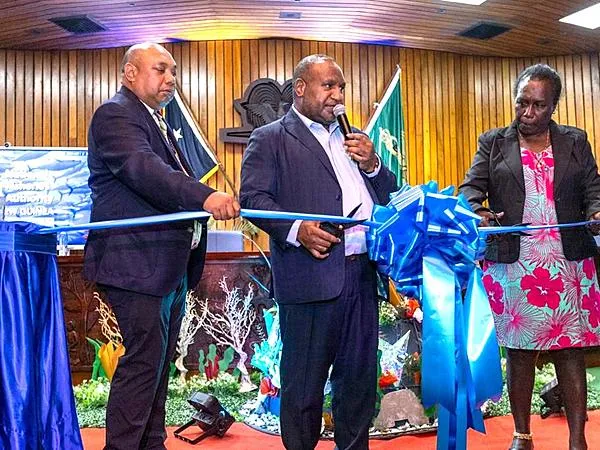
Upon unveiling and cutting the ribbon of the new Office, Governor Peter on behalf of the People of Central thanked the Cocoa Board for the office.
The governor also highlighted that cocoa has big economic potential for the Central Province, but it has been untapped and thus collaborative efforts is needed.
“I am sure, with collaborative efforts with the Cocoa Board, we want to add to the statistics of cocoa production in the province,” said Ms. Peter.
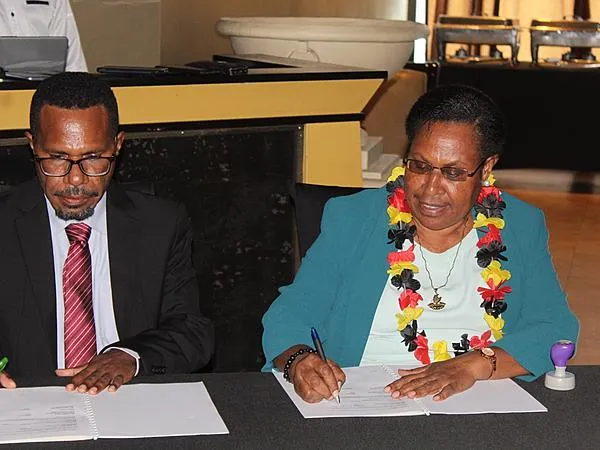
The second part of the program at the Lamana Hotel saw the MoU signing between CBPNG and the Central Provincial Government (CPG).
Cocoa Board CEO Anjen emphasized that actions speak louder than words, and stressed that Central is the host province for the board.
“We have a lot of potential here (in Central). If we talk for nothing and open the office, there’s no meaning, but thanks to the Central Provincial Government, this is the first ever provincial agreement in the Southern Region, and I am pleased this is what has happened,” he said.
“What we say and what we preach must happen. We are here to assist small holders in the Central Province, particularly the Southern Region but we must do the work for it to become a reality,” said Mr. Anjen.
As part of the MoU, the Central Provincial Government allocated K1 million to assist the CBPNG in pushing the cocoa industry in the province, from the production stage to marketing, exporting and downstream processing.
This will ensure that small cocoa plot holders and farmers in the rural areas and wards are supported by extension officers, identifying markets at their level, Ms. Peter said.
For the Governor, it’s exciting times ahead for cocoa in Central, and for the cocoa industry in PNG.
“I congratulate the management of the Cocoa Board for this decision to finally consider Central Province as a potential cocoa producing province,” she said.
"Central Province has an untapped potential in cocoa production, which has not been realized due to the lack of coordination from the industry,” said Governor Peter.
She also highlighted that in August, staff from the CPG and CP Department of Agriculture and Livestock held a one-week Agriculture Stakeholder Workshop in Kwikila.
The workshop meant to bring all agriculture commodity boards and agencies together for a discussion to establish the current state of operation of each organization in the province and to plan a way for development of each sector.
The consultation workshop had the following organizations in attendance:
The aim of the workshop was to:
The cocoa industry was once thriving in Central Province in the days when the Department of Agriculture, Stock and Fisheries (DASF) was responsible for both development and marketing of all agricultural commodities.
When policy changes took place and the responsibility of marketing was transferred to the private sector (middlemen and exporters), the agriculture commodity marketing fell apart in most provinces, especially remote areas in the country, and Central Province was no exception.
The same story goes for Arabica coffee in Goilala and inland Rigo, Koiari and Abau. There are old stands of cocoa from those days and recent planting across the Central province. Abau District was the largest cocoa producer in the days of DASF, but it all fell apart.
Data from three other districts minus Abau stands as: Kairuku – 6, 500 trees; Hiri koiari – 17,345 trees; Rigo – 75,700 trees.
The current “guesstimate” would put the cocoa tree numbers at around 200,000, Central Province said.
“Establishment of cocoa fermenters and driers in the current production locations is a first priority to give confidence to the farmers to get into cocoa production. Establishing a market outlet apart from Paradise Foods would be a second priority,” the governor said.
In driving the importance of agriculture throughout the Central Province, the Southern Regional Department of Agriculture and Livestock hosted a weeklong workshop ending on the 8th of September with the local Avi Avi Cooperative society being the host venue in Aipeana village, Mekeo.
Cocoa and vanilla farmers came from the nearby Inaui village to share their experiences and challenges in a conducive environment. The workshop also looked at issues faced by cocoa and vanilla farmers and what can be done to mitigate these issues.
Augustine Maino, a cocoa and vanilla farmer from Inaui, told participants that if agriculture has to work, three other agencies must also play their parts to enable the industry to be successful.
These agencies, Maino said, are "the farmer, DAL, and the Government. When these three bodies are aligned and doing their jobs, there is no excuse that agriculture will not move forward, this coupled with good managers who are honest and equipped, will see a smoother transition.”
Central Governor Rufina Peter could not attend due to other commitments, but a small delegation led by Michael Atuai, the Governors Agriculture Projects Officer, represented her.
In making his remarks, Atuai apologized on behalf of the Governor for her absence, and noted the concerns shared by the farmers.
“One of the things missing in a culture like Mekeo and Kairuku society is our Chiefs are often forgotten. I thank you for this point and Governor will be informed accordingly. I am happy when I see young leaders like Patrick Avi, it's always good to see young people taking the lead in economic aspiration," he said.
"A lot of youths don’t always work hard in this, and Patrick is an example. The good Governor will be informed of the things discussed at this workshop and the challenges faced.”
Southern Region Director for DAL Leka Mou thanked Governor Peter for sending a team to see first hand the work being carried out. Mr. Mou also spoke of the importance of having a plan that "combines all commodities into one.”
“Last week, Michael Atuai and I were at Kwikila station and we are putting together a final plan. For the past week we have been working very hard to put this plan together which will be completed tomorrow so that in the space of agriculture everyone will be on the same page in the province, which will also align with Governor Peter's five year development plan,” he said.
The farmers from the two Mekeo villages of Inaui and Aipeiana completed the workshop invigorated with new skills and assurances that support will be given from DAL and the Central Governor's office.
One of the world’s biggest and most profitable agriculture company Wilmar International Limited is keen to partner the Government of Papua New Guinea to invest in more large-scale agriculture investments in the country.
Wilmar International Limited was founded in 1991 and is Asia’s leading agribusiness group today with over 500 manufacturing plants and an extensive distribution network covering China, India, Indonesia and 50 other countries. It is supported by a multinational workforce of about 100,000 people and had a full year net profit of US$ 2.4 billion. Wilmar International Limited ranked 192nd on the 2022 Fortune Global 500, and 362nd on the 2022 Forbes Global 2000: The World’s Biggest Public Companies.
Wilmer International Limited already own and operate Goodman Fielder who have operations in Lae and Port Moresby. They own and operate flour and feed mills in Lae and Moresby, sell repacked rice imported from China, and they also process and sell cooking oil.
Wilmar International Limited is interested in partnering the Government of Papua New Guinea as an equity partner to invest in rice, chicken, oil palm, sugar and feed production and processing in PNG.
Wilmar International Limited Group CEO, Mr. Kuok Khoon Hong met with Minister for International Trade and Investment, Hon. Richard Maru today in their Singapore World Head Office and agreed for the Wilmar Group and the PNG Government to enter an MOU to become long-term strategic investment partners to invest in large scale agriculture projects that will grow and transform the economy of Papua New Guinea.
“Our main objectives are to create more jobs, increase exports, reduce the cost of food in Papua New Guinea, and drive the downstream processing agenda of the Government,” said Minister Maru.
A very thankful Minister Maru said: “The meeting and understanding reached between our Government and Wilmar International is a very significant breakthrough for our Government. I have extended an invitation for the Group Chairman and CEO to visit PNG to meet Prime Minister, Hon. James Marape and visit various land that we are proposing for our new Joint Venture chicken project and a new flour mill in Port Moresby. We will have the MOU signed during the trip planned for the end of October.”
Agriculture plays a vital role in the economy of Papua New Guinea, extending beyond subsistence farming in rural communities, and is an integral part of developing the Central Province through labour force and export revenues.
This was the basis of a weeklong Agriculture Sector Stakeholder Workshop, hosted by the Central Governor’s office and Provincial DAL which began on Monday the 26th of August 2023, and ended on Friday September 01, 2023.
According to participant and Agriculture Project Officer from the Central Governor's office Michael Atuai, industry experts from Kokonas Indastri Koporesen (KIK), National Agriculture Research Institute, Department of Agriculture and Livestock (DAL), Livestock Development Corporation (LDC), Fresh Produce Development Agency (FPDA), rubber Industry experts, and the provincial lands and agricultural sector gathered together and worked collectively to pave the pathway for development for every agricultural commodity in the Province.
“For a long time, this was done on ad hoc basis without proper coordination with all commodity bodies and the host Provincial Agriculture Sector, now this is the first time a pathway is being created.” Atuai said.
Part of the development pathway agreed upon will see the host province tell sectors what they want, and jointly they will pool resources together and deliver this arrangement through a Memorandum of Agreement (MOA).
The resources that will be pooled together include finance, land, transport, irrigation, manpower, improved technologies, improved planting materials, and establishment of a commodity value chain pathway or marketing opportunities.
A special point about marketing of agricultural commodities and establishment of marketing outlet for all commodities will be priority number one, raised as part of the pathway, as "for far too long production has been the focus without considering marketing," Atuai said.
Central Province's agriculture team will prioritize marketing, he said, as available market access is a motivation for agricultural production and productivity.
Attending the closing of the workshop, Governor for Central Province Rufina Peter was given a rundown on the discussions held during the week and the course of action to be taken in the next meeting.
Governor Peter in addressing the workshop participants emphasized that in her term of Government Agriculture plays a major role in bringing prosperity throughout the Province.
“If we want to improve the living standards of our people, if we want to improve the social and economic indicators, it is the agricultural sector that forms the foundation, and of course the other enabling sectors that come into play, so it is my honour and privilege to be here."
"The importance of this moved me to give K10,000 to partner with the administration arm and move this workshop forward,” the governor said.
Governor Peter’s vision is to position Central Province as the leader in nation building, as "everything began in the Central Province and then moved out to Papua New Guinea."
“For me I don’t want it to sound rhetoric anymore and when I say this but when I say I want Central to be the leader in nation building, we need to get back to our position as leader in nation-building. I mean it, and that’s why I say agriculture, and I support when I put in the funds as we go, we have to make it happen, and you are the important guys in this room to make it happen.”
Ms. Peter urged the participants to understand the importance of the national plans, its overarching plans, and ensure they are driving and implementing the plans and pathways at their level.
The Governor also encouraged the industry experts to ensure proper data is collected so work can be done according to the data provided. Workshop participants were also tasked to meet on a quarterly basis going forward.
Follow on LinkedIn:
PNG Business News
Be the "First" to get our exclusive Digital Magazine & Weekly Newsletter.