January 16, 2022

According to Spice Sector Board Chief Executive Officer Nelson Simbiken, the country's spice industry has exported K1.3 billion worth of products in the last four years.

According to Simbiken, K400 million worth of items were shipped in 2021, much above the norm of over K300 million.

“From 2019 to now, revenue from export we have from Customs and National Agriculture and Quarantine Inspection Authority ( (showed that) the industry has exported K1.3 billion,” he said.

“On an annual basis, spice industry has been exporting over K300 million on an annual basis.

“In 2019, the spice industry exported over K500 million, in 2020 K600 million, in 2021 over K400 million,” Simbiken said the spice industry was picking up after being slow for some years.

“At the moment, it's dead,” he said.

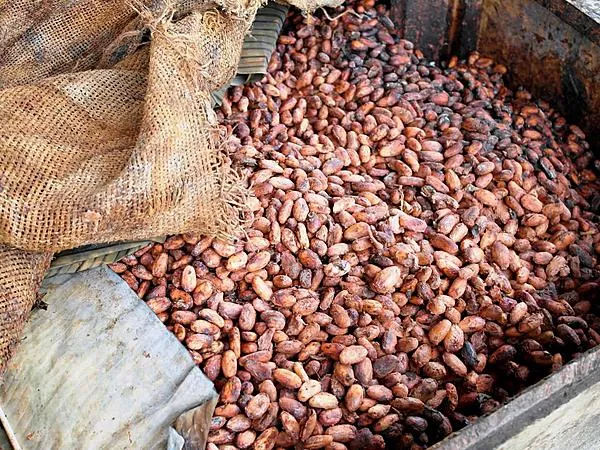
“We are resurrecting it to make it grow. The significance of that is that with one kilogram of spice, you’ll get 100 times the value in terms of money than the similar amount of commodities like cocoa and coffee.

“For example one kilogramme of coffee, raw beans, you get K7, or, for parchment, it’s about K4.

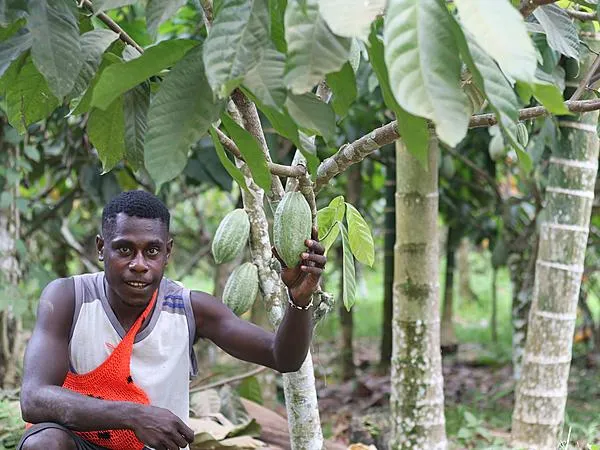
“For cocoa, one kilogramme is about K6 to K7. But for spice, the raw product, especially vanilla, with one kilogram is about K200.

“So most of the farmers for other crops work hard to get 60kg of cocoa bean and wait for transport to bring it to town. But for vanilla, you get about 10kg, put them in your bag and come in and get higher value compared other commodities.”


Reference:

The National (11 January 2022). “Spice board: K1.3bil worth of product exported in last 4 years”.

According to Spice Sector Board Chief Executive Officer Nelson Simbiken, the country's spice industry has exported K1.3 billion worth of products in the last four years.

According to Simbiken, K400 million worth of items were shipped in 2021, much above the norm of over K300 million.

“From 2019 to now, revenue from export we have from Customs and National Agriculture and Quarantine Inspection Authority ( (showed that) the industry has exported K1.3 billion,” he said.

“On an annual basis, spice industry has been exporting over K300 million on an annual basis.

“In 2019, the spice industry exported over K500 million, in 2020 K600 million, in 2021 over K400 million,” Simbiken said the spice industry was picking up after being slow for some years.

“At the moment, it's dead,” he said.

“We are resurrecting it to make it grow. The significance of that is that with one kilogram of spice, you’ll get 100 times the value in terms of money than the similar amount of commodities like cocoa and coffee.

“For example one kilogramme of coffee, raw beans, you get K7, or, for parchment, it’s about K4.

“For cocoa, one kilogramme is about K6 to K7. But for spice, the raw product, especially vanilla, with one kilogram is about K200.

“So most of the farmers for other crops work hard to get 60kg of cocoa bean and wait for transport to bring it to town. But for vanilla, you get about 10kg, put them in your bag and come in and get higher value compared other commodities.”


Reference: The National (11 January 2022). “Spice board: K1.3bil worth of product exported in last 4 years”.

January 04, 2022

The Asian Development Bank (ADB) and ECOM Agroindustrial Corp. Limited (ECOM) signed a loan of up to $60 million to help sustain the livelihoods of smallholder farmers amid the coronavirus disease (COVID-19) pandemic and improve their ability to withstand the impacts of climate change.

The loan will support ECOM’s continued operations in India, Indonesia, Papua New Guinea (PNG), and Viet Nam by financing inventories of coffee and cacao procured from more than 27,800 smallholder farmers. It will also fund advance payments and extension services to farmers to provide liquidity and support to these farmers and reduce the impacts on their business from the disruptions to agricultural value chains caused by the pandemic. Extension services provided by ECOM focus on improving farmers’ capacity to adapt to climate change by introducing sustainable farming techniques, data solutions, and financial literacy.

“Climate change and the ongoing pandemic are intensifying the pressure on smallholder farmers in Asia and the Pacific. COVID-19 has reduced their incomes and made it more difficult for them to invest in climate-resilient measures,” said ADB Agribusiness Investment Unit Head Martin Lemoine. “Commercial banks are reducing their exposure to commodity players. ADB’s support for agricultural merchants like ECOM will help bridge this funding gap and ensure reliable income to farmers, enabling them to take steps to adapt to climate change.”

An accompanying technical assistance grant will provide capacity building in climate-smart cocoa and coffee farming best practices and financial literacy in Indonesia and PNG, further supporting farmers’ recovery from the pandemic. The technical assistance will benefit about 4,000 farmers and also promote gender-inclusive practices. The grant comprises $205,000 from ADB’s Technical Assistance Special Fund for COVID recovery and $425,000 from the Strategic Climate Fund, administered by ADB. 

The borrowers are ECOM Agroindustrial Corp. Limited (EACL), ECOM’s ultimate holding company incorporated in Switzerland, and ECOM Agroindustrial Asia Pte. Limited, a wholly owned subsidiary of EACL, incorporated in Singapore.

ECOM is the world's largest coffee miller and one of the world's top merchants of coffee, cocoa, and cotton. It works with over 800,000 farmers in 40 countries. As an integrated commodity originator, processor, and merchandiser, ECOM focuses on partnering with smallholder farmers to provide traceable and certified products to branded product manufacturers.

ADB is committed to achieving a prosperous, inclusive, resilient, and sustainable Asia and the Pacific, while sustaining its efforts to eradicate extreme poverty. Established in 1966, it is owned by 68 members—49 from the region.

December 21, 2021

The K140 million 12-story West New Britain Haus in Port Moresby, according to James Marape, demonstrates that agriculture is "transformational."

He remarked this as he unveiled the West New Britain people's landmark emblem, which was supported by the province's lucrative oil palm sector.

The Department of Justice and Attorney-General, as well as all of its agencies, will occupy all 12 floors.

PM Marape stated the West New Britain narrative should serve as an example to every person and provincial government in the country, and that it was in keeping with Pangu Pati's vision of the country's economic independence.

He praised Governor Sasindran Muthuvel, as well as previous and current officials, for having the foresight to wisely invest revenues from the province's oil palm business.

“Today is a wonderful occasion, a testament and a reflection of something I believe in the core of my heart: Agriculture is transformational,” the Prime Minister told hundreds of people, mainly from West New Britain, who were there to celebrate.

“Agriculture can make it happen for our people.

“This is not oil or gas money, this is not gold money, this is not money from other sources, but money from agriculture.

“Who says agriculture cannot transform our country?

“Our nation is a nation of landowners.

“This story today must inspire, if not individually, provincial governments throughout the length and breadth of our country.

“Don’t sit back depending on Waigani.

“You talk about power, you talk about autonomy, you talk about wanting more, well you must be an economic powerhouse.

“You already have land, you already have people, you already have power: Mobilise them to ensure you transform your land, not just from oil palm, but coffee, copra, cocoa, rubber, vanilla, organic agriculture and everything else.”

The establishment of West New Britain Haus, according to PM Marape, was a great example of agriculture revenue being transformative when leaders had the foresight “to think big, think deep, think into the future, think sustainable and are able to invest…not in political feel-good investments or politically-convenient investments in the face of election, but investing in something that will stand the test of time and bring in sustainable dividends for children of that province”.

“West New Britain: I step back and say congratulations on the efforts of the leadership.”


Reference: PM James Marape News Page (12 December 2021). “PM Marape says agriculture is ‘transformational’”

November 26, 2021

Photo credit: The Christensen Fund - Markham Valley

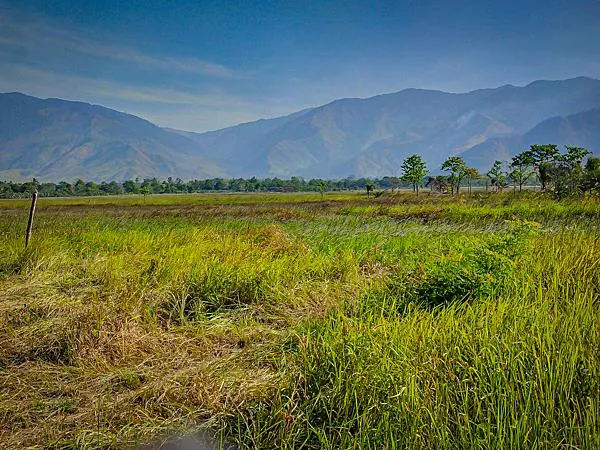
Agriculture development in the Markham and Ramu valleys of Papua New Guinea's Morobe Province, according to the International Finance Corporation, might result in significant economic advantages.

The International Finance Corporation (IFC), which is part of the World Bank Group, has teamed together with Australian and New Zealand aid programs to create a strategy for the Markham/Ramu Agricultural Growth Corridor.

This involves a development strategy and an investment strategy to boost agricultural growth.

The IFC noted as PNG responds to the implications of Covid-19, the development of this corridor may promote exports and investment, local production and commerce, and employment.

Simultaneously, it will improve food security.

The agricultural transformation is a long-term undertaking, according to the report, but there are a number of actions that may be completed sooner.

Animal protein, animal feed, fruit and vegetable production, and cocoa production are all examples.

Nathan Ross, New Zealand's deputy high commissioner in PNG, said his nation has been assisting PNG's agriculture and energy sectors in order to help the country accomplish its economic growth goals.

He stated that they have partnered with the IFC to build the agricultural growth corridor, recognizing that private sector-led growth is a major development objective.


Reference: RNZ (23 November 2021. “IFC promotes PNG agriculture”.

November 21, 2021

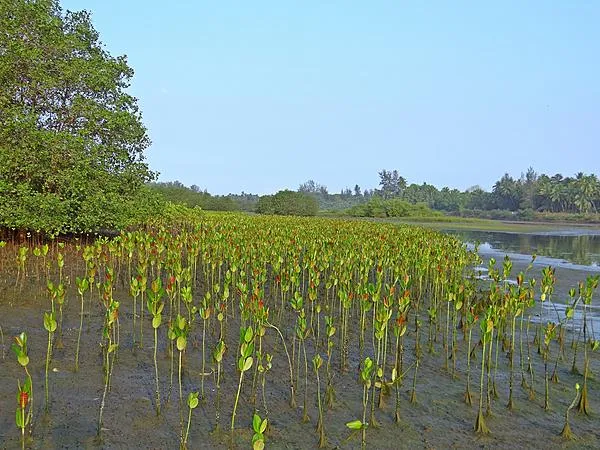
Mangrove seedlings [Photo credit: Sarangib, from Pixabay]

In celebration of World Environment Day last June, there were 600 school children who took part in planting 700 mangrove seeds along the coastline of Riwo, Madang Province. The celebration's theme for this year is "Ecosystem Restoration".

The mangrove planting activity was made possible through the Child-Focus Disaster Risk Reduction (CFDRR) project. The project aims to bring awareness to children the importance of mangrove in protecting the environment along the coastlines. The roots of the mangroves sustain life in the aquatic ecosystem by providing safe shelter and breeding area for some species of fish.

CFDRR is a key long-term strategy for sustainable and resilient development to ensure that the future generations can cope with climate change. CFDRR programs and projects are implemented in various countries and adopted by UNICEF as well.

According to Dehaan Lapawe, project coordinator of CFDRR, "Mangrove trees in swampy or coastal areas provide a safe and rich habitat for different fish stocks to rest, feed, recover and breed. Fish bring protein and income for families."[1]

Lapawe emphasised that matured mangrove trees also provide shelter for birds and other animals. Moreover, mangroves reduce the effect of waves from the body of water, therefore, preventing soil erosion. He also mentioned that mangrove seeds can also serve as a food source in some parts of Papua New Guinea.

"This is one way to be disaster ready. The community must continue this initiative to reduce soil erosion and help protect their schools and community."

The CFDRR project in Riwo village is a project of World Vision, in partnership with Madang Provincial Disaster office. It is funded by the Australian government through the Australian Humanitarian Partnership (AHP).

With regards to the brewing effects of climate change, the study and research titled "Beyond Barriers: Integrating disaster risk reduction and climate change adaptation in the Pacific" (July 2021) reports and verifies that climate change results in rising sea level. If this increase in sea level intensifies through time, it will cause other major environmental problems like soil erosion and further damages to the environment. “Beyond Barriers…” is a study and research by Jessica McCommon, Jessica Lees (Humanitarian Advisory Group), Cedric Hoebreck (World Vision Australia), and Linda Vaike (Independent Consultant).[2]

According to Humanitarian Advisory Group, who featured the transcript of “Beyond Barriers” and described its findings and purpose, “The case for integrating disaster risk reduction (DRR) and climate change adaptation (CCA) to minimise loss and damage, reduce vulnerability and enhance resilience continues to grow. This is against a backdrop of increasing frequency and severity of disasters worldwide and the recognition that, at the community level, the distinction between DRR and CCA is artificial.”

“Linkages between the two policy fields, coming belatedly to communities’ holistic understandings of what is driving their exposure to risk and how to manage it, have driven researchers, policymakers and practitioners to consider how to more closely align approaches to produce better outcomes for crisis-affected populations.”

“The case has been made in academic and practitioner literature, agency reports and emerging policies, yet what it means from a community perspective to integrate DRR and CCA has received little research attention.”[2]


To address the potential environmental damages of climate change in the future, this CFDRR project aims to prevent and counter climate change impacts "through climate change adaptation and disaster risk reduction”. In this initiative, they chose to focus on children whom they consider “the most vulnerable”. [1]


According to Sixtus Balen, head teacher of Malmal Primary School, the initiative of CFDRR is "timely" because the rising sea level due to climate change and strong sea surges are inevitable forces of nature, and that the people in the community are vulnerable to those occurrences. He also mentioned smaller and low-lying islands are disappearing and now the mainland is exposed to destructive soil erosion.


Balen stated, "Mangrove trees in Riwo and Malmal swamps and coastal areas were cut and used by locals for building houses, fuel-wood, making canoes and other artefacts of cultural importance over time. Unfortunately, no replacement has been made."[1]


He also noted that mangroves are essential "as a buffer to protect the shoreline and [will provide] a breeding site for fish". Such knowledge on the mangrove’s importance might is new for most students. Thus, he thanked World Visions CFDRR project for this mangrove planting initiative which brought deeper environmental education and awareness for the youth.


From an article by Papua New Guinea Post-Courier, Madang Provincial Government's disaster manager, Rudolph Mongallee, expressed that "his office cannot perform as it should to counter the impacts of climate change and disaster preparedness within the province because of reasons beyond his control."[1]


He did mention that the ongoing partnership with World Vision is "peaceful and cordial" and he is very supportive of the initiative. Mongallee stated, "I'm only wishing that if World Vision can extend to the other six districts, because those districts that World Vision has already entered, I see that they're already disaster prepared."


The young students who took part in the mangrove planting also expressed their commitment to look after the mangrove seedling and appreciation that such initiative gave them a chance to directly look after their local marine ecosystem.


One of the students named Stephanie said, “Planting mangrove is important because it can protect us from rising sea levels and be a home for small fish to breed.” Another student, Benedict, said “I will look after my tree and my village and school.”


The future looks bright with the young generation taking an active part in addressing the adverse effects of climate change. All it takes are consistent and well-planned steps like this mangrove planting initiative which was organised by World Vision and other partners.  


-----

Reference:

[1] (20 Sept. 2021) Papua New Guinea Post-Courier website. "Children Plant Mangroves To Address Climate Change". Retrieved from - https://postcourier.com.pg/children-plant-mangroves-to-address-climate-change/

[2] McCommon, Jessica; Lees, Jessica; et al. (July 2021). “Beyond Barriers: Integrating disaster risk reduction and climate change adaptation int he Pacific"

Retrieved from - https://humanitarianadvisorygroup.org/insight/beyond-barriers-integrating-disaster-risk-reduction-and-climate-change-adaptation-in-the-pacific/

Photo credit:

Top photo - by sarangib, Pixabay - https://pixabay.com/photos/mangrove-seedlings-plantation-creek-249920/

[2] “Beyond Barriers: Integrating disaster risk reduction and climate change adaptation int he Pacific"  by McCommons, Lees, et al. -- Humanitarian Advisory Group - https://humanitarianadvisorygroup.org/insight/beyond-barriers-integrating-disaster-risk-reduction-and-climate-change-adaptation-in-the-pacific/

November 18, 2021

Photo credit: National Fisheries Authority

The National Fisheries Authority (NFA) has provided K5 million as a final transaction for the acquisition of property for a fisheries centre that was in the process of being liquidated.

The site at Rabaul, East New Britain Province, has been obtained for a fisheries centre, on which the NFA has begun construction in collaboration with the East New Britain Provincial Association.

In terms of the project's history, the property was sold to the highest bidder for K12 million, of which ENBPA paid K2 million, with the remaining K5 million coming from the Public Investment Program, which was supported by the Department of National Planning after NFA submitted a proposal.

The NFA paid the remaining K5 million in a modest check on Thursday, November 11th, but full work will not begin until land titles in liquidation are in order, and a representative from O'Brian Lawyers was there to accept the check.

According to John Kasu, NFA's Managing Director, this is one of the infrastructure projects the organization is working on around the nation as part of its 10-year strategic plan.

 “This Rabaul Tuna Terminal is basically one of those important projects that we are embarking on and apart from that we have projects in Lae, we have the Voco Point and Wagang. Recently we have this PMIZ that has been brought back to NFA to implement,” he said.

Mr Kasu said Rabaul is an important transhipment port and there are four right across the country from Rabaul, Lae, Madang and Wewak. Adding that Rabaul has activities, that NFA is getting on board to strengthen and develop those areas and its infrastructures.  

“The Tuna Terminal is about developing our facility where all these activities are taking place off-shore and transhipment. Some these activities can be brought onshore, and that piece of land provides a wharf where vessels can come in and to carry out transhipment provisioning.”

The NFA will continue to collaborate with the ENBPA, beginning with the creation of an MoU outlining what is required for future development on the bought land.

Upon receiving the award,, ENB Deputy Provincial Administrator, Nicholas Larme,, said: “This one has taken a long time for us to find traction going forward. Ownership of land is important for project development, and is the counterpart of the equity that provinces will have in relation to moving this project forward.”


Reference: Loop (12 November 2021). “NFA Secures Land For Project”. 

November 08, 2021

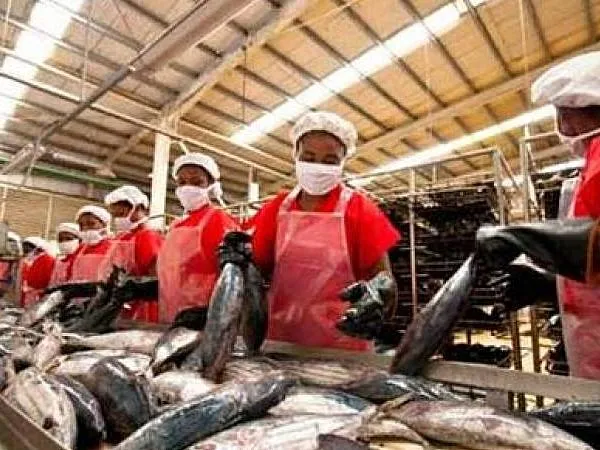
According to the National Fisheries Authority, the country's fish and fisheries goods exports exceeded K1.5 billion last year (NFA).

This was said by managing director John Kasu during the beginning of the national fisheries judicial conference, which is now taking place in Port Moresby.

“The importance of fisheries to Papua New Guinea and the economies of coastal and island communities cannot be understated,” he said.

“The export of fish and fishery products out of PNG in terms of quantity has continued to increase annually over the last years.

“Last year, the value of exports exceeded K1.5 billion for all fish and fishery products while from licensing, PNG earned close to K400 million.”

More than 103,000 tons of fish and fisheries products were shipped to international markets in 2014, according to the authority's website.

In 2019, exports nearly quadrupled to 196,000 tonnes of items, with a total export value of K1.3 billion, in only five years.

Tuna in canned, frozen, and dry meal forms, dried sea cucumber (bêche-de-mer), finfish, prawn and shrimp, sharkfin, lobster, and crab were among the fish and fisheries exports.

The combined exports from the coastal fisheries industry accounted for barely 1% of overall PNG fish and fishery exports.

Tuna exports and total combined fish and fisheries exports were dominated by onshore-based tuna processing facilities and locally-based foreign vessels.

The majority of canned tuna goods are sent to the European Union region, along with substantial amounts of frozen whole round tuna for resale or further processing, thanks to the European Union's tax-free agreement and ecolabelling certificate that Parties to the Nauru Agreement enjoy.

Under a commercial deal agreed by the presidents of the Melanesian Spearhead Group countries, PNG canned tuna is also shipped to Fiji, the Solomon Islands, and Vanuatu.


Reference: The National (3 November 2021). “Exports surpass K1.5bil”. 

November 05, 2021

Photo credit: Lowy Institute

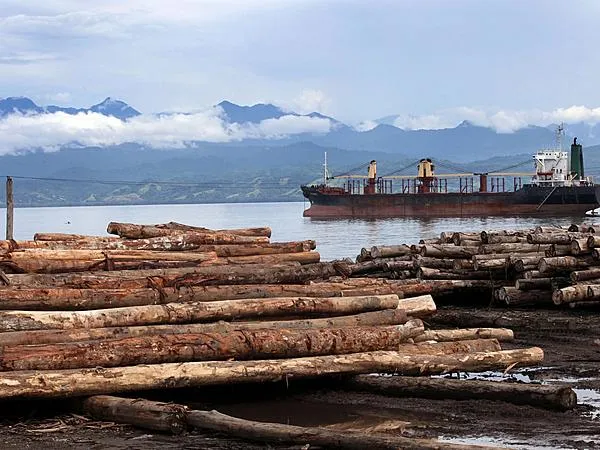
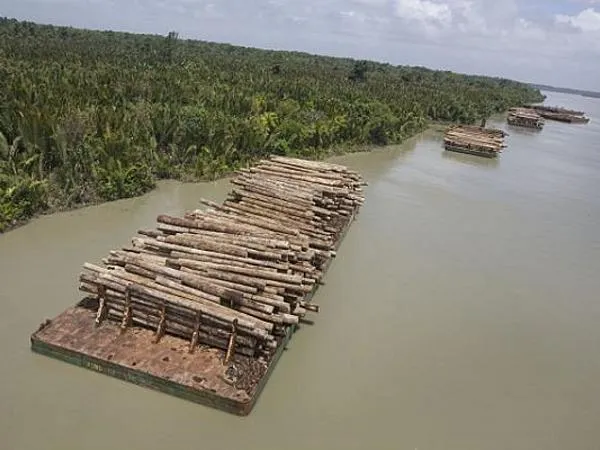
The Papua New Guinea Special Envoy and Minister for Environment Conservation & Climate Change, Hon. Wera Mori, MP, says PNG is adamant on ceasing all logging, on a large scale, completely by 2030.

He said the collective decision by COP26 to stop deforestation entirely by 2030, is an agenda PNG has always advocated for under the leadership of Prime Minister, Hon. James Marape, MP.

“It is now a formal Government policy to ban round-logging by 2025 and ban logging entirely by 2030.

“We didn’t know that this would be the position taken up by COP26, here in Glasgow. However, this is a blessing in disguise for Papua New Guinea.

Over the years these COP summits have become exaggerated, where every year we collaborate and come up with ideologies to mitigate climate change; yet nothing practical is being done, in addressing global climate issues,” Minister Mori said.

He said COP26 must change. It must not be a forum for talking and conceptualizing. It must move forward and walk the talk.

“Papua New Guinea has decided to take action, simply because, our landmass covers one per cent of the global landmass, and is host to seven per cent of global biodiversity, in terms of marine and territorial landmass.

“For us, it has been quite a challenge, simply because, despite the fact that we host 30 per cent of the remaining primary rainforest, we have become the lungs of this planet, drawing in carbon dioxide, emitted by industrialized countries.

“That has been spelt out in our National Determined Contribution, which we submitted on 18th December 2020, having been one of the first few countries in the world to do so,” Minister Mori said.

He said PNG now has all relevant enabling legislations to basically walk along that path.

“The biggest question now is, monetization of our efforts – how do we get compensated?

“We just simply can’t ban logging in PNG, as it is a $1 billion industry, where the industrialized world expects us to continue to be the carbon filters of the earth, when they are only good for talking but not being responsible for our climate predicaments,” Minister Mori said.

He said Papua New Guinea is a member of the global community so when we decide to do that, we know what the costs are, having done our part.

“We would like to see the industrialized world or the first world who are responsible for the emission of greenhouse gases, come up with financial and economic development assistance packages.

“So, if the UN or the industrialized countries wanted us to terminate logging in our country entirely, they would have to make up for the revenue we raise from that particularly industry, annually,” Minister Mori said.

He said for other members of the Coalition for Rainforest Nations (CfRN), I will also advocate on their behalf. They too must be compensated.

“It is completely unfair that we are the victims of the climate problems we have not caused,” Minister Mori said.

He also had brief pull aside meetings with the British Prime Minister, Boris Johnson, and His Royal Highness Prince Charles, at the margins of the COP26 Leaders’ Summit, in Scotland.


Article courtesy of Department of PM&NEC

October 13, 2021

Photo credit: Department of Agriculture and Livestock

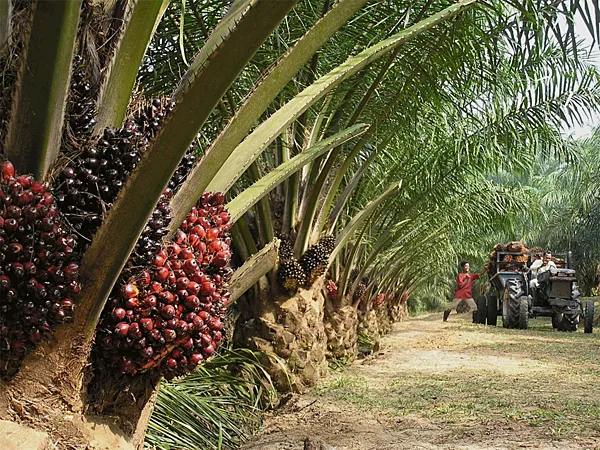
According to Oil Palm Industry Corporation (Opic) acting general-secretary Kepson Pupita, the rehabilitation of smallholder oil palm blocks would result in more money being earned.

Pupita was recently in Alotau, Milne Bay, to gift Opic workers with a motorcycle and tour abandoned dwellings on project sites.

Opic also compensated around 26 farmers who were hired to clean their blocks as part of the Opic initiative.

“In 2019, in the Alotau project, we did 687,117 metric tonnes of fresh fruit bunch,” Pupita said.

“In 2020, the time we started doing some intervention activities with the support of the government for the first time, our production went up to 733,724 metric tonnes.

“That is a small increase of 7 per cent or 46,607 metric tonnes.

“But in terms of kina, we brought in K65 million to the farmers – the gross earnings paid to the farmers.”

The Alotau project, which comprises 1,522 hectares of cultivated oil palm, has around 843 smallholder farmers.

“I continue to tell farmers that this increase in 60 per cent of world price will continue to spiral up thanks to the Coronavirus (Covid-19),” Pupita said.

“In the local communities people continue to work, because they are already isolated, the families live on their own.

“And that is the advantage of agriculture, and we will have to continue to promote agriculture.”


Reference: The National (11 October 2021). “Restoration of oil palm blocks will bring money: Official”. 

October 13, 2021

With approximately US$300,000 in funding, technical help, and mentorship support, the European Union (EU) is promoting rural entrepreneurship, investment, and trade programs.

It aims to revive the agricultural sector by partnering with private sector innovators such as Agritech, Fintech, supply chain financing, mobile money providers, and other businesses to improve access to finance, knowledge, information, and markets for agriculture micro, small, and medium enterprises.

Programme manager of the BPNG SME accelerator Dominic Sikakau said: “The fund will most likely address and develop the demand side of financial access and will contribute to poverty reduction through sustainable and inclusive economic development of rural areas, through the development of value chains of three commodities – cocoa, vanilla and fisheries in that region.”

Shortlisted candidates would be asked to provide at least 30% of the overall project cost, which includes technical resources, personnel, and operations.

In addition, they will participate in a three-day bootcamp, pitching support, business support building, and pitching coaching.

Marco Arena, EU’s innovative financing specialist said: “The EU believes SMEs are key enterprises to the sustainable development of PNG.

“With technical assistance, companies can compete for resources that they will be able to use and to grow to expand their businesses and create jobs and opportunities for low-income areas,” Arena said.


Reference: The National (11 October 2021). “EU allocates US$300,000 to revive agriculture sector”. 

October 13, 2021

PM Marape Gives K1.5 Million For Coffee Development in Menyamya . Photo, PNG Government media

Hon. James Marape, the Prime Minister of Papua New Guinea, has set aside K1.5 million for coffee development in rural Menyamya, Morobe, which produces some of the best coffee in the country.

During his one-day visit to Menyamya Station last week, he revealed this to hundreds of people.

PM Marape was accompanied by members of the ruling Pangu Pati, including Education Minister Hon. Jimmy Uguro, Morobe Governor Hon. Ginson Saonu, and Menyamya MP Hon. Benjamin Philip.

He stated that K1.5 million would go into a coffee depot and K500,000 would go toward coffee price support managed by local churches.

“I want the Menyamya District Administration to set up a good coffee-buying depot here for K1 million so farmers don’t need to carry heavy bags on their shoulders to find markets in Bulolo and Lae,” PM Marape said.

“I want coffee to be bought here at good prices, which farmers can collect, and then return to their gardens

“I want the churches to get the K500,000 and buy coffee at good prices.

“Our Government has put in place a price support programme to support coffee, cocoa, copra, vanilla and other agriculture produce.

“Coffee buyers who are buying here, and at Marawaka (Eastern Highlands) for K1.50 per kg, should now be paying K6 per kg.

“I want the Menyamya District Administration to partner with the churches in delivering this programme.

“I am engaging the churches so they can involve young people and get them back to their coffee gardens.

“The churches will then buy coffee at a good price.”

PM Marape recently stated at the United Nations General Assembly in New York City that PNG is "one huge garden."

“Our job as Government is to help you get your produce to markets,” he said.

“If five million Papua New Guineans go to agriculture, and produce one bag of coffee, cocoa or copra, you are contributing K1.5 billion extra on top of our current National Budget of K12 billion.”

PM Marape stated the Pangu Pati had envisioned a PNG where everyone had money when the country gained independence in 1975, but that this had fallen by the wayside.

“We are now picking up and putting PNG back on the right road to economic independence, where everyone will have money in their pockets,” he said.

“When my Government realised that the price of coffee, cocoa and copra was very low, and deterring farmers, we decided to introduce price support and buying points at the farm gate.”


Reference: Papua New Guinea Today (10 October 2021). “PM Marape Gives K1.5 Million For Coffee Development in Menyamya”. 

August 30, 2021

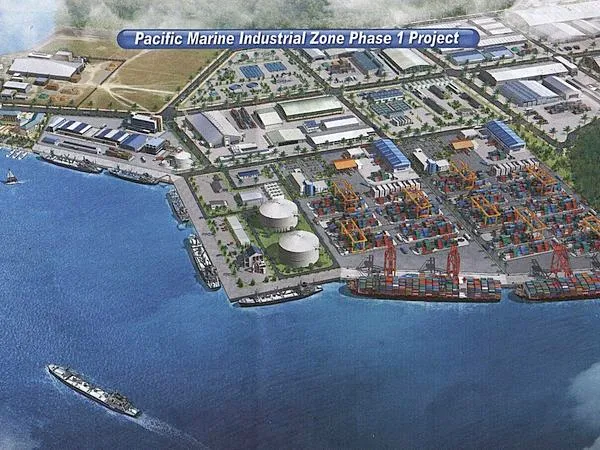
Madang Province's Pacific Maritime Industrial Zone will be redeveloped to become a regional fish processing centre.

The National Fisheries Authority and the Treasury Department are collaborating on the project's development and financing plan.

Ango Wangatau, head of the National Fisheries Authority, said the regional processing hub will bring together other Pacific Island governments to achieve a critical mass of tuna processing and export from the Pacific.

PNG will inevitably emerge as the leading country as the hosting hub.

According to him, the sector expects to gain more than 30,000 new jobs as a result of the PMIZ's launch, with income-producing over K3 to K4 billion.

“Maximising export earnings is contingent on increasing value-adding production and the PMIZ redevelopment is the platform to achieve it.

“The NFA Board is confident that this investment will lift PNGs value-adding capacity to another level in the commercialisation agenda.”

The National Fisheries Board, according to Wangatau, is dedicated to participating in these changes and is convinced that the plan's road map will enable the fisheries sector to contribute to the objective of "Taking Back PNG and Leaving No Child Behind."

He stated that he has been in discussions with super funds about partnering with NFA to invest in infrastructure and allowing private sector participation, which would help the industry to develop additional facilities and achieve the anticipated outcomes.


Reference: Yafoi, Melisha. Post-Courier (27 August 2021). “Pacific Maritime Industrial Zone In Madang Back On The Table”. 

August 30, 2021

The absence of a sectorwide strategic plan detailing the sector's future roadmap has been a significant flaw in the transformation.

Chairman of the National Fisheries Authority Ango Wangatau made this comment during the introduction of the NFA's 10-year strategic plan.

While annual development programs were driven primarily by the parameters of annualised budget planning, he claimed the tuna processing industry operated primarily as a rent-seeking revenue stream from the Vessel Day Scheme and underperforming tuna processing plants that sought disproportionate rebate support from the state.

True progress, he added, should be judged not by GDP but by the degree to which people are given the chance to participate in the betterment of their own lives.

“The founding fathers recognised that we had abundant natural capital that can be converted into economic wealth and they warned that the process should not be done through careless irresponsible actions but through responsible sustainable means,” Wangatau said.

“These founding principles of development are still very relevant today as they were more than 40 years ago.

“Unfortunately, in our short history, we have moved away from these noble principles and followed a road map that is inconsistent with our own Melanesian beliefs of inclusivity and sustainability.

“The result has been the unsustainable overexploitation of our natural resources, over-dependence on the export of raw materials and denying ourselves maximum export earnings on the value of exports, the marginalisation of our people, overdependence on rent-seeking modes of development and creation of a culture of dependency in our communities.

“Clearly, this is not the development road map that our founding fathers envisioned.

“Correcting it has therefore become necessary in all sectors of our economy.

The fisheries sector is no exception.”

Despite numerous changes, he added, there are still problems in translating reforms into tangible broad-based prosperity that includes ordinary Papua New Guineans and their significant contribution to progress.

As a result, he explained, the strategic plan would focus on creating enabling infrastructure and improving the industry's operating environment.

“This will involve investment in dedicated fisheries development and transportation infrastructure such as wharves, ports, jetties, slipways and onshore facilities to enhance the competitiveness of the industry.”


Reference: Yafoi, Melisha. Post-Courier (27 August 2021). “Resources Important For Growth”.

August 30, 2021

Policy changes in agricultural and small-to-medium companies, according to Bank of PNG Governor Loi Bakani, would boost the PNG Kina versus other currencies.

Bakani warned stakeholders at a CPA conference in Lae that the country has been missing out on a golden chance for years. He said that the value of the PNG Kina has fallen by 41% between 2012 and 2020.

The kina value versus the US dollar was as high as 0.4 toea when the PNG Liquefied Natural Gas (LNG) plant began exporting.

“When foreign exchange from PNGLNG stopped, there wasn’t sufficient forex coming in or from other mining or non-mineral sectors to sustain the appreciation of kina,” he said.

Bakani said if policies were in place to encourage the agriculture and SME sectors, import substitution and export promotion, kina would have remained stable.

“In the last two years, we’ve seen a big pick-up in the export of non-minerals, especially in agriculture, to generate a lot of forex.”

He advised stakeholders to cut imports and increase exports.

The Wafi-Golpu project, the Porgera mine, and the Papua LNG projects, according to Bakani, have the potential to reverse the trend and boost the Kina.

“This is the idea to address this shortcoming with the PNG LNG project where the government gets early revenue, the foreign exchange comes to banks and helps exchange rates to appreciate.”


Reference: The National (25 August 2021). “Bakani: Policy reforms in agriculture, SME will strengthen Kina”.