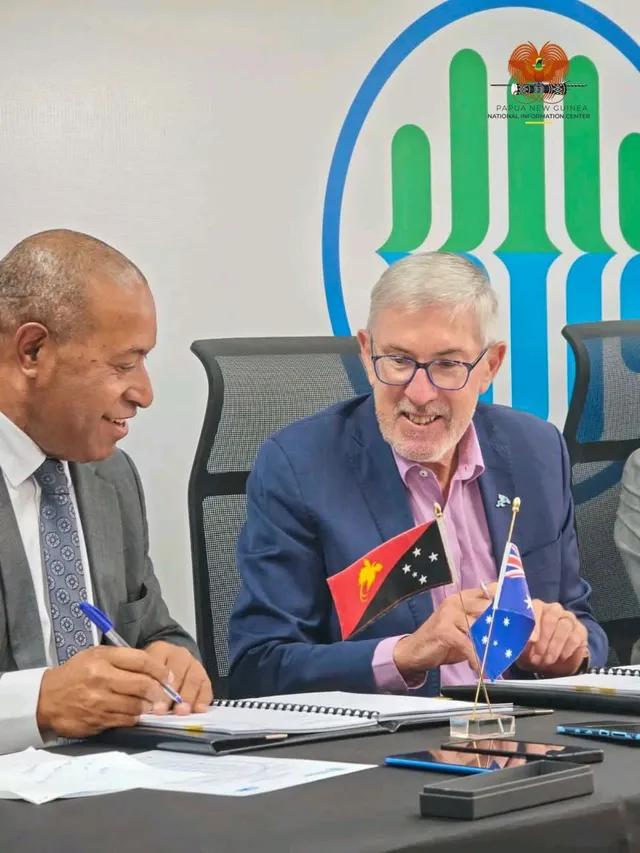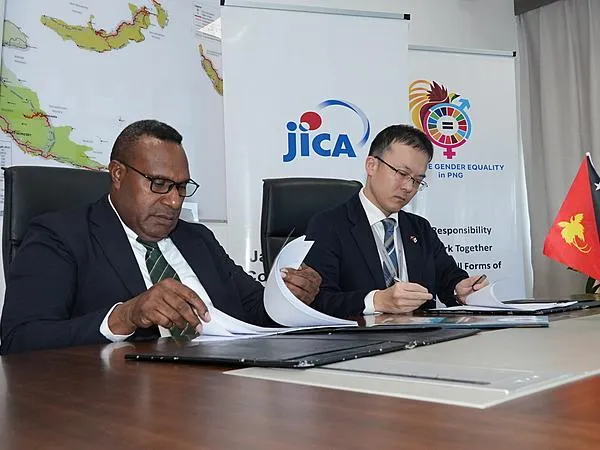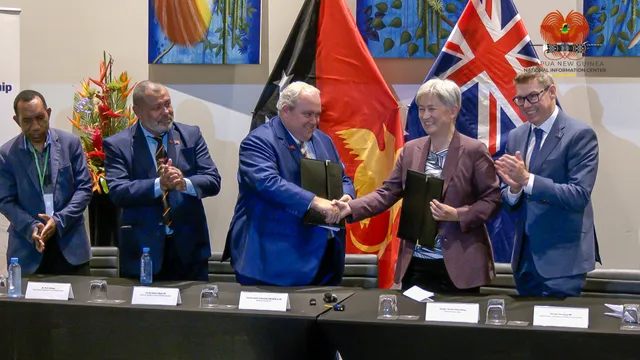
The Bank of Papua New Guinea and 15 financial institutions have signed the PNG Empower Finance Code, committing to identify and reduce the ways financial products and services can be used to control, exploit or harm customers.
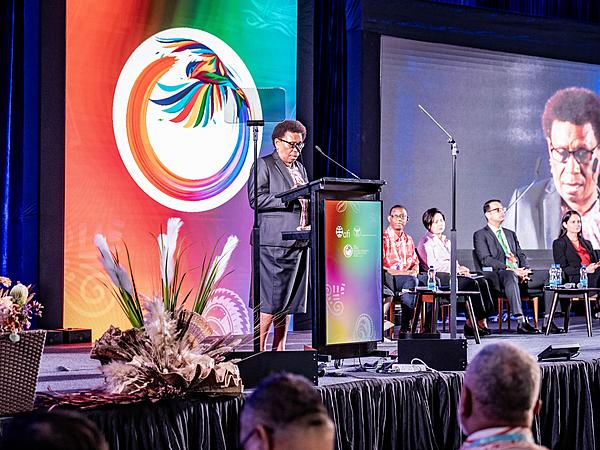
The voluntary Code was signed on the margins of last week's Alliance for Financial Inclusion Global Policy Forum in Port Moresby, which brought together central bankers and financial regulators from 79 countries.
BPNG Governor Elizabeth Genia said financial abuse can undermine financial inclusion, economic participation and confidence in the financial system.
“A person is not genuinely financially included if access to financial services makes them more vulnerable,” Genia said.
Financial abuse can include taking control of another person's income, creating debt in their name, restricting access to money, misusing passwords or accounts, or using financial services to intimidate or control another person.
The Code was co-designed with the financial sector through the PNG Empower Finance Community of Practice, established by BPNG in May 2026 with support from the International Finance Corporation, Australian Department of Foreign Affairs and Trade's PNG Women Lead, and the Centre for Excellence in Financial Inclusion.
The initiative brings together banks, savings and loan societies, finance companies, superannuation funds and payment service providers.
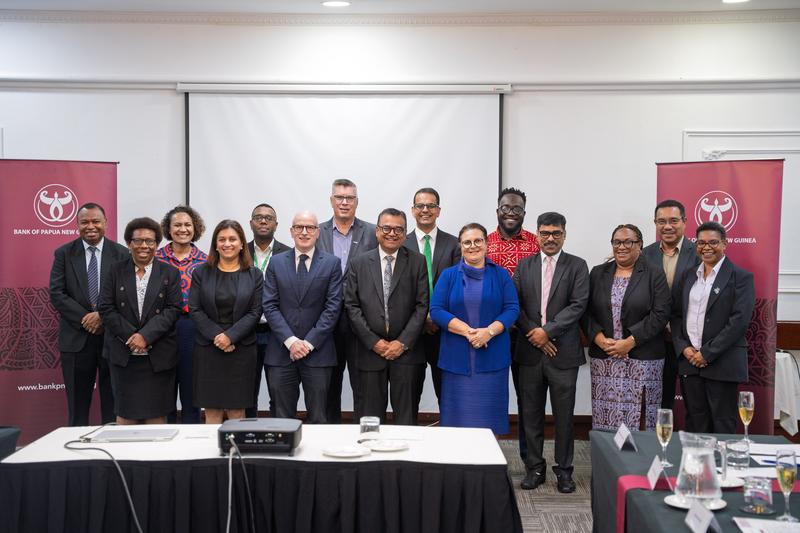
Signatories have committed to four areas: working together to identify and address risks; building financial capability and awareness; promoting safer financial services; and learning from experience and reporting progress.
The Code does not create new legal or regulatory obligations. Instead, participating institutions will join the Community of Practice, increase staff awareness, assess how their products and systems could be misused and implement practical improvements.
Genia said BPNG was, to its knowledge, the first central bank or financial regulator globally to bring financial institutions together to co-design a voluntary industry code specifically addressing financial abuse.
The Code was presented to central bankers and regulators attending the AFI forum, with Genia encouraging other countries, including Pacific neighbours, to consider similar approaches.
CEFI is developing financial-abuse training for participating institutions, with the aim of progressively incorporating awareness of financial abuse into broader financial education programmes.
“Signing the Code does not mean that every organisation is expected to already have all the answers,” Genia said. “It means they are committing to learn, identify risks and make practical improvements.”