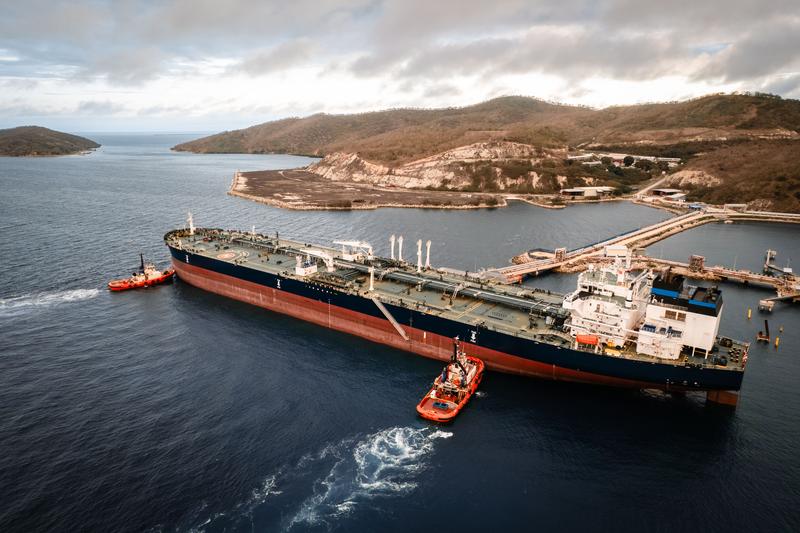
Pacific Towing (PacTow) is joining the international maritime community in marking the 30th anniversary of the International Convention on Salvage 1989 entering into force—a milestone that continues to underpin marine salvage operations, environmental protection, and maritime safety around the world.
The Convention entered into force in July 1996 and established the internationally recognized legal framework for marine salvage. It reinforced the long-standing principle of "no cure, no pay," meaning professional salvors like PacTow undertake emergency response at their own financial risk and are rewarded only when their efforts are successful.
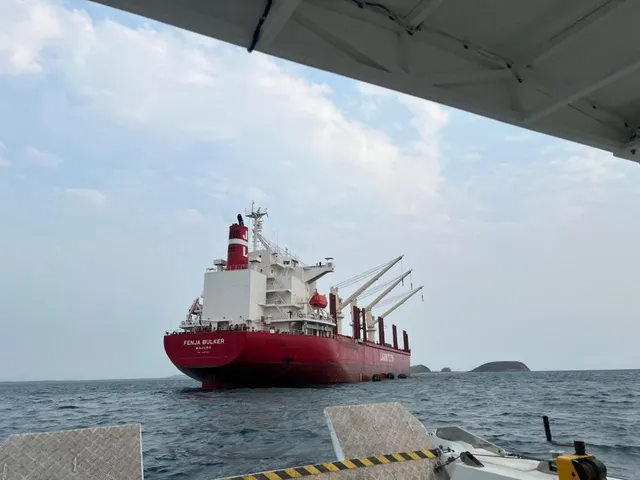
Although harbor towage is PacTow's core business, the company has successfully completed more than 100 salvage operations across Papua New Guinea and the wider Pacific, supporting shipowners, insurers, governments, and coastal communities.
PacTow General Manager Gerard Kasnari said the anniversary was an opportunity to recognize both the Convention and the people who respond when vessels are in distress.
"The Salvage Convention provides the legal foundation that enables professional salvors to respond quickly and confidently when ships need assistance," Mr. Kasnari said.
"Every successful salvage operation helps protect lives, ships and their cargoes, and the marine environment. Those outcomes are just as important today as they were 30 years ago."
PacTow is proud to be a long-standing full member of the International Salvage Union (ISU) and remains the only full ISU member in Melanesia. The ISU represents the world's leading professional salvage companies and works to promote high standards across the global salvage industry while supporting the continued development of international salvage practices.
The company is also a member of the International Spill Control Organization (ISCO), recognizing the close relationship between marine salvage and environmental protection. Salvage operations often involve managing the risk of fuel, oil, or hazardous cargo entering the marine environment, making effective spill preparedness and response an essential part of modern salvage capability.
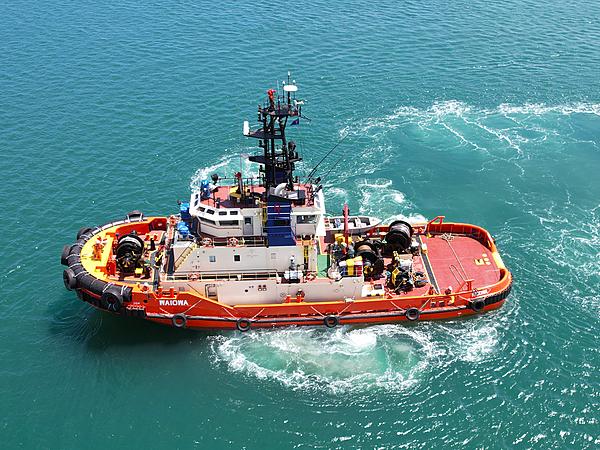
PacTow's dedicated salvage, emergency response, and spill response capability is supported by a strategically positioned fleet operating throughout Papua New Guinea and the Solomon Islands. It also has specialized equipment and experienced personnel—including Melanesia's only commercial dive team—trained to respond rapidly to maritime incidents across the region.
Mr. Kasnari said maintaining regional emergency response capability is becoming increasingly important as shipping activity continues to grow throughout Papua New Guinea and the Pacific.
"Papua New Guinea sits on important international shipping routes and supports major resource, energy, and trade industries. Having an experienced, locally based salvage and emergency response capability is critical to keeping vessels moving safely, protecting our marine environment, and supporting confidence in regional trade."
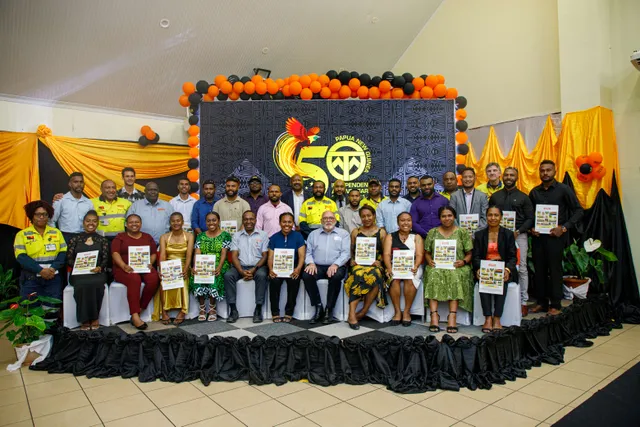
"As PacTow approaches its 50th year of operation in 2027, we remain committed to investing in our people, equipment, and capability so that shipowners and the wider maritime community can rely on a rapid, professional response whenever it is needed."