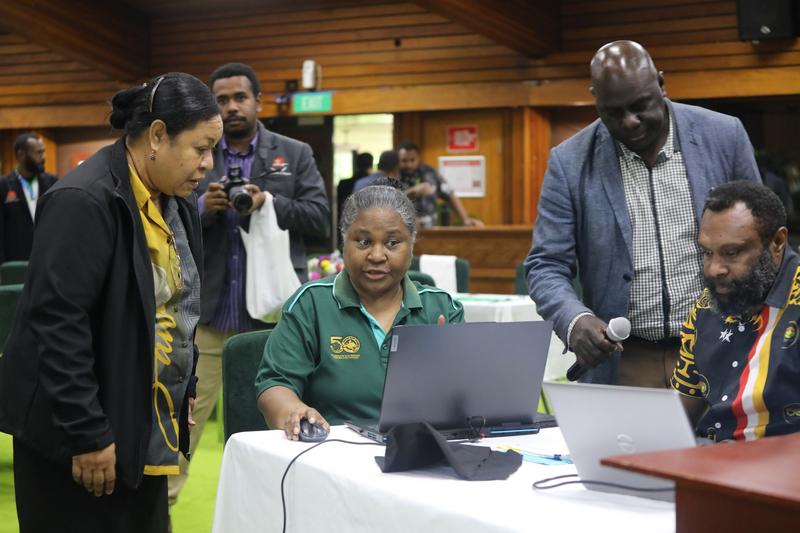
Papua New Guinea’s National Parliament has launched an electronic funds transfer (EFT) system, marking a key step in modernising its financial operations and improving institutional service delivery.
The rollout forms part of broader public finance reforms led by the Department of Finance, in collaboration with the National Payment Commission and the Bank of Papua New Guinea, aimed at phasing out cheque-based payments across all government agencies by 2027.
The initiative builds on earlier digitalisation efforts, including the adoption of the KunduPei platform in 2018 and the rollout of the Integrated Financial Management System (IFMS) within the National Parliamentary Service in June 2025.
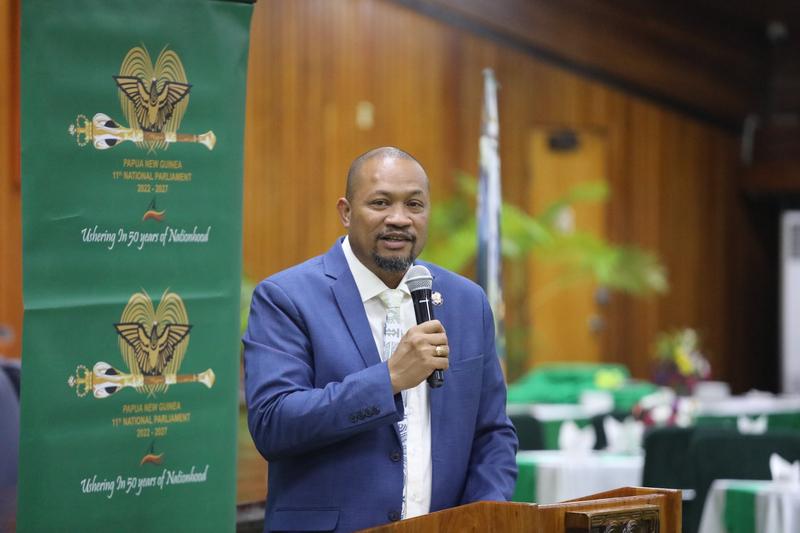
Clerk of Parliament Kala Aufa said the introduction of EFT would enhance accountability, transparency and operational efficiency across the legislature’s financial processes.
“With EFT and IFMS working together, every transaction will now be recorded, traceable and auditable. This strengthens our accountability as custodians of public funds,” he said.
Aufa also acknowledged the contributions of key stakeholders and parliamentary staff in implementing the system.
The move underscores Parliament’s commitment to strengthening public financial management frameworks while advancing more efficient, transparent and accountable service delivery across government.