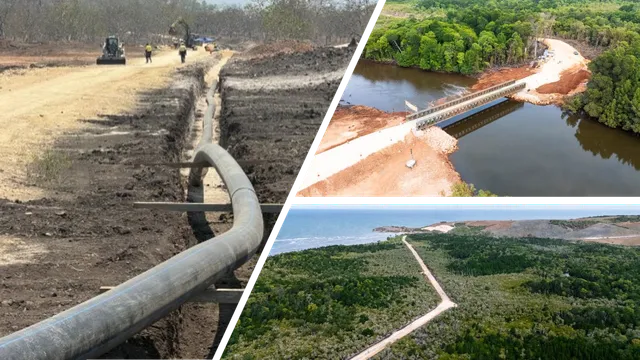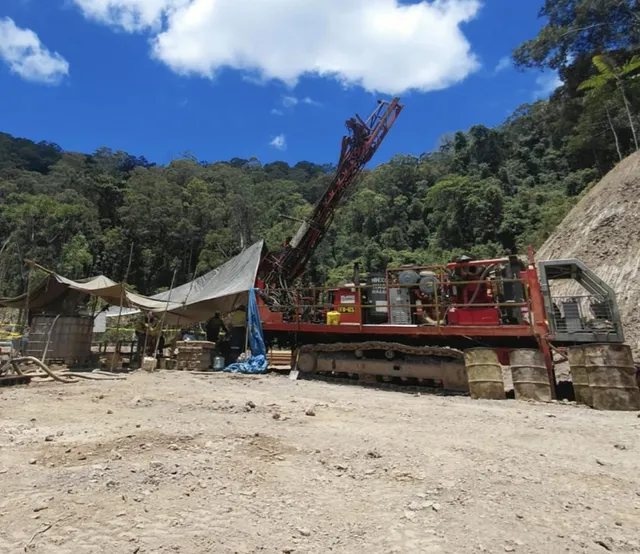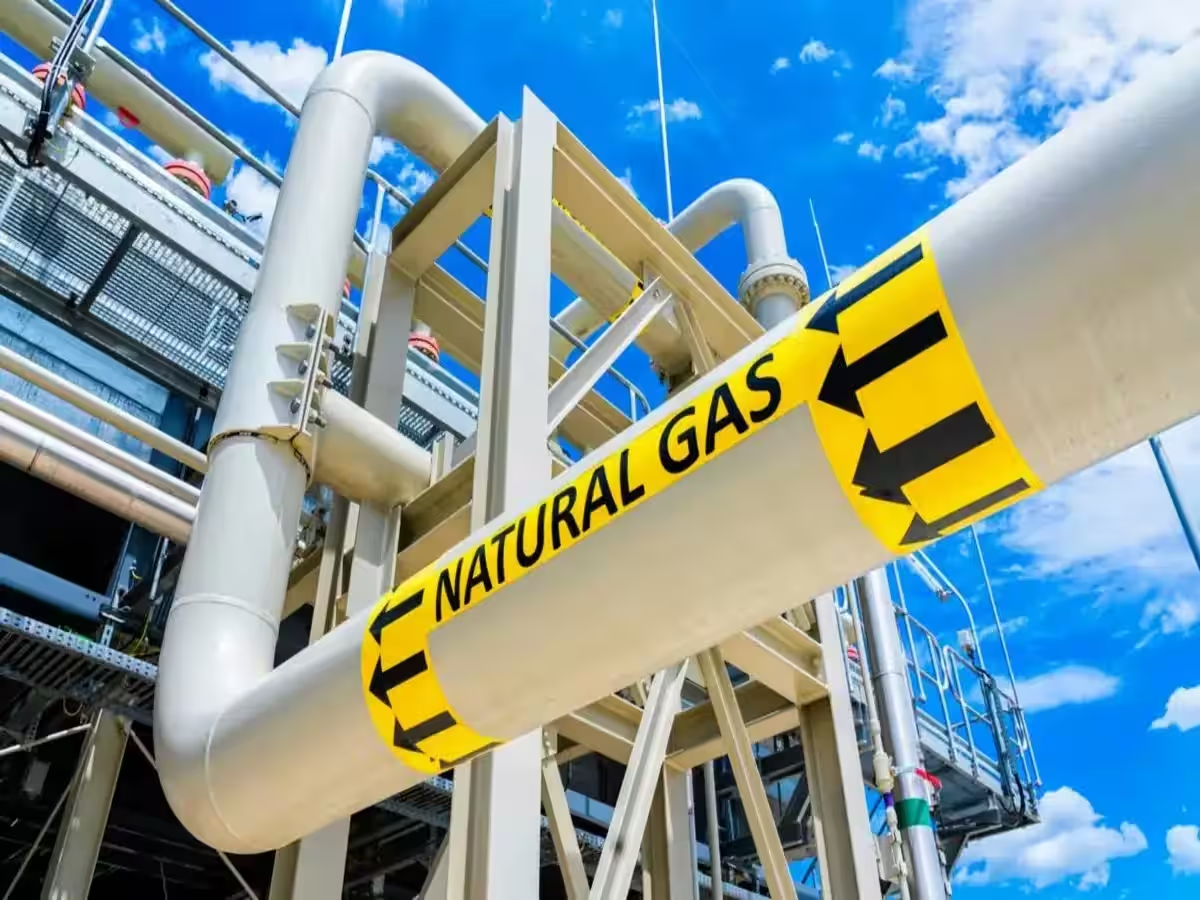
Papua New Guinea could face more than two decades of major construction activity from a potential US$60 billion pipeline of gas projects, following Parliament's passage of legislative changes needed for the US$14.5 billion Papua LNG project.
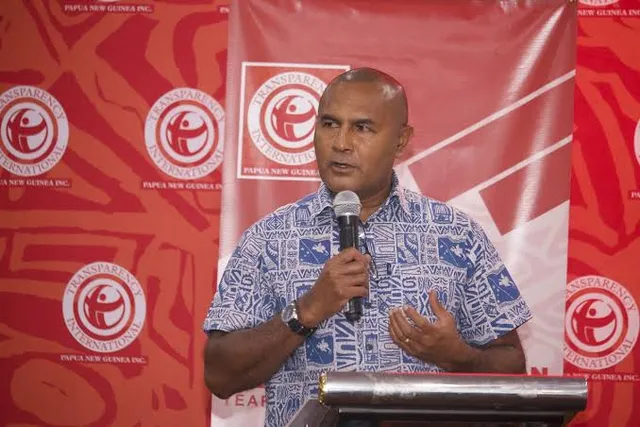
Papua New Guinea Chamber of Resources and Energy (PNGCORE) president and PNG Investment Week convenor Anthony Smaré said the certification of the legislation on Friday brought the Papua LNG project closer to a final investment decision (FID), potentially setting the stage for successive developments across the country's petroleum sector.
He said Papua LNG would be the first of several major projects expected to sustain construction activity, with P'nyang, Muruk, Pasca and Wildebeest among the developments that could follow.
"Papua LNG will be the first of several. Once the partners take FID we start building, and if we manage it well we won't stop for a long time. P'nyang, Muruk, Pasca and Wildebeest are all lined up behind it. Put them together and PNG has twenty years of construction work in front of it," Smaré said.
Papua LNG is estimated to cost US$14.5 billion, while the P'nyang project is valued at about US$10 billion and Muruk at US$3 billion.
Twinza's offshore Pasca project is estimated to require US$2.5 billion over two phases, bringing the combined potential investment in the four projects to about US$30 billion.
Wildebeest could add another US$30 billion if further drilling establishes its commercial viability, potentially taking the total gas project pipeline to US$60 billion.
The proposed Wafi-Golpu and Frieda River copper-gold projects could provide additional investment opportunities beyond the gas sector.
Smaré said the potential scale of the developments could substantially exceed the investment associated with the PNG LNG project, which cost about US$19 billion.
"If Wildebeest is proven, we are looking at about three times that in gas projects alone. I don't think people here or overseas have fully realised what is coming," he said.
Building a continuous construction industry
Smaré said the economic opportunity extended beyond the value of individual projects, with the sequencing of developments potentially allowing Papua New Guinea to establish a sustained construction and services industry.
He cited the experience of the PNG LNG project, which employed more than 21,000 workers at the peak of construction. When construction ended in 2014, the workforce fell to about 2,000 as contractors departed and project-related employment declined.
Local businesses that had invested in trucks, equipment and additional employees to service the project also faced difficulties finding replacement work.
Smaré said a properly coordinated development schedule could prevent a repeat of that experience by allowing workers, contractors and suppliers to move from one major project to another.
A welder completing work on Papua LNG, for example, could transfer to P'nyang, while companies operating fabrication yards, accommodation camps and logistics services could maintain their operations as successive projects move forward.
He said continuity would encourage local businesses to invest in equipment, facilities and skilled personnel without facing the same uncertainty associated with the completion of a single major project.
The longer-term opportunity included developing a permanent domestic construction and services industry supported by trained tradespeople, supervisors, fabrication and maintenance facilities, engineering companies, equipment hire providers, accommodation operators, logistics businesses and marine services.
It could also improve access to longer-term financing as banks gain greater confidence in businesses with a sustained pipeline of contracts.
"Other resource countries built their supply industries on the back of a steady flow of projects. We now have that flow, and we should make the most of it," Smaré said.
Investment opportunities for local businesses
Smaré said the succession of major resource developments could provide greater certainty for international investors and contractors considering long-term investments in Papua New Guinea.
He said a pipeline extending over 20 years, involving developers such as ExxonMobil, Kumul Petroleum and Santos and their partners, would provide stronger incentives for companies to establish workshops, fabrication yards, training facilities, housing, power and transport infrastructure.
"Investors look for certainty. One project on its own is a risk. A pipeline stretching over twenty years, led by ExxonMobil, Kumul Petroleum, Santos and their partners, gives a company good reason to invest in PNG for the long term," he said.
He encouraged businesses to establish a presence in the country ahead of the expected wave of project development, warning that companies delaying their investment decisions could lose opportunities to early entrants.
PNG Investment Week
The potential US$60 billion gas project pipeline will feature prominently at PNG Investment Week 2026, scheduled for November 29 to December 2 at the International Convention Centre in Sydney, Australia.
Smaré said the event would bring together government officials, project developers, investors, regulators, financiers and contractors following Parliament's passage of the Papua LNG legislation.
The programme is expected to attract about 1,800 delegates and will feature discussions on the country's investment prospects, resource developments, financing and infrastructure requirements.
Prime Minister James Marape is scheduled to open the PNG Leaders Summit on November 30, while Papua LNG will be discussed during a dedicated session at the PNG Resources Investment Summit on December 1.
Other speakers expected to participate include Santos managing director and chief executive officer Kevin Gallagher, ExxonMobil PNG chairman and managing director Dinesh Sivasamboo, and Kumul Petroleum Holdings chairman Isaac Lupari.
The programme will also include the PNG Regulators Forum on November 29, the PNG Finance and Capital Forum on December 1, and the PNG Infrastructure and Climate Investment Summit on December 2.
Smaré said the event would provide an opportunity for local and international companies to assess investment opportunities arising from the country's prospective resource developments.
PNGCORE is the industry association representing operators, explorers and other stakeholders in Papua New Guinea's resources and energy sectors.