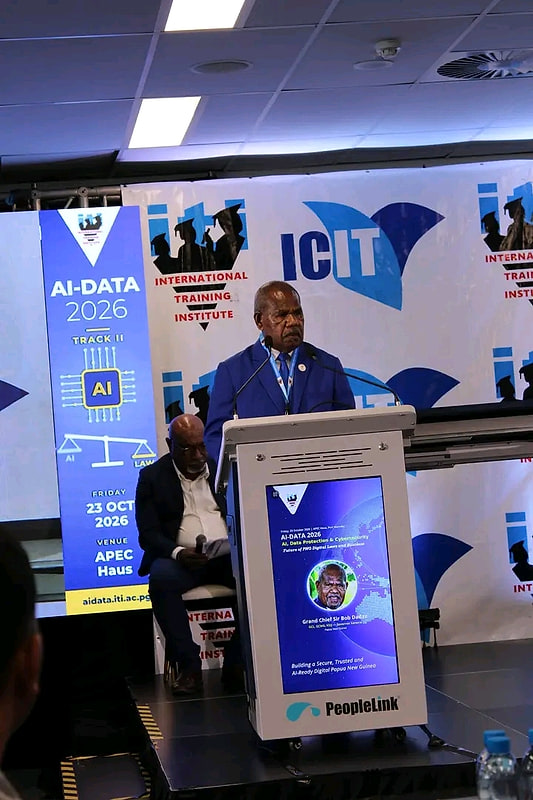
Papua New Guinea must strengthen its data protection, cybersecurity and digital trust frameworks as it expands the use of digital technology across government, businesses and communities, Governor-General Grand Chief Sir Bob Dadae says.
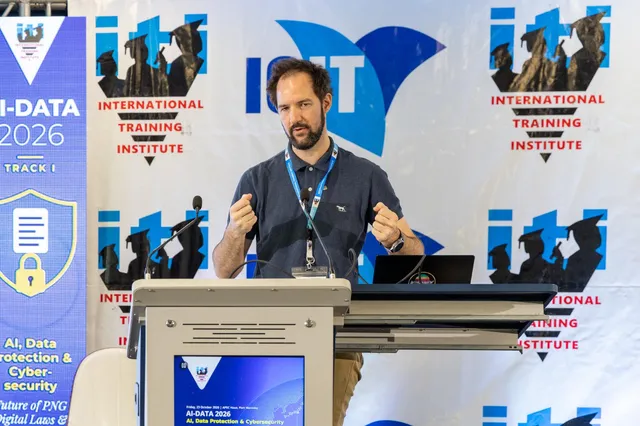
Sir Bob made the remarks during the opening of the AI-Data 2026 Conference at APEC Haus in Port Moresby on October 23. The conference, supported by title sponsor NuiPay, was held under the theme of building a secure, trusted and AI-ready digital PNG.
He said the event provided an opportunity for government officials, industry representatives and technology experts to examine the opportunities and challenges presented by artificial intelligence, data protection and cybersecurity.
Digital transformation could improve public service delivery, expand access to financial services and connect people in rural and remote communities. However, these benefits must be supported by appropriate legal safeguards and cybersecurity measures, he said.
Sir Bob welcomed participants from Malaysia and Singapore, stressing the importance of international cooperation in addressing cyber threats that cross national borders. He said PNG could draw on other countries' experiences while developing solutions suited to its own circumstances.
He noted that mobile phones had evolved beyond communication devices into essential tools for banking, shopping, education, accessing information and transferring money.
"Today, that same phone can be a bank, a shop, a newspaper, or a classroom, and a way to send money home to your loved ones in the villages," he said.
He cited examples such as families paying school fees digitally, coffee growers checking market prices before transporting their produce and students in provincial centres accessing courses remotely.
However, these services also expose sensitive personal information, including financial details, health records, photographs and private communications, making data protection increasingly important.
Digital transformation and government services
Sir Bob said only about one in four Papua New Guineans used the internet, with connectivity still limited or unavailable in many rural and remote areas.
He said this gave the country an opportunity to establish safeguards as digital adoption expanded, rather than waiting for problems to emerge.
The Government had taken steps towards digital transformation through initiatives such as Service Pass and Service Wallet, which aim to make digital identification and access to public services more convenient.
He also cited the Government's target of providing public servants with digital identification by the end of 2026.
As more services move online, protecting personal information and maintaining public confidence in digital systems would be essential, he said.
Cybersecurity threats and financial risks
Sir Bob warned that cybercrime was increasingly affecting government institutions, businesses and individuals.
He cited fake Facebook pages impersonating banks and government agencies, fraudulent job and scholarship offers demanding processing fees, and compromised accounts used to solicit money from friends and relatives.
These scams were causing financial losses for families, particularly those least able to afford them, he said.
Artificial intelligence was adding to the risks by making it easier to generate convincing fake voice recordings and videos. Such content could spread misinformation, damage reputations and undermine public trust.
He urged Papua New Guineans to exercise caution when using digital platforms and sharing information online.
Three proposed laws to strengthen digital protection
Sir Bob said the Government was working to strengthen the country's legal framework for data protection, cybersecurity and trust in digital services.
He confirmed that the Government published feedback in August 2026 on three draft legislative proposals: the Data Governance and Data Protection Bill 2026, the Cybersecurity Bill 2026 and the Trust Services Bill 2026.
The proposed data protection legislation seeks to safeguard personal information and ensure organisations handle data responsibly. The Cybersecurity Bill aims to strengthen the country's capacity to prevent, respond to and manage cyber threats, while the Trust Services Bill is intended to support confidence in digital transactions and services.
He also highlighted work on a draft artificial intelligence adoption framework and a national digital transformation strategy.
AI must be introduced responsibly, with due regard for PNG's national identity, languages, cultural values and customary practices, he said.
As the technology becomes more widely used in healthcare, education, banking and public services, people must remain accountable for decisions made through AI systems. Citizens should also be able to question and understand decisions that affect them.
Building skills and public awareness
Sir Bob said strengthening PNG's digital capabilities would require investment in education, skills development and professional expertise.
He pointed to the need for lawyers who understand technology, engineers familiar with legal requirements and police officers trained to collect and handle digital evidence.
Teachers also have an important role in helping children stay safe online, while young people and adults should be encouraged to pursue careers in cybersecurity, data protection and artificial intelligence.
He acknowledged the International Training Institute's contribution to skills development and its work with partners to strengthen the country's digital capabilities. Collaboration among educational institutions, government and industry would be crucial to developing local expertise, he said.
Sir Bob also urged citizens to take greater responsibility for protecting their personal information by keeping PINs and passwords private, checking links before clicking and verifying suspicious online communications.
He said PNG's transition to a digital society must protect people's rights, keep communities safe and ensure that the benefits of technology reach all parts of the country.
"Our generation has a responsibility to ensure that as Papua New Guinea moves to the digital age, our people are safe, our rights are respected, and the benefit of technology reaches our communities," he said.