Businesses in Papua New Guinea are being urged to strengthen workplace awareness, prevention and testing programmes for HIV and sexually transmitted infections (STIs) as the country recorded an estimated 11,000 new HIV infections in 2025.
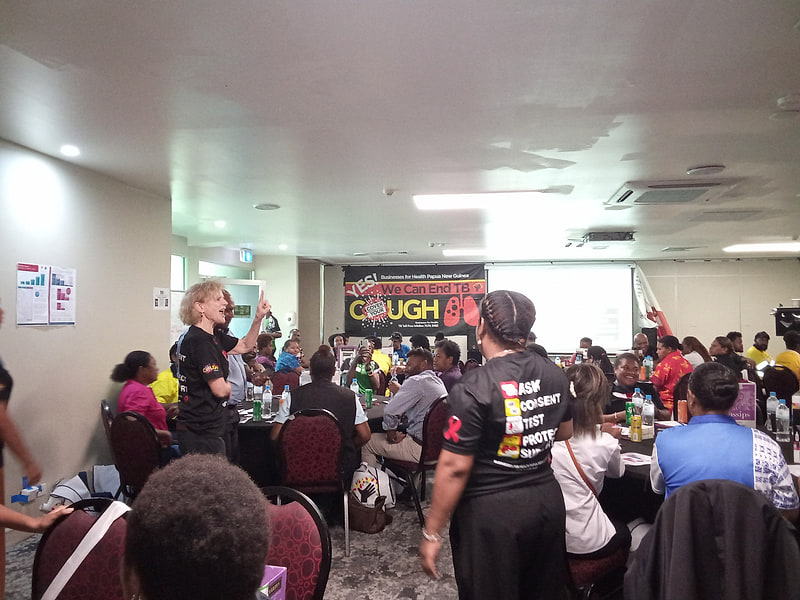
The call was made by Dr Ann Clarke, programme manager of Businesses for Health Papua New Guinea (B4H), during the organisation's 2026 Annual HIV Workshop on Wednesday, November 4, held under the theme "Let's Talk".
Clarke warned that Papua New Guinea could face a worsening HIV and STI crisis as major economic developments, increased investment, workforce mobility, election-related activities and tourism create conditions that could increase the risk of transmission.
She said rising alcohol consumption and opportunities for casual and transactional sex could further compound the risks if businesses and communities were not adequately prepared.
While these developments offered significant economic opportunities, Clarke stressed that greater attention and investment in protecting people's sexual health were equally necessary.
According to the National Department of Health's 2026 HIV Fact Sheet, an estimated 130,000 people were living with HIV in Papua New Guinea, representing a national prevalence rate of 1.5 per cent.
The country recorded an estimated 11,000 new infections in 2025, while 3,100 people died from AIDS-related illnesses during the same period.
The fact sheet also recorded 388,425 HIV tests conducted nationwide, resulting in 11,176 people being diagnosed with HIV.
However, only 62,607 of the estimated 130,000 people living with the virus were receiving antiretroviral therapy (ART), highlighting a substantial gap in treatment coverage and the need to improve testing, treatment access and continuity of care.
Clarke also raised concerns about the vulnerability of women and young people, particularly during election periods, when increased population movement, financial pressures and social activities can expose them to sexual exploitation, violence and sexually transmitted infections.
Between 2015 and 2024, HIV infections among young people aged 15 to 24 increased by 85 per cent in Papua New Guinea.
She also cited Fiji's rapidly growing HIV epidemic as a warning for the country, particularly the risks associated with methamphetamine injecting and the sharing of contaminated needles.
Clarke said Papua New Guinea needed to broaden its prevention strategy beyond sexual transmission to address risks associated with injecting drug use, hepatitis B, hepatitis C and other STIs.
"We must put more HIV and STI prevention education and enable access to testing services now. Condoms need to be easily accessible everywhere," she said.
Gaps in maternal and child health services
The National Department of Health's 2026 HIV Fact Sheet also highlights significant gaps in preventing mother-to-child transmission.
The assessment estimates that Papua New Guinea recorded 281,700 pregnancies, with 162,201 pregnant women attending at least one antenatal care visit in 2025.
Of those who accessed antenatal care, 114,729 received at least one HIV test, with 1,368 testing positive.
An estimated 7,700 pregnant women were living with HIV, but only 2,317, or 30 per cent, were receiving antiretroviral treatment.
The fact sheet further estimates that 2,352 children acquired HIV through mother-to-child transmission in 2025, with the transmission rate standing at 31 per cent.
These figures underscore the need to expand antenatal HIV screening, improve early diagnosis and ensure pregnant women living with HIV receive timely treatment to reduce transmission to their children.
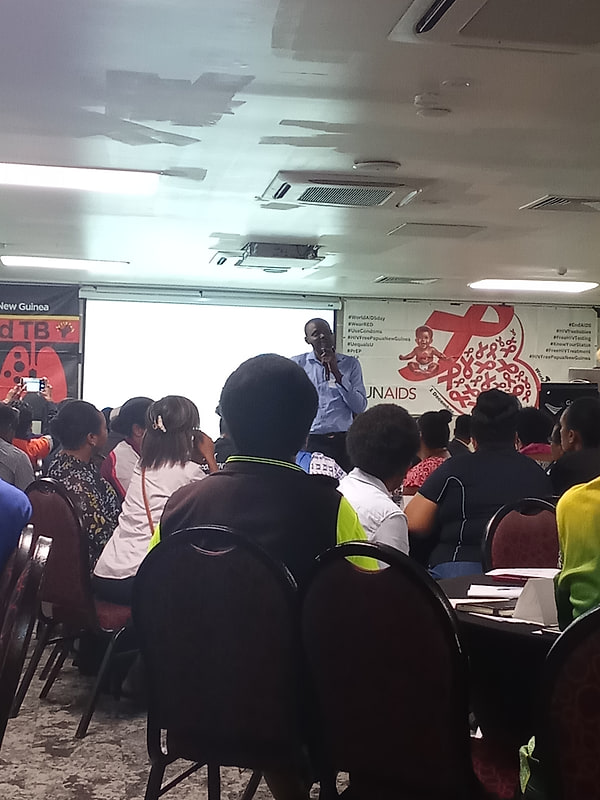
Senior Technical Adviser for HIV Testing Services and Prevention Dr Abubakar Magaji identified three key areas requiring attention to strengthen the country's triple elimination response: policy and coordination, service delivery, and monitoring and evaluation.
He said pregnant women attending antenatal care should receive a comprehensive package of services, including HIV and STI screening, testing and treatment where necessary.
Testing, prevention and treatment remain critical
Magaji also emphasised the importance of practical prevention measures, including the correct and consistent use of condoms, regular HIV testing and access to preventive medication.
He explained that condoms help protect against HIV and other STIs while also preventing unintended pregnancies.
He also discussed pre-exposure prophylaxis (PrEP), medication taken by people at risk of HIV exposure to reduce their chances of acquiring the virus, and post-exposure prophylaxis (PEP), which can help prevent infection following potential exposure if started within 72 hours.
Magaji stressed that HIV testing remained essential for individuals to know their status and access appropriate care and prevention services.
Those who test positive should be promptly linked to antiretroviral treatment, while those who test negative should be provided with appropriate prevention guidance and services.
The 2026 HIV Fact Sheet also points to gaps in monitoring treatment effectiveness. Only 11,467 people receiving ART had undergone viral load testing, representing 18 per cent, according to the report.
Viral load testing measures the amount of HIV in a person's blood and helps determine whether treatment is working effectively and whether the virus has been suppressed.
Papua New Guinea's national response aims to achieve the UNAIDS 95-95-95 targets, which require 95 per cent of people living with HIV to know their status, 95 per cent of those diagnosed to receive treatment, and 95 per cent of those receiving treatment to achieve viral suppression.
The figures highlight the need to expand testing services, improve access to treatment and strengthen follow-up care to ensure people living with HIV remain on treatment and achieve viral suppression.
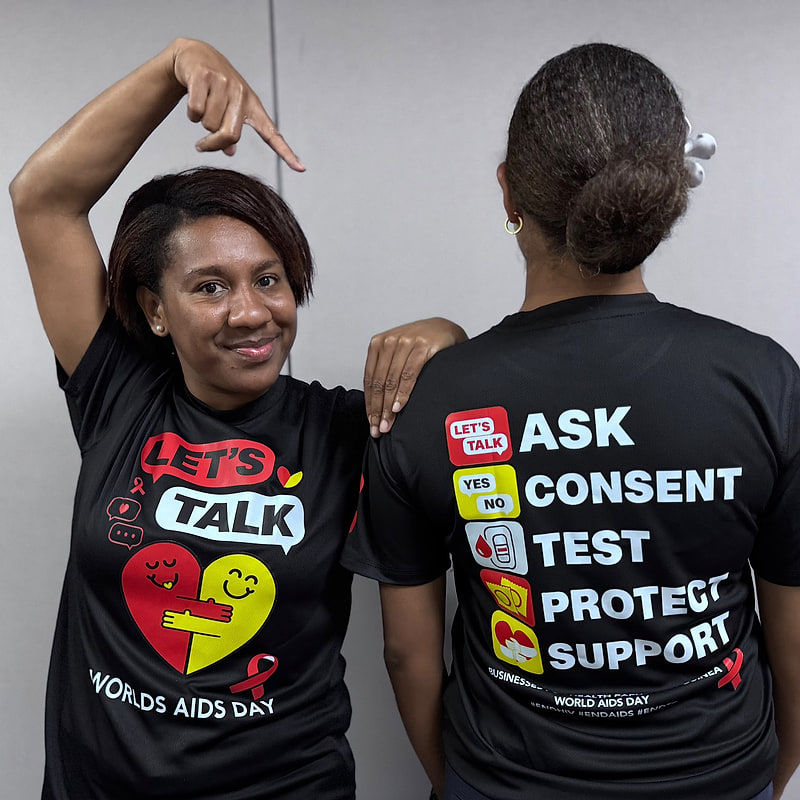
Businesses urged to renew their commitment
Clarke said businesses had played a significant role in helping Papua New Guinea contain the spread of HIV during the early 2000s, but warned that workplace awareness and prevention efforts had weakened over the years.
She recalled that the private sector had previously made a substantial contribution to flattening the HIV infection curve, but said some businesses had become complacent, believing that rapid testing and treatment alone would be sufficient to address the epidemic.
"Sorry PNG, it's time to step up again!" she said.
Clarke said companies benefiting from major economic developments and investments had an opportunity to make sexual health education, HIV and STI prevention, and testing integral to their workplace health and community programmes.
She stressed that increased economic activity and population mobility would require businesses to take greater responsibility for educating employees and promoting awareness of sexual health risks.
B4H is encouraging companies to strengthen HIV and STI awareness programmes, promote regular testing, improve access to prevention services and address stigma and discrimination in the workplace.
The organisation is also inviting companies to request HIV awareness presentations for their management teams and employees to help build workplace knowledge and encourage open discussions about prevention and testing.
In addition, B4H is urging businesses and individuals to order red ribbons ahead of World AIDS Day on December 1, 2026.
The red ribbon is an internationally recognised symbol of HIV awareness and solidarity with people living with HIV. It also provides an opportunity to start conversations, challenge stigma and encourage individuals to know their HIV status.
Clarke said responsibility for addressing HIV and STIs extended beyond the health sector, requiring coordinated action from businesses, communities and individuals.
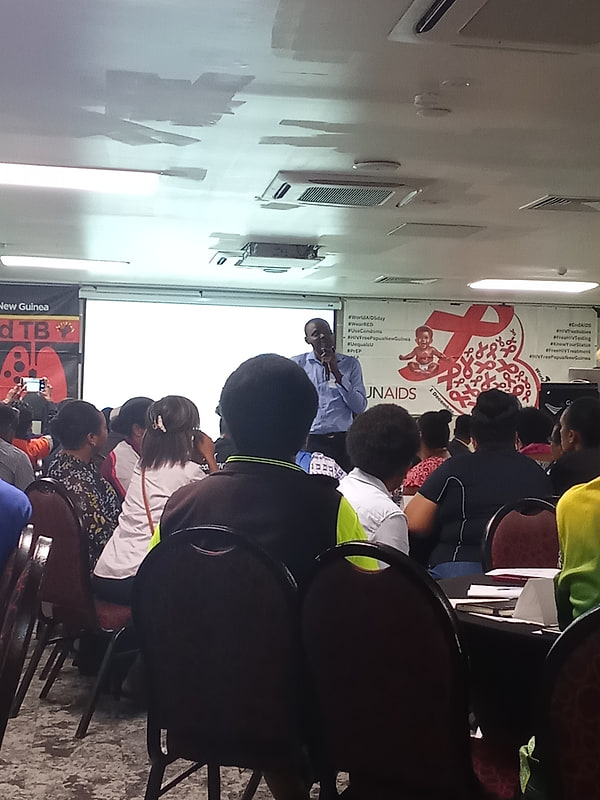
Interactive activities promote workplace awareness
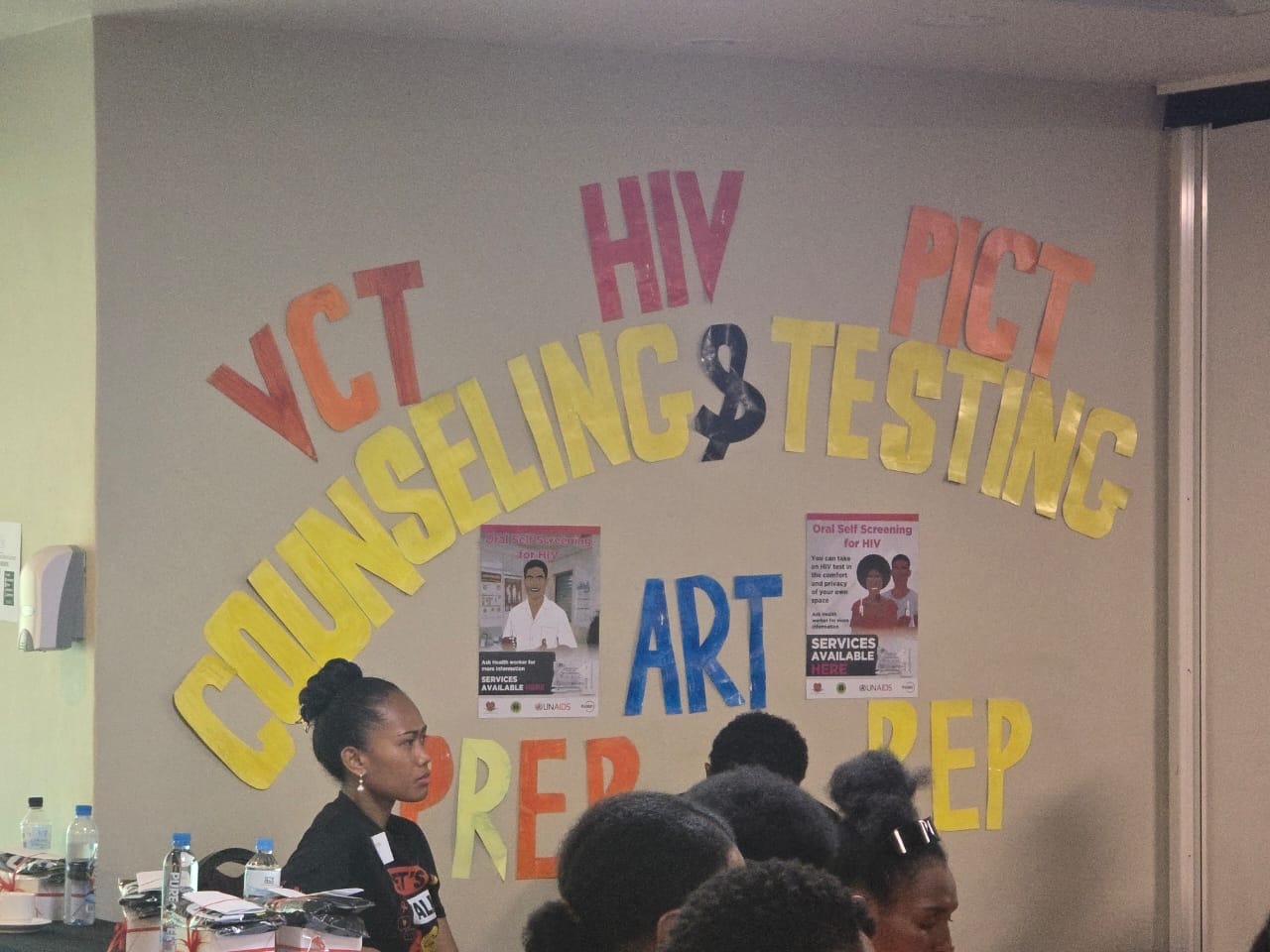
The November 4 workshop, held at Gateway Hotel in Port Moresby, featured interactive learning activities and educational games designed to make HIV awareness more engaging, encourage open discussions and address stigma in workplaces and communities.
Activities included the HIV Emoji Game, HIV transmission simulations, an HIV Emoji Bingo challenge, the Virus In, Virus Out flashcard activity and group discussions.
Participants also attended sessions covering the behaviour and biology of HIV transmission, condom use, self-screening, the human papillomavirus (HPV) vaccine, and the triple elimination of HIV, syphilis and hepatitis B.
The activities provided participants with practical knowledge of HIV transmission, prevention and testing, while equipping workplace representatives with tools to promote awareness among employees.
The full-day programme also featured presentations from health professionals, interactive group exercises and workplace scenarios examining how companies could strengthen their HIV response.
Participants were encouraged to identify practical measures their organisations could adopt, including improving workplace awareness, supporting health champions and creating opportunities for open conversations about HIV prevention and testing.
Coral Sea Hotels sponsored the workshop, with collaborative support from the National Department of Health, UNAIDS, UNICEF and BizPrint.