April 21, 2025

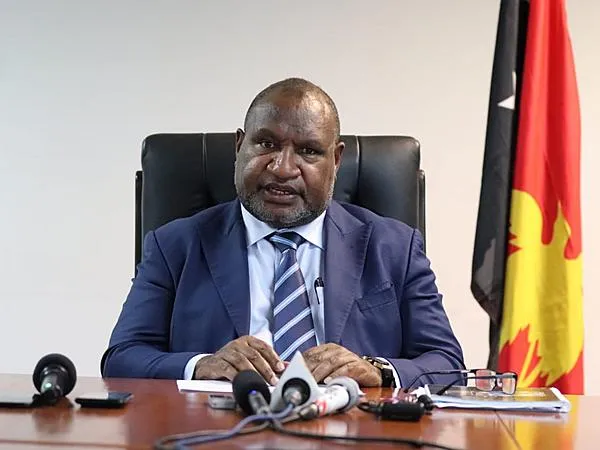
The Asian Development Bank (ADB) has reaffirmed its strong commitment to Papua New Guinea’s development, praising the Marape-Rosso Government for its sound macroeconomic reforms and announcing a significant scaling up of investments in transport, energy, education, health, and agriculture.

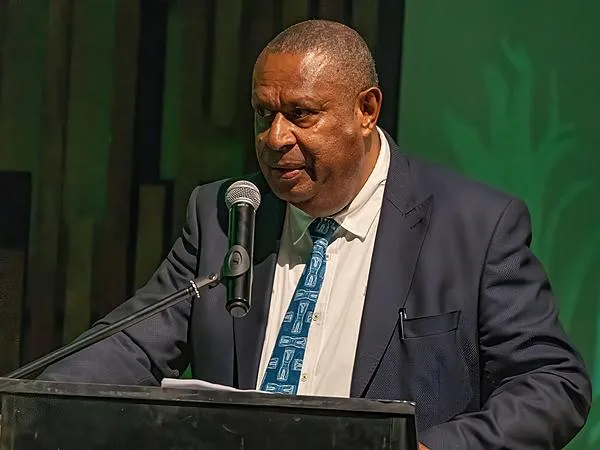
Speaking during the PNG and World Economic Update, a high-level economic briefing chaired by Prime Minister Hon. James Marape, the ADB Country Director, Mr. Said Zaidansyah, described PNG’s reform progress as a foundation for building resilience amid growing global uncertainty

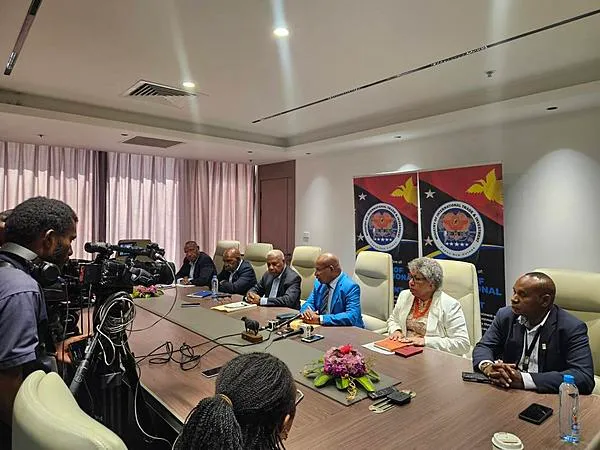
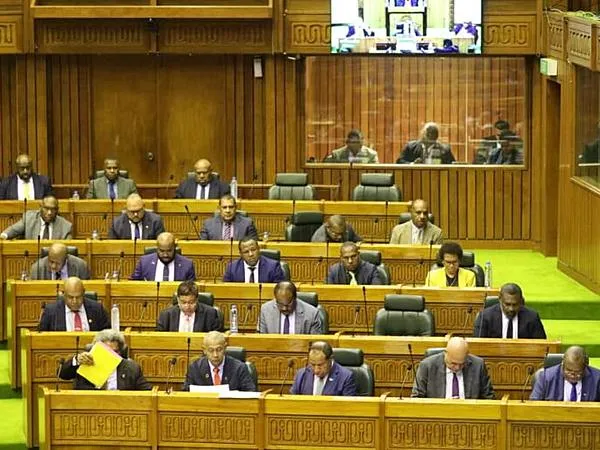
The event, attended by Cabinet ministers, governors, MPs, departmental heads, and major international financial institutions, focused on assessing PNG’s economic outlook and guiding spending priorities for sustainable development.

Economic Stability Recognised

ADB Senior Economist Sudyumna Dahal presented a cautious but optimistic outlook for PNG, noting that while global headwinds such as escalating US-China trade tensions and rising tariffs may slow growth regionally, Papua New Guinea is on a solid recovery path.

  • GDP growth in 2024 has been supported by both resource and non-resource sectors, especially mining, agriculture, communications, and hospitality.
  • Inflation has declined to its lowest level since 2007, aided by telecommunications price competition and lower betel nut costs.
  • The fiscal deficit has fallen from 9% of GDP to just over 3%, with debt levels projected to stabilise and decline.

“These improvements are the direct result of strong macroeconomic management and difficult but necessary reforms,” said Mr Zaidansyah. “We congratulate the Prime Minister, Deputy Prime Minister, Treasurer, and Government for this important progress.”

Development Challenges Remain

However, ADB warned that underlying structural barriers still constrain inclusive growth:

  • Access to finance remains one of the lowest in the region. Only 17% of PNG’s GDP comes from private credit—compared to 86% in the Pacific average and 114% in Fiji.
  • Over two-thirds of Papua New Guineans remain unbanked, with high lending rates and low deposit rates creating a “financial inclusion gap”.
  • Education, health, and infrastructure still face major constraints, while power blackouts, law and order, and business costs remain high.

“As external shocks increase, PNG’s internal resilience becomes more important than ever,” said Mr Dahal.

“That means fixing energy, expanding access to finance, and improving service delivery.”

ADB Expanding Support Across Key Sectors

Mr Zaidansyah outlined the ADB’s expanding K6.6 billion (US$1.74 billion) portfolio, now spanning transport, energy, aviation, education, health, and public sector reform.

1. Transport and Aviation (60% of Portfolio)

ADB is a key partner in delivering the Connect PNG programme:

  • Highlands, Momase, Islands and Northern Corridor Road upgrades
  • Rural airstrips in East New Britain and Milne Bay
  • 20 airports under the Civil Aviation Development Investment Project
  • Support for Air Niugini’s re-fleeting programme, including runway extensions to accommodate new Airbus aircraft

“We started in the Islands, but now our reach spans the Highlands to the coast, and we are proud to support national connectivity,” said Mr Zaidansyah.

2. Energy Sector Reform and Investment

ADB is investing heavily in clean energy and sector reform:

  • Hydropower rehabilitation in Yonki, Gazelle and Port Moresby
  • Mini-grids in West New Britain
  • A Sustainable Energy Sector Development Programme focused on policy reform, PPL capacity, and transmission upgrades
  • Strategic outcomes from the recent National Power Sector Forum hosted in Port Moresby

3. Human Capital: Health and Education

  • ADB is boosting investment in healthcare and technical education:
  • Support for provincial and district hospitals across multiple provinces
  • Upgrades for TVET colleges in Bougainville, Chimbu, Western, Goroka and Port Moresby
  • Planned expansion into primary and secondary education beginning in 2026

4. Public Sector Reform and Financial Inclusion

  • SOE reform, public sector efficiency, and support for Bank of PNG’s refinancing and guarantee facility
  • Technical support to help avoid or shorten greylisting by the Financial Action Task Force through AML/CTF compliance improvements

5. Water, Sanitation and Agriculture

  • Planned projects with Water PNG to upgrade water supply in Rabaul and Port Moresby
  • Re-entry into agriculture after 30 years—partnering with the Department of Agriculture on fresh produce supply chains and sustainable forestry, with support from the Japanese Government

A Partnership Built on Trust

Mr Zaidansyah emphasised that ADB has been a reliable partner to PNG since 1971, even before independence, and continues to evolve in line with PNG’s national goals.

“From road corridors to hydropower, hospitals to high schools, we are here for the long term,” he said. “Our aim is to help PNG not just grow—but grow fairly, inclusively, and sustainably.”

Prime Minister Marape thanked ADB and all partners for standing with Papua New Guinea through both economic recovery and development challenges.

“We are rebuilding our country from the ground up—economically, socially, and structurally,” the Prime Minister said. “Thank you for believing in our potential.”

April 21, 2025

Prime Minister Hon. James Marape has led a ground-breaking ceremony at Bereina Station to officially launch the major redevelopment of the Hiritano Highway, a key national infrastructure project that will link Port Moresby to Kerema and unlock the economic potential of Papua New Guinea’s southern corridor.

The ceremony, organised by the Department of Works & Highways, brought together national leaders, provincial governors, district members, traditional leaders, and the people of Central and Gulf provinces to witness the commencement of this transformative road infrastructure project. The upgrade is part of the Southern Corridor (Hiritano Highway NR001) Major Works Contract, under the broader Connect PNG programme, which dedicates 5.6% of the national budget annually towards infrastructure connectivity.

Speaking at the ceremony, Prime Minister Marape described the Hiritano Highway as “one of the most economically significant roads in the country,” noting that its completion would directly stimulate growth in agriculture, fisheries, tourism, forestry, and industrial development in the region.

“We are not just rehabilitating a road; we are opening an economic corridor that will transform the lives of thousands of people from Central, Gulf and neighbouring provinces,” Prime Minister Marape said. “This highway will not only link communities but also generate real income opportunities for our people.”

The Prime Minister reaffirmed that his government would allocate K300–K400 million for the full rehabilitation of the highway and committed to ensuring the project is completed with urgency.

Honouring Leadership and Local Development

Prime Minister Marape took the opportunity to commend local leadership, particularly the Member for Kairuku and Vice Minister for Works, Hon. Peter Isoaimo, for his persistent advocacy for the road.

“You are not a Facebook leader. You are on the ground, with your people in schools, in hospitals, and in communities. That is what this country needs,” the Prime Minister said.

He also recognised Central Governor Hon. Rufina Peter for her passionate and constructive leadership, praising her for raising critical issues affecting the safety and prosperity of women and children, and proposing practical policy alternatives.

The Prime Minister highlighted the importance of cooperation between provincial leaders, noting the symbolic unity of Governor Peter and Gulf Governor Hon. Chris Haiveta sharing the platform together.

“It is pleasing to see our leaders from Central and Gulf standing side by side. This is the type of partnership we need to deliver national development without leaving anyone behind,” he said.

Hiritano Highway as a National Economic Catalyst

Prime Minister Marape emphasised the strategic economic value of the Hiritano Highway. He said the road links Port Moresby with key growth areas that host major energy, agriculture, and resource projects, including Papua LNG, Pasca A, Wildebeest LNG, and future expansions in fisheries and tourism.

 “The Hiritano Highway will carry not just vehicles, but our hopes for economic prosperity. Every kina we invest here must return four kina to the national economy—and more,” he said.

The Prime Minister also committed an additional K5 million to the Kairuku District to support land mobilisation, mapping, and economic development, in addition to the K62–K63 million outlined in the district’s five-year plan.

He encouraged the people of Central and Gulf to register and develop their customary land for productive use in agriculture, livestock, and tourism rather than waiting for government handouts.

“Do not reduce your land to just betelnut. Your land can feed cities and supply exports. If you work your land, you will be among the richest people on Earth,” he urged.

Vision for Rural Empowerment and National Unity

Prime Minister Marape used the occasion to reflect on broader national challenges and aspirations, calling on all Papua New Guineans to become producers rather than passive recipients of government support.

“Australia and America were built on land ownership and productivity. Here in PNG, we have land, but many are sitting idle. That must change,” he said.

He stressed that economic independence must follow political independence, and that the current generation of leaders, especially under Pangu’s leadership, must drive the shift from aid-dependency to self-reliance.

In his closing remarks, he reiterated the government’s focus on rural infrastructure, agricultural productivity, and inclusive growth, noting that future leaders must never forget rural communities or neglect any part of the country.

“The Hiritano Highway is not just a road; it is a pathway to dignity and opportunity for our people. Let this road be a symbol of economic revolution in this beautiful part of Papua New Guinea,” Prime Minister Marape concluded.

About Connect PNG

The Connect PNG initiative is a flagship national infrastructure policy aimed at bridging the country’s economic and geographic divides. It aims to build, rehabilitate, and maintain essential infrastructure—especially roads, bridges, ports, and airports—across the country by dedicating a minimum of 5.6% of the national budget each year to connectivity investments.

April 16, 2025

The newly formed Monetary Policy Committee (MPC) of Papua New Guinea has kept the Kina Facility Rate (KFR) unchanged at 4.0%, while lowering the Cash Reserve Requirement (CRR) to 11%, in its inaugural meeting held on March 11.

The decisions were announced in a media release issued by Bank of Papua New Guinea (BPNG) Governor Elizabeth Genia, who chairs the MPC.

The Committee stressed the CRR adjustment should not be seen as an easing of monetary policy, but rather a technical response to prevailing conditions and an effort to address liquidity imbalances within the financial system.

Governor Genia said: “The decision to maintain the KFR at 4.0% while lowering the CRR to 11% reflects an adjustment to previous policy settings in response to current conditions and the uneven distribution of liquidity within the financial system."

The Committee emphasized that the inflationary pressures have eased in recent months, reducing the need for any immediate changes to the policy interest rate.

MPC members remain alert to global economic developments, particularly the risks of imported inflation and the impact of Kina depreciation on domestic price levels, Genia said.

While inflation is currently contained, the MPC signaled that vigilance will be maintained in monitoring any new external threats that could affect price stability in the months ahead.

The Committee’s review of previous tightening measures revealed mixed results. Last year’s increase in the CRR to 12% significantly raised government borrowing costs, with Treasury Bill yields rising sharply, although private sector lending rates remained largely unaffected by the changes, indicating weak transmission of monetary policy into commercial lending markets.

Regardless of the overall adequacy of liquidity in the banking system, the MPC reported that its distribution among commercial banks remains uneven. This concern played a key role in the decision to lower the CRR from 12% to 11%, a move aimed at smoothing liquidity flows and increasing market functions.

Another key focus of the meeting was the importance of continuing the gradual depreciation of the Kina. The MPC reaffirmed the Bank’s commitment to allowing the currency to move towards a more market-determined, equilibrium level to improve external competitiveness and support macroeconomic stability.

The Committee stated this adjustment is necessary to improve external competitiveness and support long-term macroeconomic stability.

Members offered varied perspectives on policy settings as this was the inaugural session of the restructured MPC, established under amendments to the Central Banking Act in December 2024.

The Committee agreed to keep its explanations concise for this initial meeting, with plans to expand the scope of future statements as members align on key policy frameworks and issues.

Governor Genia confirmed that future MPC communications will provide more detailed economic analysis as the Committee’s collective experience deepens.


April 16, 2025

In the lush plains of Cape Rodney in the Abau District, within Papua New Guinea’s Central Province, more than a thousand rubber trees stand as silent witnesses to decades of agricultural ambition and, more recently, to a growing sense of abandonment.

Once a hub of rural enterprise and a key player in the nation’s cash crop economy, the region’s rubber industry now teeters on the edge of collapse, if a recent awareness report is to be believed.

The report by the Cape Rodney Rubber Farmers Taskforce Committee has shed new light on the state of the Cape Rodney Agriculture Development Project (CRADP), revealing a troubling narrative of mismanagement, decaying infrastructure, and lost opportunity.

Rubber has long held a special place in PNG’s agricultural quest to build the nation, yet it is “undermined and not prioritized,” according to the report. It is non-seasonal, non-perishable, and self-generating, often described as “money on the bark.”

Since its introduction in the pre-colonial era, and particularly during the 1960s under the plantation schemes, rubber production has become central to Cape Rodney’s economy.

CRADP currently boasts over 1.45 million rubber trees spread across 8,500 hectares, contributing 64% of the country’s total rubber output. Nationally, the industry generates approximately K70 million annually through the export of Technically Specified Rubber (TSR CR10).

However, as the Field Awareness Report dated 2023 highlights, this success story is now mired in stagnation.

Farmers Speak Out

The Taskforce Committee, made up of farmers and landowners from the divisions of Manabo, Cocolands, Ianu, and Upulima, was formed to advocate transparency and reform. Their latest field report provides an extensive evaluation of the CRADP, focusing on how millions of kina in Public Investment Program (PIP) funds allocated for nursery rehabilitation and rural development have not yielded visible progress.

At the center of the committee’s concerns is the claim that the Rubber Industry Board, tasked with overseeing industry development, has failed to deliver on key initiatives outlined in the national Medium-Term Development Plan III (MTDP III) and the Agriculture Medium-Term Development Plan (AMTDP).

Mervyn Hibo, President of Cape Rodney Agriculture Development Project (CRFSA) or the farmers’ representative, reiterated their message: they need help to rebuild and revive the plantations and rubber production.

For instance, Hibo noted that despite a K2-million injection through the 2023 national budget, intended specifically for nursery rehabilitation, not a single operational nursery exists in any of the divisions. A nursery established in 2014 now lies abandoned, overtaken by tall grass and weeds, he said.

“This neglect poses a serious risk. With most trees now over 30 years old and increasingly susceptible to fungus and termites, without new plantings, a steep decline in rubber yield is inevitable,” he said.

Equally concerning is the condition of rural infrastructure, the report noted. Access roads to plantations have deteriorated to the point of being impassable, especially during rainy seasons. Farmers face enormous challenges transporting goods or reaching essential services. In some cases, private rubber buyers have resorted to self-funding road repairs just to maintain their operations.

The report also points to administrative shortcomings, including poor recordkeeping and the dilapidated state of DAL (Department of Agriculture and Livestock) offices and staff housing. Land titling remains unresolved for many farmers due to misplaced documents and outdated systems. Only a small fraction of block holders have officially secured their land titles, undermining security and long-term investment.

Furthermore, rubber prices remain fixed at K1.20 a kilogram, with no price support provided since the COVID-19 pandemic. The limited number of buyers -- one at Upulima and two at Moreguina -- leaves farmers vulnerable to market fluctuations and without bargaining power.

The Bigger Picture

These issues are not isolated, the report noted, as they reflect “a wider pattern seen across many of PNG’s commodity boards.” Climate change, funding limitations, and a lack of localised governance have made it difficult for rural agricultural communities to thrive. Among the Taskforce’s findings and recommendations are:

  • Return CRADP operations to Moreguina, enabling local officers to implement and monitor the Rubber Board’s work plan on-site.
  • Forge a partnership between the Central Provincial Government, DAL, and Kumul Agriculture Holdings to revitalize the Moreguina rubber factory.
  • Review governance structures within the Rubber Board, including a leadership transition following the expiration of the current chairperson’s term.
  • Develop a strategic master plan, rooted in community-led committees, to align rubber industry growth with national development goals under Vision 2050 and the NADP.

Despite the setbacks, hope remains, as the report emphasizes the CRADP’s potential and the determination of its people to rebuild. The rubber industry “has the capacity not only to generate revenue but also to uplift rural livelihoods and strengthen PNG’s economic independence,” Hibo said.

According to the President of the Farmers and Settlers, Mr Wilson Thompson, “This is about meaningful participation. We must ensure our people benefit from the resources they have nurtured for generations.”

The challenge now, as Thompson said, is for policymakers, development partners, and industry leaders to listen and to act.

April 16, 2025

The Kerowagi District in Papua New Guinea's Simbu Province recently launched the Kerowagi Rugby Football League (KRL) Commissioning as part of the government's efforts to empower youth and develop communities through sports.

Member of Parliament Hon. Francis Kikin Siune, in an exclusive interview with PNG Business News, emphasized the district's motto, "Leave No Kerowagi Behind."

MP Siune highlighted plans for disciplined youth development, human resource initiatives, and local economic growth in areas like agriculture, tourism, and infrastructure.

The launch event on April 13 was attended by numerous dignitaries and leaders, with Vice Minister for Sports Hon. Sam Basil Jnr pledging K30,000 toward the initiative and stressing the importance of sports for youth development.

Also attending were MP Minister for Police, Hon. Peter Tsiamalili Jnr, and District Administrator, members of the District Development Authority (DDA), Provincial Police Commander Chief Superintendent Mazup, PNGRFL Chairman, the Provincial Administrator for Enga.

Apologies were conveyed on behalf of the Minister for Higher Education, Research, Science, and Sports, Hon. Kinoka Feo, who was unable to attend due to prior commitments.

Basil underscored rugby league's role in instilling discipline, teamwork, and pride among young people while fostering national identity and representing Papua New Guinea globally.

“We are not just looking to field a team; we are building a foundation rooted in homegrown players like Justin Olam, who has set the benchmark in the NRL. We must connect grassroots leagues like KRL with national goals to ensure quality representation,” Basil stated.

He emphasized the government's commitment to preparing for the country's debut in the National Rugby League (NRL) in 2028, aiming to produce homegrown players for world-class representation.

He paid tribute to rugby pioneers such as the late Ball Numapo and celebrated the presence of rugby legend and PNG NRL Bid coach, Mr. Stanley Gene, at the event.

The initiative reflects a broader strategy to use sports as a unifying and transformative force for communities, with KRL serving as a platform for talent development and youth engagement.

Leaders envision the league not only as a steppingstone for local athletes but also as a catalyst for strengthening the community and positioning PNG as a formidable presence in international rugby league.

“As we launch the Kerowagi Rugby Football League, let us commit to building platforms that empower our youth and unite our communities,” Basil said.

“Together, we will transform dreams into reality and position PNG as a formidable force in the rugby league world.”

April 16, 2025

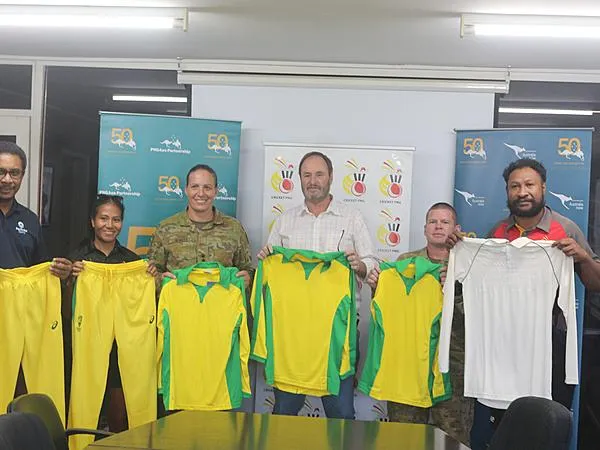
Cricket Papua New Guinea (CPNG) recently received support through a partnership between the Australian Defence Force (ADF), the Australian government PacificAus Sports program, and Cricket Australia (CA).

Representatives from the ADF presented approximately 20 boxes of Cricket Australia merchandise to Cricket PNG in a handover ceremony held at Amini Park, Port Moresby.

The initiative, made possible through PacificAus Sports, is “a clear demonstration of continued collaboration between the Australian government and PNG to grow and support sport across the Pacific,” they said in a statement.

Cricket PNG CEO, Richard Done, said: "Thank you to Cricket Australia, the ADF and the Australian government for supporting Cricket PNG.”

“Getting sufficient equipment and clothing are ongoing challenges for us, so this donation is incredibly valuable. It will make a real difference to our programs and to the communities who benefit from them. We’ll ensure it reaches a very worthy group of people," he added.

Key representatives from both the ADF and Cricket PNG, including LTCOL Alisha Hewett and SGT Cameron Clancy, who facilitated the handover on behalf of the ADF, attended the event.

It also marked the growing bond between Australia and PNG through sport, especially cricket, and showed how shared values and teamwork continue to strengthen ties and open doors for emerging athletes and programs in the Pacific.

April 16, 2025

The Cape Rodney Farmers & Settlers Association (CRFSA) in Abau District, Central Province is leading Papua New Guinea’s rubber production push with an ambitious development plan.

The group announced a 10-year plan to cultivate 100 million rubber trees across the country, potentially turning thousands of hectares of arable land into productive rubber plantations.

The plan is outlined in the newly released Cape Rodney Rubber Report 2025, which highlights both the challenges and economic opportunities within the natural rubber industry.

According to the report, rubber is a non-seasonal and non-perishable cash crop that significantly contributes to the PNG  economy and reduces poverty by generating income and employment in rural communities.

With roots in post-colonial plantation schemes, rubber remains a promising industry, particularly in Central Province, which includes the rubber-rich Abau, Rigo, Hiri-Koiari, and Kairuku districts.

Abau District is known as the heart of PNG’s Rubber Sector. The report reveals that Cape Rodney, located in Abau, contributed 64% of Papua New Guinea’s total natural rubber output between 2014 and 2018.

With over 2.5 million rubber trees planted across the district, Abau hosts some of the largest plantations such as Manabo and Hanamoa, each spanning 2,000 hectares.

A total of 15 plantations are active in Central Province, with eight located in Abau alone. These estates range in size and productivity, with the Hanau plantation having approximately 700,000 trees, while smaller operations like Mamai, established in 1932, continue to operate on a reduced scale.

Currently, about 25,000 hectares nationwide are under rubber cultivation, involving both commercial and smallholder farmers. The industry generates approximately K70 million annually from the export of TSR (Technically Specified Rubber) CR10 products. Between 2014 and 2018, PNG exported 15,600 tonnes of rubber valued at K63 million, with Cape Rodney emerging as the largest single contributor.

Nine provinces across the country are engaged in rubber production: West Sepik, East Sepik, Manus, New Ireland, Milne Bay, Central, Northern, Gulf, and Western. Despite the geographic spread, Central Province, particularly the Abau District remains the strongest hub.

Cape Rodney Agriculture Development Project (CRADP)

Leading the region’s rubber growth is the Cape Rodney Agriculture Development Project (CRADP), initiated in the 1980s through a partnership between the Government of PNG and the Asian Development Bank (ADB).

Under the Department of Agriculture and Livestock, the CRADP has been recognized as a national agriculture project and remains the only officially endorsed rubber initiative of its kind in the country.

The CRADP encompasses four subdivisions: Ianu, Manabo, Cocolands, and Upulima. Collectively, these cover 10,700 hectares and house more than a million rubber trees. Upulima stands out as the largest and most productive, with 630,000 trees and an annual output of 6.7 thousand tonnes, valued at K9.6 million.

Across all CRADP subdivisions, total annual rubber production amounts to 14,000 tonnes, generating revenue of K16 million.

To meet its ambitious target of 100 million trees, CRFSA has identified several key areas for improvement. These include:

  • Infrastructure development: Establishing modern processing plants, storage facilities, and logistics networks.
  • Land expansion: Increasing the cultivation footprint beyond current plantations.
  • Workforce training: Equipping local farmers with modern rubber farming techniques.
  • Technology upgrades: Introducing advanced equipment to improve efficiency and yield.
  • Market expansion: Exploring large-scale export opportunities, particularly in China.
  • Environmental sustainability: Implementing eco-friendly practices like reforestation and soil conservation.

The association also calls for stronger partnerships with investors, government bodies, and international rubber buyers to finance the expansion and maximize productivity.

Mervyn Hibo, President of CRFSA, said, “We aim to build a multimillion-dollar rubber industry that not only uplifts our local economy but also empowers our people.”

“With over 2.5 million rubber trees already planted and a clear roadmap for the next decade, the future of rubber in Papua New Guinea looks promising,” he added.

CRFSA has extended its appreciation to all stakeholders, including the Department of Agriculture, PNG Rubber Board, Abau District Development Authority, and community members, for their continued support in realising this vision.

Rubber Stakeholders Forum Held

The information compiled from the report was also taken from the Rubber Stakeholders Forum held on 25th March.

The Forum was collaboratively held by the Farmers and Settlers Association with its Cape Rodney Farmers and Settlers Association at Upulima in Abau District purposely to bring the policy makers and implementers to reality and witness the situations affecting the farmers, growers and the people down the value chain from the start to finish of rubber production and supply.  

Upulima is stage 3 of the Cape Rodney Rubber Resettlement Scheme and one of the four subdivisions of CRADP funded through the ADB.

One of many significant points raised during the forum was the importance of recognizing challenges and finding workable solutions. Farmers have raised concern over the lack of essential government infrastructure to boost production in the area.

Hibo spoke on behalf of the growers and settlers, noting the lack of infrastructure, land title issues, absence of extension services, lack of proper training, and lack of buyers and credit finance.

Even the lack of feeder roads connecting plantations and villages to the main roads and the mode of rubber purchasing were noted.

The president of the farmers and settlers group, Mr Wilson Thompson, called on Department of Agriculture and Livestock (DAL) and the Rubber Board to fix the Estate roads and bring in aggregators to purchase the rubber. 

He said there should be a possible pathway for the NDB to issue agriculture loans under the government SME Loan Scheme.

To commercialise agriculture in PNG, Thompson said the rubber industry should come first, as it is grown in few provinces on State land and initially funded by the National Development Bank (NDB).

“Such forums should be held in the hub of the growers and production locations as it will be a reality check for policy makers, implementers and the government,” Hibo said.

Mixed Fortunes: Export Prices Rise, Production Declines

Drawing on export data from 2001 to 2023, the Director of the Papua New Guinea National Research Institute (PNG NRI), Dr. Osborne Sanida, painted a complex picture of declining production, surging prices, and deep-rooted structural challenges impacting the sector.

Dr Sanida delivered the comprehensive presentation during the Rubber Stakeholders’ Forum in Upulima, including key trends and challenges in the industry.

According to data from the Bank of Papua New Guinea's Quarterly Economic Bulletins, the country’s rubber export performance over the past two decades has seen a general decline in both export quantity and value, even as export prices rose significantly.

Export quantity, which stood at approximately 4.2 thousand tonnes in 2003, dropped to just 2.7 thousand tonnes by 2023. Similarly, the export value peaked at K41 million in 2011 but declined sharply thereafter, closing at K13 million in 2023. Conversely, the price per tonne of rubber has increased from K1,816 in 2001 to K4,907 in 2023.

"The overall decline in export value is directly linked to reduced production volumes, which have negated the positive effects of rising global prices," Dr. Sanida noted.

His presentation, which drew upon the 2024 NRI report also outlined five pressing challenges faced by the rubber industry, particularly those identified by Galley Reach Holdings Ltd (GRHL), a key industry player.

1. Land and Community Disputes: Frequent land ownership disputes, particularly during lease renewals, have created an unstable operational environment. Although plantations operate under long-term State Agriculture Leases, neighboring communities often assert counterclaims. Boundary disputes have, in some cases, escalated to the destruction of rubber trees. Furthermore, the annual use of slash-and-burn techniques by local farmers and even plantation employees has caused substantial damage to plantations.

2. Poor Infrastructure: The lack of access to the National Power Grid forces companies to generate electricity independently, a costly endeavor accounting for 15% of the cost of goods sold. Unreliable telecommunications and deteriorating roads, especially the pothole-ridden Hiritano Highway between Port Moresby and Brown River, have further inflated operational and logistics costs.

3. Security Concerns: Illegal alcohol and drug use, along with ongoing tribal conflicts, have created a climate of insecurity. These social issues have negatively impacted worker productivity and overall crop output. Dr. Sanida highlighted efforts by GRHL to work with the PNG Royal Constabulary to tackle these problems and establish long-term solutions.

4. Struggles of Rubber Smallholders: As GRHL’s older plantations yield less, the company relies on purchasing 900 to 1,000 tonnes of dry rubber annually from smallholders in areas such as Upulima, Moreguina, and Gulf. However, poor road conditions hinder crop evacuation during wet seasons and discourage production. Additionally, the absence of functional extension services from the Department of Agriculture and Livestock (DAL) deprives smallholders of necessary technical support and planting materials.

5. Rising Export Costs: Export-related charges have surged post-pandemic. PNG Port stevedoring fees rose by 20% since 2022, freight costs skyrocketed by up to 300%, and NAQIA inspection fees jumped by 50% over the same period. These additional expenses are eroding profit margins for exporters.

Dr. Sanida stressed the importance of boosting production to leverage the rising export prices.

"To truly benefit from favorable global prices, we must address the structural and operational challenges hampering the industry," he said.

He emphasized that a collaborative approach involving all stakeholders, including government agencies, industry players, and local communities is essential for revitalising the rubber industry.

Dr Sanida assured that the PNG NRI will continue to support the sector through policy research and advocacy, in line with its national mandate.

April 16, 2025

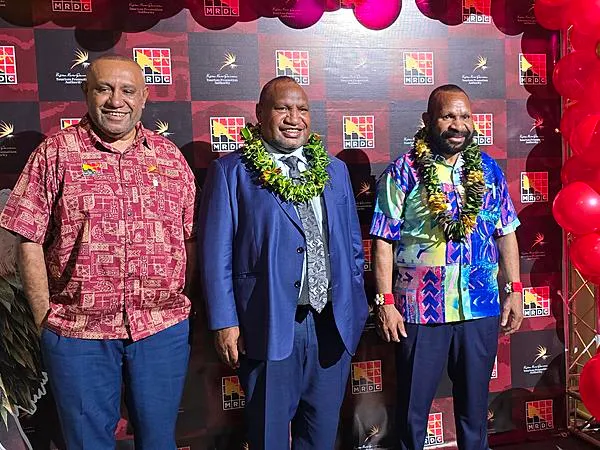
Port Moresby buzzed with cultural displays and insightful discussions as Papua New Guinea inaugurated its National Tourism Conference and EXPO on April 9, marking 50 years of showcasing the nation to the world and heralding a new era of sustainable and inclusive tourism.

Under the theme "Indigenizing Culture, Modernizing Infrastructure, and Promoting Peace through Tourism," the conference gathered representatives from government, the private sector, community leaders, tourism businesses, and international guests, all aiming to highlight tourism as a key pillar for economic growth.

Augustine Mano, Mineral Resources Development Company (MRDC) Managing Director, emphasized the conference's role in stimulating discussions on critical issues within the sector, potentially triggering its transformation.

He noted that tourism could address PNG’s economic challenges, such as foreign exchange issues, unemployment, and SME support, if properly supported.

The Minister for Tourism, Arts & Culture, Hon. Belden Norman Namah, called on stakeholders to honor the past while enhancing PNG's sustainability and global appeal as a premier tourist destination. He declared: "Tourism in Papua New Guinea is not dead, tourism is alive!"

Namah thanked the government for recognizing tourism's potential, and extended appreciation to key leaders within his ministry, including Mr. Eric Mossman (CEO, Tourism Promotion Authority), Mr. Stephen Kilanda (National Cultural Commission), and Mr. Alvis Waso (National Museum and Art Gallery).

He credited their dedication and tireless work, despite limited funding, for keeping the tourism, arts, and culture sectors functioning. He also expressed gratitude to MRDC and other corporate sponsors.

The minister stressed the untapped economic potential of tourism and encouraged optimism, despite challenges in safety and infrastructure.

"Many parts of our country remain unexplored," he stated, advocating for an environment favorable to visitors. Critical enablers include tourism-specific police divisions, anti-littering laws, clean cities, and safer public spaces.

Namah proposed infrastructure initiatives such as new sea terminals in coastal provinces to accommodate cruise liners, and a nationwide emergency response system for tourists. He also addressed high airfare costs, urging national airlines to lower prices and consider baggage exemptions for tourist equipment.

Namah outlined plans to transition the tourism sector into a self-sustaining industry through regulation and revenue generation, including rebranding the Tourism Promotion Authority (TPA) to the “Papua New Guinea Tourism Authority” with expanded regulatory powers.

He also aims to elevate the National Cultural Commission and National Museum and Art Gallery to full authorities.

To maximize impact, the minister proposed creating seven tourism zones across PNG as flagship destinations. He underscored PNG's rich cultural diversity, with over 800 languages, distinct tribal customs, and natural beauty, stating: "There is no country on planet Earth like Papua New Guinea. Our best product is our culture!”

He also called for better programming of cultural events to attract visitors, as Namah envisioned PNG increasing its annual tourist intake from 130,000 to over a million through strategic investments in infrastructure, safety, and marketing.

"Tourism can be like discovering three gold mines (that are) sustainable, inclusive, and long-term. But we must take the first step, and that step starts now,” he said.

"Many parts of our country remain unexplored. We must create an environment that is favorable and appealing to our visitors,” the minister added.

Among the critical enablers he identified were tourism-specific police divisions, anti-littering and anti-loitering laws, clean towns and cities, and safer public spaces for both locals and tourists. Namah emphasized that first impressions matter, calling for better public cleanliness and urban order as core tourism “products.”

Namah proposed building new sea terminals across coastal provinces, enabling cruise liners and tourist vessels to dock directly to local communities. Citing visits to places like Milne Bay Province and Rabaul-East New Britain Province, he noted the lack of such infrastructure as a major barrier to growth.

Equally pressing, he said, is the need for a nationwide emergency response system to ensure swift evacuation and medical attention for tourists in the event of crises.

Marape: Tourism's ‘Transformative Potential’

Prime Minister Hon. James Marape officially launched the conference, emphasizing tourism's potential to transform PNG’s economy. He highlighted tourism's role in economic growth and cultural preservation, alongside agriculture and fisheries, as a driver of sustainable development.

Marape reiterated the call for collaboration to unlock the full value of the tourism industry and acknowledged Minister Namah’s strategic approach to revive the sector. He recognized the role of stakeholders, including those from the extractive resource sector like MRDC.

He pointed to the success of the Connect PNG infrastructure program, which is opening remote areas and creating economic corridors for tourism. This initiative is setting the stage for PNG’s anticipated entry into the NRL from 2028.

“Tourism has enormous potential in our nation. Dreams do come true, I’ve seen it happen,” Marape said, encouraging international investment and acknowledging companies like Digicel and industry pioneers such as Bob Bates.

Marape reaffirmed PNG’s strategic advantage in the region, highlighting neighboring tourism markets and promoting PNG on international visits. He noted PNG’s movement toward full ASEAN membership, offering access to a 500 million-strong population.

“With 134 million outbound Chinese tourists last year alone, we must tap into these markets. We're improving flight routes and airport infrastructure to support international tourism, especially from Asia,” the premier said.

Marape urged collective action to drive success in the tourism sector, stating: “Let’s celebrate our country's natural beauty and cultural wealth. Instead of dwelling on negativity, we must work together to drive success and growth in our tourism sector.”

The first day featured a traditional singsing and addresses from key figures, including Eric Mossman Uvovo, CEO of PNG Tourism Promotion Authority, and Mano. Sessions covered sector updates, sustainable tourism, and business development & finance access.

Day two focused on investment and infrastructure, with case studies on hospitality investment and sports tourism. Sessions addressed the Connect PNG program, aviation development, destination marketing, and the future of PNG tourism branding.

The conference concluded with a Gala Dinner celebrating PNG’s 50th year in global tourism, recognizing key contributors to the sector's development. The outcomes are expected to shape future strategies and policies supporting inclusive growth, investment, and global partnerships in tourism.

April 16, 2025

The Chair of the Monetary Policy Committee and the Governor of the Bank of Papua New Guinea (BPNG), Elizabeth Genia, hosted a breakfast presentation on the 2025 Economic Outlook of PNG at the Royal Papua Yacht Club on April 9.

Genia spoke on the March 2025 Economic Outlook, outlining sweeping changes in monetary policy, economic trends, and financial sector reforms.

Before a distinguished audience of government officials, international development partners, and members of the business and diplomatic community, Governor Genia opened with a strong message of inclusivity and reform.

A central highlight of her speech was the formal introduction of the newly operational Monetary Policy Committee (MPC), a key reform under PNG’s International Monetary Fund (IMF) program.

The MPC was established through amendments to the Central Banking Act in December 2024 and activated with member appointments in February 2025. It has assumed responsibility for setting the nation’s monetary policy, previously the remit of BPNG’s Board.

Governor Genia introduced the new MPC members: Mr. Scott Roger, a seasoned economist formerly with the IMF and Monetary Authority of Singapore; Mr. Dairi Vele, a returning Bank board member; and Professor David Kavanamur, Managing Director of Kumul Consolidated Holdings.

“We are grateful for the valuable contribution of our new MPC members… and their ongoing commitment to responsibly formulating monetary policy,” Genia said.

She also acknowledged outgoing members Mr. Mark Baker and Mr. Michael Reddell for their service, noting their continued involvement on the Bank's Board.

Genia reviewed monetary policy decisions made over the past six months, notably the increase of the Kina Facility Rate (KFR) to 4.0% in September 2024, up from its historic low of 2.0% earlier that year.

While the KFR remained steady into 2025, Genia emphasized that tightening continued via the Cash Reserve Requirement (CRR), which had risen from 10% to 12% mid-2024 before being revised down to 11% at the March 2025 MPC meeting.

Genia clarified: “The decision to adjust the CRR did not signal an easing in monetary policy, and it was a necessary step to address the uneven distribution of liquidity within the banking system.”

Private sector lending remained largely unaffected by the tighter liquidity, though government borrowing costs surged, with 12-month Treasury Bill yields rising from under 5% in June 2024 to over 8% by year’s end.

The MPC also resumed its crawl-like exchange rate regime, maintaining the interest rate corridor around the KFR and moving toward greater reliance on indirect instruments like central bank bills.

Demonstrating a strong push for transparency, Genia showcased the new format of the Monetary Policy Statement. Now required by law under the amended Central Banking Act, the MPC must publish detailed decisions, including voting records and rationales within one day of each meeting.

“Transparency and accountability are at the heart of what the Monetary Policy Committee is aiming to achieve,” Genia said.

The Bank has also committed to regularly publishing minutes and projections from its Economic Outlook, with the March 2025 update revealing key inflation and GDP trends.

Inflation Trends: Domestic Weakness Tempering Prices

Genia elaborated further with details of how non-tradable (domestic) inflation had offset tradable inflation through the latter half of 2024, contributing to relatively stable headline inflation.

“Weakening demand and a softer domestic economy were the main contributing factors,” Genia explained, pointing to falling telecommunications prices and a broader slowdown in non-mineral sectors.

While core inflation measured by trimmed mean and exclusion-based indices remains under control, Genia warned of external risks.

“We are expecting inflation to remain relatively well contained, but the caveat, of course, is the recent introduction of tariffs in the US,” she said.

The Governor reaffirmed the Bank’s strategy to address the ongoing depreciation of the Kina. “What is important is that we are using this as a mechanism to allow the Kina lower, in a measured, and gradual way, until we see some improvement, what economists call ‘equilibrium’.”

Positive signs are emerging, with the backlog of foreign exchange orders falling from over PGK 1 billion in August 2024 to just over PGK 100 million in early 2025—a shift attributed to improving FX inflows and better liquidity management.

The Bank projects 4.0% real GDP growth in 2025, driven by improved mining operations, resumed output at the Porgera mine, and early works on the Papua LNG project. Agriculture, forestry, and fisheries are also expected to perform strongly, aided by Kina depreciation.

Growth is projected to accelerate by 5% to 6% over the medium term, particularly with the commencement of the Papua LNG construction phase in 2026 and gains in the non-mineral sector.

“Despite expectations of moderating global commodity prices, the depreciation of the Kina is anticipated to boost export earnings,” Genia noted.

Genia also spoke on geopolitical risks, specifically the potential global fallout from new US tariffs. While PNG’s LNG exports are largely insulated due to forward contracts, concerns remain.

“If equity markets continue to sell off and we see increased margin calls, we could see vulnerabilities emerge in global banking,” she warned, adding that this could impact financing for Papua LNG.

A Grave Warning on AML Compliance and Grey Listing

The Governor took the opportunity to warn attendees on PNG’s risk of being “grey listed” by the Financial Action Task Force (FATF), following a damning Mutual Evaluation Report in October 2024. She said PNG scored extremely low ratings on both effectiveness and technical compliance, indicating substantial shortcomings.

Although commercial banks were praised for meeting international Anti-Money Laundering (AML) standards, Genia emphasized that law enforcement and inter-agency coordination remain weak.

“If we don’t address these problems and address them quickly we will end up on the grey list, and that is a place where no country wants to find itself,” she warned.

“Let’s address these challenges and take action now while we can. In a few short months, it will be too late,” she said, noting that a grey listing would damage PNG’s international reputation, increase transaction costs, and deter foreign investment.

April 14, 2025

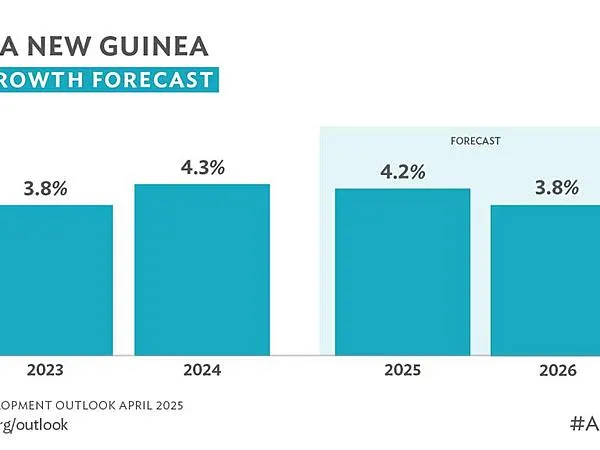
After a rebound in economic growth in 2024 at 4.3% driven by both resource and non-resource sectors, Papua New Guinea’s (PNG) economy is forecast to grow by 4.2% in 2025 and moderate further to 3.8% in 2026 amid development challenges and rising geoeconomic risks, says the Asian Development Outlook (ADO) April 2025.

Power blackouts, security challenges, potential “grey listing”, and the high cost of doing business are further compounded by the escalating trade tensions which impact the outlook.

The growth forecasts were finalized prior to the 2 April announcement of new tariffs by the US administration, so the baseline projections only reflect tariffs that were in place previously. However, ADO April 2025 does feature an analysis of how higher tariffs may affect growth in Asia and the Pacific.

The report notes that while economies in the region are resilient, faster and larger-than-expected changes in US trade and economic policies pose risks to the outlook. Along with higher US tariffs, increased policy uncertainty and retaliatory measures could slow trade, investment, and growth.

Inflation in Papua New Guinea fell to its lowest level in recent years in 2024 at 0.7%. However, elevated prices for food, clothing, and footwear persist and are likely to continue in 2025. Additionally, the sharp decline in the volatile betel nut prices, which contributed to the lower headline inflation, is not expected to continue. Hence, inflation is expected to rise to 3.8% in 2025 and to 4.3% in 2026.    

“The PNG government must be commended for considerable progress made in macroeconomic reforms including mobilizing domestic revenue and reducing the fiscal deficit. However, amid rising external shocks, strengthening the internal resilience of Papua New Guinea’s economy should be topmost priority,” said ADB Country Director for PNG Said Zaidansyah.

PNG’s economy had significant potential due to the reopening of the Porgera Gold Mine in 2024. However, landslides and civil unrest around the mine site limited its operations. Also, hydrocarbon output weakened due to lower liquefied natural gas production. On the other hand, copper, coffee, cocoa, copra, and fish exports remained strong, supported by high prices in 2024. In 2025, mining will likely be a key growth driver with production increasing at Porgera, while hydrocarbon output likely remains flat owing to an expected decline and volatility in oil and gas prices.

ADO April 2025 says continued improvement in foreign exchange availability and further easing the country’s import backlog will help create a more enabling environment for the private sector.

April 14, 2025

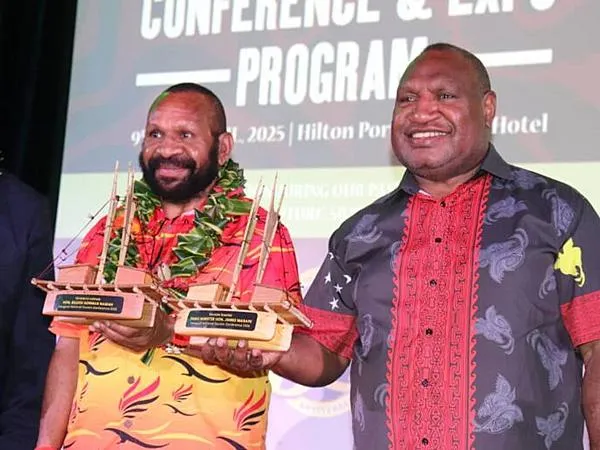
Prime Minister Hon. James Marape, while launching the inaugural PNG National Tourism Conference and Expo recently at the Hilton Hotel, highlighted that tourism, along with agriculture and fisheries, holds the greatest potential to significantly transform PNG’s economy and foster inclusive development across communities.

Prime Minister Marape said given the unique and never-ending potential that Papua New Guinea possesses in the Tourism space, from its rich cultural diversity and biodiversity to the breath-taking scenery and friendly people, greater collaboration and synergy in the sector is strongly encouraged to enable positive and effective progress.

PM Marape acknowledged Tourism Minister Hon. Belden Namah who was deliberately hand-picked among many others for his leadership so far with the aim of resuscitating the Tourism sector of the country and bringing it to the next level, thus fully tapping into international tourism markets in South East Asia and the Pacific Region, as well as the world at large. He also acknowledged the support of key stakeholder organisations in the Tourism industry and from the Non-Renewable sector (Extractive Resource Sector) of the economy like the Mineral Resource Development Company.

In outlining his Government’s plans to support Tourism in Papua New Guinea, the Prime Minister highlighted the Connect PNG program that has made significant progress since 2019, connecting some of the most remote parts of the country with the rest of the country and the outside world for the first time, and also opening up eco- nomic corridors for sectors like Tourism to fully utilise. With PNG entering the NRL from 2028 onwards, Connect PNG infrastructure program is already preparing the way.

Marape said, reminding naysayers who continuously speak negatively about his Government on social media: “Just because we don’t tell everyone we are working doesn’t mean we’re not working. Those naysayers who say all the garbage that proliferates our social media, half the time they are spinned by spin doctors and those who want to be politicians.

“We have many, many positives that outweigh the negativities in our country. All of us must be in total solidarity to make this country become a better place. In the

midst of all the politics that is going on, we are still at work. I spoke at the opening of an Agriculture Conference in Lae earlier this week, encouraging that Agriculture has the potential to produce 1 million economically-productive families.

“Tourism has enormous potential in our nation and we can make it happen. Who says dreams don’t come to reality? Dreams do come true. And I say this because I’ve seen and made it happen before.”

In speaking about dreams coming true, PM Marape shared a reflection on how a world-renowned Hilton Hotel and brand was able to be built in the heart of the suburb of Hohola in Port Moresby. He said it was part of a conversation in 2015 in Suva, Fiji, where he was asked to open a hotel in Fiji back then which PNG had majority shareholding in through a landowner company. Marape established the dream then and told the key stakeholders to build a similar hotel in Port Moresby, which has now come to pass, becoming a hotel that is on par with the best in the world.

“What was only a dream back then in Fiji is now what I rate as the best Hilton Hotel in the world, having been to other Hilton Hotels around the world. It is located in Hohola – a suburb where our historic Bully Beef Club (precursor to PANGU Party) used to meet and stay in the pre-Independence era.

“It is where vision was turned into reality,” said Marape.

Prime Minister Marape encouraged and welcomed international investors to PNG, thus acknowledging some companies in the Private sector like Digicel and others who have tapped into the country’s potential areas to do business for the development and transformation of PNG.

He also paid tribute to some significant expatriate business figures who made Papua New Guinea their home and have contributed in a big way to PNG’s Tourism Sector like Bob Bates, Late Peter Barter and others.

“Papua New Guineans who are naysayers out there, these people (Tourism business operators) never asked the Government for support. They just picked up what they had and what they could do and became successful. I salute them for what they have done,” Marape said in emotional fashion, paying tribute to the long-time Tourism Business Operators.

He took a special moment of respect to ask Bob Bates who was among the audience to stand as he asked everyone to join him in acknowledging Mr Bates as someone who has a unique business footprint in PNG’s tourism industry.

Bob Bates is the founder of Trans Niugini Tours in Mt Hagen, Western Highlands Province, and also other business ventures in a number of significant locations around the country such as the Award-Winning Ambua Lodge in Hela Province, Bensbach River Tours in Western Province and the Karawari Lodge next to the Sepik River.

Marape highlighted that the Tourism market in neighbouring countries like Australia, New Zealand, Fiji and Indonesia is huge, which PNG can easily tap into given its unique geographical location between South East Asia and the Pacific.

He said: “When I visit different nations of the world on official visits, I promote our nation patriotically and establish relations deliberately so that PNG can benefit economically through investors and tourists or visitors.

“I ensure to enable arrangements with key economies in Asia and the Pacific that will have their tourists also visit our country, and more investors entering our country in a positive way.

“For instance, China had 134 million tourists last year. We can easily tap into that for our benefit. We are working on improving international flight arrangements with Air Niugini and Airport works with National Airports Corporation to enable more international flight routes with key economically-beneficial countries, especially in Asia and the Pacific Regions. So if other major countries or regions of the world like Europe or the United States don’t come, we can promote tourism in South East Asian nations like our closest neighbour Indonesia whom we have agreements for movement between borders already.

“We are on our way to becoming a full member of the Association of South East Asian Nations (ASEAN), which has 500 million people involved in the member countries concerned. This will be a great boost for us going forward as far as our economy is concerned in terms of linking up with key markets.

“Let us appreciate the true beauty of our land and our people in a positive way, and not dwell on negatives that aim to bring us down. We all need to work together to make things happen for the success and growth of our Tourism Sector.”

April 14, 2025

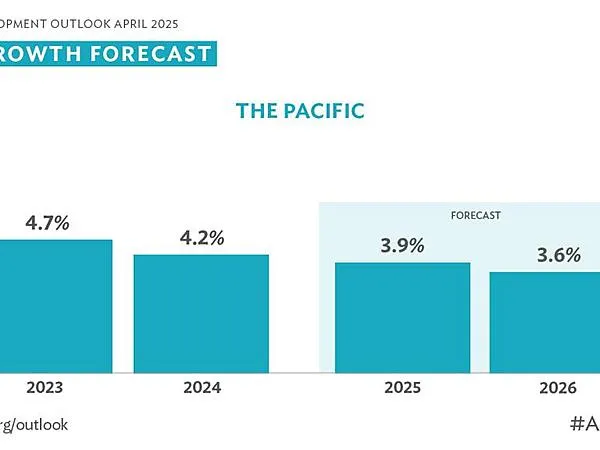
Economic growth in the Pacific is projected to moderate to 3.9% in 2025 and 3.6% in 2026, according to the Asian Development Outlook (ADO) April 2025, the Asian Development Bank's (ADB) flagship economic publication, released today. The outlook reflects anticipated easing in tourism, a key growth driver in many economies in the subregion, and muted petroleum production in Papua New Guinea (PNG), the subregion’s largest economy.

“Despite the growth that has been realized in recent years, the Pacific remains at risk from external shocks,” said ADB Director General for the Pacific Emma Veve. “ADB remains committed to helping build resilience as well as further improve public service delivery and promote inclusive and sustainable growth in the subregion.”

The growth forecasts were finalized prior to the 2 April announcement of new tariffs by the US administration, so the baseline projections only reflect tariffs that were in place previously. However, ADO April 2025 does feature an analysis of how higher tariffs may affect growth in Asia and the Pacific.

The report notes that while economies in the region are resilient, faster and larger-than-expected changes in US trade and economic policies pose risks to the outlook. Along with higher US tariffs, increased policy uncertainty and retaliatory measures could slow trade, investment, and growth.

ADO April 2025 projects inflation in the Pacific to pick up to 3.4% in 2025 and 3.7% in 2026. Higher inflation in PNG due to domestic price pressures drives this outlook. Inflation across the rest of the Pacific is expected to slow in line with international commodity price trends.

PNG’s economy is forecast to ease to 4.2% in 2025 and 3.8% in 2026. Development challenges—such as power blackouts, security challenges, and the high cost of doing business—weigh on growth prospects in resource extraction and agriculture. Limited financial inclusion remains a critical constraint, underscoring the urgent need to broaden and deepen financial access to support inclusive growth.

In Fiji, the subregion’s second-largest economy, growth has been driven by a robust rebound in visitor arrivals and increasing consumption. Growth is projected to moderate to 3.0% in 2025 and rise slightly to 3.2% in 2026. Public investments are expected to help address capacity gaps in welcoming increasing numbers of tourists. Expanding private sector development by improving access to finance and creating a better business environment is essential for broadening the economic base.

ADO April 2025 expects growth to accelerate in Solomon Islands to 2.9% in 2025 and 3.2% in 2026, supported by mining, fishing, and construction. With increased access to loans, public debt in Solomon Islands is projected to rise but remain within the government’s ceiling.

Following challenges in 2024, such as disruptions with the national flag carrier and an earthquake that struck the capital in December 2024, growth in Vanuatu is projected to pick up to 2.0% in 2025 and 2.5% in 2026. Post-disaster reconstruction and resumption of tourism should drive this expansion, although it will take time for tourism activity and public services to normalize. The report says that, as Vanuatu strives to “build back better” from multiple disasters, there is a need to invest in longer-term resilience, while supporting recovery.

In the Central Pacific, growth is expected to moderate in Kiribati and Tuvalu as public infrastructure projects are completed. In Kiribati, growth is projected to be 4.1% in 2025 and 3.3% in 2026, and in Tuvalu 2.7% in 2025 and 2.5% in 2026. Growth is forecast to accelerate to 2.5% in both 2025 and 2026 for Nauru, reflecting the impact of infrastructure projects and the hosting of the Micronesian Games in 2026. More sustainable, cost-effective measures to improve health service delivery should support resilience in the Central Pacific.

All three North Pacific economies—the Marshall Islands, the Federated States of Micronesia (FSM), and Palau—are seen to continue growing in 2025–2026. In the Marshall Islands, growth is projected to pick up to 2.5% in 2025 and 3.0% in 2026; in the FSM, it is forecast to be 1.7% in 2025 and 1.1% in 2026; and in Palau, growth is expected to reach 9.5% in 2025 and 4.5% in 2026. Implementation of infrastructure projects supported by these countries’ Compacts of Free Association with the United States provide a significant boost to the outlook, as does sustained increases in tourist arrivals to Palau. Strengthening the capacity of public institutions to adopt critical policy reforms will help mitigate risks to the outlook by helping improve public service delivery and investment.

In the South Pacific, economic expansion is expected to moderate to historical trends over the forecast horizon in the Cook Islands, Niue, and Samoa as visitor arrivals normalize. Growth is projected to be 8.1% in 2025 and 2.9% in 2026 in the Cook Islands; in Niue, 3.4% in 2025 and 3.0% in 2026; and in Samoa, 5.5% in 2025 and 3.0% in 2026. Public infrastructure projects should continue to boost construction output in these economies. Growth in Tonga is seen to pick up to 2.5% in 2025 and 2.3% in 2026, driven by ongoing reconstruction and recovery in tourism. Improvements in infrastructure and making transactions with the government more efficient and transparent should help promote investments in crucial sectors such as tourism.

April 14, 2025

Prime Minister Hon. James Marape has reaffirmed his government’s commitment to energy reform, economic transformation, and responsible leadership as Papua New Guinea approaches its 50th year of independence.

The Prime Minister was speaking at the National Power Sector Forum, jointly hosted by the Government of Papua New Guinea and the Asian Development Bank (ADB) at APEC Haus in Port Moresby.
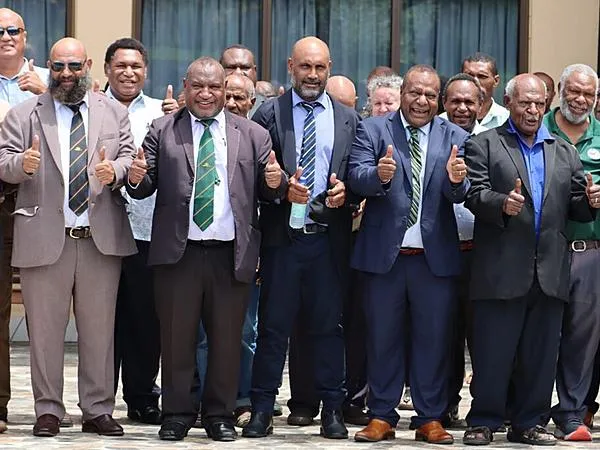
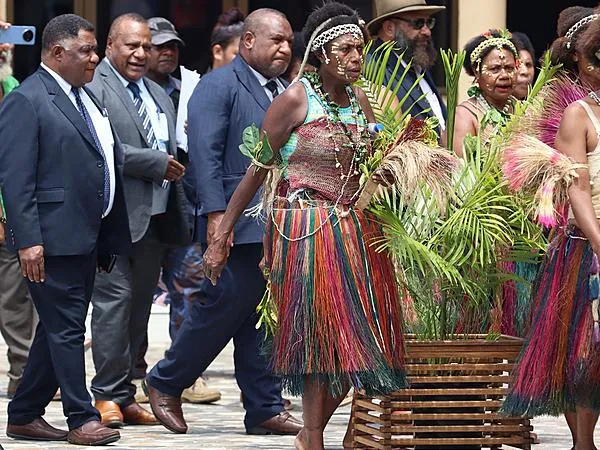
The Forum—the first of its kind in PNG—gathered more than 100 key national and international experts, including government officials, industry leaders, and development partners, to discuss power sector priorities and solutions for achieving reliable, affordable, and sustainable energy to support inclusive and comprehensive growth.

Addressing this high-level gathering, Prime Minister Marape expressed deep gratitude to the people and businesses of Papua New Guinea for their tolerance and resilience in the face of decades-long challenges in the power sector.

“You have lived with the pain and misery of inefficiencies in our power sector for too long. Thank you for your great tolerance. We have inherited a broken system, but we are taking decisive action to rebuild and reform,” the Prime Minister said.

Since assuming office in 2019, the Marape Government has made significant progress in stabilising PNG Power Ltd, investing over K400 million and implementing major structural reforms at both board and executive levels.

A key milestone has been the establishment of the National Energy Authority (NEA), now tasked with regulatory oversight and energy policy development—freeing PNG Power to focus solely on electricity generation and distribution.

“Energy drives the world. From electricity to water and transport, energy is central to human advancement. We want to ensure 100% reliable, clean energy access to our people—well before our 70th anniversary in 2045,” Prime Minister Marape declared.

The Prime Minister committed to going beyond the current 70% national electrification target, pushing for universal access through decentralised power solutions, private sector partnerships, and provincial leadership.

He also delivered a firm message to the public service and SOEs: “If you cannot do the job, leave the job. I have no time to waste. Our people deserve better, and the time for excuses is over.”

Energy reform, he emphasised, is central to his government’s broader vision of building a K200 billion economy, capable of supporting a growing population of more than 10 million. When he took office, the economy stood at K79 billion. Today, it has reached K120 billion, with projections to exceed K130 billion by year-end.

Reinforcing PNG’s reputation for fiscal responsibility, Prime Minister Marape noted that the country has never defaulted on its international debt obligations, including during the global COVID-19 crisis.

“We peaked at 52% debt-to-GDP during COVID, but today we are back to 47%. We continue to honour our debts, our covenants, and our credibility as a borrower,” he said. With a landmass larger than Japan, the UK, and New Zealand—and one of the most culturally and linguistically diverse populations in the world—Prime Minister Marape said that energy solutions must be tailored to the country’s geography and decentralised realities.

He reaffirmed the Government’s focus on provincial-level energy initiatives, empowering provinces like Morobe, East New Britain, and the Highlands to pursue investor-friendly, locally driven solutions.

“We must stop managing PNG Power like it’s 1975. This is 2025. Let private capital in. Let innovation lead. Let’s not waste another 20 years.”

As PNG looks toward 2045, the Prime Minister invited development partners and investors to join the country’s transition to clean, renewable energy, including opportunities in hydrogen, thermal, solar, and hydroelectric power.

“This is a country with global potential in clean energy. Let’s build a mature, energy-secure, climate-resilient economy together,” he concluded.

April 14, 2025

Prime Minister Hon. James Marape has issued a powerful call to action for Papua New Guinea to transform its agriculture sector through unified public-private partnerships, during the official opening of the National Agriculture Industry Public–Private Sector Partnership Conference in Lae.

The five-day conference, which ran from 7–11 April 2025, brought together government officials, provincial leaders, industry executives, landowner representatives, international development partners, and financial institutions. Under the theme “Achieving Our Goals: Public and Private Sector Partnerships to Leverage Investment, Land, and Resources for Implementing the NASP 2024–2033”, the conference aims to accelerate the implementation of PNG’s National Agriculture Sector Plan (NASP) 2024–2033.

In his address, Prime Minister Marape said agriculture is no longer just a sector—it is the foundation for national survival, self-reliance, and long-term prosperity.

“I am not a prophet, but I can see that food and water will be the biggest global challenges ahead—bigger than oil, gas, or gold,” he said. “PNG must wake up and realise that agriculture is our biggest untapped wealth.”

He emphasised that while global conversations focus on climate change, food insecurity is emerging as a pressing challenge, especially for highly populated neighbouring nations like China, India, Indonesia, and the Philippines.

“When climate change disrupts global rice or wheat production, PNG must be ready to feed ourselves and supply our region,” he said.

The Prime Minister outlined his vision to migrate one million households from subsistence living into commercial agriculture, leveraging PNG’s 97% customary land ownership and year-round sunshine.

“If my mother could earn K10,000 annually selling cabbage at Tari Market in the 1980s, then in today’s K120 billion economy, one million rural families can do the same or more,” he said. “That’s K10 billion in grassroots income.”

He argued that agriculture is not only key to import replacement but also a major export driver, highlighting PNG’s coffee, cocoa, copra, palm oil, livestock, and horticulture potential.

Prime Minister Marape challenged the private sector, provincial governments, and policymakers to turn rhetoric into results by creating practical partnerships to unlock land, improve access to finance, and streamline regulations.

“Policy alone in Waigani won’t grow food or create exports,” he said. “We need landowners, provinces, businesses, and government working together with one aim—productivity.”

He cited the recent K1 billion investments by Goodman Fielder and Wilmar International in flour, meat, and rice production as a model of successful partnership.

“We welcome more investors like Goodman Fielder, Wilmar, Ramu Agri, Mainland Holdings and others. But let my people come with you—landowners, provincial governments, and local businesses must share in the value chain.”

He urged all stakeholders to study and utilise the new incentives in the Income Tax Act, particularly those that favour rural and agriculture-based investments.

Addressing provincial governors directly, Prime Minister Marape called on them to mobilise customary land for agriculture and development, using the government’s ongoing land mobilisation funds, which have been budgeted at K200 million annually since 2020.

“Don’t just aim to be Prime Minister. Unlock land for your people. Empower them to grow, earn, and thrive,” he said.

He reminded leaders that the government has already provided free education, health services, and infrastructure—now it’s time for provinces to lead in land reform and investment facilitation.

The Prime Minister also linked Connect PNG and major infrastructure investments—including roads, ports, and electricity—to the agriculture agenda.

“These roads are not a scam. They lead to your land. They must lead to productivity,” he said. “Lae Port, Madang Port, Port Moresby—these must become export ports. Not just gateways for imports.”

Placing PNG in the Asian Century

The Prime Minister placed Papua New Guinea in the wider context of shifting global economic power.

“The 18th and 19th centuries were the centuries of Europe. The 20th century was the American century. In my view, the 21st century will be the Asian century,” he said. “Papua New Guinea, at the crossroads of Asia and the Pacific, is ideally positioned to benefit from this shift. Our growing ties with ASEAN, our proximity to Asia, and our unique Pacific identity place us in the perfect location to export high-value agricultural products to over four billion consumers.”

He stressed that agriculture offers both intrinsic national benefit and regional opportunity—reducing reliance on imported food while earning export revenue from the region.

“This is PNG’s moment. We are on the cusp of a global power shift. If the 20th century was about oil and gas, the 21st century is about food. PNG can be Asia’s food basket,” he said.

He pointed to New Zealand as a case study—an agricultural nation with a $300 billion economy—urging PNG to follow suit, not by copying others but by building on its own strengths.

“Let’s not just talk. Let’s plant, harvest, process, and export. Let agriculture be our legacy at 50 years of independence and our foundation for the next 50.”

April 14, 2025

Prime Minister Hon. James Marape has reaffirmed agriculture as the cornerstone of Papua New Guinea’s future economic growth, urging all stakeholders to rally behind a united national effort to unlock the full potential of the agriculture sector.

Delivering the keynote address at the closing of the National Agriculture Industry Public-Private Sector Partnership Conference in Lae, Prime Minister Marape reflected on the journey of his government since taking office in 2019, outlining transformative reforms and ambitious programmes aimed at strengthening agriculture, empowering rural communities, and building a resilient, self-sustaining economy.

“Our people are on the land. They have energy. They have time. And most importantly, they have ownership of the land,” Prime Minister Marape said. “What they need is opportunity—access to markets, access to finance, infrastructure that works, and a government that walks the talk. That is what we are working to deliver.”

Restructuring the Sector for Growth and Accountability

The Prime Minister said his government took bold steps to restructure the agriculture sector by creating four distinct ministries to manage mainstream agriculture, livestock, oil crops, and coffee. This policy move, he said, was designed to improve focus, enhance leadership accountability, and encourage specialisation.

“This wasn’t just about creating jobs for ministers. It was about ensuring leadership across all priority subsectors—so we can produce more, replace imports, and create real export value,” he said.

The Prime Minister acknowledged that although policy intent has been clear, administrative delays within implementing agencies such as the Department of Agriculture have hindered timely rollout of key interventions like the Price Support Scheme and Freight Subsidy Programme.

“It’s not a matter of insufficient funding. It’s a matter of building the right delivery structures,” he said. “We must strengthen implementation capacity so that the benefits reach our farmers.”

Investing in Infrastructure to Unlock Agricultural Markets

Prime Minister Marape highlighted the historic investment in infrastructure under the Connect PNG programme as one of the most significant enablers of agricultural growth. He said strategic investments in roads, ports, and bridges were opening up previously inaccessible areas and bringing markets closer to the people.

“For the first time, we can drive through the Hindenburg Wall and into Telefomin. We are building roads across the Gulf, Hela, and Southern Highlands corridors. We’re linking Kikori to Tari, and soon, we’ll be able to drive from Lae to Port Moresby,” he said.

“The government has also partnered with Australia to upgrade six major ports, including Lae, Port Moresby, Kavieng, Oro, Kimbe, and Vanimo, to accommodate increased agricultural exports.

“If we increase production but cannot move goods, we fail. Infrastructure and production must go hand-in-hand,” the Prime Minister emphasised.

Creating Access to Global Markets Through Strategic Diplomacy

Prime Minister Marape described how international diplomacy is being leveraged to open global markets to PNG’s agricultural produce. He highlighted a major breakthrough with China, where PNG now has sanitary and phytosanitary clearance to export a wide range of products, thanks to bilateral agreements signed with President Xi Jinping.

“President Xi told me: ‘China is a big ocean. Whatever you produce, we will absorb.’ That is the size of the opportunity before us,” Prime Minister Marape said.

The Prime Minister also cited discussions with Singapore’s leadership about replacing poultry imports from Brazil with PNG-grown chicken, noting that Asia offers a more proximate and sustainable market for PNG products.

Rolling Out a New Government-Owned Commercial Bank for Farmers

To address persistent barriers to finance in rural areas, the Prime Minister announced the launch of a new National Commercial Bank, evolved from the National Development Bank (NDB). The bank will offer low-interest, long-term credit—up to 40 years—targeted at agriculture, tourism, and rural enterprise development.

Ten branches are already operational, and the Prime Minister called on all provincial governments to co-invest in infrastructure to house bank branches in their regions.

“This bank is yours. It will reach those who are ignored by commercial banks. It is the government’s vehicle to bring credit to the bush,” he said. “Let us move beyond pilot projects. Let’s go full scale.”

Incentivising Investment Through Legislative Reform

The Prime Minister revealed that Parliament has passed the 2025 Income Tax Act, replacing the outdated 1959 Act and introducing new tax incentives for rural investments, agriculture, tourism, and downstream processing.

“We now have a modern tax law that works for our rural economy. I believe in lowering taxes and rewarding investment in the productive sectors,” Prime Minister Marape stated.

He added that further reforms to tariffs and trade policy are being considered to protect domestic producers and stimulate import substitution.

Security, Governance, and Local Justice Reform

The Prime Minister also shared key law-and-order reforms supporting the rural economy. These include:

  • Ramp-up in police recruitment to reach a target of 10,000 officers nationally;
  • Increased resourcing for police and law enforcement through internal budget savings;
  • Integration of village court magistrates into the national payroll to restore community-level governance.

“For the first time, village court magistrates are on the payroll. Every fortnight, they are paid for administering justice where it is needed most,” he said.

Empowering Young People to Lead the Agriculture Revolution

The Prime Minister delivered a passionate appeal to young Papua New Guineans, especially graduates and school leavers, to engage in agriculture—not only for subsistence but as a profitable, entrepreneurial career.

He shared stories of local entrepreneurs who started with little more than determination and ended up becoming real estate tycoons and business leaders—thanks to agriculture.

“If they could do it from Grade Three or with just four toea, so can you,” he said. “You don’t need to wait for a job in an office. The land is your factory.”

Acting on Conference Resolutions

In closing, Prime Minister Marape assured delegates that the resolutions adopted during the five-day conference would be taken seriously and acted upon through policy, legislation, and budgetary support.

“This is not just another talk shop. We are here to implement. Where policies need fixing, we will fix them. Where bureaucracy needs to be unblocked, we will unblock it. The time for talk is over. Let’s deliver.”

He called for strong partnerships with provincial governments, private investors, development partners, and community organisations to ensure agriculture delivers for every Papua New Guinean.

April 09, 2025

Westpac is pleased to announce the appointment of Andrew Cairns as its new Chief Executive for Papua New Guinea, effective immediately.

Andrew brings extensive leadership experience across banking, social finance, telecommunications, and corporate social responsibility. Having worked in Australia, the South Pacific, Asia, and the USA, he has a proven track record of driving business growth, operational excellence, and innovation. His expertise will be instrumental in strengthening Westpac’s role as a trusted financial partner in PNG.

Welcoming Andrew to the role, Westpac Pacific Managing Director Emma Low said, "I’m delighted to officially welcome Andrew Cairns as Chief Executive of Westpac PNG. Andrew is a seasoned Chief Executive with 20 years’ experience leading growth, innovation and operational optimisation with a strong focus on developing people.

“His experience in leading transformation and driving sustainable growth aligns with our commitment to delivering innovative banking solutions and enhancing financial inclusion. Under his leadership, we will continue to strengthen customer relationships, expand digital banking services, and support economic growth across the communities we serve."

Andrew steps into the role at a crucial time, as Westpac focuses on accessibility, digital innovation, and customer-centric solutions in PNG. His leadership will ensure the bank remains agile in responding to market dynamics while reinforcing its commitment to financial empowerment and responsible banking.

Reflecting on Westpac’s deep history and connection with PNG, Andrew describes joining the team as an enormous privilege. He emphasised, “While banking is Westpac’s business; it does not define who we are. Our most important role is to feed into the prosperity of our customers, helping them realise their aspirations and build better futures for themselves, their families, their communities and their businesses”.

“There is so much to be excited about as we work and grow together. I first visited Papua New Guinea some 10 years after its independence. Much has changed but the volume of opportunities remains to build sustainable outcomes and intergenerational value. I want to be a part of the Westpac PNG team that does that and to having positive impact with my initial focus being to listen and learn and to give voice to our customers strategies”.

Westpac looks forward to this new chapter under Andrew’s leadership, building on its strong foundation to create lasting value for customers, employees, and stakeholders.

April 08, 2025

Ok Tedi Mining Limited’s (OTML) Managing Director & Chief Executive Officer (CEO), Kedi Ilimbit, has congratulated The North Fly District Development Authority (NFDDA) and the PNG Sustainable Development Program (SDP) on the successful opening of the new Kiunga Airport Terminal.

Mr Ilimbit made the comments following the opening of the terminal and Groundbreaking Ceremony of the Kiunga Airport Upgrade Project on March 31st.

Mr Ilimbit said the new terminal marks a significant milestone not only for the residents of Kiunga but also for the operational efficiency of OTML.

“We recognize that this achievement would not have been possible without the leadership of the Member for North Fly and DDA CEO, James Donald, and PNG SDP CEO, Lesieli Taviri,” said Mr Ilimbit.

“The completion of the new airport terminal introduces a modern facility, ensuring that OTML employees and business partners who work or visit our Kiunga Operations, travel in and out of town with enhanced comfort and efficiency.”

The new Airport Terminal was funded at a cost of 7.8 million with the NFDDA and PNG SDP providing K4.5 million and K3.3 million respectively.

Mr Ilimbit said OTML is ready to support these developments into the future.

“OTML is ready to support where we can in any further expansion plans for the new Terminal. This commitment reflects our ongoing commitment to the community that has supported us over the years,” said Mr Ilimbit.

Coinciding with the terminal opening was the groundbreaking ceremony of the Kiunga Airport upgrade Project funded under the Civil Aviation Development Investment Program (CADIP) II worth K70.6 million.

The project includes Pavement Strengthening & Widening of Existing Runway, Apron, Taxiway; Construction of new Turning Nodes, New Apron, and New taxiway; Application of 3-coat Bituminous Chip Sealing on all aircraft pavements; Construction of new Airport Parking Pads & New Helipads; Construction of new Terminal Building (Type C); Construction of new Power House and Standby Power System; Construction of new H90 Duplex NAC Staff Residence; Construction of New Access Road to the New Terminal Building.

Mr Ilimbit commended the National Airports Corporation (NAC) and the National Government for the upgrade and said it was timely given Kiunga’s strategic importance.

“With OTML’s Life of Mine Extension Plans and other emerging resource projects in North Fly and Western Province, Kiunga will become a bustling economic hub. Critical infrastructures such as this airport upgrade will lead to enhanced business connectivity, attract investment, increase trade, tourism, job creation, real estate growth, and overall regional development.”

Prime Minister James Marape opened the new Kiunga Airport Terminal and was the keynote speaker at the Kiunga Airport Upgrade Groundbreaking Ceremony.

April 07, 2025

Petroleum Minister, Hon. Jimmy Maladina has invited China State Construction Engineering Corporation to look at the petroleum industry as a choice of investment saying Papua New Guinea has a lot of potential.

Minister Maladina told Mr. Wen Bing, the President of Chinese construction giant, the China State Construction Engineering Corporation (China State Construction), and his delegation when welcoming the executives to the Department of Petroleum (National Petroleum Authority) Headquarters in Port Moresby on Monday, March 31, 2025.

“As for the petroleum industry in Papua New Guinea, which is oil and gas mainly, Papua New Guinea has a lot of potential.”

“And as China State Construction is the biggest construction company in China and also around the world.”

“We want to invite you to also look at our petroleum industry in assisting us in the contract or civil works, petroleum engineering work,” Minister Maladina said.

Present also to meet Mr. Bing and his delegation were the Vice Minister for Petroleum, Hon. Alexander Orme, the Secretary for the Department of Petroleum, Mr. David Manau and Deputy Secretary, Mr. George Imanaui.

Mr. Manau said also that there was a lot of potential in petroleum exploration activities in Papua New Guinea when providing details of current and upcoming projects in PNG in the petroleum sector.

Mr. Bing thanked Minister Maladina and his delegation for the meeting and extended their appreciation to Prime Minister Hon. James Marape as well.

China State Construction was founded in 1982 and is now worth over US12 billion dollars and a global investment and construction group featuring professional development and market-oriented operations.

China State Construction carries out business management through its public company - China State Construction Engineering Corporation Ltd and has eight listed companies and more than 100 subsidiaries.

China State Construction's market competitiveness and brand influence have continued to improve, and its leading position in the industry has been further consolidated.

April 07, 2025

Compliance to policies, mining laws and upholding ethical values have been the corner-stone of the Mineral Resources Authority’s (MRA) delivery of regulatory services to the country’s mining industry and government, said the MRA’s Managing Director Jerry Garry.

Mr Garry was speaking during the hand-over, take-over ceremony of the Mining Ministry between the former Minister for Mining, (now Minister for Transport) Hon. Wake Goi, and the new Minister for Mining Hon. Rainbo Paita yesterday at the Hilton Hotel in Port Moresby.

The event was attended by the Regional Member (Governor) for West New Britain Hon Sasindran Muthuvel, Member of Parliament (MP) for Samarai-Murua Open Hon Isi Henry Leonard , MP for Menyamya Open Hon Solen Loifa, Secretary for the Department of Mineral Policy & Geohazards Management (DMPGM) Harry Kore, PNG Chamber of Resources & Energy (PNGCORE) executives, and staff of MRA the DMPGM.

Mr Garry said: “At MRA, we hold the values of integrity which is the quality of trust within us and incorruptibility or the practice of being honest and truthful.”

He said this shows uncompromising adherence to strong and ethical principles and values, and respect for our own legal processes at all times in our service to our nation and clients.

“For without our integrity, we will lose our face as the regulator, and promoter of the largest industry in this country under our custody.”

Mr Garry said the PNG hosts some of the world’s biggest players in the mining business in the likes of Newmont, Barrick, Newcrest and Harmony. These companies have very high business standards and conduct stringent due diligence and selective criteria for investment decision in any jurisdiction in the world.

He said these companies’ presence in the country is a testament and salutation of the confidence in our laws and processes, the stable and transparent jurisdiction we have, which the companies consider when making investment decisions involving billions of dollars.

The MD said for investors to have trust and confidence in our jurisdiction, it is incumbent not only on the policies of the government and the Mining Minister, Director of mining, Secretary and or officers of the State, but also on our collective efforts to protect and uphold the integrity of laws and policies and the established processes.

“I can never emphasize enough the importance of the mining industry in PNG. It is the largest and complex industry in the country which accounts for 45% of the country’s export value annually since 2014.

In 2024, the total mining export revenue reached unprecedented highs of K19 Billion including, K4 billion (̃20%) from 3 medium scale mines, K0.5 million from alluvial gold sector.

This year we are expecting K30 billion total export value, subject to gold price above US$3,000 per ounce, low PGK exchange rate and attainment of full production at Porgera mine.

April 07, 2025

The country’s total mineral export revenue in 2024 was K19 billion said Mineral Resources Managing Director Jerry Garry.

It is expected that this year, total export revenue will be K30 billion, subject to gold price, low exchange rates, and attainment of full production in Porgera Mine.

Mr Garry made these announcements during a hand-over, take-over ceremony of the Mining Ministry between the former Mining Minister Hon Wake Goi and the new Mining Minister Hon Rainbo Paita in Port Moresby.

Mr Garry said the state was currently in the process of permitting Wafi-Golpu and Frieda River Mining projects, which are worth a total value of almost USD12 Billion, adding that under the leadership of Minister Paita, the permitting of these two mega projects would be will concluded.

He said as far as sustainability and continuous generation of the country’s annual revenue is concerned, mineral exploration was crucial especially for a country like PNG whose economy is largely dependent on mineral revenue.

“Without exploration, there will be no mining hence no revenue for the country,” said the MD.

Exploration expenditures have dwindled, and no new significant discoveries have been announced in the last decade.

By current projections, all operating mines will close down by around mid 2060.

The lead time or time taken from discovery to commissioning of a mine can be anywhere between 15 years as in the case of Lihir and more than 50 years as in the case of the Frieda River Mine.

The use and deployment of appropriate technology is paramount, given the rugged terrains, increasing law & order issues and tougher Standard Operating Procedures (SOP) for major players amidst other challenges.

“ Minister, I am proud to inform you that MRA has the capabilities to meet the challenges and associated complexities, to ensure we attract exploration investments and maintain a robust mining industry,” said Mr Garry.

He said the MRA’s geological survey has commissioned a seismic reflection survey, adding that the agency was waiting for the final results before tests for deep copper-gold bodies could be conducted around the country.

“We are considering the deployment of major magnetotellurics survey which has been very successful at K92 mine and also up at Tolukuma Mine. Application of technologies by the government will aid derisk many of the highly prospective belts for deeper porphyry copper-ore bodies, and encourage private sector investments in exploration and development.

Mr Garry told Minister Paita that under his leadership and support, the MRA would strive to find new mineral deposits to replenish the depleting mineral inventory in this country.

And the timing is critical now, more than ever.

April 07, 2025

The Minister for International Trade and Investment, Hon. Richard Maru, officially discharged the Papua New Guinea (PNG) team to the World Expo 2025 in Osaka, Japan which will be held from April 13 to October 13, 2025.

“The Commissioner General of Section PNG, Ambassador Gabriel Dusava and his core team will depart this weekend, and in the coming weeks, officers from key agencies such as the Investment Promotion Authority (IPA) and the Tourism Promotion Authority (TPA) will also join them. These teams will work tirelessly and with desperate hopes to ensure PNG’s successful participation throughout the six-month duration of the Expo. The Expo Team in Osaka will operate under clear policy goals and objectives set out by respective government agencies and stakeholders. Their work will focus on ensuring PNG’s maximum visibility and impact on a global scale,” said Minister Maru.

“For the past eight months, the Expo Secretariat has done everything possible to prepare the country for this participation. The next phase is now in the hands of our key stakeholders—the private sector, Government Departments, and provincial administrations—who must continue to prepare themselves and work closely with the Section PNG Desk Officer at the National Trade Office to facilitate their involvement in Expo-related conferences and business events.”

Minister Maru announced that three provinces- Central Province, Western Highlands Province and East New Britain Province will participate, both at the Osaka Expo and at the PNG-Japan Trade and Investment Conference that will be held in Tokyo in July.

“We had the privilege and honor to welcome the Governor of Central Province, Hon. Rufina Peter yesterday in our stakeholders’ wrap up meeting and hear her make a passionate presentation of specific areas her province would like to pursue and come up with collaborative arrangements with Japan. She spoke of province-to-province sister arrangements with an appropriate prefecture of Japan, established dialogue with a prefecture that is strong in cooperatives, as well as developing live streaming of Central Provincial Cultural Events during the Expo period and beyond.”

“Meanwhile, the Western Highlands Province and the SME Corporation would like to go into sweet potato (kaukau) downstream processing and promote the historical Baiyer River Agricultural Belt, including bird watching, and East New Britain Province would like to promote its tourism potential by live streaming some of its festivals such as the Tolai Warwagira festival, leveraging on its historical war connections with Japan.”

Minister Maru said: “As minster responsible for the 2025 Osaka World Expo, I am committed and determined to help these three provinces that have made conscious decisions to attend the Expo activities and seek Japanese partnerships the areas that they have identified.”

Minister Maru further stated: “Additionally, I am actively pursuing to secure funds from State-Owned Entities (SOEs) such as the National Fisheries Authority (NFA) and others to subsidize K15 million to Air Niugini to recommence the direct flight between Port Moresby and Narita during this Expo year to ease the movement of our SOEs, companies, businesses, SMEs and people to attend and participate in the Expo and also at the Commercial Facility and the PNG-Japan Trade and Investment Conference in Tokyo.”

“I would like to see our PNG tuna and coffee and other products establish coordinating centers or business importers and make them become PNG products distribution centers throughout Japan. By the same token, I am speaking to the Department of Civil Aviation and Transport and NFA to transform the old terminal at Nadzab to become a major storage for fish to be exported to the sashimi market of Japan via Lae-Port Moresby-Narita.”

“PNG’s presence at this Expo is not just about participation; it is about making our mark on the global stage and to market our country as an attractive tourism and investment destination, and pronounce the endless opportunities in business, pleasure and human engagement and collaboration for research, studies and other aspects,” said Minister Maru.

Minister Maru will be travelling to Japan before the end of this month to hold bilateral talks with his Japanese counterpart Minister.

“We want to propose to Japan that we want to anchor our trade and investment relationship through an Economic Partnership Agreement (EPA) between PNG and Japan formulated along the lines of the European Union (EU)-PNG EPA. This is critical to secure our future market in Japan for our marine and fisheries resources, our coffee and other products including LNG. I will also call on the private sector during my visit to secure local sponsorship for our Commercial Facility and the venue for our PNG-Japan Trade and Investment Conference in Tokyo which will be officially opened by the Prime Minister in July during his official visit for the PNG National Day,” said Minister Maru.

“We are going all out to reaffirm our long and enduring relationship with Japan and to further straighten and deepen it on the back of trade and investment apart from the diplomatic relationship that we have been enjoying for the last 50 years,” added Minister Maru.

April 07, 2025

The Minister for International Trade and Investment, Hon. Richard Maru, after his visit to Finschhafen in Morobe Province today says he is impressed with the proposed Finschhafen Integrated Special Economic Zone (SEZ).

Minister Maru visited the proposed hydro sites and the locations for the proposed limestone mining project and cement production, and the deep-sea port in Finschhafen.

Minister Maru said: “Finschhafen is blessed with God-given endowments in terms of their rivers for electricity generation, lime for limestone mining to produce cement to supply the needs of our country, and their location on the sea where they can build deep-sea port and export to the world. Our country needs cheap power and limestone for cement production. Finschhafen have the resources. They have the raw potential so the Government must support them to unlock that potential.”

Minister Maru emphasized on the importance of hydro and said: “Electricy is a big problem in the country. Counties like Indonesia are attracting more investments because they have cheap power (4 US cents per megawatt hour). We cannot compete with the rest of the world because the cost of our electricity is too high and unreliable. We need hydro. It is the mechanism to attract investment. Finschhafen have a lot of rivers. One day they will supply power to the nation and will be an asset to Papua New Guinea (PNG).”

Minister Maru thanked the local MP and Minister for Mining, Hon. Rainbo Paita and his Finschhafen District Development Authority (DDA) for their initiative and vision to transform their district by using the proposed SEZ.

“For six year they have been working towards this project. Unlike other districts and provinces, Finschhafen DDA has been the first to bring in world-class companies and experts to carry out investigation, feasibility studies and master plan for their proposed SEZ and align it with their 5-year District Development Plan and with our country’s agenda to replace imports and grow our economy,” said Minister Maru.

After visiting and appreciating the sites, Minister Maru will now be taking a Submission to the NEC next week for concept approval of the proposed SEZ.

“Finschhafen DDA has invested K6 million over the last 6 years to develop the proposed SEZ. The country needs this project. This project will replace imports, create jobs and will transform Finschhafen into a major industrial hub for PNG in the future,” said Minister Maru.

Meanwhile, the officers from the Department of Lands and Physical Planning are on the site for the proposed deep-sea port at Busega to complete the Land Investigation Report.

Minister Maru was very impressed with the support of the local people and their excitement to have work started on their proposed SEZ.

“The landowners, the Finschhafen DDA and the people of Finschhafen are keen for this project to take off after waiting for six years. I will make sure the SEZ License is granted this year for the proposed SEZ,” said Minister Maru.

April 07, 2025

Mayur Resources Limited is pleased to provide an update on the construction progress at the Central Lime Project (CLP), located in Papua New Guinea. Development activities continue, with significant milestones achieved in wharf construction, site preparation, and early infrastructure works.

The Company continues to de-risk the Project through strategic Engineering, Procurement, and Construction (EPC) contract negotiations, reinforcing cost certainty ahead of major construction activities.

Highlights:

  • Wharf Stage 2 – Sheet piling installation complete at Roll-On/Roll-Off (Ro/Ro) ramp; finger wharf with forecast completion in early Q2 2025.
  • Wharf Stage 3 – Operability study finalised; concept design completion targeted for early Q2 2025.
  • Early Works – Construction is underway for a fuel storage area, site accesses, and community infrastructure.
  • Civil Design Complete – Bulk earthworks scheduled to commence following Final Investment Decision (FID).
  • Service Road – 27.6km design concept finalised; bridge abutment geotechnical investigations planned for Q2 2025.

Wharf Construction Progressing as Planned

Stage Two of wharf construction is underway, and all sheet pile materials have been delivered to site. Installation of the Ro/Ro ramp and the finger wharf is progressing well and is forecast to be completed early Quarter 2 2025.

Following the Wharf Stage 3 operability study, the concept design phase is progressing as planned, with finalisation expected this month. This marks another key milestone in establishing a multi-purpose bulk and containerised cargo wharf ensuring its long-term capacity.

Early Works and Site Preparation Continue

Early construction activities continue across multiple infrastructure areas, including:

  • Development of the fuel storage facility;
  • Upgrades to internal site access routes; and
  • Relocation of the community recreational facilities.

With site civil design works now complete, the Project is positioned to commence bulk earthworks immediately following FID.

Service Road and Bridge Engineering Advancing

The design of the 27.6km service road, a vital logistics corridor for the Project and a critical transport link for the Kido community, has been finalised. Geotechnical investigations for the two bridge abutments are scheduled for Q2 2025, with findings to guide detailed engineering and construction works later in this calendar year.

Next Steps

With multiple workstreams advancing in parallel, the Project is well-prepared to transition to full-scale construction. Further updates will be provided as and when key milestones are achieved.