July 07, 2025

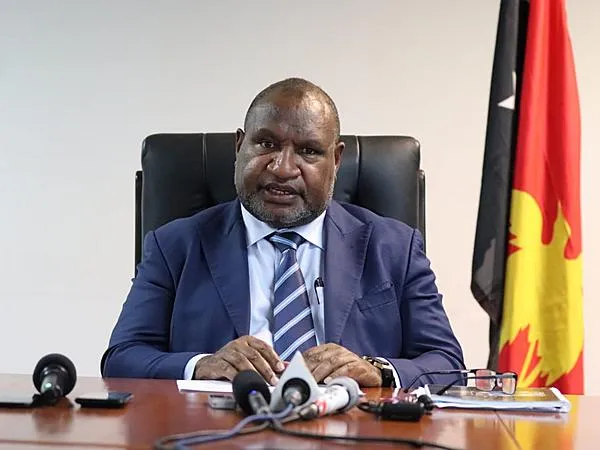
Minister for International Trade and Investment Richard Maru has declared his full support for the proposed 90-megawatt Kaugel Hydropower Project in the Southern Highlands Province, calling it a “transformational project of highest national priority.”

“The proposed K2.5 billion (USD 625 million) project, which will take four years to construct, has my highest support. This is a transformational project. We have a very high demand for cheaper, clean and reliable electricity in our country not only for our people but importantly to drive economic growth,” Maru said.

The minister called on all stakeholders to collaborate with the project’s proponents — including Kaugel Hydro Limited, landowners and the respective Provincial Governments of Southern Highlands, Enga and Western Highlands — to unlock the project’s potential and prioritise it for development.

“The Kaugel Hydropower Project is precisely the scale and quality of foreign direct investment PNG must prioritise. This hydro can provide long-term electricity to Porgera Mine, the proposed Baiyer and Ruti SEZ, Mt Hagen City and parts of Southern Highlands Province,” he said.

Maru also underscored the need for reliable electricity in the Highlands region, citing the deteriorating condition of the existing grid infrastructure including the Yonki hydro scheme, which is no longer able to meet demand.

“Persistent power outages stifle growth, deter investment and hold our people and country back from progress and development,” he said.

The minister also stressed the importance of securing broad community support and equitable benefits, especially for landowners and provincial governments involved.

“Clearly, we have to secure a social license for the project by securing clear landowner equity participation and business spin-off benefits, the participation in equity by the respective Provincial Governments and other benefits. These are critical issues that must be handled carefully and sensitively,” Maru stated.

According to the minister, the Kaugel Hydropower Project aligns with national goals for rural electrification, industrial development and the shift to low-emission energy systems.

He thanked Kaugel Hydro Limited Managing Director Karl Yalo and his team for their continued efforts to progress the project.

“We wish them every success to secure anchor customers to make the project bankable and we also hope that they can secure license from the National Energy Authority,” said Maru.

He added that his ministry and department remain fully committed to supporting the project.

“My Ministry and Department stands ready to champion this potential high impact and transformational project to demonstrate the unwavering commitment of the Marape-Rosso Government to renewable energy transition, equitable distribution of benefits and setting the foundations for a better and brighter future for our people and country as we celebrate 50 years of independence and chart our way forward for the next 50 years,” he said.

May 12, 2025

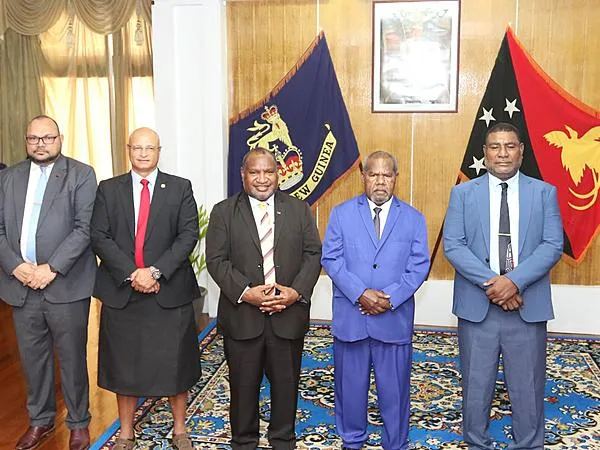
Prime Minister Hon. James Marape has announced a key Cabinet reshuffle, following the swearing-in of Hon. Peter Isoaimo, Member for Kairuku, as the new Minister for Energy. Minister Isoaimo replaces Kerema MP Hon. Thomas Opa, who has been appointed as Minister for Finance, while outgoing Finance Minister Hon. Miki Kaeok retains his Transport portfolio. Prime Minister Marape thanked Minister Kaeok for his tenure at Finance

Speaking after the swearing-in ceremony at Government House, Prime Minister Marape praised Mr Isoaimo as a seasoned leader and dedicated member of the government coalition, noting his long political service since entering the National Parliament in the 9th Parliament through a by-election and his earlier years in the Central Provincial Assembly.

“Minister Isoaimo has been a loyal and humble servant of this government,” Prime Minister Marape said. “He brings with him a wealth of experience, having previously served as Vice Minister for Works and Highways, and has consistently demonstrated patience, loyalty, and sincerity—qualities we value as we build the next generation of Papua New Guinean leadership.”

Mr Isoaimo’s appointment also restores Cabinet representation for Central Province following the departure of Hon. Walter Schnaubelt, National Alliance Party leader, who moved to serve as Governor of New Ireland Province. PM Marape acknowledged the continued partnership with the National Alliance Party, a coalition partner of Pangu Pati since 2019.

“We are keeping faith with the coalition arrangement. This was not just about politics—it was the right choice based on experience, region, and merit,” said PM Marape.

The Prime Minister emphasised the growing importance of Central Province in the national energy and development agenda, pointing to strategic projects including Papua LNG, the Wildebeest gas fields, and the reopening of Tolukuma Gold Mine. He highlighted the underutilised agricultural land across Central and Gulf provinces as a major frontier for national development.

“Minister Isoaimo’s Kairuku electorate lies between Port Moresby and Gulf, at the heart of emerging LNG, mining, and agricultural corridors. He is well placed to drive the energy portfolio in this critical time,” the Prime Minister added.

On the reshuffle, PM Marape explained that the changes were part of a broader performance review aimed at enhancing service delivery ahead of the 2025 Budget and beyond.

“All departments and ministers are under review,” PM Marape said. “This is about ensuring the right people are in the right portfolios as we head into our 50th anniversary and beyond. We’re doing this for the country—not for our districts or friends.”

Incoming Finance Minister Hon. Thomas Opa was praised for his integrity and capability. Mr Marape, himself a former Finance Minister, urged him to maintain strict financial discipline and ensure that public funds are managed transparently and effectively.

In his first remarks as Energy Minister, Hon. Peter Isoaimo thanked the Prime Minister and the coalition for his elevation.

“I did not see this coming,” Mr Isoaimo said. “But I am humbled by the trust placed in me. I thank the National Alliance Party and Governor Walter Schnaubelt for their confidence, and I pledge to serve the government and our people to the best of my ability.”

Minister Isoaimo reiterated his commitment to the Marape-Rosso Government and the national development agenda, expressing readiness to support the country’s energy ambitions.

“God bless Papua New Guinea,” he said. “This is a proud moment for me and the people of Kairuku.”

April 14, 2025

Prime Minister Hon. James Marape has reaffirmed his government’s commitment to energy reform, economic transformation, and responsible leadership as Papua New Guinea approaches its 50th year of independence.

The Prime Minister was speaking at the National Power Sector Forum, jointly hosted by the Government of Papua New Guinea and the Asian Development Bank (ADB) at APEC Haus in Port Moresby.
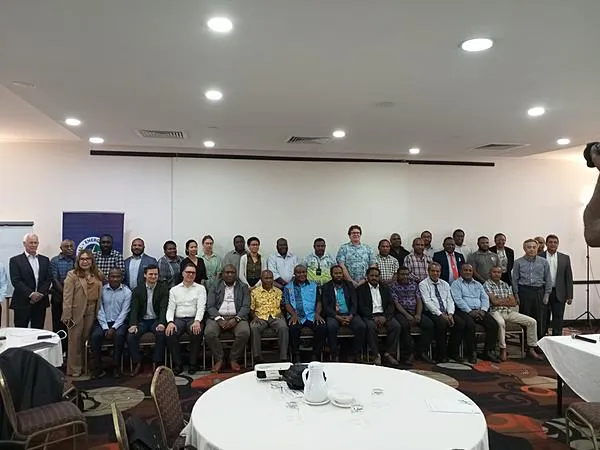
The Forum—the first of its kind in PNG—gathered more than 100 key national and international experts, including government officials, industry leaders, and development partners, to discuss power sector priorities and solutions for achieving reliable, affordable, and sustainable energy to support inclusive and comprehensive growth.

Addressing this high-level gathering, Prime Minister Marape expressed deep gratitude to the people and businesses of Papua New Guinea for their tolerance and resilience in the face of decades-long challenges in the power sector.

“You have lived with the pain and misery of inefficiencies in our power sector for too long. Thank you for your great tolerance. We have inherited a broken system, but we are taking decisive action to rebuild and reform,” the Prime Minister said.

Since assuming office in 2019, the Marape Government has made significant progress in stabilising PNG Power Ltd, investing over K400 million and implementing major structural reforms at both board and executive levels.

A key milestone has been the establishment of the National Energy Authority (NEA), now tasked with regulatory oversight and energy policy development—freeing PNG Power to focus solely on electricity generation and distribution.

“Energy drives the world. From electricity to water and transport, energy is central to human advancement. We want to ensure 100% reliable, clean energy access to our people—well before our 70th anniversary in 2045,” Prime Minister Marape declared.

The Prime Minister committed to going beyond the current 70% national electrification target, pushing for universal access through decentralised power solutions, private sector partnerships, and provincial leadership.

He also delivered a firm message to the public service and SOEs: “If you cannot do the job, leave the job. I have no time to waste. Our people deserve better, and the time for excuses is over.”

Energy reform, he emphasised, is central to his government’s broader vision of building a K200 billion economy, capable of supporting a growing population of more than 10 million. When he took office, the economy stood at K79 billion. Today, it has reached K120 billion, with projections to exceed K130 billion by year-end.

Reinforcing PNG’s reputation for fiscal responsibility, Prime Minister Marape noted that the country has never defaulted on its international debt obligations, including during the global COVID-19 crisis.

“We peaked at 52% debt-to-GDP during COVID, but today we are back to 47%. We continue to honour our debts, our covenants, and our credibility as a borrower,” he said. With a landmass larger than Japan, the UK, and New Zealand—and one of the most culturally and linguistically diverse populations in the world—Prime Minister Marape said that energy solutions must be tailored to the country’s geography and decentralised realities.

He reaffirmed the Government’s focus on provincial-level energy initiatives, empowering provinces like Morobe, East New Britain, and the Highlands to pursue investor-friendly, locally driven solutions.

“We must stop managing PNG Power like it’s 1975. This is 2025. Let private capital in. Let innovation lead. Let’s not waste another 20 years.”

As PNG looks toward 2045, the Prime Minister invited development partners and investors to join the country’s transition to clean, renewable energy, including opportunities in hydrogen, thermal, solar, and hydroelectric power.

“This is a country with global potential in clean energy. Let’s build a mature, energy-secure, climate-resilient economy together,” he concluded.

December 13, 2024

Prime Minister Hon. James Marape has recently (11.12.24) announced his government’s decision to partially privatise PNG Power Ltd amidst Government’s further decision to open up other parts of the country to independent power suppliers.

Prime Minister Marape told the PNG CORE Investment Week in Sydney that Cabinet has approved the decision in one of its final meetings this year the partial privatization of the State-owned enterprise to improve its operations and efficiency of power supply to Papua New Guinea.

The partial privatization means the State will continue to maintain its interest in PNGPL with the investor taking over management of the enterprise and equity - assets worth over K4 billion in the company.

This will be the second decision Cabinet has made on PNGPL, where an earlier decision was made to look at the company’s power generation, retail and distribution status.

The Prime Minister urged investors to keep an eye out for Expressions of Interest soon to be advertised, pointing out the advantage in PNG Power’s “first right to supply power” monopoly in Papua New Guinea.

“Power supply is a strategic asset and investment, and PNG Power has two important assets. It has asset that is K4 billion in total, and more importantly it has monopoly in first right of supplying power with its community service obli-gation that it still holds,” said the Prime Minister.

Prime Minister Marape said reforms in the energy sector have begun with the government ministry responsible ready to issue licenses to investors willing to partner his government to take power supply to parts of PNG that are out of reach of PNGPL, as up to 70 percent of the country still remains without elec-tricity supply.

The Prime Minister also highlighted Government’s long-term decision to move into clean, green energy in the next 20 years, while pointing out PNG’s numer-ous clean energy potential in hydro, thermal, wind and solar sources.

He urged investors to seriously consider this space and to look further down the line to selling power over the borders to Indonesia and Australia.

“We want to unlock power in our country by bringing cheaper reliable and cleaner power to our people at the earliest. We have more than enough sources of clean energy where hydro remains the biggest available source.

“I encourage investors to think big and take up these opportunities that are available in our country,” said PM Marape.

October 23, 2024

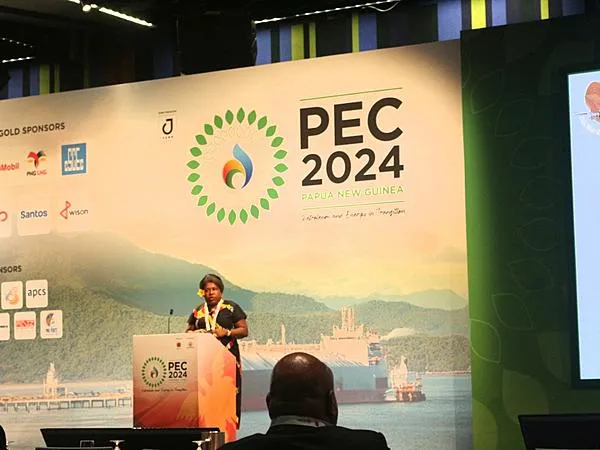
The government has reiterated its ambition to achieve carbon neutrality by 2050, with an interim target of a 50-percent reduction by 2030, at the recent Petroleum and Energy Conference 2024.

Recent reports indicate progress, particularly in the agriculture, forestry, and other land use sectors, which have successfully met initial CO2 reduction targets.

Papua New Guinea (PNG) Climate Change Development Authority (CCDA) Acting Managing Director Debra Sungi highlighted the collaborative efforts between the agency, the PNG Forest Authority, and National Energy Authority to advance these objectives.

Sungi said: “In our recent bi-annual update report, which we've submitted off to the United Nations Framework Convention on Climate Change, we have reached our target under the agriculture, forestry, and other land use, which is of 10,000 gigagrams of CO2 equivalent with zero debt in our recent findings.

“That is a positive step that the government have actually taken together with you all in terms of ensuring that we work together in a more sustainable way.

“Those targets are very specific for our agriculture, forestry, and other land use. And that is from our enhanced NDC, which was done back in 2020. We are in 2024, almost halfway through 2030.

“It's a 10-year target. It is a positive milestones which we have achieved together,” she added

Speaking at PEC24, Sungi, emphasized the urgent need for PNG to transition toward greener practices in the face of mounting climate challenges. Her remarks centered on leveraging nature-based solutions to combat climate change, while also promoting sustainable development.

Sungi highlighted the importance of the country’s forests, as reiterated by PNG Prime Minister Hon. James Marape.

"As we engage in international forums, we must fully utilize our forest resources," she stated, noting the increasing frequency of climate-related disasters over the past decade, which have disrupted traditional agricultural practices and altered weather patterns.

Despite contributing a mere 0.001% to global emissions, she argued that PNG cannot afford to ignore the impacts of climate change.

"If we don't take action now, we risk becoming one of the highest emitters in the future," she cautioned.

Sungi also addressed the challenges of financing climate initiatives, noting the delays often associated with accessing international funds like the Green Climate Fund.

"We need to mobilize resources effectively to respond to the immediate impacts of climate change," she urged, noting the importance of public-private partnerships.

The CCDA executive detailed specific goals for transitioning from fossil fuels, particularly diesel-powered plants, to renewable energy sources by 2030. She said the National Energy Rollout Plan outlines potential investments in cleaner energy solutions across identified provinces.

Moreover, Sungi announced recent amendments to the Climate Change Management Act, which will enhance governance around carbon markets, enabling better collaboration between the government, local communities, and the private sector.

This regulatory framework aims to streamline efforts in forestry management and carbon trading.

“I am pleased to say that even after the amendments of the Climate Change Management Act in 2023, we have made some few amendments to allow us as an authority to now manage and govern the space around carbon markets. And we have the regulation that maybe in a couple of days we will have a statement out that we have some endorsement.

“I would like to acknowledge our good Prime Minister in driving this agenda going forward together with our ministers,” she said.

“It a legislation that has been missing for a very long time. And having that around the forestry sector governs our work in terms of working together not only with our local communities, our landowners, but also with the private sectors around a different market approach, which we have identified another carbon market regulation.”

Sungi called for collective action, noting that achieving PNG's climate goals requires partnership across all sectors. "We must ensure that our development is sustainable and inclusive," she stated.

October 23, 2024

This year's Petroleum and Energy Conference (PEC) attracted an impressive 580 delegates from around the world to Papua New Guinea (PNG), which is the highest attendance to date.

The Managing Director for Kumul Petroleum Holdings Limited, Mr. Wapu Sonk, expressed optimism for future events, stating: "I look forward to a better and bigger event next year, with more exciting projects."

Mr Sonk highlighted the importance of the conference as a platform for networking, idea sharing, and collaboration aimed at enhancing the sustainability and success of the oil, gas, and energy industry in the country.

The conference featured a comprehensive range of discussions, covering topics from green energy to regulatory frameworks, marking a significant step in the evolution of the energy sector.

Mr Sonk reflected on the event's origins in 2016, noting its focus on petroleum and energy discussions distinct from mineral topics.

He pointed out that this focused approach led to meaningful changes, including the establishment of the National Energy Authority (NEA) and the deregulation of PNG Power, allowing for more competitive practices in the industry.

"This event started in 2016, and we had a break in between because of COVID, and this is the sixth edition of the conference. I have to say that I'm proud of the conference. It has achieved a lot, basically."

"The progress we have made has transformed the energy landscape," Mr Sonk said, noting the importance of building trust between the government and investors and the need for balanced relationships to ensure mutual benefits for both the country and the industry.

"Without your support, we would not have had a successful two-day event," he said, thanking sponsors for their vital contributions.

Mr Sonk acknowledged the presence of Prime Minister James Marape and various ministers, including Minister for Energy Thomas Opa.

Minister Opa expressed appreciation on behalf of the Marape-Rosso government and the Department of Energy for the efforts of Kumul Petroleum Holdings Limited (KPHL) in organizing the event, highlighting its role as a vital platform for industry collaboration.

MP Opa, who joined MD Sonk and PM Marape on stage, reinforced the government's dedication to licensing new energy projects.

He said: "In the next 12 months, we would like to come back and say we have covered another 20 or so districts in the MPP through licensing."

Sharing similar sentiments, Prime Minister Marape shared ambitious plans for the energy sector, which aims to expand access to electricity in rural areas by 2030.

"We want to reach out to about 70% of public unions in the rural areas," he said, as the conference concluded with a strong message of collaboration and investment potential in PNG's energy sector, reflecting the government's ongoing commitment to it.

October 23, 2024

The Papua New Guinea (PNG) Minister for International Trade and Investment, Hon. Richard Maru, said PNG is still facing a pressing energy crisis, nearly half a century after gaining independence.

Minister Maru underscored the urgency of the country’s energy challenges, stating: “We cannot pretend, we can't keep talking about providing for other countries in the world, talking about their energy security when we have serious issues at home.”

He expressed concern over the widespread blackouts affecting everyday life and businesses across the nation that holds back development, including his own region of Sepik, where residents can go up to five days without power. 

“This is the reality,” he stated.

Speaking at the Petroleum and Energy Conference 2024 in Port Moresby, Minister Maru expressed gratitude for its location in PNG and acknowledging the critical discussions that needed to take place.

“To me, this is one of our most important conferences. I call on stakeholders to collaboratively tackle the energy crisis that has hindered economic development,” he said.

Despite PNG's abundant natural resources, the nation has failed to capitalize on its hydro, solar, and wave energy potential, Maru said.

“The mining and petroleum sector did not deliver the result we were all expecting. Therefore PNG must now look at the non-resource sector with a focus on energy to drive the economy forward,” Maru said.

“Tourism, downstream processing, manufacturing, fisheries, that is where the future is. It will ride on the back of cheap and reliable energy. So much potential PNG has not turned into energy solutions. This energy crisis has held back the countries development, held back jobs, made it difficult to find investors,” Maru said. 

He cited Madang province, where blackouts hinder the establishment of a fish cannery that could create thousands of jobs.

The Minister noted that PNG’s electricity prices are among the highest in the world, which has stunted the nation’s competitive edge in industries reliant on energy. He contrasted PNG's situation with neighboring Indonesia, which benefits from significantly lower energy costs, enabling robust industrial growth.

Maru pointed to the need for a strategic shift toward renewable energy sources, urging the government and stakeholders to develop a comprehensive plan to transition to cleaner energy.

“We must move with the rest of the world,” he said, referencing global trends towards carbon neutrality by 2050.

Citing the low electricity penetration rate — only 19% of the population has access — Maru said: “The rest of the world is nearly 100%.”

He emphasized the urgent need for infrastructure improvements and criticized the lack of progress on the PNG Electricity Partnership agreement signed in 2018.

“We are looking for innovative solutions. We are inviting local and international energy companies to invest in PNG’s energy sector.”

The minister stressed the government’s commitment to deregulating the energy market and offering incentives to attract investment, aiming to increase electricity access to 70% of the population by 2050.

“We have a crisis. I'm not blaming anyone. We all have to take responsibility,” he said.

Maru told PNG Business News in an exclusive interview that Papua New Guinea stands at crossroads, and with strategic partnerships and innovative solutions, the nation can unlock its vast economic potential.

“We can talk all we want at this conference, but the fact is that PNG is facing an energy crisis, and we need to properly address this energy crisis before addressing other sectorial challenges. Energy is key to development,” he said.

October 20, 2024

Prime Minister James Marape invited international investors and energy experts to collaborate with Papua New Guinea (PNG) in harnessing its diverse energy resources, including hydro, geothermal, and solar power, during his keynote address at the opening of the 2024 Petroleum and Energy Conference at the Hilton Hotel in Port Moresby.

"We offer strong incentives and protections for investors," Marape assured attendees. "Your investments in our cleaner energy solutions will not only yield returns but contribute to a sustainable future."

He emphasized the strategic advantages of PNG's location, being closer to Asian markets, and noted the nation’s vast forests provide a unique opportunity for environmentally-conscious investments, helping to offset carbon footprints.

Marape’s address comes amid a global trend of increasing coal consumption, particularly in Asia, where he urged stakeholders to prioritize environmental stewardship.

He highlighted PNG's carbon-negative status, noting the country's extensive forest resources capable of absorbing over 100 million metric tons of carbon.

Marape also expressed gratitude to Kumul Petroleum, ExxonMobil, and all sponsors for enabling this platform for contemporary energy discussions with a PNG focus.

"I'm honored to open this significant conference, focusing on the critical issue of energy and its impact on our planet, as well as what PNG is doing to regulate and promote the energy sector," he stated.

He called for action against climate change, particularly in the Pacific Region, which faces significant risks despite its minimal carbon footprint, and reiterated PNG’s commitment to leading the change in clean energy production.

"I want to bring the spotlight on the production of heavy carbon-filled fossil fuels, especially coal. It is hard to believe that in this modern age of space travel and superspeed technology, the world is still burning coal," he remarked.

"Coal accounts for the largest share of electricity production worldwide, with gas coming in second. In Asia, economic growth and high populations have led to an unparalleled reliance on coal."

Marape referenced reports from the International Energy Agency, which have highlighted alarming trends in coal consumption.

Figures from 2020 to 2023 reveal that China accounts for a massive 50.5 percent of global coal consumption, followed by India at 11.3 percent, the United States at 8.5 percent, Germany at 3 percent, and South Africa at 2.4 percent, with Poland, Australia, and Brazil also noted.

Recognizing the harmful effects of coal and other heavy carbon fossil fuels, Marape emphasized PNG’s determination to pivot towards sustainable energy solutions.

"PNG is getting our house in order to ‘think globally and act locally’… Our own carbon footprint remains under 10 million metric tonnes, and despite the high cost of energy, we choose to differ now and into the future. We want to remain a clean green country and we want to make and lead this transition to clean energy."

"I firmly believe that liquefied natural gas (LNG) is the best energy source for transition between now and life after 2050, if we are to keep Mother Earth. LNG is cleaner, more efficient, and aligns with our goal of reducing carbon emissions."

"Our liquefied natural gas serves as a crucial transitional energy source, offering a cleaner alternative as we move toward a future powered by renewable energies," he added.

Stakeholders from the business, industrial, and mineral sectors engaged in discussions focused on the development of PNG’s energy landscape, with an emphasis on securing a stable and sustainable energy future.

Marape reaffirmed his government’s commitment to facilitating a secure investment environment while leading the transition away from heavy fossil fuels towards a greener economy.

PEC 2024 is the only industry-specific conference focusing solely on the petroleum and energy sector. This sector is a major contributor to PNG's economic growth, and the event offered a unique platform for ministry officials, industry leaders, resource owners, innovators, and charitable organizations to unite and shape the future of PNG’s energy sector.

Discussions included new policies, upcoming projects, and announcements in the petroleum and energy sector.

Day 1 sessions included:

  1. The Global Picture – Supply and Demand
  2. PNG Hydrocarbon Projects
  3. Exploration and Stranded Field Development
  4. Value Maximization & Fiscal Regime Change Opportunity

Day 2 sessions included:

  1. Energy Project Financing
  2. Electrification in PNG
  3. Industry Services Providers – Renewable Resources: Global Perspective, Technology, and Innovation
  4. Decarbonization & Energy Switch
  5. Roundup - Petroleum & Energy in Transition.

The conference featured 41 official speakers over two days and 48 exhibitors. PNG Business News served as the official media partner of the event, also showcasing a booth during the conference.

October 20, 2024

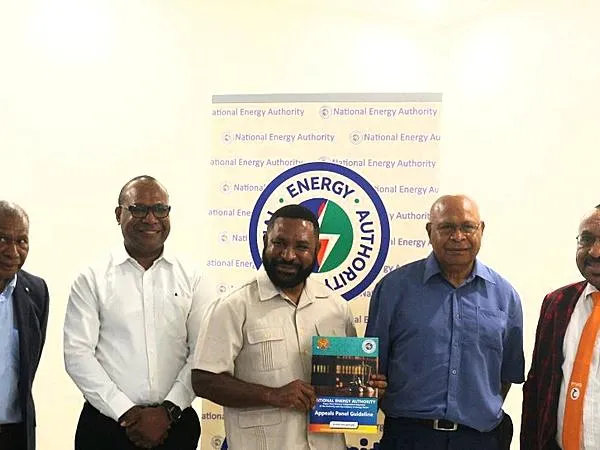
The Papua New Guinea National Energy Authority (PNG NEA) has officially launched its Board Charter and Appeals Panel Guidelines, signifying the establishment of its governance framework.

This initiative aims to enhance transparency and accountability within the NEA, ultimately improving the efficiency and fairness of the country's energy sector.

The Appeals Panel Guidelines serve two primary purposes:

  1. To define the roles, responsibilities, and powers of the Board, both individually and collectively, in guiding the National Energy Authority (NEA).
  2. To establish governance rules and Board procedures in compliance with Section 64D of the Public Finance (Management) Act 1995 and Subsection 24 (6) of the National Energy Authority Act 2021.

On October 15th, key figures from the energy sector convened at Lamana Hotel in Port Moresby for the launch event. Attendees included Board Members, Senior NEA Management, and Appeals Panel Members.

The ceremony featured remarks from Mr. Joseph Gabut, NEA Board Chairman; Mr. James Gore, Appeals Panel Chairman; and Mr. Ronald Maketa, Managing Director of NEA.

The day's agenda included the unveiling of the Board Charter, followed by the Appeals Panel Guidelines, the swearing-in of Board members, and the presentation of certificates to inaugural Appeals Panel Members.

The signatories of the Charter of Good Governance committed to fulfilling their duties with the understanding that they represent the interests of the people of PNG.

In his address, Mr. Gabut emphasized the importance of the new legislative framework, stating: "In public institutions, there are always complaints, which highlights the need for public access to information and community engagement in national development.”

Drawing from his diverse experiences, Gabut expressed confidence in the Appeals Panel's capacity to effectively address grievances.

He underscored the significance of the Board Charter saying, "A good document is essential, but it is the commitment of the board members that will determine its success."

Gabut called on all governance participants to prioritize the welfare of PNG, emphasizing the critical role of integrity in public service.

Appeals Panel:

Mr. Gore, the newly appointed Chairman of the Appeals Panel, recognized the importance of the panel's establishment.  "It is our unwavering commitment to uphold integrity, fairness, and professionalism."

Gore outlined the panel's main responsibilities, including reviewing appeals, maintaining transparency, and ensuring high standards of justice.

He noted that the panel would serve as an efficient dispute resolution mechanism, expediting processes and reducing legal costs for stakeholders.

"The primary purpose of the NEA Appeals Panel is to ensure a fair and transparent process for addressing grievances and appeals," Gore explained.

"We will meticulously review appeals submitted by stakeholders, ensuring that each case is evaluated based on merit."

He described the Appeals Panel as a vital mechanism for conflict resolution outside the court system, designed to streamline processes and minimize legal expenses.

The panel operates under established guidelines for receiving, managing, and deciding appeals in accordance with the NEA Act.

The Appeals Panel provides a statutory avenue for applicants to appeal decisions made by mandated individuals under Part IV of the NEA Act before seeking judicial review in the National Court.

“We aim to provide clear explanations of our decisions to all parties involved and uphold the highest standards of justice and fairness,” Gore said.

NEA Managing Director Mr. Maketa highlighted NEA's functions, such as issuing licenses and overseeing compliance with technical standards.

Maketa stressed the urgent need to improve energy connectivity in Papua New Guinea, where significant service gaps remain.

“It is better to have a proper governance in place to guide us through, even though we are very serious in our respective sectors we come from and represent.”

Achieving 100% electricity connectivity by 2050 would require substantial investment, estimated at 15 billion kina, he noted.

“We are trying to assist the government in reaching its mission and vision 2050, 2030. We've got to connect 70% by 2030, and we've got five years."

Maketa pointed out the challenges posed by aging infrastructure, the need for reinvestment and collaboration with independent power producers, and public-private partnerships to address the country’s energy challenges.

“Our board, alongside management and the newly established Appeals Panel, is committed to unlocking potential, improving services, and attracting investors,” he explained.

“If we can offer competitive pricing to manufacturers, we could see significant investment in PNG.”

He concluded by sharing insights on recent licensing successes, including the Namatanae District Development Authority’s concession for energy generation and distribution, which he described as a model for future initiatives.

October 14, 2024

The central goal of the Papua New Guinea (PNG) National Energy Authority (NEA) Corporate Plan 2023-2024 is to promote access to affordable, reliable, and sustainable energy services, which are crucial for economic growth and community prosperity.

A key focus is extending electricity access to 70 percent of PNG’s population by 2030 and achieving universal access by 2050. Currently, only about 15% of the nation’s population has access to electricity.

The NEA’s Corporate Plan for 2023-2027 outlines several key initiatives aimed at strengthening the country’s energy infrastructure and promoting sustainable energy development. Two notable initiatives are:

  • Developing Renewable Energy: The NEA plans to invest in high-profile electric, solar, geothermal, biomass, and wind power projects across PNG.
  • Strengthening Energy Infrastructure: This involves expanding the use of mini-grids, upgrading transmission and distribution networks, and utilising innovative financial mechanisms to attract private investment.

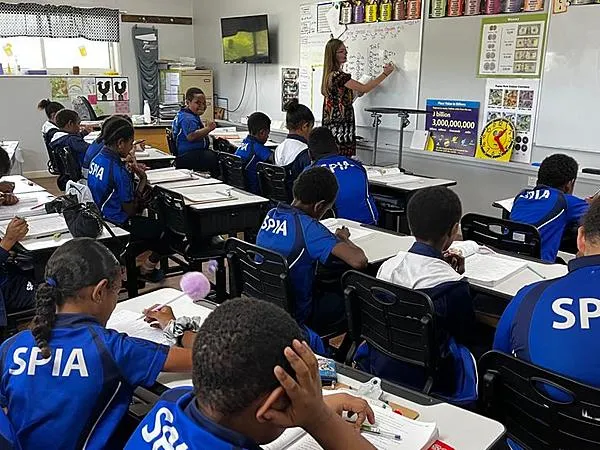
PNG Solar Supply (SPIA Enterprises Ltd) is committed to supporting this vision by providing sustainable energy solutions -- practically implemented recently with the South Pacific International Academy.

The Academy, located along the Papa-Lealea Highway, has faced power challenges over the past year, experiencing daily blackouts that severely disrupted educational activities.

From September 2023 to February 2024, the school endured eight-hour blackouts daily from 8 AM to 4 PM. Although the situation improved somewhat after February, the issues resurfaced during Independence Day celebrations this year.

On September 16, a damaged power line along the highway caused further instability in the voltage, leading to a potential three-week blackout for both the school and staff housing. However, the academy had already anticipated these problems.

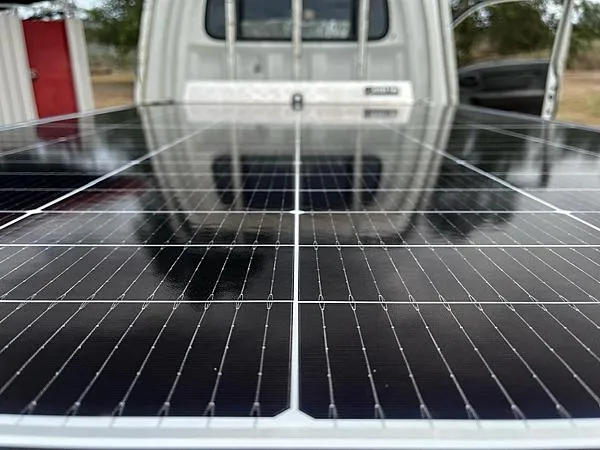
In a timely move, PNG Solar Supply commissioned an 80kW hybrid rooftop solar power system over the same weekend as Independence Day.

The solar materials are provided, designed, procured and commissioned entirely by the company, underscoring a commitment to 100% Papua New Guinea ownership and operation.  Installation was completed by Construction Electrical Services Ltd.

"We used the best materials in the world, and it is reflecting in the system's performance," said Melvin Samuel, Sales and Marketing Coordinator, PNG Solar Supply.

Despite the unreliable grid power over the last three weeks, the new rooftop solar system has operated flawlessly. With a robust battery backup of 122kWh and 80kW of solar panels, the classrooms have remained operational during the day, while staff houses enjoy reliable power throughout the night. 

Switching on the hybrid solar system has completely replaced a standby diesel generator for the Academy.

"This solar solution is changing the game for us. We are no longer at the mercy of an unreliable grid," Samuel added.

September 17, 2024

PNG Solar Supply - SPIA Enterprises Ltd is lighting-up the remotest corners of Papua New Guinea with sustainable and affordable solar energy solutions.

PNG Solar Supply is providing renewable energy solutions across the country. As a subsidiary and the commercial arm of the South Pacific International Academy, all profits from PNG Solar Supply are reinvested into the school's expansion efforts. This unique business model allows the company to contribute both to energy sustainability and educational growth in PNG.

One of PNG Solar Supply’s flagship projects is the Kanabea Mini-Grid, located deep in the hinterlands of Gulf Province. This mini-grid system features a 103 kWp solar array supported by 122 kWh of battery storage utilizing advanced lithium iron phosphate batteries.

The system connects 41 buildings, including a rural health centre, a church, and a primary school, providing reliable energy to essential services. This project highlights the company's ability to bring sustainable energy to even the most isolated regions of the country.

PNG Solar Supply is proudly Papua New Guinean-owned and operated and has supplied 23 projects across PNG, providing much-needed employment opportunities for local communities.

With a commitment to designing and procuring solar-powered systems, the company has delivered energy infrastructure for numerous communities, most notably in remote and underserved regions.

PNG Solar Supply Sales and Marketing Coordinator Melvin Samuel stressed the company's commitment to enhancing the accessibility of solar energy across PNG.

"PNG Solar Supply is the wholesale supplier of solar products throughout PNG. We focus on providing high quality materials at the lowest cost, seeking to utilise economies of scale to make it possible for local installers to implement solar projects at competitive costs," Samuel stated.

He also expressed satisfaction with the growing adoption of renewable energy in the nation, noting: "It is very satisfying to see renewable energy being installed across the nation.”

“For so long, diesel generators have filled this need, and those have been so harmful to the environment, not to mention the difficulty in logistics to just refuel them. Now users are getting solar panels that generate power for 25 years without having to think about it. This is very satisfying."

PNG Solar Supply is capable of handling projects of any size, from single-family homes to larger mini-grid installations. Their solar panels come with a 30-year warranty, while inverters and batteries are designed to last up to 10 years, ensuring long-term reliability.

Another notable project includes the design and procurement of solar power infrastructure for a surf resort in Vanimo, West Sepik Province. The 4.3 kWp solar array installed at the resort has 7.6 kWh of battery storage, powered by LifeLynk X technology, and connects five bungalows to the main power house, backed by a 5kVA generator.

By empowering PNG businesses and communities with clean, renewable energy, PNG Solar Supply is playing a key role in the nation’s transition to sustainable development.

PNG Solar Supply offers a full-service approach to solar energy projects, ensuring clients receive the highest level of service from start to finish. Their services include:

  • Exploratory Stage: PNG Solar Supply uses the latest technology to assess energy needs and provide accurate cost and timeline estimates.
  • Procurement Stage: With over 20 years of experience in foreign exchange and international procurement, PNG Solar Supply expertly handles international orders and manages the logistics of importing solar equipment, even amidst foreign exchange challenges.
  • Installation and Commissioning: Through their partnership with Construction Electrical Services Ltd (CES), they offer professional installation and commissioning services, providing a complete turnkey solution.

As the nation continues to grapple with energy access and sustainability, solar power remains a viable solution. PNG Solar Supply’s mission is to offer affordable, high-quality solar systems that can power even the most remote regions of the country. 

September 02, 2024

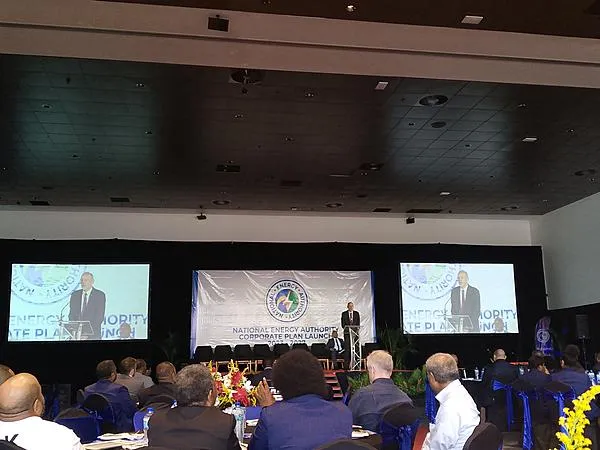
The National Energy Authority (NEA) has officially launched its Corporate Plan 2023-2027, marking a significant milestone in Papua New Guinea’s energy sector. The Corporate Plan, launched on 23 August at APEC Haus in Port Moresby, is the first of its kind for the NEA. It outlines the strategic direction and key objectives that will guide the Authority’s efforts over the next five years. The Plan came into effect following the enactment of the National Energy Authority Bill in 2021, which established the NEA with the primary purpose of leading, facilitating, and accelerating the development of PNG’s energy sector.

The central goal of the Corporate Plan is to promote access to affordable, reliable, and sustainable energy services, which are crucial for economic growth and community prosperity. A key focus is extending electricity access to 70% of PNG’s population by 2030 and achieving universal access by 2050. Currently, only about 15% of the population has access to electricity.

NEA Managing Director Roland Maketa highlighted the importance of the Corporate Plan in supporting the government’s national development goals, as outlined in the PNG Medium-Term Development Plan Four and Vision 2050. “I am confident that the strategies outlined in this inaugural plan will take us a step closer towards achieving our goal of providing 70% of households with electricity from renewable sources by 2030 and 100% by 2050. Our commitment is to work collaboratively with all stakeholders to ensure its successful implementation.”

Deputy Chairman of the NEA, Raymond Unasi, reiterated similar sentiments, emphasising the Authority’s commitment to ensuring that even the remotest parts of the country will have electricity by 2050.

The Corporate Plan sets forth a comprehensive framework that identifies the NEA’s key roles, functions, and capabilities. It establishes strategic goals and corporate priorities that will drive the Authority’s activities, focusing on enhancing the regulatory framework, expanding off-grid electrification, and harnessing the potential of renewable energy sources.

Government Commitment to Energy Security:
The Minister for Energy, Hon. Thomas Opa, in his speech, emphasised the importance of pursuing innovative solutions to increase energy generation and distribution, improve energy efficiency, and promote renewable energy sources. Minister Opa stated, “The government has placed great emphasis on energy security in Papua New Guinea. The medium-term development strategy is aligned with our goal to grow the economy by an estimated 200 billion by 2030 and double the country’s internal revenue, creating one million new jobs.” He highlighted the government's mission to transform PNG into a middle-income country by 2030. Central to this vision is ensuring a reliable and continuous electricity supply across the nation.

Establishment of the National Energy Authority:
The NEA was established as a response to the need for a dedicated agency to oversee energy development. The separation of the Energy Division from the Petroleum Division of the former Petroleum and Energy Department in 2001 marked the beginning of a new era in PNG’s energy sector. The creation of the NEA was supported by the Marape-Rosso government through the successful passage of the National Energy Authority Act in 2021.

Corporate Plan 2023-2027: Key Initiatives:
The NEA’s Corporate Plan for 2023-2027 outlines several key initiatives aimed at strengthening the country’s energy infrastructure and promoting sustainable energy development. These include:

  1. Developing Renewable Energy: The NEA plans to invest in high-profile electric, solar, geothermal, biomass, and wind power projects across PNG.

  2. Strengthening Energy Infrastructure: This involves expanding the use of mini-grids, upgrading transmission and distribution networks, and utilising innovative financial mechanisms to attract private investment.

  3. Promoting Energy Efficiency: The plan also focuses on supporting the adoption of energy-efficient technologies, developing energy performance standards, and raising public awareness about the benefits of energy efficiency.

  4. Facilitating Private Sector Investment: The NEA will create an enabling environment for private sector investment in energy projects, including clear regulatory frameworks, targeted tax incentives, and a streamlined project approval process.

Minister Opa outlined the government’s ambitious target of providing 70% of PNG households with electricity by 2030, as part of the National Energy Rollout Plan. Achieving this will require substantial investments in energy infrastructure, including the generation of clean and renewable energy sources such as hydropower, biomass, natural gas, geothermal, and wind. The plan also aims to reduce the use of diesel-powered generators from 200 megawatts per annum to 150 megawatts by 2027. The NEA expects to increase electricity generation in the Ramu grid, the Pom grid, and the Gazelle. To meet these goals, an estimated $3.3 billion in investment is needed for infrastructure priorities under various programs, including the National Power Generation Investment Program and the Off-Grid Renewable Energy Development Program.

The NEA’s efforts have received strong support from international partners, including DFAT Australia, USAID, and the Asian Development Bank (ADB). Last year, DFAT Australia supported urgent repairs across the Ramu and Port Moresby power grids and worked on designs to upgrade several potential power grids to hybrid solar-diesel systems. USAID, through its five-year partnership with the PNG government, contributed $1.2 million to establish a solar mini-grid system in PNG's central province. Additionally, ADB has partnered with the government on several infrastructure projects aimed at strengthening the country’s energy sector.

Minister Opa reiterated the importance of strong partnerships in realising PNG’s energy potential. He noted the paradox of PNG being rich in energy resources yet facing challenges in providing consistent electricity access. “The key to unlocking this truth is unwavering commitment, not just by the government but by all stakeholders,” he said.

The launch of the Corporate Plan also signifies NEA’s commitment to honouring international partnerships, including the PNG Electrification Partnership (PEP) countries and other allies, by ensuring a hands-on approach in all energy programs in PNG, as agreed upon during the 2018 APEC Summit and subsequent arrangements.

The launch was attended by key stakeholders and partners, including the New Zealand High Commissioner, representatives from PEP Partners, PNG Power Limited, Kumul Petroleum Holdings Limited, government agencies, and NEA management and staff. The launch of the Corporate Plan is expected to set the foundation for NEA’s efforts to transform PNG’s energy sector, ensuring sustainable and equitable access to energy for all.

August 19, 2024

The Autonomous Bougainville Government (ABG) has announced the signing of a Memorandum of Understanding (MOU) with Stellae Energy Ltd (Stellae), a UK-based Green Energy Solutions and Assets company.

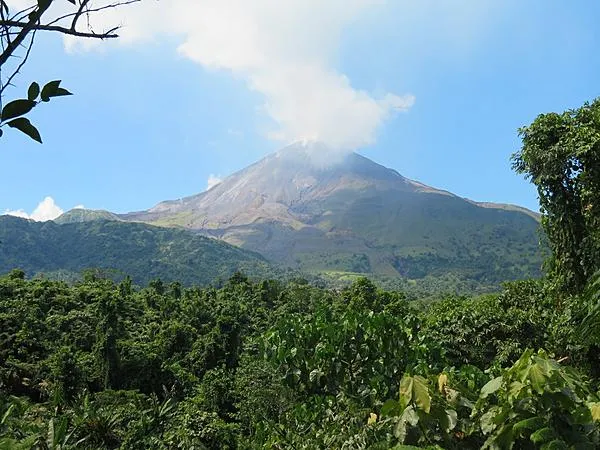
This partnership marks a significant achievement in Bougainville's journey towards energy independence and economic sustainability through the exploration of the region’s volcanic geothermal resources.

The MOU outlines a working cooperation between Stellae and the ABG through the Department of Mining and Petroleum (DMP) and the Bougainville Power and Water Corporation (BPWC), to identify and develop potential geothermal energy sites across the island.

This initiative is part of Bougainville's broader energy security strategy to harness its natural resources in a way that benefits local communities, fosters economic growth, and contributes to global efforts to combat climate change.

“It is the Bougainville energy policy strategic view that green energy investment and development is encouraged by the government,” said President Ishmael Toroama who is also the Minister responsible for Mineral and Energy Resources.

“This partnership is a testament to Bougainville's commitment to sustainable development and can provide the basis for an industrial revolution in Bougainville in the near future. By tapping into solar energy and now our geothermal resources, we not only aim to secure a reliable and clean energy source for our people but also aim to reduce our dependency on imported fossil fuels, paving the way for a greener and more self-sufficient Bougainville,” he said.

Stellae Energy Ltd, known for its innovative approach to renewable energy, will lead the exploration efforts in collaboration with local stakeholders. The project will be rolled out in phases, beginning with a comprehensive Exploration Screening Study. This study will assess the viability of various geothermal sites and lay out a clear roadmap for future development.

This opportunity has potential to bring electricity to local communities and businesses and also look into producing Green Hydrogen; this alternative energy carrier can be used to power transportation and other sectors, further supporting sustainable development in Bougainville.

In addition to providing clean energy, this opportunity when progressed successfully will create jobs, stimulate local economies, and position Bougainville as a future leader in renewable energy within the Pacific region.

“The ABG is committed to ensuring that the development of geothermal resources is carried out with the utmost respect for the environment and the rights of local landowners. The government will work closely with Stellae Energy Ltd to engage with communities throughout the exploration and development process, ensuring that their voices are heard and their interests protected,” said Peter Kolotein, ABG Secretary for Mining and Petroleum.

July 04, 2024

EDITOR’S NOTE: Ossberger, the German hydro-industry experts, has provided PNG Business News with this feature story that originally came out in Zek Hydro magazine’s May 2024 issue. Ossberger has supplied and installed 19 mini-hydropower turbines throughout PNG, mostly in rural districts, since the 1960s. The company likewise provided the hydropower systems for PNG Power's Hargy 1 & Hargy 2. It believes the technology featured in this story applies to the country as well.

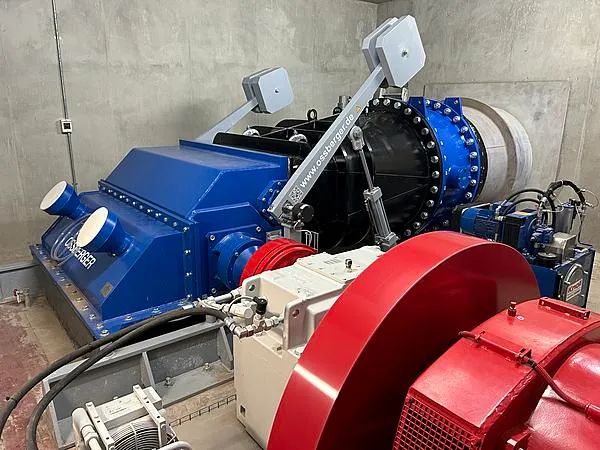
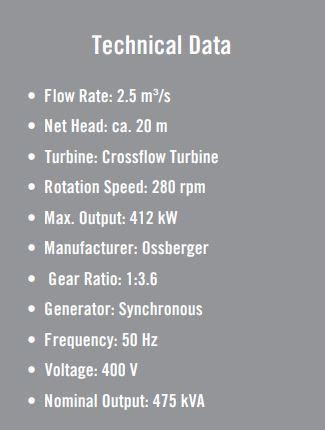
The South African farmer Michael Vermaak has become a loyal and regular customer for Ossberger, the German hydro-industry experts. Since 2008, three small hydropower plants have been built on the expansive Klipfontein farm in the village of Cookhouse. All three have been equipped with comprehensive Ossberger electromechanical packages. The latest plant went online for the first time in September 2023 with another one of Ossberger’s high-performance technology packages – including a crossflow turbine with a bottleneck capacity of 412 kW, and all the electrical fittings and control equipment. Furthermore, at the oldest plant all the control technology was updated. Resultantly, all three power plants can now operate as island solutions or in parallel grid operation – and each one is equipped with black-start capabilities.

Anyone in South Africa self-sufficient enough to meet their own electricity needs with a proprietary power plant can count themselves very lucky. So-called ‘load-shedding’ is part of everyday life for around 60 million inhabitants in the southernmost country on the African continent. Power cuts can last up to twelve hours, with entire regions and cities being taken offgrid. According to ESKOM, the state-owned energy supplier, South Africa’s power supply would collapse completely without loadshedding. Corroborative media reports suggest that a major reason for the problematic situation is the generally desolate state of the country’s energy infrastructure, resulting from decades of mismanagement and corruption.

KLIPFONTEIN FARM IS SELF-SUFFICIENT

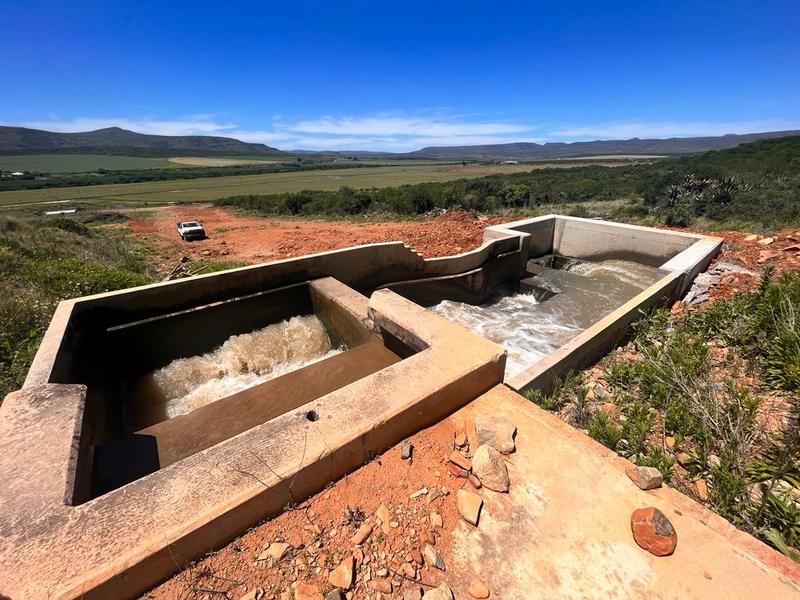
Having taken matters into his own hands in 2008, building a small hydropower plant on his extensive Klipfontein Farm property in the village of Cookhouse, Eastern Cape Province, the nationwide energy supply problem is no longer a cause for concern for Michael Vermaak. The plant utilises the hydro-energetic potential of an irrigation canal branching off from the local Fish River, and supplies water to a number of farms. Acquisition of additional properties enabled the operator to expand his farm and led to increased demand for energy. In response, in 2018 a second hydropower plant was built and commissioned, and in September 2023 a third plant went into operation.

OSSBERGER SUPPLIES RELIABLE SOLUTIONS

Ossberger crossflow turbines have been in use worldwide for over 100 years and the expertise of these German industry specialists was the operator’s first choice from the first plant on; and for the full range of technical hydropower plant infrastructure – machine sets, hydraulic steel structures, electrical fittings and control technology. Christian Habermann, Ossberger’s Technical Director explained: “Generally, South Africa is a favourable market for us, and in our experience, Ossberger turbines are particularly appreciated by operators of systems on irrigation channels as on Klipfontein Farm. The objective for a basic crossflow turbine is not to harvest the last possible percentage point of its efficiency potential, but to deliver electricity reliably and uncomplicatedly. This is the core characteristic of our solutions and, ultimately, something our customers consider to be particularly important.”

A maximum of 2,500 l/s of expansion water for the new power station is discharged at the inlet area of the irrigation canal, and channelled to the underground machine room via a penstock.


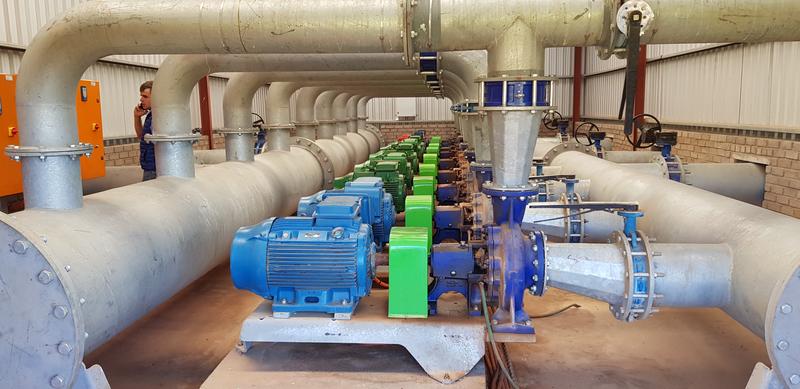
The small hydropower plants in Cookhouse generate electricity for energy-intensive agriculture, and to feed into the public grid. A significant proportion of the electricity generated is directed to a pumping station with several variable-speed pumps. The station is used mainly during the night to fill a reservoir excavated from a hillside for the irrigation of surrounding farmland.


The small hydropower plants in Cookhouse generate electricity for energy-intensive agriculture, and to feed into the public grid. A significant proportion of the electricity generated is directed to a pumping station with several variable-speed pumps. The station is used mainly during the night to fill a reservoir excavated from a hillside for the irrigation of surrounding farmland.

The pump station receives electricity from the small hydropower plants and is equipped with a whole battery of variable-speed water pumps to fill the reservoir.


MULTI-MODAL OPERATING EQUIPMENT

The first plant, built in 2008, was designed purely for island operation. Now, however, all three power plants can operate in island and grid-parallel modes, and all have black-start capabilities. Ossberger’s scope of delivery for the latest hydropower plant in Klipfontein consisted of the crossflow turbine, gearbox and synchronous generator, the flywheel, the butterfly valve and all electrical and I&C equipment. The horizontally-fed crossflow turbine is designed to achieve a discharge water volume of 2.5 m³/s with a net head of around 20 m, for a bottleneck output of 412 kW under full load conditions. Drive water for the turbine is provided via an underground penstock pipeline connected to a newly-built inlet on the irrigation canal. No separate screen cleaning machine was installed at the inlet area. However, Christian Habermann explained that, if required, such a machine could be retrofitted without great effort. After driving the turbine, the headrace water is returned to the diversion channel and, after a short distance, flows into the Fish River. Plant construction took around a year and was completed in autumn 2023. The operator and several local companies played an active role in the plant construction phase. The machine building is completely subterranean, and assembly of the electromechanical equipment and cabling laying were tasks conducted by local labour teams. Ultimately, the power plant was commissioned in September 2023 under the supervision of an Ossberger technician.

THREE IS THE MAGIC NUMBER

Operation of the state-of-the-art system is fully automatic. The control system can be accessed using touch panels installed in the machine buildings, or accessed online via smartphones and PCs. As well as being experts in the construction of turbines, the German all-rounders at Ossberger demonstrated their hydropower expertise by providing the full scope of control technology for the plant network. “In the course of order implementation it was also necessary to modernise the electrical engineering in the oldest power plant. As a result, all three plants can now generate electricity individually, or combine automatically to form a completely synchronised network, depending on the current requirements”, Ossberger’s Area Sales Manager Markus Sauerbeck told us. Christian Habermann summarised: “The entire project went very smoothly, and coordination and communication were flawless. It was definitely of benefit to be familiar with each other from previous projects, and to be able to form a well-oiled team. We are certainly in a good position to implement further projects in the field of agricultural or municipal irrigation systems. The Cookhouse project is a good example of how an existing irrigation channel can now be used three times to generate clean electricity.”

April 14, 2024

In the ever-evolving development sectors of sustainable energy, mastering the installation of solar energy systems is both a skill and a necessity. With advancements and innovations occurring at a rapid pace, being informed with developments are crucial for companies in the electrical and solar industry.

The Sustainable Energy Industry Association Papua New Guinea (SEAP) recently hosted a pivotal workshop in partnership with the Sustainable Energy Industry Association of Pacific Islands (SEIAPI) and the United States Agency for International Development PNG Electrification Project (USAID-PEP).

Held on the 5th of April at the USAID-PEP office in Port Moresby, the event titled “SEIAPI/SEAP/USAID-PEP Solar Standards Workshop” brought together 60 participants from solar and electrical companies, government agencies, international donor organizations, and academia.

The USAID-PEP Chief of Party Bruce Corbet highlighted the importance of mini-grids and small-scale electrification in achieving PNG’s electrification goals.

Mr Corbet said, “This is one of the steps we are taking as more people join. And it is really important, this message, ‘that mini-grids and small-scale electrification is a fundamental part of electrifying Papua New Guinea’ and achieving the government’s goal of that 70% access target by 2030.”

He emphasized the necessity of partnerships and capacity development for such initiative.

USAID-PEP seeks to enable the creation of PNG’s mini-grid development industry. The workshop is for capacity development, including an opportunity to network with potential partners in the industry.

The workshop lasted 1 hour and 30 minutes and participants were immersed with information and knowledge, guided by a “Standards Presentation,” followed by a question-and-answer session and a few minutes of industrial networking.

The workshop, held both in person and online by Zoom, served as a platform of knowledge and collaboration, shedding light on solar energy installation.

SEIAPI Executive Officer, Geoff Stapleton, a distinguished pioneer of the Australian solar industry, led the workshop with commendable expertise and insight.

In collaboration with SEAP and USAID-PEP teams, Stapleton’s presentation delved deep into the topics such as design and product standards, solar energy standards, safety practices, and installation techniques.

The presentation focused on critical standards and guidelines regarding solar photovoltaic (PV) systems, with a specific focus on design, installation, and product standards.

Stapleton also provided a comprehensive overview of essential standards. From AS 4509.1:2009 to AS/NZS 4777.1:2016, each standard was explained with a visual guide, emphasizing its significance and implications for solar designers and installers.

Stapleton’s pivotal role in the development and refinement of solar industry standards was evident, showcasing his expertise and commitment to ensuring installation practices and safety measures are carried out during installation based on both specification and requirements.

The workshop's agenda covered a broad spectrum of topics, ranging from stand-alone power systems to grid connection requirements.

Attendees also participated in the presentation by discussion, which they gained insights into system designed complexity, safety requirements for PV (photovoltaic) arrays or solar arrays, and electrical installations involving battery systems.

Moreover, the presentation highlighted the inter-relation between various standards, emphasizing their collective role in ensuring the safety and effectiveness of solar energy systems.

One of the workshop's key takeaways was the importance of compliance with industry standards. With safety being a paramount concern, adherence to standards such as AS/NZS 5033:2021 and AS/NZS 5139:2019 is imperative for companies operating in the electrical and solar industry.

In addition, the workshop underscored the critical role of training and recognition schemes in fostering a culture of excellence and professionalism within the industry, especially in an industry where precision and compliance are paramount.

March 18, 2024

The National Energy Authority (NEA) conducted a one day public/stakeholders consultation workshop for the second time at the Holiday Inn ballroom on the 15th of March on the Decentralised Electricity Supply (DES) Policy.

This policy will pave the way for the provincial and district administration to develop and participate in the generation, distribution, and retail aspects of PNG's electricity supply industry.

The DES Policy is an important intervention policy initiated by the Economic Regulation Division of the NEA to address the unstable supply of electricity to towns outside the three main grids in PNG, technically referred to as C-centres.

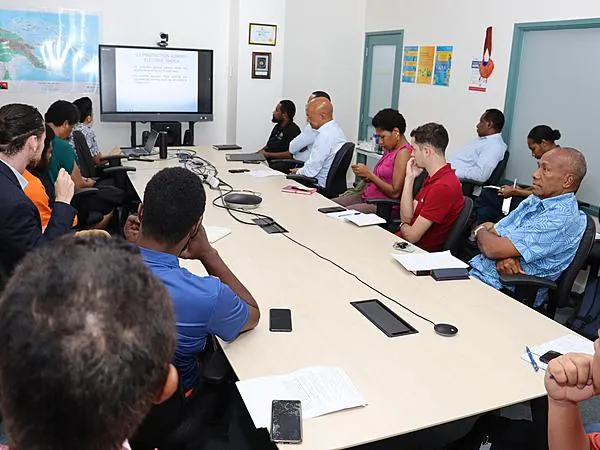
The policy discussions held during the workshop included the Provincial Administrators, District Administrators, financiers/developers, policy experts, engineers, and other relevant experts.

NEA Managing Director Mr. Ronald Meketa opened the workshop and welcomed all the stakeholders, as experts in the field of electricity and policy makers engaged in meaningful discussions in creating affordable and reliable electricity to the underlying challenges faced in Papua New Guinea.

He thanked all stakeholders who have worked alongside NEA in providing technical advice on formulating its policy, such as USAID Papua New Guinea Electricity Partnership (PEP), PNG Power Limited, Solar Energy Association of Papua New Guinea, Asian Development Bank, and others.

"PNG is yet to develop the electricity industry, and we are working towards it as a regulator. Some of the key specific policies such as hydro are yet to be drafted, including 21 others. Under the Connect PNG initiative undertaken by the government through road projects, there is also a need for supply of electricity connecting the rural and remote communities," said Mr. Meketa.

Giving a detailed presentation on the DES Policy was Ms. Bayking Juliette of USAID PEP, with her team giving an overview of the policy.

The DES Policy would allow third parties to participate in their municipal jurisdiction, provide policy guidelines to accommodate the growing demand from stable supply of electricity in provinces and districts, and ultimately ensure accessible, reliable and affordable electricity for these C-centres to meet their respective local demand.

"The energy gap is one of the biggest hurdles faced by the GoPNG, businesses, and civic society, and therefore as the responsible government agency, the NEA is seriously looking at such policy intervention to unbundle the monopolistic arrangement incompatible for PNG electricity industry today," the agency said.

The workshop ended with a brainstorming session with the respective provincial administration and district administration officials on the DES Policy.