

Papua New Guinea has secured approval for a major biodiversity conservation project under the Global Biodiversity Framework Fund (GBFF), a move expected to strengthen community-led conservation efforts and support the country's commitments under the Kunming-Montreal Global Biodiversity Framework.
The project, titled "Empowering Indigenous Peoples and Local Communities for sustainable management and conservation of 700,000 hectares of critical ecosystems in three Highland provinces in Papua New Guinea," will be implemented by the Conservation and Environment Protection Authority (CEPA) in partnership with the Food and Agriculture Organization of the United Nations (FAO).
The initiative will support Indigenous Peoples and Local Communities (IPLCs) across Enga, Chimbu and Jiwaka provinces in conserving critical ecosystems while promoting sustainable livelihoods and strengthening customary stewardship systems.
The project contributes to Papua New Guinea's efforts to meet global biodiversity targets, including the international goal of conserving at least 30 per cent of the world's land and sea areas by 2030.
Papua New Guinea is recognised as one of the world's 17 megadiverse countries, with forests covering about 78 per cent of its land area and hosting species found nowhere else on Earth, including tree kangaroos, long-beaked echidnas and rare birds-of-paradise.
Approximately 97 per cent of the country's land remains under customary ownership, placing Indigenous communities at the forefront of conservation efforts.
According to CEPA Managing Director Jude Tukuliya, the project underscores the importance of protecting biodiversity and forest ecosystems that communities have relied on for generations.
He said Indigenous Peoples and local communities continue to play a crucial role in safeguarding the country's biodiversity and that conservation efforts must integrate traditional knowledge with modern management approaches while supporting economic opportunities for local people.
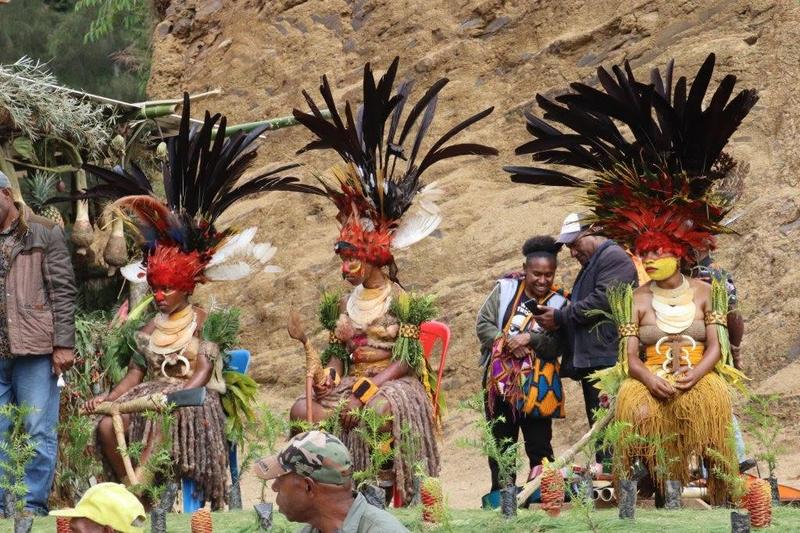
FAO Representative in Papua New Guinea Dr Kachen Wongsathapornchai said conservation initiatives are most effective when they provide tangible benefits to communities.
"Protecting biodiversity and sustaining livelihoods go hand in hand. By advancing biodiversity-positive production, we make environmental protection a driver of stronger food systems and rural economies," he said.
The project aims to improve the management of more than 272,000 hectares of protected areas and community conservation landscapes, restore 5,000 hectares of degraded ecosystems and promote biodiversity-friendly agricultural practices across 7,000 hectares of farmland.
It will also support the recognition of Other Effective Area-Based Conservation Measures (OECMs), develop sustainable financing mechanisms and deliver direct benefits to at least 20,000 people, with women expected to comprise half of all beneficiaries.
Project proponents said the initiative would help establish ecological corridors across the Highlands, enabling species to adapt to climate change while encouraging collaboration among communities through shared stewardship of natural resources.
The project also seeks to reduce pressure on forests and other ecosystems by supporting economic activities such as agroforestry, organic agriculture, ecotourism and market access for biodiversity-friendly products.
Officials said the approval highlights Papua New Guinea's growing role in community-led conservation and demonstrates how Indigenous stewardship can contribute to addressing global biodiversity challenges while creating sustainable development opportunities for local communities.


