Kumul Petroleum Holdings Limited says it is seeking to advance smaller gas discoveries toward commercial development as Papua New Guinea moves to position itself within the global energy transition.
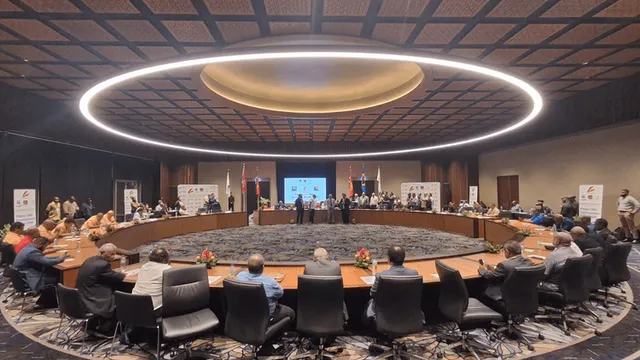
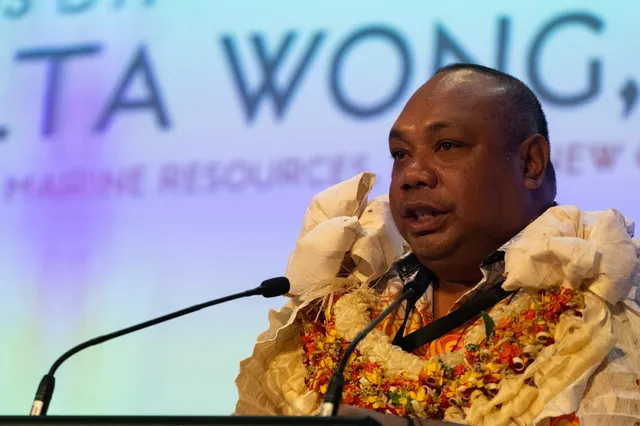
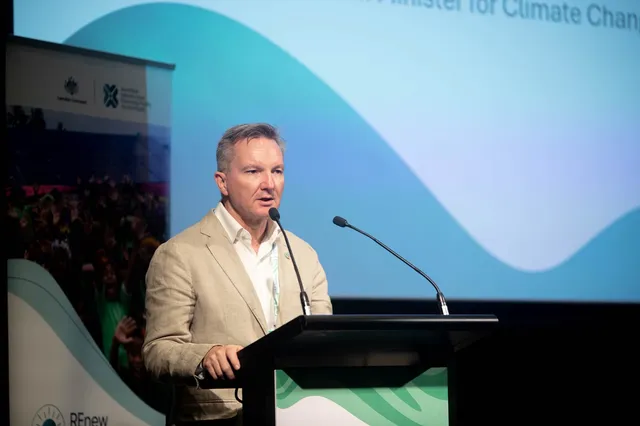
Speaking at the 41st Australia Papua New Guinea Business Forum and Trade Expo in Brisbane, Kumul Petroleum Chairman Gerea Aopi said Papua New Guinea still holds significant gas potential despite declining oil production.
“Whilst oil production has tapered off, PNG’s gas future is just beginning,” Aopi said.
“There is plenty of gas already discovered and a high likelihood of further gas discoveries in the next few years. PNG is not short of gas resources, however, we are short of time in the rapid transition towards renewable energy sources.”
Aopi said Kumul Petroleum is currently in discussions with other parties regarding licenses where gas discoveries have already been made, including Petroleum Development License 10 in Western Province.
The chairman said the company wants to ensure that smaller gas fields are also progressed toward development in the years ahead alongside larger LNG projects.
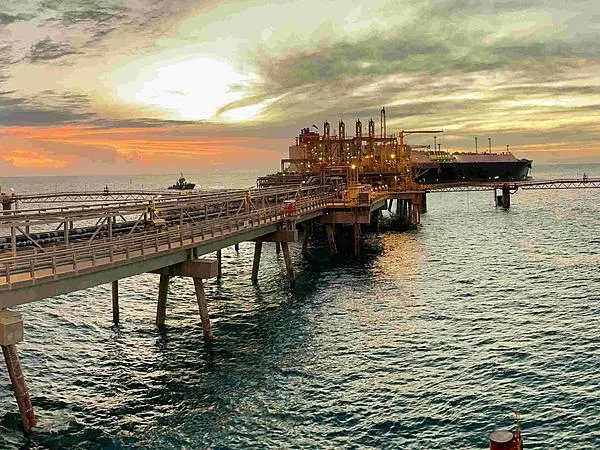
As a 19.4 percent owner in the PNG LNG Project, Aopi said Kumul Petroleum welcomed the early retirement of project debt late last year.
“Our priorities are clear: This additional PNG LNG Project income will be used to meet our cash calls, repay outstanding loans, and develop the licences where we are Operator — Pandora, Kimu, Barikewa and Uramu — to commerciality and fund future investments, such as acquiring equity in the forthcoming Papua LNG Project,” he said.
Aopi added that one of Kumul Petroleum’s main priorities is securing Papua New Guinea’s maximum mandated equity position in the Papua LNG Project.
“Kumul Petroleum’s principal focus at present is ensuring that we are in fact in a position to take up PNG’s maximum mandated equity position in the forthcoming Papua LNG Project and are able to carry MRDC in this shareholding,” he said.
According to Aopi, the key challenge for Papua New Guinea is not the availability of energy resources, but the speed and manner in which those resources are developed.
“The key message was not that PNG lacked the energy resources to drive growth but how the resources were developed and how soon,” he said.