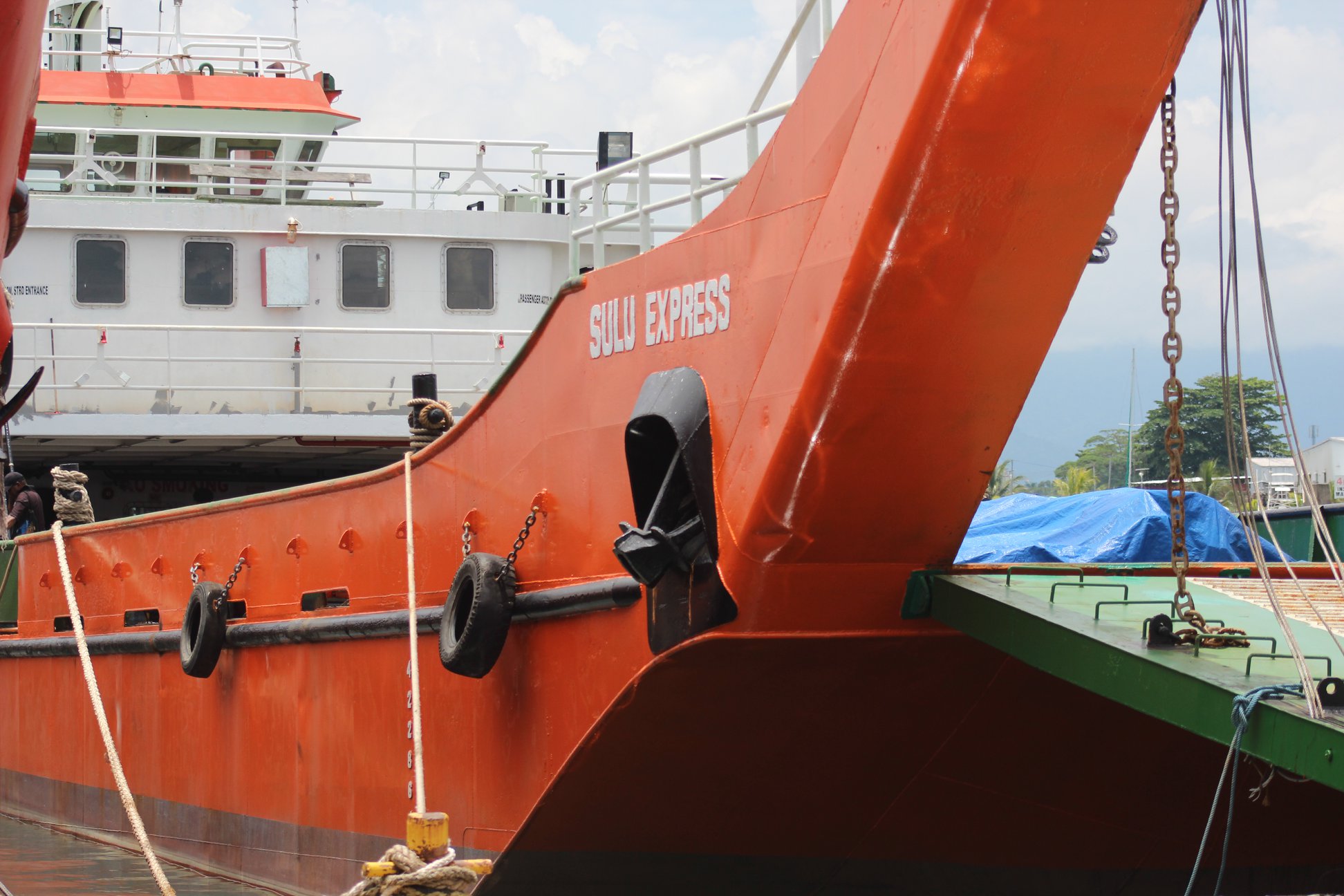
Safety remains a central priority in Papua New Guinea’s maritime sector, where the challenge extends beyond regulatory compliance to maintaining consistent operational discipline across a geographically dispersed and demanding environment.
Against this backdrop, JJ Ship Equip Agencies Ltd (JJSEA) has positioned itself as a support partner focused on improving safety outcomes through responsive service and technical coordination.
JJSEA describes its role as “practical and enabling”. While it is not a regulator, the company supports operators in maintaining safer, more compliant vessels.
In PNG, maritime safety challenges are shaped by operating conditions such as ageing equipment, delays in obtaining replacement parts, pressure to meet turnaround times and difficulties maintaining consistent standards in remote locations.
“Our role is to help reduce those pressures by making compliant equipment, responsive support and practical technical coordination more accessible,” the company said.
“Safety improves when operators can get the right support quickly, before a small issue becomes a major operational or compliance problem.”
This approach reflects the view that vessel support must extend beyond equipment supply. JJSEA focuses on helping operators access the documentation, servicing and technical coordination needed to maintain safe operations.
In a country where shipping underpins trade and access to remote communities, maintaining these standards has implications across the wider economy.
The company supports vessel safety through a range of safety-critical equipment and services, including lifesaving and firefighting equipment, personal protective equipment, deck and mooring gear, navigation and communication items, and sourcing of critical components.
However, JJSEA emphasises that “just as important as the product itself is the standard behind it.”
It works with reputable suppliers, verifies specifications, provides certification and ensures supplies meet vessels' operational and compliance requirements. When necessary, it coordinates with authorised service providers and technical partners, treating safety as a structured process rather than a routine transaction.
The value of this support is particularly evident in time-sensitive situations. When operators identify deficiencies before inspections or departures, such as expired safety equipment or non-compliant components, JJSEA seeks to shorten the time between identifying a problem and resolving it.
“Our support helps by shortening the time between identification of the issue and practical resolution,” the company said, citing rapid sourcing, coordinated delivery and ensuring the necessary documentation is in place.
This also helps reduce risks by improving preparedness and addressing deficiencies before they escalate.
Supporting compliance and preparedness
JJSEA also assists operators in aligning equipment and operational requirements with applicable standards. Its support includes providing documentation and supplier traceability for audits and inspections.
The company works with operators in their dealings with authorities such as the National Maritime Safety Authority, as well as classification societies and technical partners.
“Our role is not to replace those authorities, but to help clients engage with them more effectively and prepare properly,” JJSEA said, adding that the objective is to improve inspection readiness and address compliance gaps efficiently.
Safety expectations across the maritime sector are also rising, with greater emphasis on traceability, documentation, equipment quality, preventive maintenance and technical reliability.
JJSEA has observed “a clear shift toward higher expectations in traceability, documentation, equipment quality, preventive maintenance and technical reliability.”
In response, it has strengthened supplier selection, improved documentation standards and enhanced technical coordination. These efforts reflect a wider industry trend in which dependable support services are becoming increasingly important to maintaining safety standards.
Local presence and operational support
A local presence remains an advantage in addressing PNG's maritime challenges. Safety-related issues are often influenced by provincial access, weather, infrastructure constraints and tight operating schedules.
“A locally based company brings speed, practical understanding and accountability,” JJSEA said, noting that local knowledge supports faster decisions, more realistic planning and better communication.
This proximity helps the company respond to operational and safety issues as they arise.
Communication and follow-up are also central to its approach. JJSEA works closely with vessel masters, engineers and operations teams to clarify requirements from the outset.
“We ask the right questions early, confirm specifications, clarify urgency, and follow up after supply or coordination is completed,” the company said.
This process helps prevent avoidable problems caused by incomplete information or delayed action, reinforcing the importance of follow-up in safety assurance.
Although JJSEA does not publish specific safety performance metrics, it said its contribution lies in providing consistent and reliable support across its client base through access to compliant equipment, technical coordination and timely resolution of issues.
Looking ahead, the company plans to strengthen its compliant safety support, improve documentation and technical follow-through, expand partnerships with credible service providers and enhance responsiveness, particularly in provincial and time-sensitive operations.
As safety expectations continue to rise, JJSEA aims to ensure maritime operators have access to dependable, locally based support.
In a sector where safety and operational performance are closely linked, JJ Ship Equip Agencies focuses on supporting the systems, standards and day-to-day practices that help keep vessels, cargo and people moving safely across Papua New Guinea.