Pacific Lime and Cement Ltd (PLC) has advanced its Central Cement Project to the final stage of contractor selection while completing strategic planning for a proposed industrial precinct and international port near Port Moresby.
The company said on Oct. 26 that four international engineering, procurement and construction (EPC) contractors had submitted offers for the cement project, with the two highest-ranked bidders progressing to a final competitive stage. PLC is targeting board approval of a preferred tenderer by Dec. 18.
The project comprises two integrated clinker and cement plants, each with a capacity of 2,500 tonnes per day, and a dedicated power plant.
The tender follows completion of an independent technical review by cement industry consultancy Holtec, which assessed the project's technical and cost parameters in line with International Finance Corporation requirements.
An independent adviser has completed a preliminary evaluation of the bids against technical, commercial, contractual and compliance criteria. A separate technical adviser is conducting a review to identify potential concerns ahead of contractor selection.
PLC said the contract would use a lump-sum turnkey model under which the successful contractor would be responsible for engineering, procurement, construction, commissioning and testing.
The contractor would also be required to demonstrate that the facilities meet specified production, product quality, energy consumption, environmental and availability requirements, backed by performance security and contractual damages provisions. Technical support would continue through the first 18 months of commercial operations.
PLC said preparations for early works were under way, with commencement targeted for the December quarter.
Chairman Richard Pegum said the tender process was designed to meet the requirements of international lenders and development finance partners while transferring construction and performance risks to an experienced contractor.
The Central Cement Project is intended to reduce Papua New Guinea's reliance on imported cement and supply the country's infrastructure, resources and housing sectors.
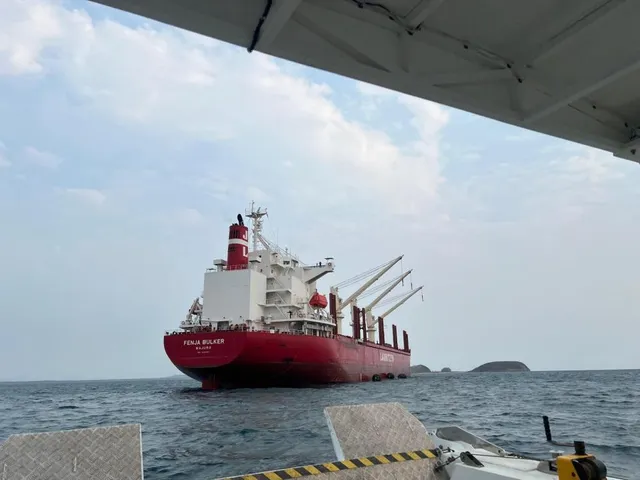
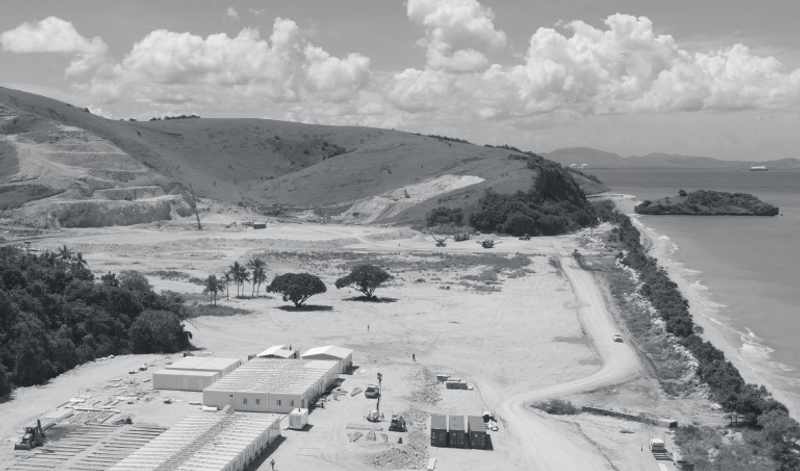
The development will use infrastructure established for PLC's Central Lime Project, including a 27-kilometre access road, bridge crossings, a private international wharf, quarry facilities and site services.
Industrial precinct and port
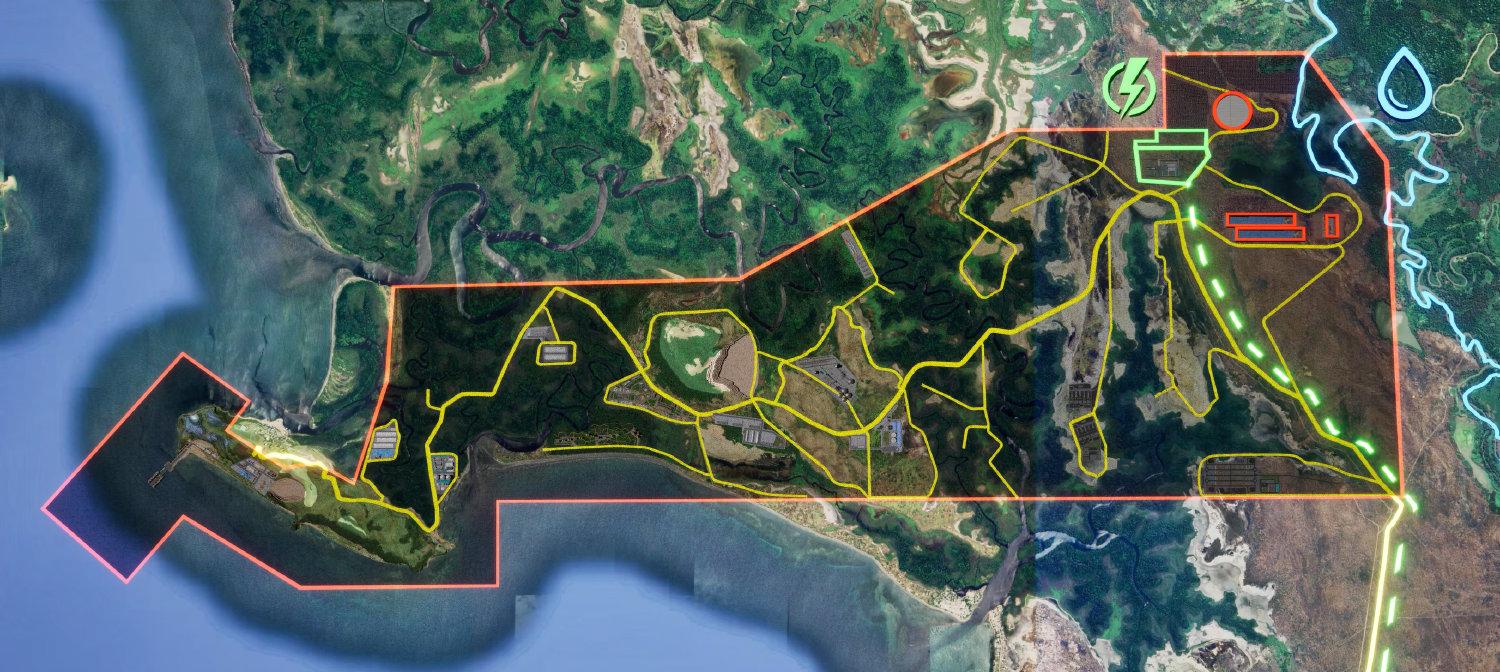
Separately, PLC said it had completed strategic planning for the Kido/Rearea Special Economic Zone (SEZ) and its associated multi-berth international port, providing a framework for industrial development around its lime and cement operations.
The planned precinct covers about 4,500 hectares of coastal land approximately 35km from Port Moresby and 7km from the Papua New Guinea liquefied natural gas project.
The land is held under 99-year state leases through joint ventures with landowner companies, which hold free-carried equity interests. The private international port is under construction and designed to meet International Ship and Port Facility Security Code standards.
Qualifying businesses operating within the gazetted SEZ may be eligible for 10 years of fiscal concessions, including exemptions from corporate tax, dividend withholding tax, foreign contractor withholding tax and import duties.
The state, through Kumul Minerals Holdings Ltd, holds a 13% equity interest in the international port and PLC's share of the state-lease land.
PLC said the precinct's planned industries could include downstream building materials, gas and energy-related businesses, fuel storage, logistics, fabrication, warehousing, data centres and workforce training facilities.
However, the development of these additional industries will depend on tenant demand and third-party investment.
The company is in discussions with international development finance institutions over funding for enabling infrastructure, including the planned wharf expansion. It cautioned that the discussions had not resulted in binding funding commitments.
Managing Director Paul Mulder said the precinct and port were intended primarily to support the Central Lime and Central Cement projects, which remained the company's capital and management priorities.
With the core infrastructure being established, PLC expects further precinct development to be funded largely by third-party tenants and investors rather than its own capital.
The company expects to benefit from leasing and sublicensing arrangements through its interests in the land joint ventures, alongside landowner partners and the state.
Investment and development outlook
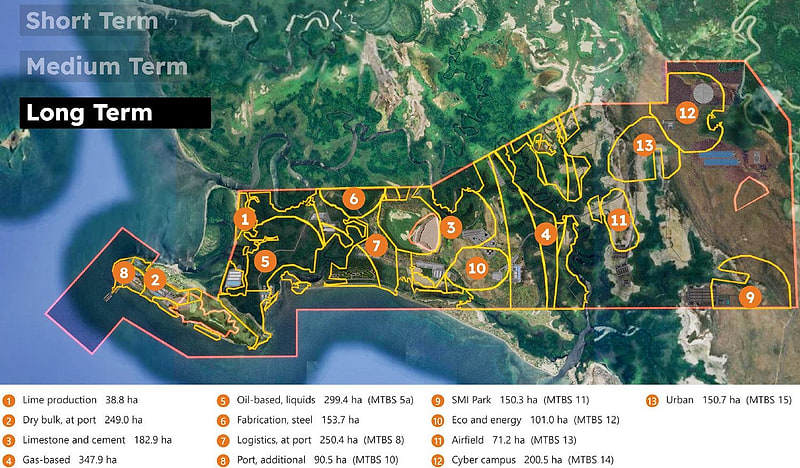
PLC's indicative long-term plan envisages the industrial precinct expanding across manufacturing, logistics, energy and urban development clusters.
Its strategic presentation estimates that the industrial clusters could occupy about 3,017 hectares over a 30-year period, with further development dependent on investment and demand.
The plan also identifies opportunities for power generation, gas-based industries, strategic fuel storage, steel fabrication and a cyber campus hosting data centres. These remain prospective developments rather than committed projects.
The company said the precinct's infrastructure and land arrangements were intended to support industrial investment while creating opportunities for landowners and local businesses.
The PNG government has executed a Project Development Agreement covering the development, while local employment, training and landowner-business commitments are expected to be incorporated into the cement project's EPC contract.
PLC said it would continue progressing the cement and lime projects while engaging prospective tenants, strategic partners and development finance institutions.
The selection of a preferred cement plant contractor, the EPC contract price and related financing arrangements will be announced once determined, the company said.
Tighten the article around the cement tenderClarify the port project’s development status