The Papua New Guinea Tourism Promotion Authority (TPA) is targeting annual tourism output of more than K3.6 billion by 2028 and beyond, as the government and industry stakeholders seek to increase the sector’s contribution to economic growth, employment and investment.
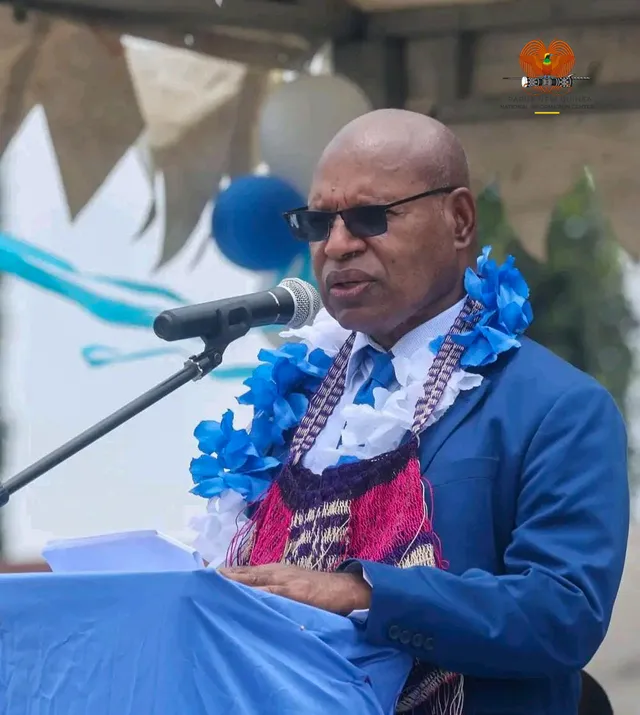
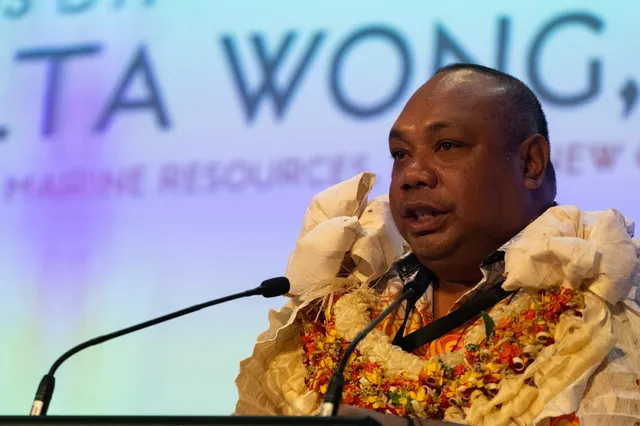
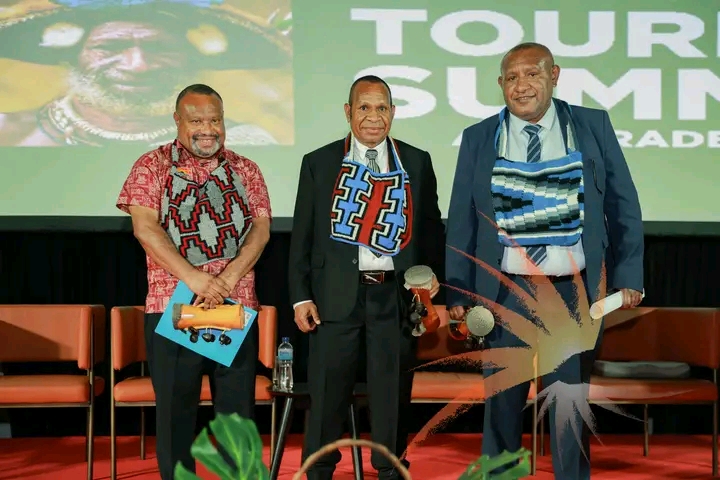
TPA chief executive officer Eric Mossman Uvovo announced the target when he welcomed delegates to the PNG Tourism Summit 2026 at APEC Haus in Port Moresby on 13 October.
Speaking under the theme “Reset for Success: Unleashing Tourism and Hospitality Potential, the Hub of the Pacific”, Uvovo said PNG had the natural and cultural assets to become a leading tourism destination in the Pacific. However, realising that potential would require coordinated action by government, industry and communities.
He said tourism should be recognised as a strategic economic sector rather than merely a promotional activity, given its capacity to attract investment, create jobs, support small and medium-sized enterprises (SMEs) and expand economic opportunities for communities.
“The question before us is not whether PNG has tourism potential. The world already knows we do. The question is whether we can work together to unlock that potential at scale, sustainably, and in a manner that delivers benefits to our people,” Uvovo said.
Tourism generates K1.2 billion in economic impact
PNG welcomed more than 130,000 visitors in 2025, generating an estimated K1.2 billion in economic impact, Uvovo said. Cruise arrivals also exceeded 26,000 passengers, highlighting opportunities to expand the country’s tourism market.
Digital engagement has also increased, with TPA recording a 166% rise in traffic to its website, indicating growing international interest in PNG and its tourism experiences.
Uvovo cited the global exposure generated by a photograph of a distinctive bird-of-paradise species taken in the PNG Highlands. The image attracted about 100 million views worldwide, demonstrating the international appeal of the country’s unique wildlife.
He said PNG’s biodiversity, marine environments, landscapes and living cultural traditions gave it a competitive advantage that few destinations could replicate.
The priority, he added, was to convert that interest into visitor arrivals, business activity and sustainable economic benefits.
To achieve this, TPA is pursuing an integrated tourism development framework covering destination marketing, tourism hubs, industry incubation, support programmes for operators and airlines, rural infrastructure, sports tourism, visitor safety and investment attraction.
Uvovo said these initiatives needed to work together to improve visitor experiences, expand access to destinations and create conditions conducive to private-sector investment.
“When airlines can access new markets, visitor numbers grow. When tourism operators are supported, experiences improve. When infrastructure reaches rural communities, economic participation expands,” he said.
He also highlighted the financial returns from international tourism promotion, citing TPA’s participation in ITB Berlin, a major international travel trade exhibition. The authority invested about K250,000 in attending the event and reported a return on investment of K4.5 million.
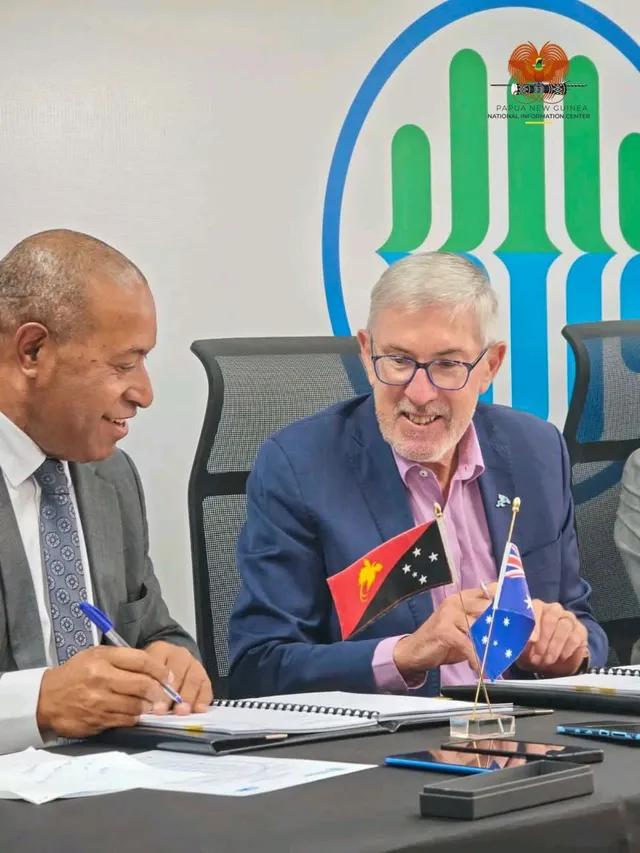
Uvovo said such trade and marketing activities, conducted with tourism operators and industry partners, could connect PNG businesses with international markets and generate additional visitor spending.
However, he stressed that promotion alone would not deliver sustainable growth. Policy coordination, infrastructure, air connectivity, workforce skills, visitor safety and tourism product development were equally important to building a competitive industry.
K200 billion economic ambition creates opportunities for tourism
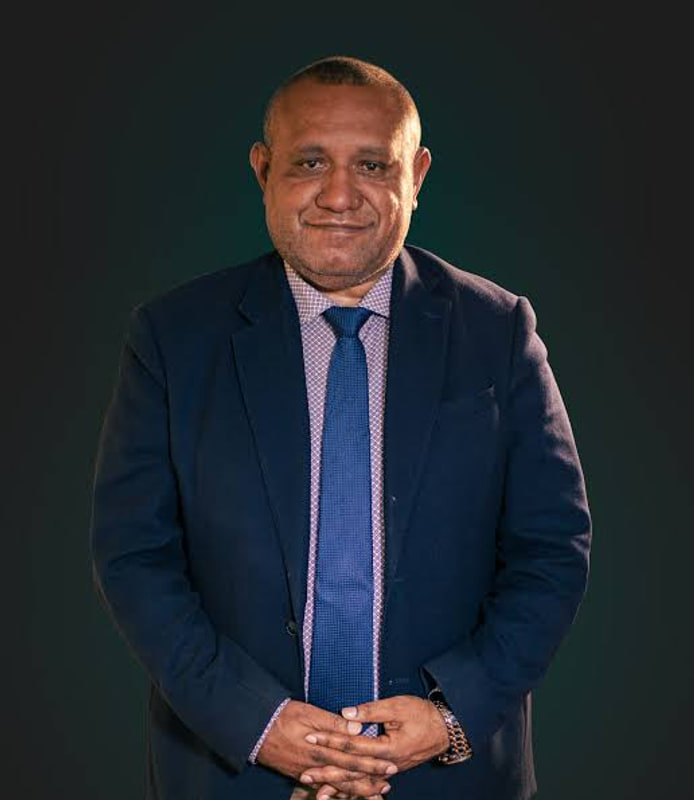
Tourism also has a role to play in the government’s ambition to grow PNG’s economy to K200 billion by 2080, Uvovo said.
TPA’s targets include increasing annual visitor arrivals to more than 280,000 by 2028 and beyond, raising tourism output above K3.6 billion, increasing the sector’s contribution to gross domestic product (GDP), creating more jobs and attracting greater private-sector investment.
Achieving these goals would require government leadership in developing supportive policies and infrastructure, industry investment and innovation, continued development-partner support, and active community participation in tourism while protecting cultural and natural heritage.
Uvovo identified sports tourism, major international events, cruise tourism, cultural festivals, adventure tourism and investment-led destination development as opportunities to diversify the sector.
Upcoming National Rugby League (NRL) opportunities, international partnerships, global trade events and improved international connectivity could further raise PNG’s profile and stimulate tourism activity across the country.
“Tourism’s true value is measured not only in revenue but in the lives it improves,” he said, pointing to the benefits the industry could deliver to local businesses, families and provincial communities.
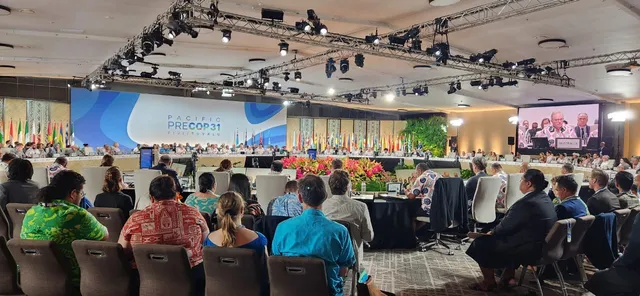
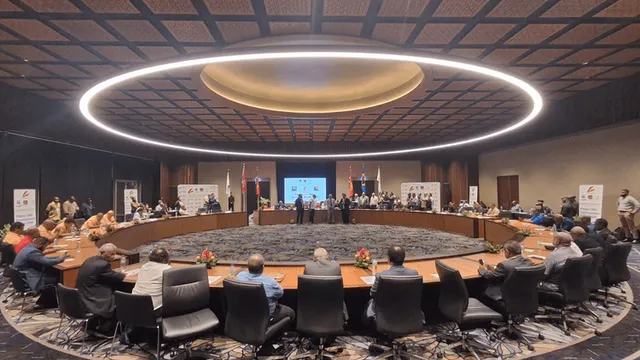
The two-day summit, running from 13 to 14 October, brought together government representatives, tourism and hospitality operators, investors, airlines, cruise executives, development partners and provincial representatives to discuss the sector’s future.
It was held alongside the APEC Tourism Working Group meeting, which brought representatives from APEC economies together for discussions and presentations.
Uvovo said the summit was intended to strengthen partnerships, improve coordination and secure practical commitments to advance tourism development.
He urged stakeholders to work towards a shared national vision, arguing that PNG did not need to imitate other destinations to compete internationally.
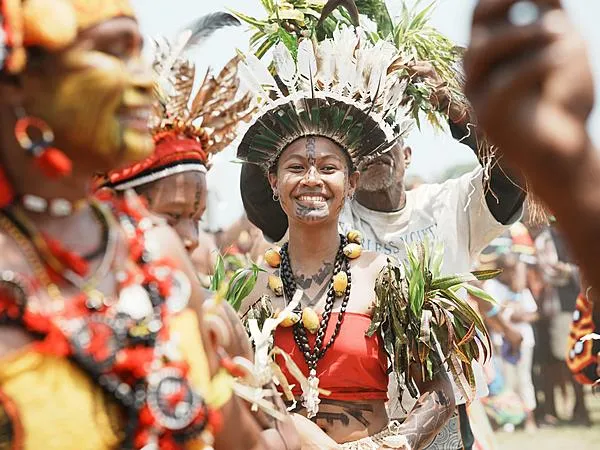
“Our competitive advantage lies in our authenticity. Our culture, language, traditions, biodiversity, and landscapes are unlike anywhere else in the world.
“Our task is not to become someone else. Our task is to become the very best version of Papua New Guinea.”
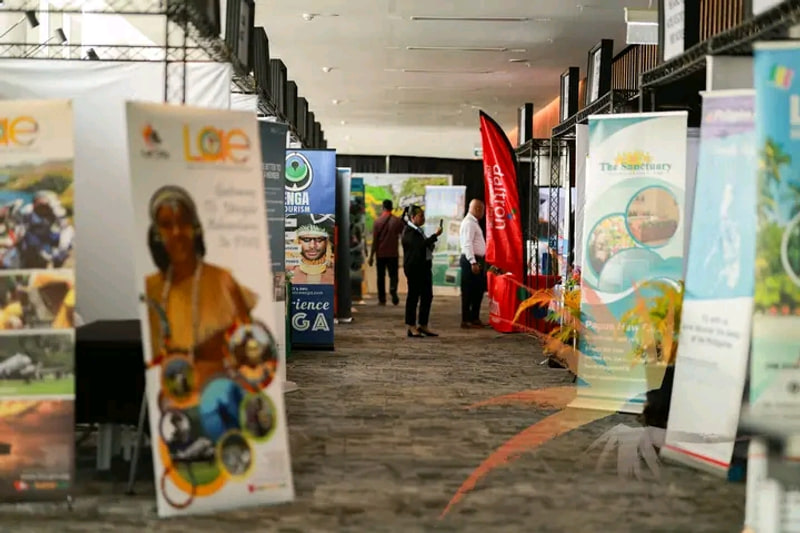
Tourism trade exhibition open to the public
Alongside the summit, the Tourism Trade Exhibition was held at APEC Haus on 13 and 14 October, from 10am to 4pm, with free public entry.
The exhibition gave visitors an opportunity to meet exhibitors, explore tourism products and services, connect with industry representatives and participate in prize draws. It also provided tourism operators and businesses with a platform to showcase their offerings and build industry connections.
Uvovo said collaboration, investment and a shared commitment to sustainable growth would be essential to turning PNG’s tourism potential into a stronger contributor to national economic development.
He welcomed delegates and industry participants to the summit, calling for meaningful partnerships and practical action to strengthen PNG’s position as a distinctive tourism destination in the Pacific.