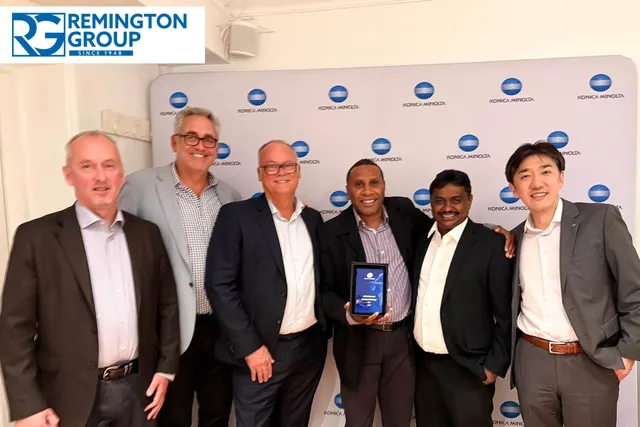
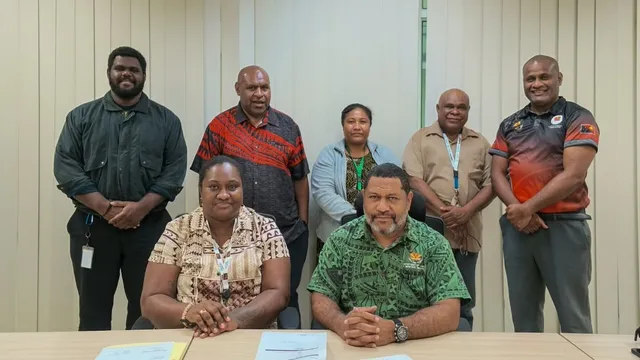
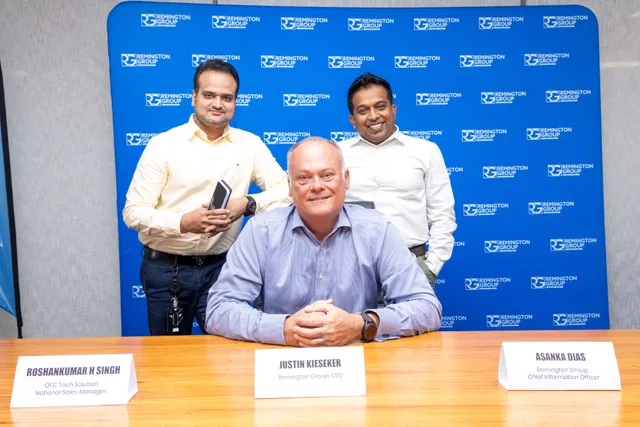
Remington Technology has opened a new branch in Buka, the Autonomous Region of Bougainville, expanding its local presence to provide office equipment, connectivity products and technical support to businesses and government agencies.
The branch officially opened on October 20, according to a company announcement dated October 21.
The expansion by Remington Technology, a business unit of Remington Group, is intended to improve access to office technology and business solutions for organisations across Bougainville.
The company distributes office equipment from brands including Konica Minolta, Riso and Brother. Through Remington Communications, it also offers Starlink connectivity services.
The Buka branch will provide equipment, genuine consumables and manufacturer-certified spare parts, alongside maintenance, after-sales service and technical troubleshooting.
Remington said establishing a local presence would help reduce logistical delays and waiting times for customers requiring technical assistance and equipment servicing.
Remington Group chief executive Justin Kieseker said the opening marked a step in the company's efforts to support business growth and digital transformation across Papua New Guinea.
“We are incredibly proud to bring our premier brands, technical expertise, and genuine customer service directly to the people and businesses of the Autonomous Region of Bougainville,” Kieseker said.
He said the company aimed to build local partnerships, improve operational efficiency and provide reliable customer support.
The branch is expected to serve businesses, government bodies and other organisations seeking office technology and connectivity solutions in Bougainville.
OK Tedi Mining Limited has graduated 36 participants from its professional development and training programmes, qualified five trades assistants as tradesmen and deferred recruitment for its 2027 trainee intake as part of a company-wide cost reduction and business optimisation drive.
The three workforce development milestones and recruitment decision were outlined in announcements issued by the Papua New Guinea miner on October 20, highlighting both its investment in local skills and the impact of its current cost-control measures on future training opportunities.
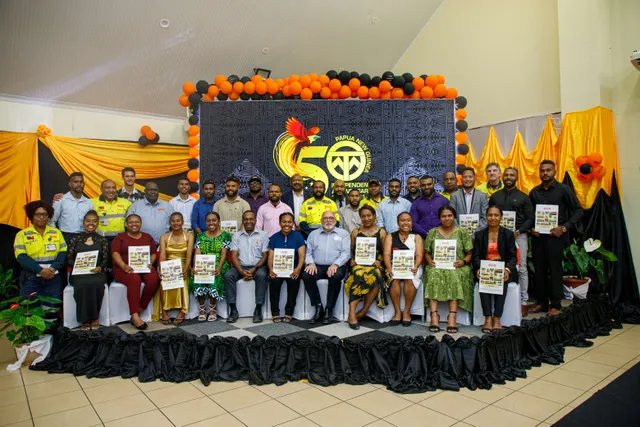
The company celebrated graduates from its Graduate Development Scheme (GDS), Preferred Area Development (PAD) and Competency Based Training programmes at a ceremony in Tabubil, Western Province. The cohort included participants in engineering, environmental science, communications, accounting, health management and heavy equipment trades.
Ok Tedi also announced that it would defer recruitment for the 2027 GDS, Apprenticeship Training Programme and PAD Training Programme. It will not conduct recruitment campaigns or participate in university career fairs, graduate roadshows, school outreach programmes, apprenticeship recruitment activities or related events for the remainder of 2026.
The company said the decision formed part of a broader cost reduction and business optimisation programme intended to maintain operational efficiency and financial discipline under current operating conditions.
It said it would continue reviewing workforce and training requirements and communicate future recruitment opportunities when appropriate.
Graduates move into employment
Ok Tedi General Manager People and Culture Kevin Russell said investment in employees remained central to the company's long-term sustainability and succession planning.
“Our people remain our greatest asset. Through structured training, mentoring and development pathways, we are investing not only in the growth of individuals but also in the long-term sustainability of our business,” Russell said.
Acting Manager Training and Capability Development Morris Nandun said 24 of the 31 graduates and trainees recognised at the ceremony had secured employment opportunities within Ok Tedi, while seven would pursue opportunities elsewhere.
The company separately reported that 36 participants had graduated across its development and training programmes.
Graduate representative Abbra Ntumy, a communications graduate from Divine Word University, said the GDS had helped participants translate academic knowledge into practical workplace experience over two years.
“The journey has not always been easy, but it has been worthwhile. Through mentorship, practical experience and guidance from colleagues, we have gained valuable skills and confidence that will support us throughout our careers,” Ntumy said.
She said the experience had reinforced the importance of continuous learning, professional relationships and the support of families and communities in helping graduates pursue their careers.
Ntumy's experience reflects the programme's role in preparing young Papua New Guineans for professional work, although the company's decision to defer its 2027 intake means prospective applicants will have to wait for further recruitment announcements.
Five trades assistants earn formal qualifications
In a separate development, five Ok Tedi employees have gained formal tradesman qualifications through the company's onsite Trade Testing Programme.
The graduates — Eddie Ally, Isaac Kua, Stanley Ovosa, Peter Witne and Wilford Alois — are heavy equipment fitting trades assistants who have developed practical skills through years of work alongside qualified tradesmen.
They are the second cohort to complete the programme, which allows experienced employees to obtain nationally recognised trade qualifications without leaving the mine for extended periods of offsite training.
Ok Tedi's Training and Capability Development Department brought the programme to Tabubil to address the travel, accommodation and family-related challenges associated with external training. The department is working with the National Apprenticeship and Trade Testing Board to embed trade testing at the site.
Manager Mine Technology and Optimisation Wau Kua said the employees had demonstrated commitment and perseverance in completing the programme.
“Many of them have been performing these tasks competently for years. Through this programme, they now have the formal recognition to match their skills and experience,” Kua said.
The qualifications could open opportunities for career advancement within Ok Tedi and employment across Papua New Guinea's mining and other industries.
The company said the initiative formed part of its broader commitment to developing employees at different levels of the organisation, complementing its graduate and community-based training pathways.
Balancing skills development and cost controls
The recruitment deferral comes as Ok Tedi continues to promote workforce development through existing training and qualification programmes while implementing measures to reduce costs and optimise operations.
The company said it remained committed to developing Papua New Guinean talent and recognised the contribution of graduate, apprenticeship and community-based training programmes to building a skilled national workforce.
However, it did not provide a date for resuming recruitment or specify when applications for future intakes would open. It said updates would depend on business conditions and operational requirements.
Ok Tedi is a majority state-owned company operating an open-pit copper, gold and silver mine in the Star Mountains of Western Province. It has operated in the region for more than 40 years and contributes to the local economy through employment, royalties, compensation payments and business opportunities.
The latest developments underscore two parallel aspects of its workforce strategy: building professional and technical skills among Papua New Guineans while adjusting recruitment plans to meet current business requirements.
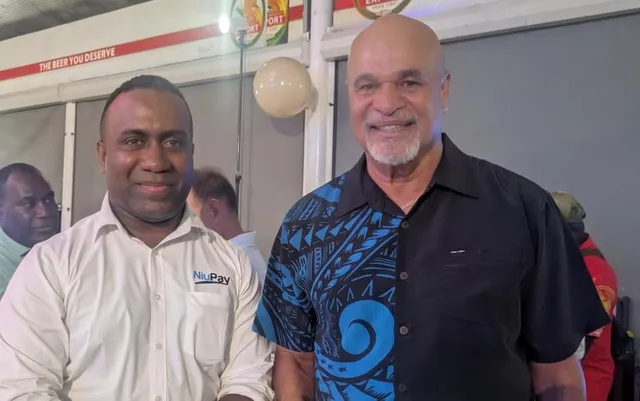
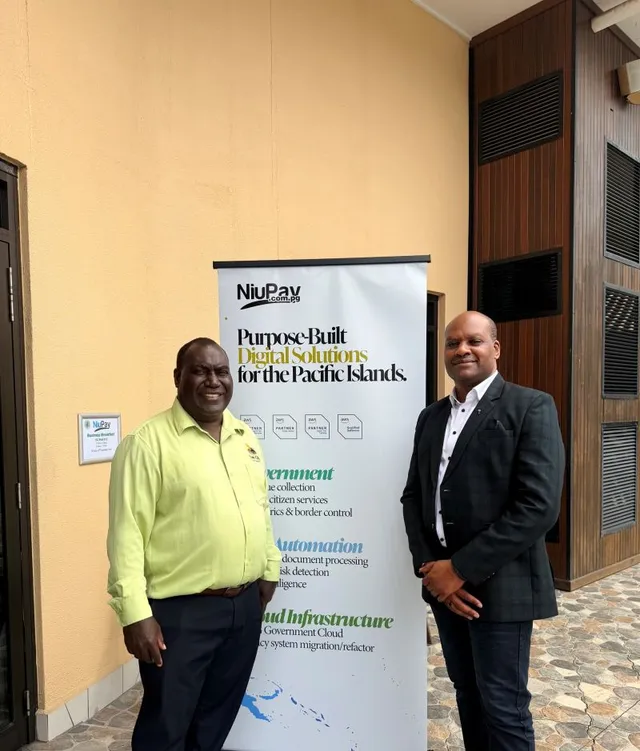
NiuPay Limited, the Papua New Guinean technology company that designs, builds and operates mission-critical digital platforms for government and enterprise, has appointed Mr Vontis Paska as General Manager, Northern Region, effective 2 November 2026.
Mr Paska will lead the permanent presence in Lae that NiuPay announced on 28 September at the Lae Chamber of Commerce and Industry (LCCI) business breakfast. He will be NiuPay’s main point of contact for Lae City Authority (LCA), ServiceLink users and organisations across Morobe Province and the wider Northern Region, supported by a team recruited locally.
Mr Paska has worked closely with LCA on ServiceLink, the city’s online platform for Land Tax and other municipal services, since the project began. He has also worked with the Department of Lands and Physical Planning (DLPP) on its eLands and GoLands land administration platforms and on the delivery of Papua New Guinea’s first digital strata titles.
Before joining NiuPay in 2023, Mr Paska worked at the Internal Revenue Commission (IRC), where he helped deliver MyIRC, the country’s first online tax payment system, in 2021. He has more than ten years’ experience across the PNG public service and private sector, and is an Executive Board Member of the PNG ICT Cluster.
“Vontis has worked alongside Lae City Authority from the start, and he has earned the trust of the people he works with. He knows how to make government platforms work for the people who use them. Lae is in very good hands,” said Mr Trevor Manokore, Chief Operating Officer, NiuPay.
“Lae is the industrial capital of PNG and the engine room for driving economic growth and innovation,” said Mr Paska. “My priority is to foster trust and confidence in our digital solutions by supporting Lae City Authority and working with organisations across Momase and the Highlands on practical ways to digitise.”
Mr Paska and the NiuPay team will participate in the Morobe Show on 24–25 October to support LCA’s registration and Land Tax payment drive.
NiuPay Limited is a Papua New Guinean technology company that designs, builds and operates mission-critical digital platforms for government and enterprise across the Pacific Islands. Headquartered in Port Moresby, NiuPay is an AWS Select Tier Services Partner. Its work includes the AI-assisted visa processing system for PNG’s Immigration and Citizenship Authority, documented in a published AWS case study, and PNG’s first digital strata titles. niupay.com.pg
Lae City Authority is responsible for the administration of Lae City and the delivery of city services, including Land Tax. ServiceLink is LCA’s online platform for registering, linking properties, viewing property statements and paying city charges.
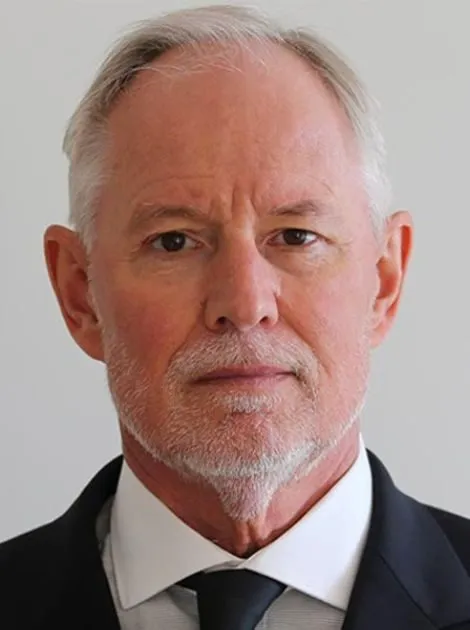
The Papua New Guinea Chamber of Resources and Energy (PNGCORE) has commended K92 Mining Inc. on its recent leadership succession and congratulated John Lewins on his appointment as non-executive chair, effective 1 October 2026, recognising his outstanding contribution to the company’s growth and Papua New Guinea’s mining industry.
PNGCORE Executive Director Richard Kassman said Lewins had played a transformative role in Papua New Guinea’s mining sector since joining K92 in 2016 as its first chief operating officer and becoming chief executive officer in August 2017.
“Under John’s leadership, the Kainantu Gold Mine in Eastern Highlands Province has evolved into a Tier 1 asset and an important contributor to the national economy, translating investment in Kainantu into employment, skills development and economic opportunities for Papua New Guineans.
“We are particularly pleased that John remains vice-president of PNGCORE and will continue representing the industry in engagements with the government, regulators and other stakeholders. His experience and sustained commitment to Papua New Guinea will remain valuable to the chamber and the wider industry.”
PNGCORE also congratulated David Medilek on his appointment as chief executive officer and director, effective 1 October 2026. Previously K92’s president and chief operating officer, Medilek brings continuity and extensive knowledge of the company to his new role.
“We welcome David’s appointment and look forward to working with him and John as K92 advances its next phase of growth and its contribution to Papua New Guinea’s development,” Kassman said.
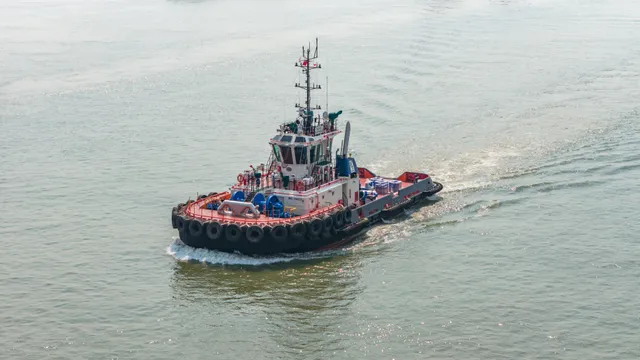
Pacific Towing Ltd. has taken delivery of two new tugboats worth a combined PGK70 million, strengthening its marine towage and emergency response capabilities in Papua New Guinea and the wider region.
The vessels, PACIFIC RESPONDER and PACIFIC RESOLUTE, were built in Zhenjiang, China, and are the most powerful tugs in PacTow’s fleet, according to the company.
PACIFIC RESPONDER departed China on 11 October and is en route to Port Moresby, where it will primarily support harbour towage operations. PACIFIC RESOLUTE was delivered on 14 October and is expected to leave China by 22 October for deployment in Lae.
The two vessels are azimuthing stern drive (ASD) tugs, with bollard pulls of 70 tonnes and 67 tonnes, respectively. They are equipped with advanced firefighting systems, high-capacity winches and modern propulsion technology to support complex harbour towage, salvage, emergency response and long-distance asset towing.
PacTow said the investment would enable it to assist larger vessels calling at PNG ports, meet the demanding requirements of the oil and gas sector, and pursue higher-value opportunities in regional and international markets.
The additional capacity is also expected to improve fleet availability, expand harbour towage coverage and strengthen emergency response capabilities, providing customers with safer and more reliable marine services.
The delivery marks a milestone in PacTow’s fleet modernisation programme and reinforces its position as a leading marine services provider in Melanesia.
PacTow operates a fleet of 23 vessels and employs more than 250 people. Its services include towage, emergency response, commercial diving, life raft services and salvage.
The company is part of the sea and land logistics group wholly owned by Steamships Ltd.
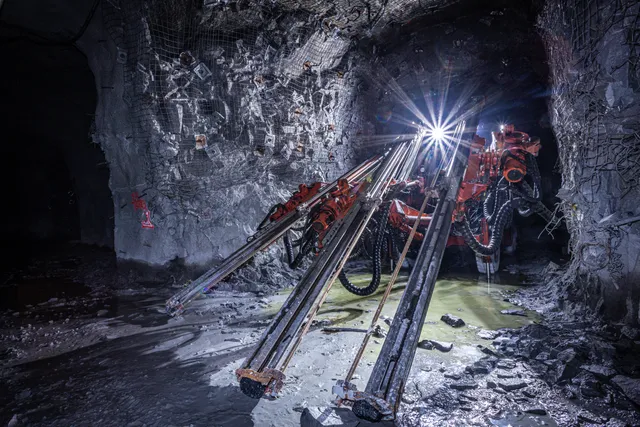
FUCHS Lubricants and Remote Global are combining global lubrication technology, mining expertise and technical support with established local supply, logistics and on-the-ground capabilities to support Papua New Guinea’s mining and industrial sectors.
For mining and industrial operations in Papua New Guinea, reliability depends on more than the performance of individual products. It also requires the right products to be available when needed, technical expertise close at hand and a supply chain capable of reaching some of the region’s most challenging operating environments.
That is the thinking behind the partnership between FUCHS Lubricants and Remote Global, which combines FUCHS’ specialist lubrication technology, extensive mining experience and technical services with Remote Global’s established procurement, logistics, local stockholding and in-country support capabilities.
For FUCHS, the partnership represents an important step in expanding its presence and support capabilities in Papua New Guinea, particularly in the mining sector, where customers are increasingly focused on improving equipment reliability, extending component life and reducing the operational impact of unplanned downtime.
The initial focus covers underground and surface mining, fixed plant, specialist applications, open-gear lubrication and associated reliability services.
Combining technology with local capability
Remote Global has operated across Papua New Guinea and the South Pacific since 2010, supporting customers in the resources, energy, infrastructure and industrial sectors through procurement and complex logistics. The business holds inventory in PNG and Australia and manages activities including dangerous-goods freight, customs clearance, remote-site delivery and ongoing inventory requirements.
Importantly, its PNG operations extend beyond simply getting products into the country. Remote Global provides technical services, training and on-site support, with qualified personnel working locally. The company has also been expanding its local infrastructure and stockholding to position critical industrial products closer to customers, reduce lead times and improve its ability to respond to urgent operational requirements.
This capability complements FUCHS’ approach to lubrication, which places considerable emphasis on application expertise and technical support alongside the lubricant itself.
FUCHS has extensive experience supporting mining and heavy industry in Australia and internationally, including through specialist solutions for mobile equipment, fixed plant and open gearing. Its open-gear capabilities encompass products and services such as operational and static inspections, thermography, alignment, lubricant-system support and inspection reporting.
Together, the two organisations can offer PNG customers a more comprehensive service encompassing products, supply security, application expertise and ongoing technical support.
A long-term approach to PNG
For both companies, the partnership is ultimately about building capability rather than simply establishing another distribution channel.
Remote Global brings an established understanding of PNG, supply-chain management expertise and personnel on the ground. FUCHS contributes specialist lubricant technology, application knowledge, a comprehensive product portfolio and decades of experience supporting demanding mining and industrial operations.
Together, the companies aim to help PNG businesses protect critical assets, improve reliability and gain greater confidence in the products they use and the supply chains and technical support behind them.
Rob Fryer, FUCHS general manager and regional mining lead for Asia-Pacific excluding China (APEC), said:
“Papua New Guinea’s mining industry operates in some of the most demanding environments in the world, making supply security and technical support just as important as lubricant performance. Together with Remote Global, FUCHS offers miners a complete lubrication solution for underground and surface operations, supported by local inventory, agile logistics and experienced technical specialists on the ground. Our focus is not simply supplying products, but helping customers optimise asset life, improve uptime and drive continuous improvement across their maintenance practices.”
For operations where uptime matters and supply is rarely straightforward, the combination of global expertise and local capability can make a meaningful difference.
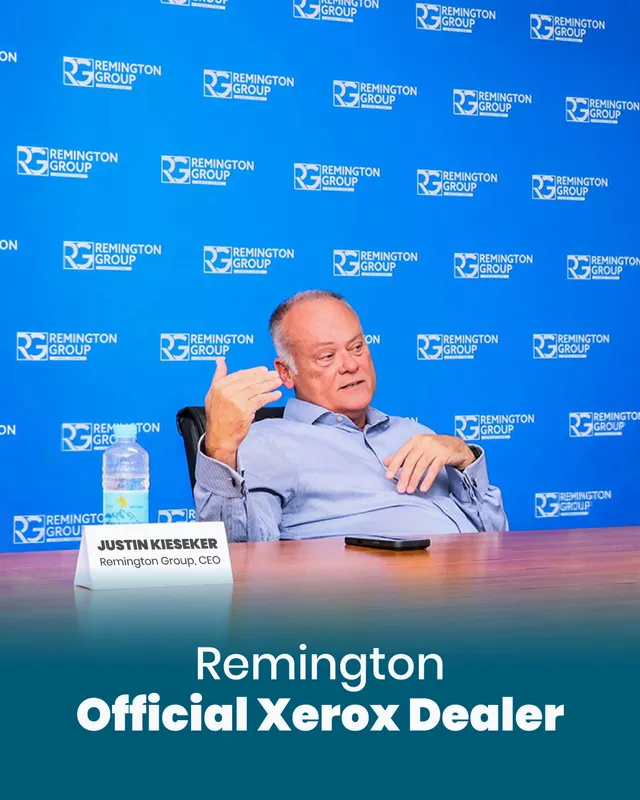
The Remington Group has announced its appointment as an authorised Xerox dealer in Papua New Guinea and the wider Pacific region.
Through its business unit, FX Business Centre, the partnership will bring Xerox’s office technology to local markets, expanding the group’s product offerings and service capabilities across the region.
Under the agreement, FX Business Centre will distribute a range of Xerox multifunction devices (MFDs), from compact A4 desktop units to high-volume A3 enterprise printing systems.
Xerox, a pioneer in document technology, invented the plain-paper photocopier and has driven workplace innovation for decades. Bringing its technology, known for reliability, security and sustainability, to the region is expected to help improve operational efficiency for government agencies and private-sector businesses in Papua New Guinea and neighbouring markets, including the Solomon Islands.
“Xerox fills a gap in what we can offer, and it opens the door to new markets for us across the Pacific,” said Remington Group chief executive officer Justin Kieseker.
“We know what it takes to do business in this part of the world, and we’re excited to bring that experience, and Xerox technology, to customers in the Solomon Islands, Vanuatu, Samoa, Tonga and the Cook Islands.”
The full range of Xerox MFDs, genuine consumables and certified technical services is now available through the Remington Group in Papua New Guinea and the Solomon Islands.
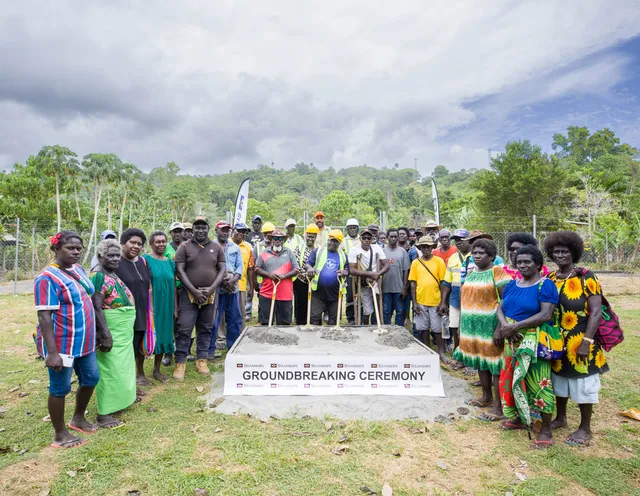
Steamships today marked a significant milestone in its long-term commitment to Bougainville with the groundbreaking ceremony for its new corporate office and accommodation facility in Toniva, Central Bougainville.
The new single-storey modular office and accommodation facility will re-establish Steamships’ permanent presence in Bougainville, providing a local base to support its investment pipeline, develop sustainable partnerships with the people of Bougainville and maintain ongoing engagement with key stakeholders. Construction is expected to be completed by December 2026.
The development follows a memorandum of understanding signed between the Autonomous Bougainville Government (ABG) and Steamships in May 2026, establishing a framework for collaboration on land management, community governance and economic development in Bougainville.
Steamships Managing Director Chris Daniells said the project reflects the company’s confidence in Bougainville’s future and the strong relationships built since 2022 through ongoing engagement, consultation and collaboration with traditional land custodians and the ABG.
“I thank the traditional land custodians and the ABG for their trust, partnership and commitment throughout this process. Today’s groundbreaking is an important milestone that reflects the strong foundation we have built together through engagement, consultation, collaboration and a shared vision for Bougainville’s future. It marks the start of the next phase as we continue working together to support sustainable development, attract investment and create long-term economic opportunities for the people of Bougainville.”
Toniva was selected for its strategic location within North Nasioi, Central Bougainville. The area is earmarked to become a future economic corridor, with strong potential to support the revival of commercial, logistics and light industrial activities.
Steamships currently holds title to 19 properties in the Toniva area, acquired before the Bougainville Crisis. The company views the development as an important step towards supporting future investment and economic activity in the region.
The Office of Workers’ Compensation (OWC) has taken a major step in its digital transformation, signing a contract with NiuPay Limited to design, build and support the new OWC Website Development Platform. The platform will give injured workers, their dependants, employers, insurers and insurance brokers access to OWC’s information and services 24 hours a day.
The contract was signed at OWC’s offices in Port Moresby on 2 October 2026 by Chief Commissioner Mr Martin Pala, and NiuPay Business Development Manager Ms Kristina Kekedo, following a competitive tender. NiuPay was among three shortlisted bidders, and its technical proposal ranked highest in OWC’s evaluation.
The project supports OWC’s drive to align its services with the Digital Government Act 2022 and the digital government agenda of the Department of Information and Communications Technology (DICT). OWC’s evaluation panel found NiuPay’s proposal fully aligned with the Act, DICT’s Government Cloud Policy 2023 and the DICT Government Website Standards 2023, the frameworks that guide how public bodies deliver secure, interoperable services online.
“We want an electronic front desk that gives our clients and stakeholders better access to our services,” said Chief Commissioner Pala. “Information should be available 24 hours a day and easy to use for people at every level of computer literacy, so the man on the street can find us, understand our services and use them.”
Established under the Workers’ Compensation Act 1978, OWC is a statutory office of the Department of Labour and Industrial Relations. It administers compensation claims for workplace injuries and deaths, and enforces compulsory workers’ compensation insurance across Papua New Guinea. The new platform builds on OWC’s earlier move to online claims lodgement, with a modern, user-friendly design and a secure link to OWC’s internal processing system, so clients can follow the progress of their claims and officers can track cases.
In line with DICT’s Government Cloud Policy, the platform will run on AWS, one of DICT’s approved government cloud providers, across two availability zones for resilience. OWC will keep full ownership of the cloud environment, the encryption keys and the source code from day one, and NiuPay will provide 24/7 monitoring and support for three years.
“OWC supports workers and their families at some of the most difficult moments in their lives, and we take seriously the responsibility of building the platform they will rely on,” said Ms Kekedo. “We thank Chief Commissioner Pala, Commissioner Kolias and the OWC team for their trust, and we look forward to working alongside them to deliver a service every Papua New Guinean can use with confidence.”
Work on the project began on Monday 5 October. A Port Moresby-based NiuPay team is delivering it: Project Delivery Manager Mr Alistairs Dirua and Junior UI/UX Engineer Mr Julian Togel, with engineering support from NiuPay’s senior and executive teams.
For Papua New Guinea’s petroleum and energy sector, digital transformation is no longer simply about putting existing processes online.
The bigger challenge is building digital systems that can operate securely across complex organizations, connect fragmented data, support field operations, withstand demanding infrastructure conditions and remain reliable long after they go live.
That is where NiuPay Limited sees an opportunity.
The Papua New Guinean technology company designs, builds, deploys and supports digital platforms for organizations where security, interoperability, auditability and long-term operability are critical. Its delivery experience spans workflow automation, data integration, GIS, secure digital operations, cloud infrastructure and AI-enabled processing across PNG and the wider Pacific.
For an industry built around long-life assets, remote operations and highly regulated activities, those capabilities have direct relevance.
A petroleum project may involve information moving between field operations, corporate systems, regulators, contractors, communities and government agencies. Land access, spatial data, approvals, payments, reporting, identity and compliance can all depend on systems that need to work together.
The question, therefore, is not simply whether a company can digitize a process. It is whether the technology can work in the operating environment and continue to work as that environment evolves.
That question sits at the center of NiuPay's approach to what it calls practical modernization.
From digitizing transactions to modernizing operations
NiuPay's origins were in solving a straightforward problem: making payments and government transactions less dependent on paper-heavy processes and manual work.
Founded in PNG in 2018, the company has since expanded beyond payments into the design, build, deployment and long-term support of secure digital platforms.
Its operating model combines technical architecture, software engineering, cloud and infrastructure capability, security and governance controls, delivery management and ongoing support.
That evolution is important for industries such as petroleum and energy.
Large-scale projects rarely operate from a clean technology slate. Systems accumulate over time, data is held in different environments, workflows become dependent on manual coordination and different parts of an organization can end up using systems that do not communicate effectively.
Replacing everything at once is not always practical. NiuPay instead advocates a staged, evidence-led approach: understand the existing environment, map workflows and dependencies, establish the architecture and controls, then build and validate in manageable increments.
The prospectus describes the methodology as discovery first, architecture before build, controlled enhancement over disruption, operational validation before scale and capability transfer as a core deliverable.
For resource companies operating critical systems, that can mean modernizing without unnecessarily disrupting the operations those systems support.
Connecting the systems behind the asset
Interoperability is one of the less visible challenges of digital transformation — but potentially one of the most consequential.
A company can have sophisticated individual applications and still struggle to obtain a reliable view of its operations if information remains trapped in disconnected systems.
NiuPay's data integration and harmonization capability is designed around migration, data-quality improvement, system interfaces, reporting structures and controlled movement of information across fragmented environments.
For petroleum and energy companies, the application is potentially broad. Operational data, financial information, regulatory records, project documentation and stakeholder information can all sit in different systems. Connecting them can improve reporting, reduce duplication and provide decision-makers with more consistent information.
The objective is not integration for its own sake. It is to create a digital environment in which information can move securely between the systems and people that need it.
GIS brings the physical and digital worlds together
Few sectors are as dependent on geography as petroleum, energy and resources. Projects exist across physical landscapes. Land access, infrastructure corridors, environmental considerations, project boundaries and stakeholder interests all have a spatial dimension.
That makes geospatial information more than a mapping function.
NiuPay's GIS capability covers spatially enabled systems, geospatial data services, business-to-spatial integration, mapping workflows and field-level location capture. Its work with PNG's Department of Lands and Physical Planning provides a reference point.
NiuPay supports national-scale land administration functionality across records, billing, receipting and customer management, while its geospatial environment supports spatial dataset management, web-map visualization, WMS/WFS services and QGIS integration.
For the energy sector, the relevance lies in connecting business information with the physical environment in which projects operate. That can provide a foundation for more integrated approaches to land, project footprints, access, infrastructure and other location-dependent information. The value of GIS, in other words, is not simply a better map. It is making spatial information part of the operational system.
Digital systems that work beyond the office
One of the defining challenges for PNG's energy industry is geography. Operations can extend far from major population centers, where connectivity and infrastructure cannot always be assumed. That changes the requirements for digital platforms.
A system designed exclusively around continuous connectivity may struggle when it reaches the field.
NiuPay's Pacific delivery experience provides a practical reference point. During the 2023 Pacific Games border operations in the Solomon Islands, it built an offline-capable system with sync-when-available functionality and on-device AI/ML for passport and travel-document reading.
The underlying design principle has wider relevance. Field applications can continue operating locally and synchronize with central systems when connectivity becomes available.
For organizations working across remote locations, that approach can help reduce the dependence of critical workflows on uninterrupted network access.
The issue is not necessarily waiting for infrastructure to become perfect. It is designing technology that accounts for the infrastructure that exists today.
Making financial flows more transparent
NiuPay's original payments capability remains an important part of its proposition.
In partnership with Kina Bank, the company operates automated revenue-collection and reconciliation platforms for PNG public-sector clients, covering data ingestion, payment matching, crediting, receipting and reporting for EFT and card payments. The prospectus says the system typically matches around 99% of EFT payments automatically, while organizations see more than a 90% reduction in reconciliation costs.
For a resource economy, the underlying capability has obvious relevance.
Petroleum and energy projects involve financial relationships among companies, governments, provinces, communities and other stakeholders.
The ability to move and reconcile payments accurately, while maintaining an auditable record, can become particularly important where multiple parties are involved. The broader lesson is that automation should not be measured by how much manual work it eliminates.
Its value lies in better data, stronger auditability and greater visibility over financial processes.
AI with governance built in
Artificial intelligence is rapidly becoming part of enterprise technology strategies, but NiuPay's prospectus takes a use-case-driven approach.
Its AI capability includes computer vision, large language models, edge AI/ML and data-fusion techniques, but the company says these are applied where the use case, governance and infrastructure fit.
That distinction is particularly relevant to regulated industries.
The question for an energy company should not simply be where AI can be introduced.
It should be where AI can produce a measurable operational benefit while maintaining appropriate controls over data, access, decision-making and auditability. NiuPay's work for PNG Immigration provides an example.
Its Analysis Engine processes passports, identity documents, photographs, letters and supporting forms using computer vision and large language models in a controlled cloud environment. Lower-risk applications can be processed automatically, with officers intervening by exception.
The same principle can inform enterprise AI adoption more broadly: start with the workflow, establish the controls and then determine where automation adds value.
Security is part of the operating model
For petroleum and energy companies, cybersecurity cannot be treated as an IT issue sitting separately from operations. Digital platforms increasingly support processes that are integral to business continuity.
NiuPay's security model is built around least-privilege access, multifactor authentication for privileged users, encryption in transit and at rest, audit logging and environment hardening. Its cloud operations incorporate client-specific compliance requirements, backup and disaster recovery, while identity controls include role-based and attribute-based access and identity federation where appropriate.
The emphasis is equally important after deployment.
NiuPay's model includes monitoring, backup verification, training, handover and sustained operational support. That reflects a central proposition in the company's prospectus: a digital system is not finished simply because it has gone live.
It has to be operated, maintained, understood and supported. For industries with long project cycles, that distinction matters.
Cloud infrastructure without vendor lock-in
NiuPay operates production environments on Amazon Web Services in the Sydney region, aligned with PNG Government Leased Cloud requirements and with familiarity with controls expected of regulated-sector hosting in PNG.
Its prospectus also describes a vendor-informed but not vendor-locked approach to cloud and infrastructure operations.
That is significant as organizations consider how to modernize their technology estates without creating new dependencies that could constrain future choices.
The objective is to provide secure hosting, environment management, monitoring, performance, resilience and supportability while retaining the ability to evolve the underlying technology environment.
Built to be supported
For NiuPay, the defining measure of a successful technology project is not necessarily how sophisticated it looks when it launches.
It is whether the organization can continue using it effectively afterward. That philosophy is embedded in the company's operating model.
NiuPay describes itself as locally grounded, security-first, focused on practical modernization and structured for long-term support. Its model includes training, enhancement and managed operational support after go-live.
That is particularly relevant to PNG, where technology projects can face the combined pressures of infrastructure constraints, skills availability, changing operational requirements and the need to maintain services while systems evolve.
The company therefore treats capability transfer as part of delivery.
Users and technical counterparts are trained, the environment is documented and handover is supported so clients can operate and extend the platform with greater confidence.
A digital foundation for PNG's energy future
PNG's petroleum and energy industries are entering an environment in which digital capability will increasingly intersect with physical infrastructure.
Projects will continue to depend on reliable information, connected workflows, secure systems and accurate reporting. The challenge will be connecting those pieces.
NiuPay's six capability areas — workflow modernization, data integration, GIS, security and identity, cloud infrastructure, and AI-enabled processing and analytics — are presented as a single operating model rather than isolated technology services.
That integration is important. A field application may need to operate when connectivity is limited. A land-access process may depend on geospatial information. A payment workflow may require data from multiple systems. An AI application may depend on properly structured and governed information.
These are not separate technology problems. They are parts of the same digital operating environment.
For NiuPay, practical modernization means understanding that environment before attempting to change it.
For PNG's petroleum and energy sector, the opportunity is to build digital infrastructure that is not simply modern when it is deployed, but secure, interoperable, auditable and supportable throughout the life of the operation.
That is ultimately what NiuPay's "built to last" proposition means. Not technology for technology's sake. But digital systems designed around how PNG organizations actually operate — and built to keep operating as their needs change.
Learn more about NiuPay’s digital solutions and how they can help your organization: www.niupay.com.pg | +675 323 9111 | enterprise@niupay.com.pg
From family homes to staff accommodation and larger housing developments, PNGFP NiuHomes provides engineered kit-building solutions designed for Papua New Guinea and the wider South Pacific.
Building a home in Papua New Guinea presents challenges rarely encountered in more developed markets. Materials may need to travel considerable distances, building sites can be remote, and high humidity, heavy rainfall and termites all place additional demands on the finished structure.
PNGFP NiuHomes has developed its range with these realities in mind.
Manufactured in Papua New Guinea using locally grown plantation pine, NiuHomes combines proven timber construction with the efficiency of a prefabricated kit-building system. Every design is engineered to provide a practical, cost-effective building solution that can be transported throughout PNG and across the South Pacific.
Prefabrication brings greater consistency and control to the building process. Components are manufactured and prepared before leaving PNGFP’s facilities, reducing the amount of cutting and modification required on site. This can help simplify construction, reduce material waste and support more predictable project planning.
It also makes NiuHomes particularly well suited to projects outside major urban centres. The building components are consolidated into a complete kit and can be shipped to ports around the country, ready for transport to the project location. Whether the requirement is for an individual family home or a larger development, the same system provides an efficient foundation for construction.
NiuHomes is PNG’s only range of pressure-treated timber kit homes, providing protection against fungal decay and termite attack. This is an important distinction in a market where lower-cost, untreated hardwood is widely used for construction. Although hardwood is often assumed to be naturally durable, untreated hardwood does not provide the same protection against termites and rotting as pressure-treated timber. NiuHomes’ pressure-treated plantation pine provides consistent, built-in protection specifically suited to PNG’s tropical conditions.
The timber used in NiuHomes buildings comes from PNGFP’s sustainably managed pine plantations in Bulolo. It is processed locally through PNGFP’s own manufacturing facilities, which are powered by renewable hydroelectricity generated by the company’s hydro power stations. PNGFP’s engineered wood products are also independently certified to recognised quality and responsible forestry standards.
For customers, this means choosing a building system that supports Papua New Guinean manufacturing, employment and resource development while delivering a product made specifically for regional conditions.
The NiuHomes range offers designs for different lifestyles, locations and budgets. Contemporary homes such as the Pacifica provide modern architectural appeal and
generous family living spaces. Residential designs such as the Bikman offer the warmth and character of a traditional timber home, while practical Baset and Suburban designs provide efficient solutions for families, employers and organisations.
Plans can also be adapted to suit different site requirements and project needs. This versatility has enabled NiuHomes buildings to be supplied for residential, commercial, institutional and community applications throughout Papua New Guinea.
Behind every NiuHomes kit is the experience and capability of PNG Forest Products. With an established history of timber processing, engineered wood production and building supply, PNGFP provides customers with the reassurance of dealing with a Papua New Guinean company that understands the conditions in which its buildings will be transported, constructed and lived in.
For homeowners, developers and organisations planning their next building project, NiuHomes offers more than a set of materials. It provides a complete, engineered building solution combining local manufacture, efficient delivery and long-term durability.
Made in PNG and built for the South Pacific, NiuHomes is ready to go wherever the next home is needed.
Papua New Guinea’s maritime future depends not only on vessels and infrastructure, but also on strong local businesses that support the industry. Technical services, equipment support and operational coordination will be vital to a more resilient and efficient maritime economy. JJ Ship Equip Agencies Ltd (JJSEA) is positioning itself as a key local partner in that effort.
For JJSEA, local capability is practical. “We see local capability as the ability to solve real maritime problems inside Papua New Guinea with local knowledge, local people, local responsiveness and stronger in-country support systems,” the company says.
This means more than maintaining a market presence: it requires reducing reliance on slow external processes through dependable supplier access, effective coordination, technical expertise and consistent follow-through. For the wider industry, stronger local capability brings greater continuity, less downtime and improved resilience.
This view has shaped JJSEA’s evolution from a marine supplier into an integrated support provider tailored to PNG’s needs. “Operators do not only need items delivered; they need help with urgency, technical fit, sourcing complexity, compliance expectations and operational coordination,” the company explains.
JJSEA has therefore invested in supplier relationships, practical expertise and service capability, positioning itself as a problem-solving partner rather than a transactional vendor.
Shipping companies in Papua New Guinea face long distances, remote routes, unpredictable weather, infrastructure constraints and lengthy procurement lead times. Reliance on foreign sourcing and rising compliance expectations add further pressure. JJSEA responds by providing a reliable local point of contact.
“We give clients a practical local point of contact that can help source equipment, coordinate support, advise on urgency, manage follow-up and keep communication moving when time matters,” the company says. Reducing operational friction is central to the value it provides.
Coordination is a defining feature of JJSEA’s approach. Rather than treating supply as a standalone transaction, the company considers the wider operational context, including vessel schedules, locations and technical requirements.
“In many cases we act as a coordination point — aligning suppliers, technical parties, logistics and delivery timing so the operator can resolve the issue with less disruption,” it notes. This approach also supports forward planning for inspections, maintenance and known bottlenecks. In PNG, where procurement alone rarely resolves operational challenges, coordination and follow-through are essential.
As the maritime sector modernises, operators are placing greater emphasis on product quality, documentation, traceability, technical reliability and professional service. JJSEA observes “stronger demand for product quality, better documentation, more reliable technical support, greater traceability, and more professional operational follow-up.”
In response, it is tightening supplier discipline, improving documentation and expanding its capacity to handle more complex technical requirements. The company sees this shift as positive: modernisation depends not only on vessels, but also on the quality of the support ecosystem around them.
Established in 2015, JJSEA has expanded across Lae, Port Moresby, Rabaul, Madang, Kimbe and Buka. It has also built relationships with operators including Consort Express, Pacific Towing, Steamships, Swire, P&O Maritime and Lutheran Shipping. Although it does not disclose financial metrics, its growth is evident in its wider market reach, repeat business and rising demand for dependable local support.
Partnerships are central to building this capability. JJSEA operates within an ecosystem of vessel operators, regulators, ports, classification societies, technical providers and international suppliers.
“No single business can do that alone,” the company says, underscoring the need for collaboration. It works with stakeholders, including the National Maritime Safety Authority and technical partners, to support client outcomes and wider industry development.
Over the next three to five years, JJSEA plans to deepen and strengthen its services. Its priorities include expanding technical capability, improving inventory planning, investing in people and systems, and increasing collaboration with credible partners. The goal is to build “a more capable local maritime support platform” for commercial operators and coastal shipping across Papua New Guinea.
As the sector evolves, capable local businesses will become increasingly important. JJSEA’s trajectory reflects a broader shift towards stronger domestic solutions, higher standards and more resilient support systems.
By combining local knowledge with practical service, the company is helping build a more dependable and self-sustaining maritime sector that supports economic activity and national connectivity.
Ok Tedi Mining Limited (Ok Tedi) has committed K50 million to support drought relief and recovery efforts across Papua New Guinea, reinforcing the National Government’s response to the current El Niño-induced drought crisis.
The commitment comes amid growing concerns over worsening drought conditions, water shortages, food insecurity, and impacts on livelihoods across many parts of the country.
The National Weather Service has identified a number of provinces as experiencing critical, severe, or moderate drought conditions. Government estimates and assessments by development partners indicate that millions of Papua New Guineans could be affected if conditions persist or worsen.
Ok Tedi Managing Director and Chief Executive Officer Kedi Ilimbit said the company was committed to supporting national response efforts while recognising that the Government remains responsible for leading the country’s drought response.
“Ok Tedi stands with the people of Papua New Guinea during this difficult period. Our contribution is intended to strengthen existing Government and humanitarian initiatives and ensure assistance reaches communities most affected by the drought,” Mr Ilimbit said.
Ok Tedi will work closely with the National Disaster Centre, provincial disaster offices, and other response partners to identify areas where support can deliver the greatest impact.
Rather than providing direct cash assistance, the programme will focus on practical and sustainable interventions, including logistics support, water security projects, agricultural recovery initiatives, and community resilience activities.
“We are committed to ensuring that all assistance is delivered transparently, responsibly, and in a manner that complements ongoing national efforts,” Mr Ilimbit said.
Further details on programme implementation will be announced following consultations with Government agencies, humanitarian organisations, and other stakeholders.
Trukai Industries has renewed its sponsorship of the Papua New Guinea Game Fishing Association for another four years, reinforcing its support for sports tourism and community engagement.
The company presented a K50,000 cheque to the Game Fishing Committee for this year’s tournament.
Trukai said the four-year commitment reflects its continued support for anglers, organisers, and the wider community involved in the event.
The company also acknowledged the Game Fishing Committee for granting Trukai exclusive rights to showcase Trukai Rice and Trukai Flour during the tournament.
Trukai said the partnership would provide an opportunity to promote Papua New Guinea’s waters and support sports tourism.
The next Game Fishing Tournament will be held in Lae, the home of Trukai Industries.
The K50,000 cheque was presented to Scott Randal, President of the Lae Game Fishing Club.
Trukai said it looked forward to continuing the partnership over the next four years and supporting the growth of the tournament.
Permanent presence to support Lae City Authority and partner with Morobe businesses on digitisation and automation as local government services move online
LAE, Monday 28 September 2026: NiuPay, the Papua New Guinean technology company that designs, builds and operates mission-critical digital platforms for government and enterprise, today announced that it is establishing a permanent presence in Lae.
The announcement was made at the Lae City Authority Digital Modernisation Information Breakfast at the Lae International Hotel, hosted by the Lae Chamber of Commerce and Industry and Lae City Authority (LCA), on the same day LCA ended over-the-counter Land Tax payments in favour of its online ServiceLink platform.
The Lae presence will provide on-the-ground support for LCA and ServiceLink users, as well as a local team to support businesses across Lae and Morobe Province that want to digitise services, automate processes and move payments online.
“Today Lae takes a big step forward. Land Tax is now paid online through ServiceLink, not at the counter. That means no queues, no cash and a proper record of every payment for every business and resident.
“We look forward to bringing more of the city’s services online, starting with trading licences and permits.”
Robin Calistus, Chief Executive Officer, Lae City Authority
“My own registration on ServiceLink took three minutes. For a lot of Lae businesses, paying the city used to take half a day. That difference is why we’re here.
“For months our team has been flying in and out of Lae. Today we’re putting down roots. Lae City Authority, and every business in this city that wants to digitise, automate and move faster, will have a local team to work with. When they need help, they won’t be calling Port Moresby. They’ll be calling their neighbours.
“The only test that matters is whether someone is better off. Being here, alongside the people of Lae, is how we make sure the answer is yes.”
Trevor Manokore, Chief Operating Officer, NiuPay
ServiceLink: what Lae businesses and residents can do today
Through ServiceLink, businesses and residents can register an account, link their properties, pay Land Tax online at any time by card or EFT, view their property statements and keep a digital record of every payment. Payment of trading licence and permit fees is planned next.
Businesses are asked to nominate one authorised person to manage their account and billing, and to notify LCA if that person leaves. Assisted registration is available through LCA’s support team, and a radio awareness campaign is running on NBC Radio Morobe in English and Tok Pisin.
Part of PNG’s national digital agenda
The move supports Papua New Guinea’s Digital Government Plan 2023–2027, which aims to digitise and automate public services nationally. Lae, the start of the Highlands Highway, is home to the country’s largest port, which handles more than half of PNG’s import and export cargo, making it a natural place to show what digital government can do for business.
Local people, local capability
NiuPay intends to recruit its Lae team locally and to work with the PNG University of Technology (Unitech) on graduate intakes.
The Remington Group today announced its appointment as an official Starlink Enterprise reseller for Papua New Guinea, extending 78 years of nationwide service into the country’s satellite internet market.
“For 78 years, Remington has been the company Papua New Guinea trusts to show up — in Port Moresby, in Wewak, in Kavieng, and everywhere in between,” said Justin Kieseker, CEO of Remington Group. “That’s exactly what we’re bringing to Starlink. This isn’t a foreign call centre trying to serve PNG from overseas. This is a PNG company, with PNG staff, PNG stock and PNG billing, standing behind every installation we do.”
Remington’s 11 branches across the country will each hold Starlink stock ready for installation, backed by a dedicated technical lead in every location. The full range of genuine Starlink accessories will also be stocked in-branch, allowing customers to equip and expand their setups without delay. Customers nationwide will pay the same hardware price throughout the country — no regional markups and no waiting weeks for equipment to arrive from the capital.
As a direct reseller with access to the SpaceX billing portal, Remington will bill customers directly in kina. Businesses can apply for approved 30-day accounts, while other customers can pay in advance — with no foreign currency conversions, offshore deductions or unexpected billing charges.
Remington’s expert team designs tailored ICT solutions, including SD-WAN, multi-branch data pooling and complete IT integration, allowing multi-site businesses to manage their entire network through a single end-to-end partner.
Remington supports installations through a 24/7 Network Operations Centre and warranty replacement services, meaning faults can be resolved locally and hardware issues can be handled without sending equipment — or customers — offshore.
“That’s what keeping business in-country actually looks like,” said Kieseker.
Remington Group will also offer some of the most competitive data plans in the market, alongside the same trusted after-sales support that has defined its print and document solutions business for nearly eight decades.
“We didn’t build this business by being the biggest name overnight — we built it by earning trust, one customer at a time, for 78 years,” Kieseker added. “We intend to lead PNG’s connectivity evolution the same way we lead print: by being local, by being reliable and by being here for the long term.”
Businesses and households can visit their nearest Remington branch to learn more about Starlink Enterprise plans and installation.
Follow on LinkedIn:
PNG Business News
Be the "First" to get our exclusive Digital Magazine & Weekly Newsletter.