Papua New Guinea’s maritime future will depend not only on vessels and infrastructure, but also on the strength of the businesses that support the industry from within. Local capability — spanning technical service, equipment support and operational coordination — will be critical in building a more resilient and efficient maritime economy. This is where JJ Ship Equip Agencies Ltd (JJSEA) is positioning itself as a key local partner.
For JJSEA, local capability is fundamentally practical. “We see local capability as the ability to solve real maritime problems inside Papua New Guinea with local knowledge, local people, local responsiveness and stronger in-country support systems,” the company says. This goes beyond market presence to reducing reliance on slow external processes and strengthening domestic support systems. In practice, it includes dependable supplier access, effective coordination, technical understanding and consistent follow-through. For the wider industry, stronger local capability means greater continuity, less downtime and improved operational resilience.
This perspective has shaped the company’s evolution. JJSEA has moved from a straightforward marine supplier into a more integrated support provider, reflecting what the PNG market requires. “Operators do not only need items delivered; they need help with urgency, technical fit, sourcing complexity, compliance expectations and operational coordination,” the company explains. As a result, JJSEA has invested in supplier relationships, practical knowledge and service capability, positioning itself as a problem-solving partner rather than a transactional vendor.
Shipping companies in Papua New Guinea operate in a demanding environment defined by distance, remote routes, unpredictable weather, infrastructure constraints and procurement lead times. These challenges are compounded by reliance on foreign sourcing and rising compliance expectations. JJSEA addresses this by providing a responsive local point of contact. “We give clients a practical local point of contact that can help source equipment, coordinate support, advise on urgency, manage follow-up and keep communication moving when time matters,” the company says. In this context, reducing operational friction is a core part of the value it delivers.
A defining feature of JJSEA’s approach is its focus on coordination. Rather than treating supply as a standalone transaction, the company engages with the broader operational context — including vessel schedules, locations and technical requirements. “In many cases we act as a coordination point — aligning suppliers, technical parties, logistics and delivery timing so the operator can resolve the issue with less disruption,” it notes. This also extends to forward planning, particularly around inspections, maintenance and known operational bottlenecks. In PNG, where procurement alone rarely solves operational challenges, coordination and follow-through are essential.
As the maritime sector modernises, expectations are rising. Operators are placing greater emphasis on product quality, documentation, traceability and technical reliability, alongside more professional service standards. JJSEA observes “stronger demand for product quality, better documentation, more reliable technical support, greater traceability, and more professional operational follow-up.” In response, it is strengthening supplier discipline, improving documentation standards and expanding its ability to support more technically complex requirements. The company views this shift as positive, noting that modernisation will depend not only on vessels, but also on the quality of the support ecosystem around them.
Since its establishment in 2015, JJSEA has expanded its presence across Lae, Port Moresby, Rabaul, Madang, Kimbe and Buka, while building relationships with a wide range of operators, including Consort Express, Pacific Towing, Steamships, Swire, P&O Maritime and Lutheran Shipping. While it does not disclose financial metrics, its growth is reflected in increased market reach, repeat business and rising demand for dependable local support.
Partnerships are central to strengthening this capability. JJSEA operates within a broader ecosystem involving vessel operators, regulators, ports, classification societies, technical providers and international suppliers. “No single business can do that alone,” the company says, emphasising the need for collaboration. It works with stakeholders including the National Maritime Safety Authority and technical partners to support both client outcomes and broader industry development.
Looking ahead, JJSEA’s priorities over the next three to five years focus on strengthening service depth and reliability. These include expanding technical capability, improving inventory planning, investing in people and systems, and enhancing collaboration with credible partners. The aim is to build “a more capable local maritime support platform” that can serve commercial operators and coastal shipping more effectively across Papua New Guinea.
As the sector evolves, the importance of capable local businesses will continue to grow. JJSEA’s trajectory reflects a broader shift towards stronger domestic solutions, higher standards and more resilient support systems. By combining local knowledge with practical service delivery, the company is contributing to a more dependable and self-sustaining maritime sector — one that supports both economic activity and national connectivity.
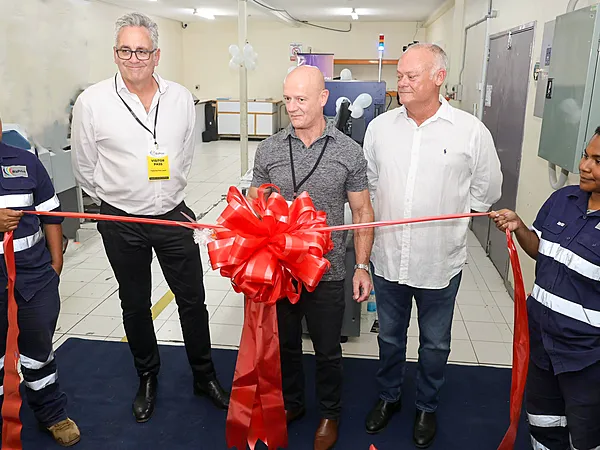
BizPrint, a member of the Remington Group, has announced a major investment in the Konica Minolta AccurioPress C12010S, the first digital press of its kind to be installed in the Pacific region.
The decision to bring the AccurioPress C12010S to Papua New Guinea reflects BizPrint's position within the Remington Group's technology ecosystem. As part of the Remington Technology brand and through its partnership with Konica Minolta, BizPrint gains early access to next-generation print technology to replace traditional offset printing.
"We jointly identified an opportunity to give BizPrint a point of difference and to offer the PNG market the value that comes with a 5-color digital press with built-in finishing, giving exceptional quality, consistency and automation—not only in the PNG market, but across the Pacific region as a whole," said Remington Group CEO Justin Kieseker.
"We're proud to support BizPrint and the Remington Group as they bring this first-of-its-kind production print capability to the Pacific region. This investment opens new opportunities for local businesses to access high-quality, creative and efficient print applications, backed by the training, technical expertise and service support needed for long-term success. It's a strong example of partnership delivering practical innovation for customers across the Pacific," said Yohei Konaka, managing director of Konica Minolta Australia.
The press handles extremely thick paper and cardstock, up to 450 gsm, as well as shiny or smooth finishes, stickers, textured linen and specialized waterproof paper-plastic blends. These flexible, moisture-resistant materials make it ideal for product packaging and manufacturing labels.
Two key features set the investment apart as a benchmark for the industry's future in PNG:
White ink and spot-color capability: Along with standard CMYK, the machine enables spot-color effects to highlight underlying and overlying artwork, creating shadow and shimmer finishes previously unavailable in the local market.
Integrated Plockmatic Booklet Maker: The press is fitted with a Plockmatic Booklet Maker, enabling booklets with covers up to 250 gsm and pages up to 150 gsm to be collated, folded, bound and trimmed to size automatically.
Ahead of installation, the company sent two technicians to the Konica Minolta Training Centre in Sydney for a two-week intensive course covering the new equipment.
This was followed by three weeks of in-country support from three Konica Minolta specialist trainers and technicians, who oversaw the installation of the digital press and the Plockmatic SD-450e booklet finisher.
"The investment in hardware is one thing — however, it is the investment in our people that we are most proud of," said Kieseker. "The key to its success lies in both our people and the creative work, and we have proudly invested in both to ensure BizPrint continues to be a market leader, both now and for years to come."
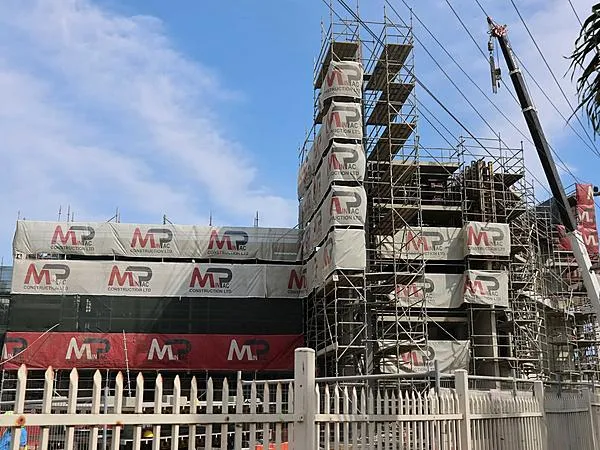
For more than two decades, CE Group has delivered complex electrical and engineering projects across Australia and the Pacific, building a reputation for providing practical, end-to-end engineering solutions in some of the region's most challenging operating environments. From major mining operations and hospitals to water infrastructure and renewable energy developments, the company has supported clients with integrated engineering services across a diverse range of sectors.
Founded in 2000 in South East Queensland, CE Group has steadily expanded its footprint beyond Australia into Papua New Guinea, Fiji, Solomon Islands, Vanuatu and New Zealand. Today, the privately owned business provides a full suite of services, from engineering design and electrical construction to switchboard manufacturing, commissioning and ongoing maintenance. Rather than engaging multiple contractors, clients increasingly turn to CE Group as a single integrated delivery partner capable of managing projects from concept through to completion.
As infrastructure projects continue to grow in scale and complexity, integrated project delivery has become increasingly important.
In response to this shift, CE Group has strengthened its in-house engineering capability, enabling it to become involved much earlier in the project lifecycle. Early engineering engagement helps reduce project risks while providing greater certainty around cost, quality and schedule. It also improves coordination and collaboration between project teams, identifies potential challenges before construction begins, and supports more efficient project delivery.
By bringing engineers, designers, manufacturers and construction teams together under one roof, the company aims to deliver practical, buildable solutions that improve project outcomes.
The move also reflects broader changes across the infrastructure sector. Throughout Australia and the Pacific, governments and private investors continue to increase investment in renewable energy, water security, mining, industrial facilities and other critical infrastructure.
Many project owners are seeking delivery partners with the technical capability to support projects from early planning and design through construction, commissioning and long-term maintenance, rather than contractors focused solely on construction.
For CE Group, expanding its engineering capability positions the business to meet that demand. The company says earlier involvement in project planning enables it to improve constructability, identify potential issues before construction begins, streamline project delivery and develop more efficient engineering solutions.
These capabilities have already been demonstrated across a diverse portfolio of projects. In Papua New Guinea, CE Group has contributed to major developments including the Angau Memorial Hospital Redevelopment and APEC Haus, while across Australia it has delivered electrical and engineering solutions for mining, water and industrial infrastructure projects.
Alongside strengthening its technical capability, CE Group continues to invest in its people and regional presence. The company now employs more than 450 people across multiple countries and maintains a strong focus on safety, workforce development and local capability building. Investing in local talent remains a key part of its regional strategy, particularly across Pacific markets where demand for skilled engineering and technical expertise continues to grow.
Looking ahead, the company expects continued investment in the energy transition, industrial expansion and essential infrastructure to create new opportunities across the region. With its expanded engineering capability and integrated delivery model, CE Group believes it is well positioned to support clients through every stage of increasingly complex projects.
As infrastructure demands continue to evolve, the company's strategy remains focused on combining engineering expertise, practical execution and long-term partnerships to deliver projects more efficiently, safely and reliably. In an environment where project certainty is increasingly valued alongside technical capability, CE Group's integrated approach is designed to help clients achieve better outcomes throughout the project lifecycle.
Kumul Petroleum Holdings Limited (KPHL) has welcomed progress on the new Cancer Treatment Facility and Kumul Petroleum National Heart Centre at Port Moresby General Hospital, while ordering a review of the stalled Surgical Ward project.
The KPHL Board inspected the facilities during a site visit facilitated by PMGH Chief Executive Officer Paki Molume and hospital management.
KPHL Chairman Isaac Lupari, board director Jacob Anga and acting Managing Director Luke Liria visited the Cancer Treatment Facility, which is scheduled to open next month, as well as the National Heart Centre.
KPHL has committed K10 million toward structural works at the cancer facility, including foundation works for two cancer treatment bunkers.
The company attributed progress on the project to the direct involvement of PMGH management and its board, together with oversight from an independent project manager.
Once operational, the facility is expected to improve access to cancer treatment in Papua New Guinea and reduce the need for patients to travel overseas for costly treatment.
Lupari said the health investments aligned with national development priorities. KPHL has committed more than K50 million toward restoring and improving the National Heart Centre at PMGH.
The investment has strengthened the hospital’s capacity to diagnose and treat cardiovascular diseases, which are among the leading causes of death in PNG, KPHL said.
The board, however, expressed serious concerns about the Surgical Ward project, which was managed separately by external project managers.
According to KPHL and PMGH management, the hospital had limited control and oversight of the project, with its management and decision-making team having no direct role in its design and construction.
The project has incurred expenditure approaching K70 million, but KPHL said there was little visible development on the ground despite the substantial investment.
The board expressed disappointment with the management of the project and said a forensic audit had been conducted under the direction of the trustee and the government.
The audit findings will be scrutinized, with appropriate action to be taken to recover funds and establish accountability, KPHL said.
KPHL said it would also reassess the Surgical Ward project’s scope, design, funding and implementation arrangements, recognizing the facility’s importance to PMGH’s operations.
The review is intended to identify a path to salvage and complete the project while strengthening accountability over KPHL-funded infrastructure initiatives.
New Porgera Limited (NPL) has launched a new legal scholarship aimed at developing the next generation of commercial lawyers in Papua New Guinea.
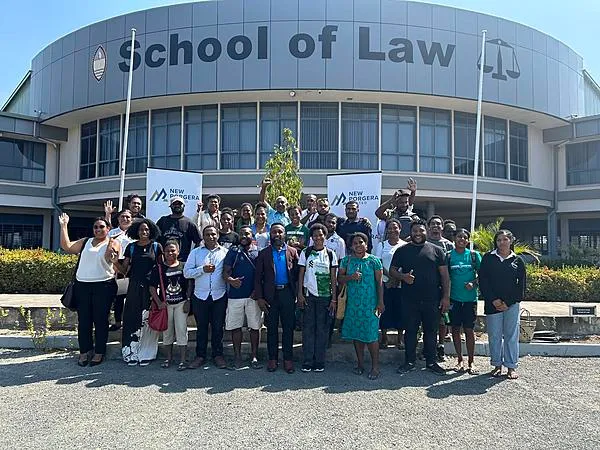
The New Porgera Ltd Legal Scholarship was officially launched at the University of Papua New Guinea’s School of Law by NPL Country Manager Karo Maha and Deputy Dean of Planning Sumasy Singin.
The programme will support talented third-year law students through financial assistance and hands-on industry experience.
The top two successful applicants will each receive K10,000 to cover tuition and boarding fees for their final year of study. The top three finalists will also receive internship opportunities with NPL.
Maha said commercial law could provide a pathway to executive leadership in Papua New Guinea’s resources sector.
She highlighted several industry leaders who began their careers in commercial law, including Ronald Meketa, managing director of the National Energy Authority; Michael Uiari, CEO of NiuPower Ltd.; Valentina Kaman, chief risk officer of Mineral Resources Development Company; Wayne Kasou, senior vice president of Santos; and Anthony Smare, president of the PNG Chamber of Resources and Energy.
Singin welcomed the initiative, saying it would create opportunities for law students to develop their careers and contribute to the country’s future.
“New Porgera Limited is more than a mine – it’s a promise to our people, a bridge to opportunity, and a legacy the next generation will be proud to inherit,” Singin said.
The scholarship is open to third-year law students from across Papua New Guinea. Applicants must submit their CV and an essay on a commercial law topic.
Shortlisted candidates will be interviewed by a panel comprising Maha; Singin; Ethel Heagi, NPL legal manager; and Cathy Magalu, general manager of corporate services at Kumul Minerals Holdings Ltd.
NPL said the scholarship forms part of its commitment to building local capacity and creating pathways for Papua New Guineans to pursue senior leadership roles through careers in commercial law.
The National Superannuation Fund (Nasfund) has surpassed K10 billion in net asset value (NAV) for the first time.
As of June 30, 2026, the fund’s net assets stood at K10.25 billion, up from K9.45 billion at the end of 2025.
Nasfund Chief Executive Officer Rajeev Sharma said the milestone reflected the fund’s prudent financial management, strong governance practices and commitment to protecting and growing members’ retirement savings.
“Reaching over K10 billion in the first six months of 2026 is a testament to our continued growth and financial resilience in a dynamic economic environment,” Sharma said. “We are delighted to share this milestone with our stakeholders, especially our members, whose trust and confidence make this possible.”
Sharma said the growth was driven by strong returns from a diversified investment portfolio, consistent member and employer contributions and disciplined cost management.
“Crossing the K10 billion mark reflects our robust governance frameworks, expanding membership base and focus on operational efficiency. It is also a direct result of the commitment of our contributing employers and the hard work of our dedicated Nasfund team,” he said.
Nasfund’s 2026 half-year report highlights positive momentum across the business.
Key performance indicators include:
Membership growth: More than 26,000 new members were registered, bringing the total number of actively contributing members to 220,175.
Contributions: The fund received K458 million in contributions, further strengthening members’ retirement savings.
Member benefits: A total of K351 million was paid in member benefits, demonstrating the fund’s capacity to meet members’ financial needs.
Cash revenue: The fund recorded K316 million in cash revenue, a 2% increase from the same period last year.
Sharma thanked the fund’s employers, members, stakeholders and employees for their support.
“I thank our employers, members, stakeholders and the hardworking employees of Nasfund. This milestone reinforces our goal to ensure all members are ready for tomorrow,” he said.
Byrnecut, one of the world’s leading underground mining contractors, has invested in a fleet of 20 Sandvik underground drills, loaders and trucks and five raise boring systems to support its operations across Australia, Canada, West Africa and Southern Africa.
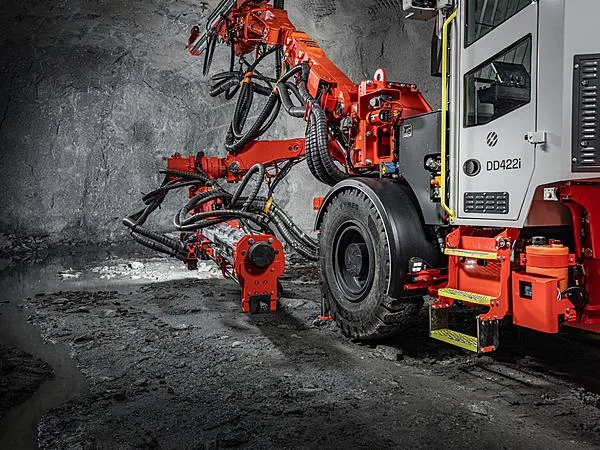
Byrnecut’s latest investment includes four Sandvik DD422i development drills, four Toro® LH621i loaders equipped with AutoMine®, four Toro® TH663i underground trucks, two Sandvik DL432i longhole drills and one Sandvik DL422i longhole drill. The orders also include four Rhino 100 mobile raise boring machines and one Rhino uphole module.
The orders were booked during June 2026. Equipment delivery is ongoing, with deliveries continuing through June 2028. Byrnecut will deploy the equipment across multiple operations in Australia, Canada, West Africa and Southern Africa, supporting both new and existing underground mining projects.
Sandvik and Byrnecut have built a strong global partnership over many years, working together to deliver safe, productive and innovative underground mining solutions across multiple regions.
“Our relationship with Sandvik has been built over many years on trust, collaboration and consistent performance,” said Pat Boniwell, managing director, Byrnecut Australia. “As our business continues to grow globally, we need equipment that delivers the productivity, reliability and technology our customers expect. This investment strengthens our fleet with proven underground equipment, automation capabilities and the global support we need to deliver for our customers.”
Patrick Murphy, president of Mining at Sandvik, said Byrnecut continues to be one of Sandvik’s most valued global underground mining partners.
“Byrnecut has been a trusted partner for many years, and we are proud to continue supporting its global growth through this significant fleet investment,” Murphy said. “This investment demonstrates Byrnecut’s confidence in Sandvik’s underground equipment portfolio and our ability to support customers consistently across multiple continents. Together we are focused on delivering safer, more productive and increasingly automated underground mining operations.”
Byrnecut will also leverage Sandvik’s global support network to maximize equipment availability and productivity throughout the fleet’s operating life.
Sandvik is a global, high-tech engineering group providing solutions that enhance productivity, profitability and sustainability for the manufacturing, mining and infrastructure industries. The company is at the forefront of digitalization and focuses on optimizing customers’ processes.
Its offering includes equipment, tools, services and digital solutions for machining, mining, rock excavation and rock processing. In 2025, the group had approximately 42,000 employees and revenue of about 121 billion Swedish kronor in more than 150 countries.
Mining is a business area within the Sandvik Group and a global supplier of equipment and tools, parts, services, digital solutions and sustainability-driving technologies for the mining and construction industries.
Application areas include rock drilling, rock cutting, loading and hauling, tunneling, ground support and quarrying. In 2025, sales were approximately 69 billion Swedish kronor, with about 18,000 employees.
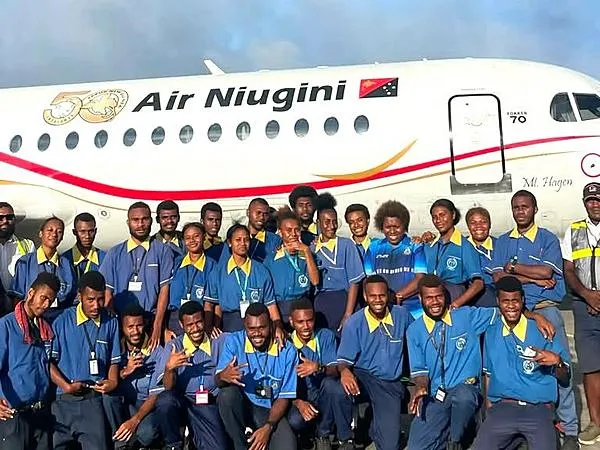
Grade 12 science students from Kokopo Technical Secondary School gained firsthand exposure to aviation engineering during an educational visit to Tokua Airport in Rabaul, where Air Niugini engineers were replacing an engine on a Fokker 70 aircraft.
The visit was organized as part of the school's Science and Technology learning program and gave students an opportunity to observe aircraft maintenance operations and engage with the airline's engineering team.
For many students, it was their first time entering a restricted airport operational area and seeing licensed aircraft maintenance engineers work on a commercial aircraft.
The engine replacement also demonstrated Air Niugini's ability to conduct major maintenance work outside its primary engineering base in Port Moresby. A similar engine replacement was completed in Rabaul earlier this year.
The maintenance team was led by Licensed Aircraft Maintenance Engineer Chuck Matane, a former student of Kokopo Technical Secondary School. Matane's family also has a history in aviation engineering, with his uncle, Eddie Matane, among Papua New Guinea's pioneering aircraft maintenance engineers and an early Air Niugini employee.
Matane and his team explained aircraft maintenance procedures to the students and discussed career pathways in aviation engineering.
"As a former student of Kokopo Technical Secondary School, it was both humbling and rewarding to welcome these students and share with them the work we do every day," Matane said.
He encouraged students to consider aviation engineering, saying the profession requires commitment, discipline and a strong foundation in science and mathematics.
Kokopo Technical Secondary School Principal Doreen Lasumon thanked Air Niugini for providing the students with a practical learning experience.
"Experiences like this bring science and technology to life," Lasumon said, adding that seeing Papua New Guineans working in specialized professions helped students better understand the career opportunities available through education.
Air Niugini Chief Executive Officer Alan Milne said the national carrier remained committed to supporting educational initiatives that encourage young Papua New Guineans to pursue careers in aviation and engineering.
"Providing students with direct exposure to our engineering operations allows them to see firsthand the expertise, professionalism and dedication required to keep our aircraft operating safely and reliably every day," Milne said.
The visit concluded with a guided tour of the maintenance area, aircraft cabin and flight deck. Students also had further opportunities to interact with engineers and learn about the standards and procedures underpinning airline safety and reliability.
The airline said the experience provided students with an insight into aviation engineering while highlighting the role of specialized technical skills in supporting Papua New Guinea's aviation industry.
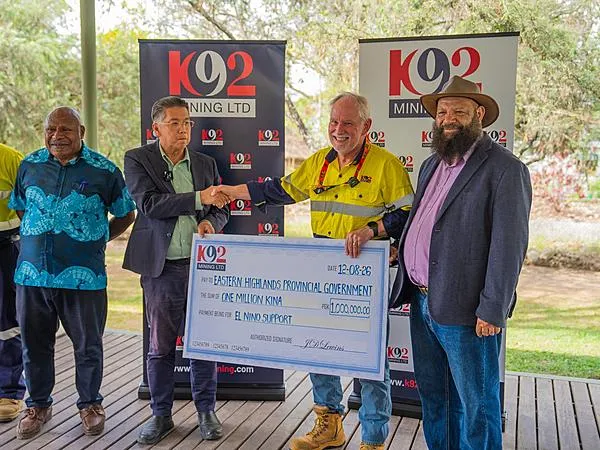
K92 Mining Inc. has committed PGK3 million in in-kind assistance to support Papua New Guinea government's response to El Niño-related impacts across Eastern Highlands and Morobe provinces and Usino-Bundi District in Madang Province.
The assistance will target communities affected by prolonged dry conditions, water shortages, crop losses, food insecurity and increased pressure on health services, K92 said.
The company will coordinate the support with the Eastern Highlands and Morobe provincial governments and the administrations of Kainantu, Markham, Obura-Wonenara and Usino-Bundi districts.
K92 said the commitment will be delivered through the direct procurement and provision of approved goods and services, with the company working with government partners to direct assistance to communities experiencing the greatest need.
“We recognise the importance of a coordinated, government-led response and are proud to stand alongside the Government and people of Papua New Guinea during this challenging period,” K92 CEO and Director John Lewins said.
The commitment comes as affected communities face the combined impacts of prolonged dry conditions on water supplies, agricultural production and food security, while health services face additional pressure.
By coordinating the assistance through government authorities, K92 said it aims to support a targeted response based on the needs identified in affected communities.
The company said the commitment forms part of its broader approach to operating as a responsible mining company and maintaining its role as a partner in the communities where it operates.
“We remain committed to being a responsible operator, trusted partner and good neighbour in Papua New Guinea,” K92 said.
For ten years, Project Yumi has been making a difference in communities across Papua New Guinea, building partnerships, strengthening local capacity and delivering practical initiatives that continue to create lasting impact.
What began as a grassroots effort has grown into an Australian-registered charity working alongside communities in 20 of Papua New Guinea’s 22 provinces. Throughout its journey, Project Yumi has remained committed to a simple but powerful belief: sustainable development is achieved when communities are empowered to shape their own future.
That philosophy has resonated with organisations across the mining, resources and business sectors, where long-term success is increasingly measured not only by economic contribution, but also by the legacy left within the communities that support industry.
Through Project Meri, women have been supported through maternal health initiatives that encourage attendance at health facilities for antenatal and postnatal care. Healthcare providers have also received equipment and resources to strengthen frontline services. Meanwhile, Project Skul has helped schools access educational resources that create more engaging learning environments for students, while Project Wok has equipped young Papua New Guineans with employability skills and pathways into meaningful employment.
Beyond these flagship programmes, Project Yumi has worked with more than 150 schools, health facilities and community organisations, delivering resources that continue to improve opportunities for thousands of Papua New Guineans.
Yet for Project Yumi, success cannot be measured by numbers alone.
While the figures tell part of the story, the organisation believes its greatest achievements are reflected in stronger communities, increased local ownership and partnerships that continue long after the initial investment. For Project Yumi, sustainability has never been about delivering a project and walking away; it has always been about laying the foundations for communities to thrive independently.
This collaborative approach has enabled Project Yumi to work alongside a growing network of corporate partners, volunteers, donors and community organisations, many of whom contribute far more than financial support. Their expertise, logistics, professional skills and local knowledge have all played an important role in extending the reach and effectiveness of programmes across Papua New Guinea.
For the mining and resources sector, these partnerships demonstrate the value of investing in initiatives that complement broader sustainability and social investment goals. By working with trusted organisations that have established relationships within communities, businesses can contribute to meaningful, measurable outcomes while supporting the long-term wellbeing of the regions in which they operate.
As Project Yumi celebrates its tenth anniversary, the milestone is less about reflecting on the past than recognising what can be achieved through collaboration. The challenges facing Papua New Guinea remain significant, but so too are the opportunities when communities, industry and development organisations work together towards a shared purpose.
Ten years of impact is an achievement worth celebrating. More importantly, it marks the beginning of the next chapter — one focused on building healthier communities, stronger education systems and sustainable opportunities for future generations across Papua New Guinea.
With urban migration putting increased pressure on housing in centres such as Port Moresby, Lae, Mt Hagen and Kokopo, Nasfund has reintroduced its virtual member education sessions this August.
The move underscores the Fund’s commitment to digital innovation while responding proactively to members’ concerns.
Running throughout the month, the free online sessions focus specifically on the Housing Advance product. The initiative has already generated strong engagement, with recent campaign data showing that 63% of participants are requesting longer discussions and additional resources.
Nasfund Chief Executive Officer Rajeev Sharma, who also serves as president of the Association of Superannuation Funds of Papua New Guinea (ASFPNG), said the Fund’s digital innovation must be supported by practical and modernised legislation.
“The feedback we are getting from these virtual sessions directly mirrors the concerns raised by members right across the industry,” Sharma said.
“We strongly support ASFPNG’s call for the Government to prioritise these long-standing reforms. The industry stands ready to work collaboratively with the Government to implement meaningful changes that improve member outcomes.”
While the digital platform helps members understand eligibility requirements and documentation, the sessions have also highlighted widespread frustration with the current laws governing superannuation in PNG.
Members frequently question why they are limited to two advances and why a second advance is strictly capped at the amount of the first.
“That is why we conduct these sessions, not only online but also as part of our awareness efforts for members. Nasfund is an authorised superannuation fund governed by the Superannuation Act 2002,” Sharma said.
Nasfund Head of Marketing and Stakeholder Engagement Melanie Lavaki said leveraging technology was broadening the Fund’s reach and strengthening its efforts to improve superannuation literacy.
“Reintroducing these virtual sessions has noticeably increased awareness across all our communication channels,” Lavaki said.
“Our branches remain crucial to how we operate, but these online sessions complement our physical engagements perfectly.”
Members interested in learning more about the Housing Advance product are encouraged to participate in the virtual sessions and engage with the member service team for ongoing guidance.
Air Niugini will resume direct flights between Port Moresby and Auckland from 17 November, restoring the only non-stop air service between Papua New Guinea and New Zealand for the first time in more than 26 years.
The national carrier will operate three return services a week, reducing travel times by removing the need for passengers and freight to transit through Australia or other regional hubs.
The route will initially be served by Boeing 737-800 aircraft before transitioning to Airbus A220 aircraft next year as additional aircraft are delivered under the airline's fleet renewal programme.
Air Niugini Chief Executive Officer Alan Milne said the service marked an important milestone in the airline's international expansion strategy.
"The resumption of direct services to Auckland is a significant milestone for Air Niugini and for the people of Papua New Guinea and New Zealand," Milne said.
"We are delighted to once again provide a direct link between our two countries, making travel faster, more convenient and more accessible for business travellers, tourists, students and families."
Milne said the Auckland schedule had been designed to connect with Air Niugini's services to Hong Kong, Singapore, Manila and Tokyo, strengthening Port Moresby's role as a regional aviation hub linking the Pacific with Asia.
The airline previously operated direct Auckland services until 1998, when flights were suspended because of economic pressures stemming from the Asian financial crisis.
Before that, Air Niugini participated in a weekly tripartite service with Cathay Pacific and Air New Zealand between Auckland, Port Moresby and Hong Kong from 1982 to 1985.
The airline said the resumption of the route reflects growing demand for travel across the Pacific and strengthening trade, tourism and people-to-people links between Papua New Guinea and New Zealand.
The service is also expected to support tourism, business travel, educational and cultural exchanges, seasonal worker movements and freight connectivity between the two countries.
Passengers arriving in Port Moresby from Auckland will also have onward access to Air Niugini's domestic network across Papua New Guinea.
Tickets for the new service are now available through Air Niugini sales offices, travel agents and the airline's online booking platform.
Securing a comfortable retirement should be achievable for every hardworking Papua New Guinean. Whether employed in the public or private sector, working for a small business, self-employed or earning an income in the informal economy, everyone should have access to superannuation.
Speaking on behalf of Nasfund CEO Rajeev Sharma at the recent Papua New Guinea Trade Union Congress (PNGTUC) and International Labour Organization (ILO) partnership workshop, Nasfund Head of Marketing and Stakeholder Engagement Melanie Lavaki highlighted the importance of extending retirement coverage to all workers.
The three-day workshop, Training for Trainers on Organising Methods, Strategies and Practices, focused on strengthening awareness of national policies, legislation and social protection measures for informal workers while exploring ways trade unions can better organise and support the sector.
During Session XII, The Present and Future of Social Protection in PNG, Lavaki addressed the misconception that superannuation is only for employees of large formal organisations. While contributions are mandatory for larger employers, businesses with fewer than 15 employees and individuals can also save for retirement through voluntary contributions.
She highlighted Eda Supa, Nasfund's voluntary superannuation product, which is available to workers in both the formal and informal sectors, including self-employed individuals and non-citizens.
"Our aspiration at Nasfund is to see legislative reforms make superannuation access a mandatory right for every worker in PNG," Lavaki said.
She encouraged union representatives to promote superannuation as a source of replacement income in retirement, urging workers to focus not only on when they retire but also on achieving meaningful long-term financial goals.
Lavaki also shared recommendations recently put forward by the Association of Superannuation Funds of Papua New Guinea (ASFPNG), led by Nasfund CEO and ASFPNG President Rajeev Sharma. The recommendations included:
By advocating broader superannuation coverage and stronger retirement protections, Nasfund continues to support a future in which every worker in Papua New Guinea can retire with dignity.
Nasfund Chief Financial Officer Debbie Oli has underscored the importance of financial literacy for women leaders, encouraging participants in the PNG Business Coalition for Women's (BCFW) Senior Executive Women's Programme (SEWP) Cohort 23 to build confidence in understanding and interpreting financial statements.
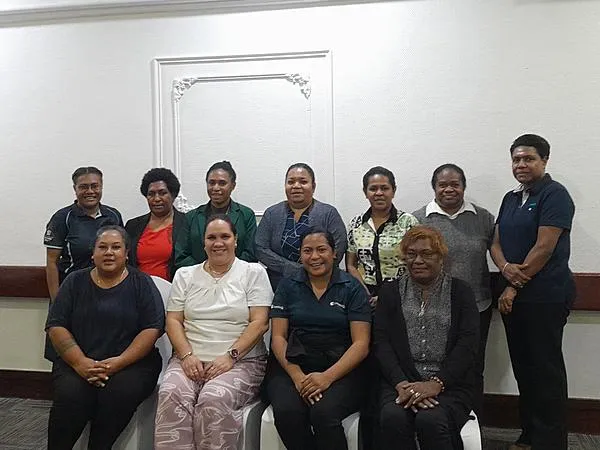
Speaking during the programme last week, Oli led a practical session designed to help women from diverse professional backgrounds strengthen their financial knowledge.
"The programme had a mix of women with no finance background at all and some finance specialists," Oli said.
"My presentation focused on helping participants understand how to interpret financial statements."
The session covered the three core financial statements — the balance sheet, income statement and cash flow statement — explaining how each provides insights into an organisation's financial position, performance and long-term sustainability.
Oli also highlighted the role of finance within organisations, outlining key financial indicators and warning signs that leaders should recognise when making strategic decisions.
The three-month SEWP Cohort 23 leadership development programme is delivered by the PNG Business Coalition for Women for women in executive and senior management roles across Papua New Guinea. It aims to strengthen leadership capability, improve business acumen, build confidence and expand professional networks.
Drawing on her experience in finance, Oli also introduced participants to the Supa Calculator, a tool that helps users understand long-term financial wellbeing and the impact of inflation on retirement savings.
"The exercise allowed participants to see how their spending habits could impact their future savings and to explore options that could help increase their super balance over time," she said.
Reflecting on the session, Oli described it as an interactive and meaningful discussion focused on empowering women to make informed financial decisions in both their professional and personal lives.
The programme continues to equip women leaders in Papua New Guinea with the knowledge, skills and networks needed to succeed in senior leadership roles and create greater impact within their organisations.
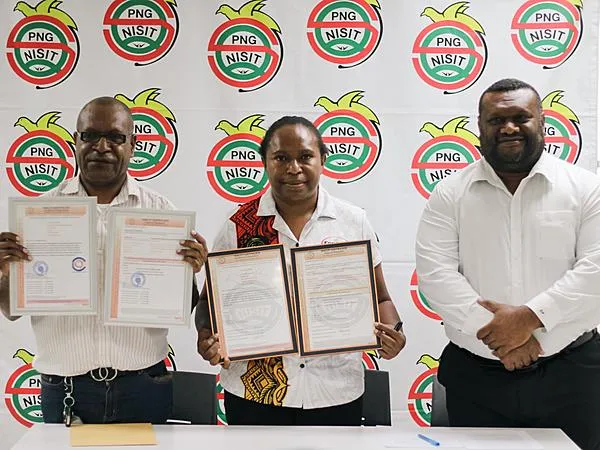
The National Institute of Standards and Industrial Technology (NISIT) has recognised Prima Smallgoods Limited and Food Pro for their commitment to food safety after both companies successfully achieved Hazard Analysis and Critical Control Point (HACCP) certification.
Prima Smallgoods received HACCP re-certification, while Food Pro was awarded HACCP certification following the successful relocation of its manufacturing facility from Badili to Eight Mile, Port Moresby. The certificates were presented by NISIT on Friday, 26 June 2026.
Presenting the certificates, NISIT Director General Joe Panga congratulated both companies, saying their achievements reflected a strong commitment to internationally recognised food safety standards.
"HACCP certification is more than a certificate on the wall. It reflects strong leadership, disciplined processes and a culture of continuous improvement. It gives consumers confidence that food products are produced safely and consistently while helping businesses compete in both local and international markets," Panga said.
Receiving the certificate on behalf of Prima Smallgoods, Sales and Marketing Manager Kola Geri said maintaining HACCP certification demonstrates the company's commitment to producing safe, high-quality products for Papua New Guineans.
"At Prima Smallgoods, food safety has always been one of our highest priorities. Successfully completing our HACCP re-certification demonstrates the commitment of our entire team to maintaining rigorous food safety systems and delivering quality products that Papua New Guineans can trust," Geri said.
"This achievement belongs to our team. Their discipline, professionalism and commitment to continuous improvement have enabled us to meet the strict requirements of the HACCP standard. We thank NISIT for its guidance throughout the certification process."
Geri said maintaining HACCP certification strengthens the company's reputation and supports its long-term goal of providing safe, high-quality food products to customers across Papua New Guinea.
Meanwhile, Food Pro Quality Assurance Head Warendo Soer described the certification as a significant milestone following the relocation of the company's production facility.
"Although Food Pro has been operating for more than 15 years, obtaining HACCP certification for our new site is a major milestone. It has strengthened our internal processes, improved staff awareness and reinforced a culture of quality throughout the organisation," Soer said.
Having worked with the company for many years, Soer said implementing HACCP had transformed the way Food Pro manages food safety and quality.
"The HACCP system allows us to identify risks early, maintain product traceability and continually improve our operations. If an issue arises, we have systems in place to investigate, correct and prevent it from happening again. That gives our customers confidence in our products."
She added that internationally recognised certification also positions the company for future growth.
"Many major organisations require suppliers to have recognised food safety certification. HACCP demonstrates that we have robust systems in place and positions us to compete for larger contracts while continuing to provide safe, high-quality products for Papua New Guinea."
NISIT encourages manufacturers across Papua New Guinea to adopt internationally recognised standards, noting that certification not only protects consumers but also strengthens business competitiveness, enhances market access and builds confidence in locally manufactured products.
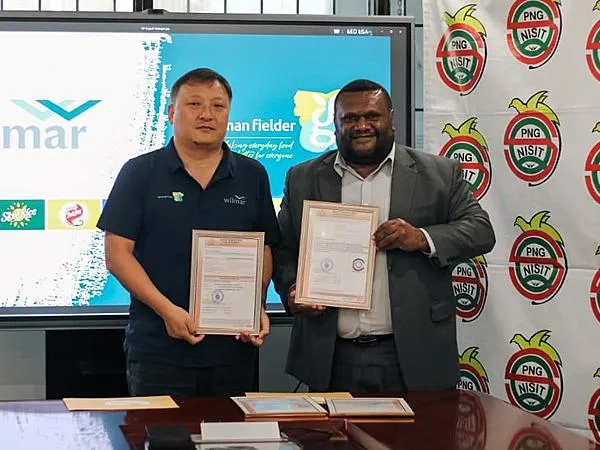
Goodman Fielder International (PNG) Limited has received Hazard Analysis and Critical Control Points (HACCP) certification for its Port Moresby bakery and flour mill operations.
The certificates were presented by the National Institute of Standards and Industrial Technology (NISIT) on Tuesday, 30 June 2026, in recognition of the company's commitment to maintaining high food safety standards. Receiving the certificates on behalf of the company was General Manager (PNG) Sun Xing Tao.
Sun said the certification strengthens Goodman Fielder's competitive position by giving customers greater confidence in the safety and quality of its products.
He said the certification demonstrates the company's commitment to internationally recognised food safety standards and provides customers with added assurance that Goodman Fielder's products are safe and reliable.
Presenting the certificates, NISIT Director General Joe Panga congratulated Goodman Fielder on the achievement, describing it as an important milestone for both the company and Papua New Guinea's food manufacturing industry.
"HACCP certification demonstrates that Goodman Fielder PNG has implemented a systematic approach to identifying and controlling food safety risks while ensuring safe, high-quality products for consumers," Panga said.
Speaking on behalf of the company, QA/QC Manager – Southern Region Linda Pingi said the certification means a great deal to Goodman Fielder because food safety is at the heart of its operations.
She said the company produces a wide range of food products, including flour, rice, edible oils, bakery products and stockfeed, and that the certification provides assurance that these products are produced in accordance with recognised food safety standards.
Pingi also praised NISIT's certification process, saying it was supportive and helped the company strengthen its food safety systems.
She added that having a nationally recognised certification scheme reduces the need for costly overseas certification while providing a strong foundation for future growth and export opportunities.
Follow on LinkedIn:
PNG Business News
Be the "First" to get our exclusive Digital Magazine & Weekly Newsletter.