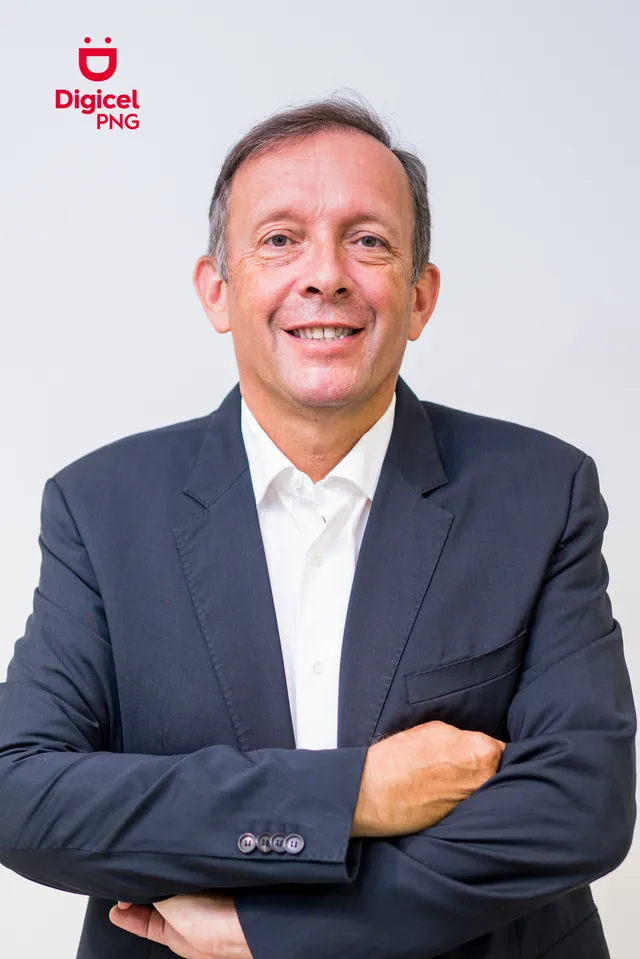
Digicel Pacific has announced the appointment of Frédéric Debord as Chief Executive Officer of Digicel PNG effective 16 November 2026.
Papua New Guinea is Digicel Pacific's largest market and a key driver of its growth strategy. Mr Debord brings more than 20 years of telecommunications leadership experience across Africa, the Caribbean and Europe, including CEO roles with Orange in Madagascar, Cameroon, Morocco and the Dominican Republic. He joins Digicel Pacific with a strong track record of driving growth, leading business transformation and building high-performing teams in complex and competitive markets.
Digicel Pacific Chief Executive Officer Roary Stasko said, “Following a comprehensive international search, we are delighted to appoint Frédéric as CEO of our PNG business. Frédéric's proven leadership experience in complex, high-growth markets, combined with his strong customer and operational focus, makes him exceptionally well positioned to lead the next phase of growth for our PNG business."
Mr Stasko also thanked Brett Goschen for his leadership as Interim CEO PNG. "Brett has provided strong leadership, stability and continuity during an important period for the business. Following Frédéric's appointment, Brett will return to his role as Group Chief Financial Officer of Digicel Pacific."
Commenting on his appointment, Mr Debord said: "I am honoured to join Digicel Pacific and lead the PNG business at such an important time. I look forward to working with our employees, customers, partners and stakeholders to build on the strong foundations already established, strengthen our market position, and deliver long-term value for our customers and communities."
Digicel Pacific is committed to investing in network capability, digital innovation and customer experience to support the future growth and digital development of Papua New Guinea.
About Digicel (PNG) Limited
Digicel (PNG) Limited is Papua New Guinea's leading telecommunications provider, delivering reliable mobile, broadband, and digital services that connect people, empower communities, and support the nation's growth in the digital age.
About Digicel Pacific
Digicel Pacific is the leading telecommunications provider in the Pacific, serving Papua New Guinea, Fiji, Samoa, Tonga, Vanuatu and Nauru. A wholly owned subsidiary of Telstra, Digicel Pacific provides mobile,
broadband, ICT and digital services that connect communities, support economic growth and advance digital inclusion across the region.
From mine sites and gas fields to contractors, suppliers and surrounding communities, locally developed technology platforms aim to connect business processes, support safer operations, strengthen ESG reporting and build trust with landowners across the resource sector.
Papua New Guinea's drive to attract investment and expand its resource industries is placing greater importance on the systems companies and their suppliers use to manage operations, people, safety and regulatory obligations.
With major projects such as Papua LNG driving the next wave of investment, and a recent survey of PNG's extractive-sector executives pointing to growing interest in exploration and development, the sector is entering a new phase of activity.
As resource companies undertake larger projects, expand into new markets and work with increasingly complex networks of suppliers and contractors, managing information across departments and sites is becoming critical to business performance, safety and environmental, social and governance (ESG) compliance.
For Port Moresby-based technology company NiuPay Ltd., this presents an opportunity to bring integrated digital systems closer to resource companies operating in Papua New Guinea and the businesses that support them.
The company designs, builds and supports cloud-based, mission-critical platforms covering identity verification, workflow and case management, land administration, AI-assisted processing, revenue collection and government services. Its approach centres on connecting processes traditionally handled through separate applications, databases and manual procedures.
NiuPay operates exclusively in the cloud, with all its platforms hosted remotely rather than on-premises. The company says this model supports scalability, continuous updates and centralised security.
Although its established deployments have largely been in government and public administration, NiuPay's technology has potential applications across mining, oil and gas, energy, infrastructure, construction, transport and financial services.
The proposition is particularly relevant to Papua New Guinea, where resource projects often operate in remote, geographically dispersed locations and must coordinate transactions, documentation and regulatory requirements involving multiple organisations, from regulators to landowner groups.
NiuPay already operates in these conditions. Its eRODSS platform for teachers' Resumption of Duty was launched in April 2026, with education officers trained in all 22 provinces.
For investors and lenders, the quality of these supporting systems matters. Reliable safety records, transparent dealings with landowners and auditable environmental and social compliance increasingly influence project financing and the ability to maintain a social licence to operate.
Connecting the different parts of a resource business
Integrated systems bring an organisation's core business functions into a connected digital environment.
Depending on the platform, these functions can include safety, ESG, human resources, contractor management, asset management, procurement, inventory, accounting, project administration and reporting.
The objective is to give senior management and boards a more consistent view of business activities rather than requiring employees to retrieve information from disconnected systems.
NiuPay's portfolio addresses several of these functions through configurable platforms and integrations. Rather than replacing an organisation's existing accounting and enterprise software, its systems are designed to connect with those applications and fill gaps in business processes.
In a resource operation, the aim is to maintain a connected record of who is on site, what they are qualified to do, which permits and approvals are in place, and what has been agreed with landowners and communities.
The broader opportunity is to extend this connected approach across safety, environmental, community and other business functions.
Why the resource sector needs integrated systems
The resource sector, from mining to oil and gas, illustrates why integrated enterprise systems are becoming increasingly important to Papua New Guinea's business environment.
A mine or oil and gas project involves far more than extracting and processing minerals, oil or gas. Behind production are extensive financial, commercial and administrative activities involving suppliers, contractors, employees, landowners, transport operators, regulators and local communities.
A single project, often spread across remote sites and camps, can involve multiple contractors, equipment suppliers, accommodation providers, logistics companies and service operators. Each generates safety records, certifications, supporting documents and compliance requirements.
Managing these relationships through disconnected systems can make it difficult to obtain a consolidated view of who is on site, whether workers' training and certifications are current, and which obligations remain outstanding.
An integrated digital platform could connect contractor registration, inductions, training records, certifications, approvals and reporting.
For example, contractor information could be maintained in a centralised system, with registration documents and supporting records linked to approval workflows. A contractor whose certification has expired could then be flagged before reaching the site rather than after an incident.
Land-related documentation presents another important application. Resource and infrastructure projects in PNG operate within complex land arrangements involving customary landowners, incorporated land groups, leases, licences and statutory requirements. Maintaining accurate records of agreements, benefit-sharing arrangements, payments and related transactions is essential to project administration.
NiuPay's experience in digital land administration provides a foundation for this work. The company developed and operates a digital land administration platform for the Department of Lands and Physical Planning, covering land records, titles, leases and transactions.
The platform has supported digital land records and payments since 2020. According to NiuPay, Papua New Guinea issued its first digital strata title through the system in March 2026. Title transfers that previously took about six months can, in some cases, now be completed on the same day. The Digital Strata Title Platform also won the Innovation PNG Award for Corporate Innovation in June 2026.
For resource operators, similar digital capabilities could support the administration of lease documentation, property records, benefit distributions and transaction histories, giving landowner groups a clear, verifiable record of agreements and payments.
Any such system would operate separately from government registries and be owned by the operator, with data maintained on infrastructure the organisation can access and audit.
The potential applications extend to other land- and infrastructure-intensive industries, including energy, agriculture, forestry, telecommunications, transport and construction, where land access, property records and contractual arrangements are integral to project delivery.
These applications would require appropriate integration with existing company systems and compliance with statutory and customary land processes.
Safety starts with accurate records
Safety is a priority at any mine site or gas project and much depends on accurate information: who is on site, what workers are trained and certified to do, and whether their inductions, medical examinations and permits to work are current.
In many operations, this information remains scattered across spreadsheets, paper files and separate contractor systems. When records are fragmented, an expired certificate or missed induction can go unnoticed until something goes wrong.
Integrated systems can bring these records together, allowing a worker's competencies to be checked against site requirements before mobilisation and linking site access to current, verified records.
Incident and hazard reports can follow the same process. NiuPay's case-management workflows already allow agencies to receive, assign and track requests through to completion. Applied at a project site, the same approach could help ensure each report is addressed and closed out, with a clear record of who acted and when.
For management, this would provide a current view of safety across sites and contractors rather than one assembled after the fact.
Bringing identity and compliance processes online
The administration of employees, contractors, suppliers and customers is another area where organisations can benefit from connected digital systems.
NiuPay offers biometric technology incorporating fingerprint enrolment and matching to establish unique identity records and detect duplicate registrations. Its published applications include immigration, law enforcement and administrative identity management.
In an enterprise environment, comparable technology could support contractor registration, identity verification and controlled access at remote project sites. It could also help provide accurate headcounts during emergencies, subject to integration with existing human resources and security systems.
The company's experience in government service delivery also provides a foundation for digitising document-heavy administrative processes.
Its platforms support online applications, document submission, case assignment, review and approval workflows, allowing organisations to track transactions and maintain records of decisions.
For resource companies handling regulatory submissions, environmental permits, supplier accreditation, national content reporting and contractual documentation, these functions could reduce reliance on paper-based procedures and improve the traceability of administrative decisions.
Turning ESG commitments into evidence
Investors, lenders and host communities increasingly expect resource companies to demonstrate how they manage their environmental and social impacts.
That requires records of permit conditions and environmental monitoring, commitments made to communities, grievances raised and resolved, local hiring and national content, and benefits delivered to landowners.
Integrated systems can keep these records in one place, with each action time-stamped and attributed to the responsible party. ESG reports can then draw on the same data used to manage operations rather than relying on figures compiled once a year.
Community grievance mechanisms are one example. Through ServiceLink, the platform NiuPay developed for Lae City Authority, residents and businesses can lodge complaints and track them in real time.
A similar channel could give landowners and community members a clear way to raise concerns while providing companies with a transparent record of how each grievance was handled.
Governance is another consideration. Papua New Guinea's move towards digital land titles forms part of broader efforts to curb title fraud, while NiuPay's biometric systems are designed to detect duplicate registrations. In a resource setting, similar controls could help ensure that benefits, wages and site access reach the intended recipients.
Artificial intelligence moves into business administration
Artificial intelligence is another part of NiuPay's technology development, particularly in automating routine document processing and administrative assessments.
The company developed the MyICSA Analysis Engine for Papua New Guinea's Immigration and Citizenship Service Authority, incorporating AI into online visa processing. NiuPay describes it as the first known deployment of generative AI in a government production environment in the Pacific Islands.
The system reviews applications and supporting documents, processes qualifying routine cases and refers more complex applications to immigration officers.
According to an Amazon Web Services (AWS) case study, about 95 percent of short-term visa applications are processed automatically, with average processing time reduced to about four minutes. The system is designed to handle up to 1,000 applications a day.
The underlying technology could also be applied in other document-intensive industries, including the resource sector.
Resource companies could use comparable AI-assisted processes to extract information from safety certificates, permits and environmental reports, review supplier submissions, identify missing documents and route applications to the appropriate personnel.
In mining, oil and gas, and construction, contractor accreditation and compliance documentation often involve multiple supporting records that must be checked before approval.
Automating preliminary document checks could reduce administrative delays and allow employees to focus on technical assessments and decisions requiring professional judgement, including safety-critical approvals.
NiuPay's approach includes maintaining records of automated decisions and referring cases that do not meet established confidence requirements for human review.
For regulated industries, human accountability and auditable decision records remain essential.
Built around existing business systems
A major consideration for companies evaluating new business systems is whether the technology can work with their existing infrastructure.
Large organisations may already operate accounting applications, procurement platforms, human resources databases, safety and environmental management tools, and specialised operational systems. Replacing these applications simultaneously can be expensive and disruptive.
NiuPay's approach involves assessing existing processes and developing systems that connect with legacy applications. It favours staged, evidence-led changes over wholesale replacement.
Its platforms are built on AWS infrastructure, with the company providing cloud hosting, system maintenance, security, backup and disaster recovery capabilities. NiuPay says every system it runs on AWS is built and operated to its MissionReady managed standard, with security tested daily.
The company identifies itself as an AWS Select Tier Services Partner, which it says is the first in the Pacific Islands. It also says its systems are designed around AWS Well-Architected standards and aligned with SOC 2 requirements.
NiuPay also emphasises local development and technical support, which could be relevant to organisations operating in remote locations such as mine sites and gas fields, where reliable connectivity and access to technical assistance can be challenging.
Its team of more than 50 people is based in Port Moresby, with teams expanding in Lae and Fiji.
For PNG's resource companies, this model offers an opportunity to modernise selected functions without necessarily replacing every existing application.
Successful implementation, however, would depend on system compatibility, data security, connectivity, staff training and integration with established enterprise platforms. NiuPay's model includes training users, documenting each operating environment and providing support beyond system launch.
From government digitalisation to the resource sector
Founded in Papua New Guinea in 2018, NiuPay has developed systems for several public institutions, including the Immigration and Citizenship Service Authority, Department of Lands and Physical Planning, Internal Revenue Commission and Lae City Authority.
Its first major government deployment involved the Immigration and Citizenship Service Authority, which introduced online payments through a NiuPay-developed system in 2019.
The company subsequently expanded into land administration, online government services, biometrics and AI-enabled processing.
Its portfolio includes MyIRC for the Internal Revenue Commission and ServiceLink for Lae City Authority, which brings selected council services, applications and payments online.
NiuPay also developed traveller-entry technology used in Solomon Islands during the 2023 Pacific Games, reducing the time to process each traveller from 43 seconds to 10 seconds.
Kina Bank, a NiuPay partner since 2020, became an investor in the company in 2025.
These projects demonstrate the company's experience in developing and maintaining digital systems that handle identity information, sensitive records and high-volume transactions.
The next opportunity is to extend those capabilities to the resource sector and its wider supply chain.
For PNG's resource companies and contractors, the challenge is not simply acquiring software. It is ensuring that different parts of an organisation can exchange information reliably and support timely management decisions.
Digital infrastructure as an investment enabler
As Papua New Guinea promotes investment across its resource, infrastructure, energy and services industries, the country's digital capabilities will form part of the broader business environment.
Investors need more than access to natural resources, infrastructure and markets. They also need institutions and companies capable of operating safely, maintaining reliable records and meeting environmental, social and regulatory obligations.
Integrated digital platforms can contribute by improving safety and administrative efficiency, strengthening ESG reporting and internal controls, and making business information more accessible to authorised decision-makers.
For NiuPay, the opportunity is to build on its experience in public-sector technology and extend its capabilities into the resource sector.
The company does not seek to replace every system used by a large business. Specialist functions such as production management, fleet management, inventory, equipment maintenance and advanced procurement are better served by dedicated applications, which NiuPay's platforms are designed to connect with.
Its work in identity management, land administration, AI-assisted processing, workflow automation and revenue collection addresses several important components of enterprise digitalisation.
The broader question for PNG's resource companies is how effectively they can connect these functions as they expand operations and pursue investment.
In an increasingly competitive business environment, the ability to manage information, keep people safe and support ESG commitments with reliable data is no longer simply an administrative advantage. It is part of the digital infrastructure needed to grow and sustain a resource operation.
Businesses in Papua New Guinea are being urged to strengthen workplace awareness, prevention and testing programmes for HIV and sexually transmitted infections (STIs) as the country recorded an estimated 11,000 new HIV infections in 2025.
The call was made by Dr Ann Clarke, programme manager of Businesses for Health Papua New Guinea (B4H), during the organisation's 2026 Annual HIV Workshop on Wednesday, November 4, held under the theme "Let's Talk".
Clarke warned that Papua New Guinea could face a worsening HIV and STI crisis as major economic developments, increased investment, workforce mobility, election-related activities and tourism create conditions that could increase the risk of transmission.
She said rising alcohol consumption and opportunities for casual and transactional sex could further compound the risks if businesses and communities were not adequately prepared.
While these developments offered significant economic opportunities, Clarke stressed that greater attention and investment in protecting people's sexual health were equally necessary.
According to the National Department of Health's 2026 HIV Fact Sheet, an estimated 130,000 people were living with HIV in Papua New Guinea, representing a national prevalence rate of 1.5 per cent.
The country recorded an estimated 11,000 new infections in 2025, while 3,100 people died from AIDS-related illnesses during the same period.
The fact sheet also recorded 388,425 HIV tests conducted nationwide, resulting in 11,176 people being diagnosed with HIV.
However, only 62,607 of the estimated 130,000 people living with the virus were receiving antiretroviral therapy (ART), highlighting a substantial gap in treatment coverage and the need to improve testing, treatment access and continuity of care.
Clarke also raised concerns about the vulnerability of women and young people, particularly during election periods, when increased population movement, financial pressures and social activities can expose them to sexual exploitation, violence and sexually transmitted infections.
Between 2015 and 2024, HIV infections among young people aged 15 to 24 increased by 85 per cent in Papua New Guinea.
She also cited Fiji's rapidly growing HIV epidemic as a warning for the country, particularly the risks associated with methamphetamine injecting and the sharing of contaminated needles.
Clarke said Papua New Guinea needed to broaden its prevention strategy beyond sexual transmission to address risks associated with injecting drug use, hepatitis B, hepatitis C and other STIs.
"We must put more HIV and STI prevention education and enable access to testing services now. Condoms need to be easily accessible everywhere," she said.
Gaps in maternal and child health services
The National Department of Health's 2026 HIV Fact Sheet also highlights significant gaps in preventing mother-to-child transmission.
The assessment estimates that Papua New Guinea recorded 281,700 pregnancies, with 162,201 pregnant women attending at least one antenatal care visit in 2025.
Of those who accessed antenatal care, 114,729 received at least one HIV test, with 1,368 testing positive.
An estimated 7,700 pregnant women were living with HIV, but only 2,317, or 30 per cent, were receiving antiretroviral treatment.
The fact sheet further estimates that 2,352 children acquired HIV through mother-to-child transmission in 2025, with the transmission rate standing at 31 per cent.
These figures underscore the need to expand antenatal HIV screening, improve early diagnosis and ensure pregnant women living with HIV receive timely treatment to reduce transmission to their children.
Senior Technical Adviser for HIV Testing Services and Prevention Dr Abubakar Magaji identified three key areas requiring attention to strengthen the country's triple elimination response: policy and coordination, service delivery, and monitoring and evaluation.
He said pregnant women attending antenatal care should receive a comprehensive package of services, including HIV and STI screening, testing and treatment where necessary.
Testing, prevention and treatment remain critical
Magaji also emphasised the importance of practical prevention measures, including the correct and consistent use of condoms, regular HIV testing and access to preventive medication.
He explained that condoms help protect against HIV and other STIs while also preventing unintended pregnancies.
He also discussed pre-exposure prophylaxis (PrEP), medication taken by people at risk of HIV exposure to reduce their chances of acquiring the virus, and post-exposure prophylaxis (PEP), which can help prevent infection following potential exposure if started within 72 hours.
Magaji stressed that HIV testing remained essential for individuals to know their status and access appropriate care and prevention services.
Those who test positive should be promptly linked to antiretroviral treatment, while those who test negative should be provided with appropriate prevention guidance and services.
The 2026 HIV Fact Sheet also points to gaps in monitoring treatment effectiveness. Only 11,467 people receiving ART had undergone viral load testing, representing 18 per cent, according to the report.
Viral load testing measures the amount of HIV in a person's blood and helps determine whether treatment is working effectively and whether the virus has been suppressed.
Papua New Guinea's national response aims to achieve the UNAIDS 95-95-95 targets, which require 95 per cent of people living with HIV to know their status, 95 per cent of those diagnosed to receive treatment, and 95 per cent of those receiving treatment to achieve viral suppression.
The figures highlight the need to expand testing services, improve access to treatment and strengthen follow-up care to ensure people living with HIV remain on treatment and achieve viral suppression.
Businesses urged to renew their commitment
Clarke said businesses had played a significant role in helping Papua New Guinea contain the spread of HIV during the early 2000s, but warned that workplace awareness and prevention efforts had weakened over the years.
She recalled that the private sector had previously made a substantial contribution to flattening the HIV infection curve, but said some businesses had become complacent, believing that rapid testing and treatment alone would be sufficient to address the epidemic.
"Sorry PNG, it's time to step up again!" she said.
Clarke said companies benefiting from major economic developments and investments had an opportunity to make sexual health education, HIV and STI prevention, and testing integral to their workplace health and community programmes.
She stressed that increased economic activity and population mobility would require businesses to take greater responsibility for educating employees and promoting awareness of sexual health risks.
B4H is encouraging companies to strengthen HIV and STI awareness programmes, promote regular testing, improve access to prevention services and address stigma and discrimination in the workplace.
The organisation is also inviting companies to request HIV awareness presentations for their management teams and employees to help build workplace knowledge and encourage open discussions about prevention and testing.
In addition, B4H is urging businesses and individuals to order red ribbons ahead of World AIDS Day on December 1, 2026.
The red ribbon is an internationally recognised symbol of HIV awareness and solidarity with people living with HIV. It also provides an opportunity to start conversations, challenge stigma and encourage individuals to know their HIV status.
Clarke said responsibility for addressing HIV and STIs extended beyond the health sector, requiring coordinated action from businesses, communities and individuals.
Interactive activities promote workplace awareness
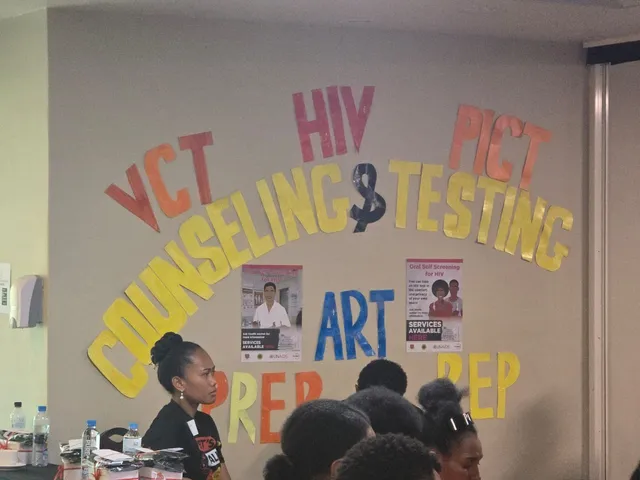
The November 4 workshop, held at Gateway Hotel in Port Moresby, featured interactive learning activities and educational games designed to make HIV awareness more engaging, encourage open discussions and address stigma in workplaces and communities.
Activities included the HIV Emoji Game, HIV transmission simulations, an HIV Emoji Bingo challenge, the Virus In, Virus Out flashcard activity and group discussions.
Participants also attended sessions covering the behaviour and biology of HIV transmission, condom use, self-screening, the human papillomavirus (HPV) vaccine, and the triple elimination of HIV, syphilis and hepatitis B.
The activities provided participants with practical knowledge of HIV transmission, prevention and testing, while equipping workplace representatives with tools to promote awareness among employees.
The full-day programme also featured presentations from health professionals, interactive group exercises and workplace scenarios examining how companies could strengthen their HIV response.
Participants were encouraged to identify practical measures their organisations could adopt, including improving workplace awareness, supporting health champions and creating opportunities for open conversations about HIV prevention and testing.
Coral Sea Hotels sponsored the workshop, with collaborative support from the National Department of Health, UNAIDS, UNICEF and BizPrint.
Wisdom Travels Limited has reaffirmed its commitment to supporting Papua New Guinea's tourism industry, backing calls for stronger partnerships and practical solutions to unlock the country's tourism potential.
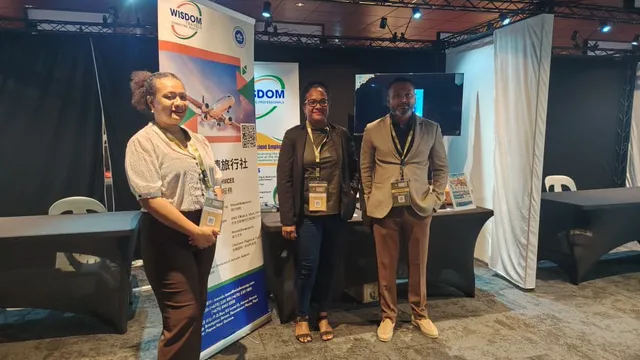
The commitment follows the company's participation in the Papua New Guinea Tourism Summit and Exhibition 2026, held at APEC Haus in Port Moresby on October 13 and 14.
The summit brought together government representatives, tourism operators, airlines and hospitality stakeholders to discuss opportunities and challenges facing the industry and explore ways to strengthen tourism's contribution to national economic growth.
During the summit, Tourism Minister Belden Namah called for a national reset of the tourism industry, identifying high travel costs, limited connectivity, inadequate infrastructure and complicated visa application processes as key challenges.
He emphasised the need for stronger collaboration between government and the private sector to address these issues and make Papua New Guinea a more competitive international tourism destination.
Wisdom Travels supports the call, recognising that a strong and accessible tourism industry is essential to promoting PNG internationally, creating business opportunities and delivering economic benefits to local communities.
As a travel services provider operating in Papua New Guinea, the company said it recognised its role in supporting the industry through quality travel solutions, strategic business partnerships and initiatives encouraging more people to discover the country.
Its participation in the summit demonstrated its commitment to working with industry stakeholders in support of the national tourism agenda.
“We believe tourism has enormous potential to contribute to Papua New Guinea’s economic growth, create employment and provide opportunities for local businesses and communities.
“Participating in the summit was an opportunity for us to demonstrate our support for the industry and connect with stakeholders who share the vision of developing PNG into a stronger and more competitive tourism destination.
“We support the call for greater collaboration to address the challenges affecting travel and tourism. As a company serving the PNG market, we want to contribute through our travel services, partnerships and continued support for initiatives that promote our country.”
Wisdom Travels also highlighted the importance of promoting Papua New Guinea's cultural heritage, diverse natural environment and distinctive visitor experiences to international markets. The company aims to support this effort by creating travel opportunities that showcase PNG as a destination of choice.
Beyond tourism development, Wisdom Travels continues to support local businesses and community initiatives. It recently sponsored travel discount vouchers worth K500 each for the Port Moresby Chamber of Commerce and Industry's PNG Chiefs Meet and Greet event.
The sponsorship reflects the company's commitment to strengthening business relationships, supporting networking opportunities and contributing to activities that bring the business community together.
Wisdom Travels said developing Papua New Guinea's tourism industry required a shared effort by government, businesses and communities. Stronger partnerships, improved travel accessibility and greater promotion of the country's attractions will be essential to building a competitive, sustainable and inclusive industry.
Through its participation in the tourism summit and continued support for business and community initiatives, Wisdom Travels said it remained committed to promoting Papua New Guinea, supporting tourism growth and contributing to opportunities that benefit the country and its people.
By Roselyn Erehe
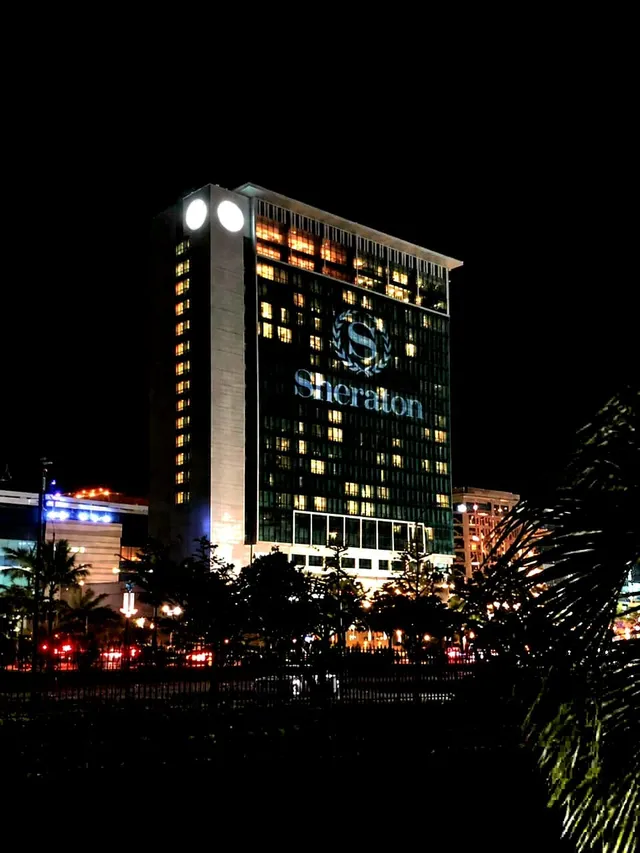
Sheraton Port Moresby Stanley Hotel & Suites has proven it's premium accommodation and international dining experiences to one of Papua New Guinea's largest conference facilities, as a leading destination for business, leisure and international visitors, following its rebranding under the globally recognised Sheraton brand.
Located in the capital city of PNG, Port Moresby, the hotel combines modern accommodation, extensive meeting and event facilities, contemporary dining concepts and personalised guest services, offering an international hospitality experience while retaining its strong local ownership and connection to the country.
With more than 2,500 square metres of event space, including what is promoted as the country's largest ballroom, the property caters to corporate meetings, government functions, international conferences, exhibitions, weddings and private events.
The hotel's accommodation offering includes guest rooms, suites and long-stay apartments, while its recreational facilities, fitness centre, swimming pool, restaurants and access to one of Port Moresby's largest shopping mall, Vsion City which provides additional convenience for both business and leisure travellers.
Dining experience has also been refreshed, featuring Silverleaf, an elevated specialty restaurant offering premium seafood and meats with Mediterranean influences, and Greenhaus, an all-day dining venue featuring live cooking stations, themed buffets, artisan breads and specialty coffee.
Another addition is &More by Sheraton, a café and social hub concept bringing together coffee, casual dining, grab-and-go options and evening drinks. Designed as a gathering place, it allows guests and local patrons to work, meet, relax and socialise in a contemporary setting.
These developments form part of the hotel's transition from The Stanley Hotel & Suites to Sheraton Port Moresby Stanley Hotel & Suites, a strategic partnership between its owner, Rimbunan Hijau (RH) Group, and Marriott International.
Speaking on the transformation, Director of Food & Beverage/Sales & Marketing, Niko Parman, said the partnership was announced in 2024 and culminated in the hotel's relaunch under the Sheraton brand in 2026.
The decision to join Marriott International's global hospitality network was driven by the opportunity to strengthen the hotel's international visibility, attract a wider market of travellers and support the growth of PNG's business and tourism sectors.
Sheraton is one of Marriott International's established hotel brands, providing the property with access to an extensive global reservation, sales and marketing network.
A significant benefit is its inclusion in Marriott Bonvoy, the company's global travel loyalty programme, which connects members to more than 30 hotel brands worldwide.
Through the programme, guests staying at the Port Moresby property can earn and redeem points, access eligible membership privileges, enjoy potential room upgrades subject to availability and receive other benefits associated with their membership level.
The partnership also gives the hotel greater exposure to international corporate travellers, government delegations, multinational companies, development organisations and leisure visitors who often prefer internationally recognised accommodation brands when travelling.
K100 Million Investment And Hotel Transformation
The rebranding has been supported by an investment of approximately K100 million towards refurbishment, improvements and the introduction of Sheraton's contemporary design concepts and guest experiences.
The programme has included refreshed guest rooms, upgraded suites and apartments, renovated lobby and public spaces, modernised restaurants and dining areas, new furniture and finishes, and improvements to the hotel's overall presentation.
A major feature of the transformation is the Sheraton Club Lounge, which provides an enhanced experience for eligible guests and Marriott Bonvoy members. Its facilities include private check-in and check-out, complimentary refreshments, and dedicated space for business and meetings.
The investment also supports improved event facilities, technology integration, staff training and the adoption of Marriott International's operational procedures and international service standards.
Under the Sheraton brand, the hotel is expected to maintain consistent service delivery through staff development programmes, quality assurance, operational reviews and access to Marriott's global reservations and guest support systems.
For conference and event organisers, the international affiliation adds another level of confidence when selecting Port Moresby as a destination for regional and international gatherings.
The hotel can now combine its existing large-scale event facilities with Marriott's event planning standards, corporate booking channels and international brand recognition, strengthening its competitiveness against other country conference destinations such as Brisbane, Cairns, Singapore and Auckland.
Strengthening PNG's Hospitality and Tourism Industry
The Sheraton affiliation strengthens the hotel's ability to compete for corporate travel contracts, government accommodation arrangements, executive long-stay bookings, regional business forums and international conferences.
It also provides PNG with greater exposure through Marriott's worldwide marketing and reservation platforms, Marriott Bonvoy and international travel trade networks.
The rebranding and partnership represents an important development for PNG's hospitality and tourism industry.
Port Moresby remains the country's principal business and government centre, hosting multinational companies, embassies, mining and energy businesses, development agencies and government institutions.
With the country's growing investment, resource and infrastructure activities, the demand for quality accommodation, corporate travel services and international-standard conference facilities continues to provide opportunities for the hospitality sector.
For overseas travellers who may be unfamiliar with PNG, the presence of a recognised international hotel brand can provide greater confidence when considering the country as a destination for business or leisure.
The benefits are also expected to extend to local businesses through increased visitor spending and supply chain opportunities.
As international visitor numbers, accommodation demand and conference activities grow, businesses providing transport, tourism services, restaurants, retail, fresh produce, seafood, food and beverage supplies, laundry, cleaning, maintenance, engineering, furniture and event services could benefit from increased demand.
International conferences and corporate events also generate economic activity beyond the hotel, creating opportunities for local tour operators, transport providers, tourism attractions and other service businesses.
The partnership further provides opportunities for employees through access to Marriott International's global training programmes, professional development systems and operational best practices.
Staff can strengthen their capabilities in guest services, hotel operations, food and beverage management, leadership, revenue management and event coordination.
The experience and training gained through an internationally recognised hospitality brand can also support career progression, including potential opportunities across the wider Marriott network.
While benefiting from international expertise and global marketing reach, the property remains under the ownership of Rimbunan Hijau Group, maintaining its local investment and connection to PNG.
Further Upgrade And New Experience In 2027
Sheraton Port Moresby Stanley Hotel & Suites has outlined further improvements as part of its ongoing commitment to enhancing its facilities and guest experience.
In 2027, the hotel plans to refurbish two floors at a time, alongside improvements to its long-stay apartments, as part of a continued programme to modernise its accommodation offering.
The Monsoon Bar is also scheduled for renovation in February 2027, with plans to transform it into a sports bar, providing another social and entertainment venue for hotel guests and local patrons.
Further improvements are planned for the poolside dining experience, which will feature an Italian wood-fired oven and Mediterranean-inspired food offerings.
The hotel is also looking at creating a social lounge with refreshments for smaller meeting groups, providing an additional space for business discussions, informal meetings and networking.
These developments will complement the existing restaurants, recreational facilities, meeting spaces and social areas while supporting Sheraton's wider approach of positioning its hotels as places where people can connect, work and socialise.
Food and beverage experiences are also expected to continue evolving through seasonal dining events, chef collaborations, wine and beverage programmes, local culinary showcases and expanded catering services.
The hotel's conference and events business will remain an important focus, with opportunities to attract regional business conferences, government summits, international association meetings, corporate incentive programmes and industry exhibitions.
With Marriott's global sales network supporting its market reach, the hotel is better positioned to promote Port Moresby as a destination for international business events and conferences.
Other areas of continued development include technology-enabled meeting spaces, improved business services, flexible work environments and enhanced executive and Club Lounge experiences.
The hotel's longer-term direction also aligns with Marriott International's wider sustainability and responsible hospitality priorities, which include energy efficiency, reducing single-use plastics, sustainable sourcing, community engagement and environmental awareness.
Ongoing investment in workforce development will remain equally important to ensure that improvements to the physical facilities are matched by consistent service quality and professional guest engagement.
Through its global network, the property also has opportunities to participate in destination marketing campaigns, develop travel packages and collaborate with airlines, tourism operators and local attractions to promote PNG to international visitors.
For Sheraton Port Moresby Stanley Hotel & Suites, the transformation represents a long-term investment in accommodation, dining, business events, workforce development and the wider visitor economy, positioning the property to play a stronger role in PNG's growing hospitality and tourism industry.
The quality and international experience is worth it with Sheraton Port Moresby Stanley Hotel & Suites.
END...///
deugro is expanding its local capabilities, strategic partnerships and project resources to meet the long-term logistics requirements of the Papua LNG project while creating opportunities for local participation and skills development in Papua New Guinea.
For nearly two decades, deugro has supported major energy and infrastructure developments across Papua New Guinea.
Since establishing its local presence in 2007, the company has built extensive in-country expertise, developed strong relationships with local suppliers and partners, and delivered project solutions in some of the country's most remote and challenging environments.
A major milestone was deugro's involvement in ExxonMobil's PNG LNG project, where it played a key role in meeting the project's complex logistics requirements.
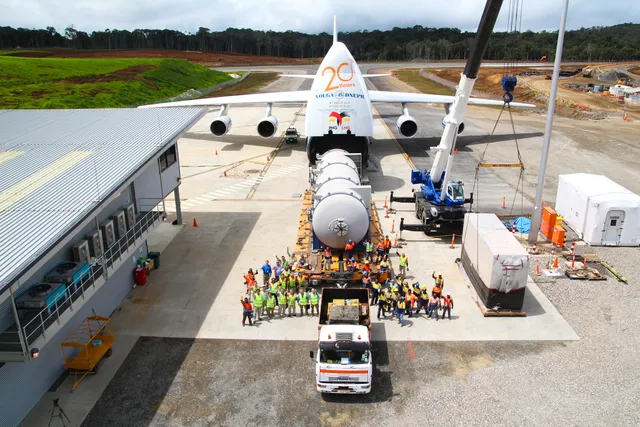
In approximately 105 days, deugro coordinated more than 100 Antonov An-124 flights to deliver critical equipment to the remote project site. The company said the operation remains an unbeaten world record.
The operation also involved specialized heavy-haul equipment, including hydraulic axle lines, trucks, trailers and cargo-handling assets.
deugro said it was the only logistics provider to mobilize such specialized heavy-lift equipment and dedicated personnel into Papua New Guinea, enabling the safe transport of oversized and heavy-lift cargo under extremely demanding conditions.
In total, the company managed and shipped more than 3,000 purchase orders from locations worldwide to Papua New Guinea, representing approximately 300,000 FRT of project cargo.
“Our involvement in ExxonMobil’s PNG LNG Project and our award-winning project solution and performance in support of the Lombrum Infrastructure Project, a major development on Manus Island, Papua New Guinea, have provided us with a clear understanding of the unique logistical, operational, and stakeholder requirements associated with delivering major developments in Papua New Guinea,” said Mark van der Molen, project director for Papua New Guinea at deugro.
“From supporting extremely remote construction sites with limited and sensitive infrastructure, managing large volumes of highly diverse project cargo, and coordinating and training on-site workforces comprising hundreds of personnel and subject matter experts, while maintaining the highest quality, health, safety, environment and security standards, these projects have shaped our approach and established a strong foundation for supporting the Papua LNG Project.”
Building on this experience, deugro is further expanding its capabilities and resources for the Papua LNG project. The company has established three dedicated project entities to provide specialized solutions and support the project's long-term execution requirements.
A key part of this strategy is Purari Project Services Limited (PPSL), a strategic joint venture recently established by deugro and Jerilai Pujari Transport Limited (JPTL), which represents local landowner interests within PRL-15.
Through close collaboration with landowners, PPSL will provide safe marine transportation from Port Moresby to construction sites along the Purari River, aligning the project's logistics requirements with local participation and benefits.
To meet the project's anticipated logistics needs, deugro and its partners will import a substantial fleet of specialized marine equipment designed for safe river transport along the challenging Purari River system.
At the same time, deugro is mobilizing and developing a skilled workforce for various project activities, including marine transportation, yard management, project management and coordination. The company said these efforts will also create opportunities for local participation and skills development.
“Papua New Guinea has been an important part of deugro’s story for nearly two decades,” said Klaus Strahmann, co-CEO of deugro.
“The experience we gained while supporting the PNG LNG project, combined with our established local presence and strong partnerships throughout the country, places us in a unique position to support the Papua LNG development. Through strategic partnerships, investments in specialized equipment and the development of local talent, we are creating a foundation that will help deliver long-term value not only for the project, but also for the communities that will be involved in it.”
From supporting local livelihoods to exploring opportunities for future investment, Harmony is focused on creating lasting value through responsible mining at Hidden Valley.
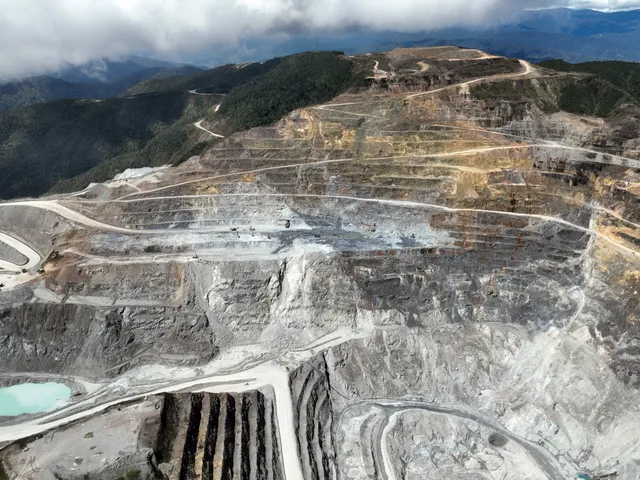
For over two decades, Harmony has been part of Papua New Guinea's (PNG) mining industry through Hidden Valley Mine, an established gold and silver operation in Morobe Province.
During that time, the mine has contributed to employment, local business opportunities, community development, and economic activity, while building relationships with landowners, communities, and government stakeholders.
Today, as Harmony looks towards the next chapter of its operations in PNG, those relationships remain central to its approach.
With approximately 95% of Hidden Valley's workforce comprising Papua New Guinean nationals, the mine's contribution extends beyond mineral production to supporting local capability, economic participation, and opportunities for future generations.
Strengthening partnerships and community participation
An important milestone in 2026 was the finalisation of a revised Community Development Agreement (CDA) for Hidden Valley, building on the Memorandum of Agreement that had guided community development commitments since 2005.
Following extensive consultation and a multi-party review process, the revised agreement was signed by the Hidden Valley Landowners and most other stakeholders in August 2026. The Mineral Resources Authority subsequently directed that the agreement take effect from September 2026, with ongoing engagement supporting its full implementation.
The CDA provides a framework for continued collaboration between government, landowners, and the mine, encompassing community infrastructure, employment and training, local business development, and benefit-sharing arrangements.
It builds on a long history of community investment at Hidden Valley, with initiatives spanning education, healthcare, agriculture, infrastructure, and skills development.
During FY26, Harmony completed 14 community projects and programs, continued delivery of 10 ongoing programs and progressed a further five projects under its existing community development commitments.
These initiatives reflect an ongoing focus on supporting practical outcomes that respond to community priorities and contribute to long-term development.
Creating opportunities beyond mining
One example of this approach is the Portion 8 Agricultural Project near Wau, a long-term initiative designed to support agricultural development, food security, and sustainable livelihoods in the Wau-Waria and Bulolo districts.
The project aims to establish agricultural production, training, and enterprise development opportunities that can continue delivering value beyond the life of the mine.
Significant progress was made during FY26, including the establishment of a coffee nursery and farm infrastructure, beehives to support honey production, four ponds for a proposed tilapia hatchery, and cocoa development activities.
The project also provided employment for 33 casual workers during its establishment phase.
Further development is planned across coffee, vegetables, and other crops, with opportunities to strengthen local agricultural supply chains and access to established markets.
Beyond Portion 8, Hidden Valley continues to support coffee growers through technical assistance, quality improvement, marketing, and capacity-building initiatives, reaching approximately 250 farmers.
Other village-based livelihood programs include honey production, potato farming, and tilapia cultivation, helping communities develop alternative income opportunities and strengthen food security.
Local business participation is another important focus. Harmony works with landowner companies and PNG businesses to build capability, navigate procurement opportunities, and participate in the mine's supply chain.
Investing in community wellbeing
Harmony's community development activities also extend to education, healthcare, and essential infrastructure.
During FY26, health outreach programs reached approximately 2,350 community members, while school health initiatives reached around 1,000 students across eight schools.
Infrastructure investment included improvements to community bridges, maintenance of 9.5 kilometres of community roads, and progress on new facilities, including a health clinic at Kaisenik, a community hall at Biawen, and classrooms at Samuna Primary School.
Through the Hidden Valley Mine Trust, Harmony also supported school fee assistance, educational facilities, and other community-endorsed initiatives.
These investments are intended to improve access to services and education, strengthen local capability, and support community wellbeing.
Responsible mining and environmental stewardship
Alongside its social and economic contribution, Hidden Valley maintains a focus on responsible environmental management throughout the mining lifecycle.
Environmental monitoring, compliance, and operational risk management are supported by established processes covering water, waste rock dumps, tailings, and hazardous materials.
Rehabilitation is also an important part of the mine's approach, with activities such as revegetation trials, native-species nurseries, and erosion management supporting successful rehabilitation outcomes.
Mine closure planning considers the long-term management of landforms, infrastructure, and post-mining land use, with the aim of managing environmental impacts and supporting responsible outcomes beyond operations.
In December 2025, an audit by PNG's Conservation and Environment Protection Authority reported a high level of compliance in key operational risk areas at the Hidden Valley Mine.
Looking ahead: opportunities for continued investment
Harmony is also assessing opportunities to extend the operating life of Hidden Valley and maintain its contribution to PNG's people and economy.
A significant focus is the mine’s proposed Stage 9 development, which has secured an amended environmental permit from the Conservation and Environment Protection Authority and an extension to the mining lease from the Mineral Resources Authority.
Subject to a final internal investment decision and approval by the Harmony board, Stage 9 could extend Hidden Valley's mine life by approximately six years, creating opportunities for continued employment, procurement, and community investment.
The proposed investment would include additional tailings storage capacity, new mobile mining equipment, mining activities, and upgrades to existing site infrastructure, including workshops, warehousing, and accommodation.
An extended operating life could also provide a platform for further exploration and potential development opportunities that could create alternative prospective satellite deposits near Hidden Valley.
While future investment decisions remain subject to the necessary assessments and approvals, Harmony's focus remains on exploring opportunities for responsible growth in PNG.
Through continued investment in people, community partnerships, environmental stewardship, and operational development, Harmony aims to build on Hidden Valley's established foundations and continue making a meaningful contribution to Papua New Guinea's long-term development.
When the power stops, the impact goes far beyond the lights. Equipment stands idle, communications are disrupted and work can come to a halt. For businesses planning their next project or reviewing their backup power, the question is simple: how can we keep operating with greater confidence?
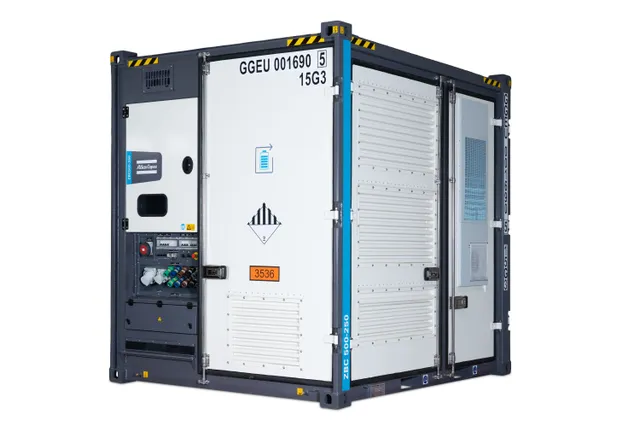
High Arctic is bringing that conversation to Papua New Guinea with Atlas Copco’s ZBP and ZBC battery energy storage systems (BESS). As the authorised distributor of Atlas Copco Power Technique products in PNG, High Arctic provides a local route to battery storage, power generation, sales, rental and aftermarket support.
The message is not that every generator needs replacing. It is that businesses have more options: battery power where it makes sense, generators where they are needed, and intelligent hybrid systems that bring them together.
Stored energy. Practical resilience.
A BESS stores electricity from a generator, the grid or renewable sources such as solar, then supplies it when needed. It can serve as a charged standalone power source or work within a hybrid installation, supporting off-grid operations and supplementing a limited grid supply.
For outage resilience, a properly configured battery system can support selected critical loads while another power source becomes available. Required transfer time, backup duration and battery charge determine the right arrangement—whether the priority is essential communications at a small facility or critical equipment on a larger site.
If you’re subject to an unreliable power sources the ZBP and ZBC battery energy storage system can be configured to provide uninterrupted primary power.
Match the power to the work
Consider a mine site: large motors starting on crushers, conveyors and dewatering pumps can create brief but significant surges, while production demand climbs when processing equipment and workshops run together. The same challenge can arise in a beverage bottling plant or manufacturing facility, where production lines, air compressors and refrigeration compete for power during busy periods. When production slows or equipment stops, demand falls—but generators sized for the busiest periods can remain running inefficiently at lighter loads. Different industries, the same balancing act: enough power for the peaks, without unnecessary fuel use when demand drops.
Battery storage offers another approach. In a suitably designed hybrid system, it can supply low loads and help meet peaks, allowing the generator to operate more efficiently and reducing unnecessary engine hours. That can mean less fuel consumed, fewer servicing requirements and less engine noise during battery-only operation. Atlas Copco cites fuel savings of 30 to 90 per cent and up to 70 per cent fewer generator running hours in hybrid applications, but actual results depend on the load profile, equipment selection and operating strategy.
Atlas Copco’s ECO Controller is built into the ZBP and ZBC ranges. It manages the connected energy sources and monitors power output, helping the system respond as demand changes. The ZBC range can also work with generators from different manufacturers, subject to compatible controls and project design. This opens the possibility of adding battery storage to an existing generator fleet rather than replacing it. Remote control and FleetLink™ telematics, together with integration with third-party monitoring systems, provide further visibility of the power setup.
A conversation for every industry
Battery storage is not reserved for major resource projects. Smaller worksites, local businesses and public facilities can also have power needs that suit a battery-based solution.
Beyond production loads, opportunities include accommodation and support services at mining and oil and gas projects, temporary construction power, peak-demand support at ports, and backup for telecommunications equipment. In commercial and residential buildings where grid reliability is a challenge, battery storage can help keep business activities and everyday life running—from air conditioning, refrigeration and televisions to lighting, communications, security systems and water pumps. A solution can be designed to supply selected circuits or support the wider building, with the loads covered and backup duration determined by system sizing and available battery energy.
An outage is not the only challenge: sometimes the grid connection is available but cannot meet a short period of high demand. A suitably configured ZBC system can act as a buffer, supplementing the available supply during peaks. This approach can support charging electric vehicles and battery-powered machinery—a further application to assess as equipment electrification develops.
Storage can capture solar electricity for later use, extending its value beyond daylight generation. Battery-only operation also avoids engine exhaust at the point of use; overall emissions depend on how the battery is charged.
Explore hybrid power options with High Arctic: battery storage linking generators, renewables and the grid to different users. Illustrative system—not a specific PNG installation.
From kilowatts to megawatts
Atlas Copco’s battery energy storage portfolio extends from the portable ZBP 2000 (2 kVA, 2 kWh) and canopy-style ZBP units from 15 to 150 kVA, to the containerised ZBC range from 250 kVA up to the ZBC 1000-1200, delivering 1 MW of power with 1,200 kWh of energy capacity. For projects requiring more power, up to eight ZBC 1000-1200 units can be connected in parallel to deliver a combined output of up to 8 MW, subject to configuration and operating conditions. Portable and canopy options bring battery power within reach of smaller applications, while the containerised ZBC systems support demanding industrial operations. The range is not simply about scale—it is about choosing the right system for the job.
Power, expressed in kW or MW, describes the loads a system can supply; stored energy, expressed in kWh, helps determine runtime. A smaller operation does not need a megawatt-scale solution, and a high starting load does not tell the whole story. High Arctic can discuss the appropriate model, configuration, PNG availability and delivery timing for each application.
Global technology. A local starting point.
High Arctic’s role goes beyond introducing a new product range. Its established PNG operations, together with support from Atlas Copco’s regional technical specialists, provide a foundation for helping customers select and support practical power solutions in-country.
That discussion starts with practical details: what must keep running, how demand changes through the day, existing generators or grid connections, and any plans for solar. Together, these establish where battery storage can add value.
High Arctic is opening a wider conversation about battery power in PNG—from smaller everyday applications to major industrial projects. The aim is practical: help businesses find a better way to keep working and manage their energy needs.
What needs to keep running when your power supply cannot keep up? Talk to High Arctic about Atlas Copco ZBP and ZBC battery energy storage and hybrid power options for your PNG operation.
Papua New Guinea’s infrastructure needs are diverse. Projects range from rural health facilities and schools to mining camps, aviation facilities and commercial developments. Many must be delivered across difficult terrain, over long distances and within demanding schedules.
PNG Forest Products (PNGFP) brings design, engineering, manufacturing and construction together, helping clients take projects from initial planning through to completion on site.
PNGFP has operated continuously in Papua New Guinea since 1952. From its base in Bulolo, the company has developed an integrated operation linking plantation-grown timber, engineered wood products, hydroelectric power and project delivery. It has supplied well in excess of 10,000 buildings and constructed more than 2,000 across Papua New Guinea and the South Pacific, while employing over 1,500 Papua New Guineans.
Its projects span the mining and resources, health, education, aviation, government, commercial and industrial sectors. NiuHomes' positioning, "Built for Every Sector," reflects this breadth.
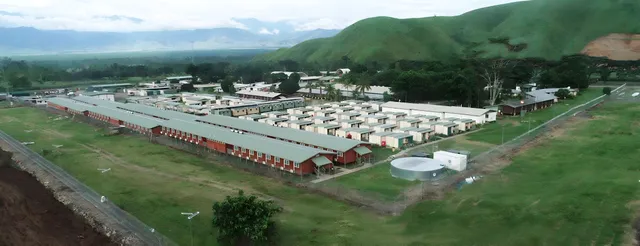
In Morobe, its projects include K92 Mining's accommodation, mess, community affairs, training and clinic facilities at Kumian Camp, and Santos' Utchiap accommodation camp in Markham. Elsewhere, PNGFP supplied an 800-room camp and delivered and constructed 160 executive units at Hidden Valley. It also built more than 500 mining accommodation dwellings and provided over 600 relocation and community houses on Lihir, supplied accommodation units for 500 Oil Search staff in the Southern Highlands, and provided a 300-person camp for Ok Tedi.
One partner, every stage
PNGFP offers design and engineering, manufacturing and prefabrication, logistics and remote transport, site construction, project management and commissioning support. Prefabrication can reduce the amount of work required on site, while in-house detailing and quality assurance help maintain control from factory production through installation. Projects can also provide opportunities for local stakeholders and landowner groups to participate in construction.
The company's construction division has made a substantial contribution to rural health infrastructure. Its hospital and health facility projects include Bulolo Hospital, Laiagam District Hospital, Umba Community Health Centre, Gloucester Health Centre, Mutzing Hospital and Soroken Health Centre in Buka, which has been completed and handed over.
At Gloucester, PNGFP delivered a complex public health project under the Asian Development Bank-funded Health Services Sector Development Program. The development comprised 27 buildings across 16 infrastructure types, including outpatient and emergency services, maternity and inpatient wards, staff housing and utility buildings. PNGFP's work covered supply and prefabrication, remote transport, civil works, structural construction and commissioning.
A new steel system made in Bulolo
PNGFP's manufacturing capabilities now extend beyond timber. Alongside structural steel and reinforced concrete work on aviation and commercial developments, the company has established a dedicated range of steel kit buildings and infrastructure products at Bulolo.
Newly installed FRAMECAD light-gauge steel framing technology and roll-forming machinery produce steel wall and roof framing, as well as roofing and cladding profiles. These include corrugated and trapezoidal roof sheeting, rib-panel cladding, C-purlins, gutters, fascia, ridge capping and steel weatherboards. The products have been available from Bulolo since mid-October 2026.
The new production line represents a significant investment in modern manufacturing equipment and standards, which PNGFP says it is proud to have established in Bulolo. Local production gives clients another option to reduce reliance on imported components, shorten freight lead times and retain more project value in Papua New Guinea.
PNGFP's Bulolo manufacturing facility draws all its electricity from hydroelectric power generated at the company's own hydro power stations. PNGFP says it is the only manufacturing facility in Papua New Guinea whose electricity supply is 100 percent hydroelectric. The company has 26 megawatts of installed hydro capacity at Bulolo and can supply up to 22 megawatts to PNG Power's Ramu Grid, representing more than 25 percent of the grid's total power output.
NiuHomes for home buyers
For home buyers, NiuHomes offers designs developed for Papua New Guinean conditions. The same home designs are available in either timber or steel construction systems. PNGFP says it is the only company in the country offering both options, allowing buyers to choose the system that best suits their needs without compromising on their preferred design.
Timber remains central to PNGFP's capabilities. For construction, modular bridges and bridge decking, the company's pine timber and plywood are preservative pressure-treated to protect against termites, fungal decay and rot and support long service life.
PNGFP's engineered wood products are manufactured under the product certification schemes of the Engineered Wood Products Association of Australasia (EWPAA). The company also holds chain-of-custody certification from the Programme for the Endorsement of Forest Certification (PEFC), which tracks wood through the supply chain. PNGFP says its PEFC certification is unique in Papua New Guinea and reflects its longstanding commitment to sustainable forest management.
Together, PNGFP's timber and steel systems give clients the flexibility to select the appropriate option for each project, supported by local manufacturing and established design, engineering and construction expertise.
From rural health facilities and resource-sector camps to schools, commercial buildings and family homes, PNGFP is using local resources and skills to help build infrastructure for Papua New Guinea.
After 25 years of building and operating in hard-to-reach places, from Papua New Guinea to Guyana and Sakhalin Island, the company has outgrown the word “Constructors”.
In October 2026, Pacific Rim Constructors became PACRIM. Founded in 2001, the company built its business delivering construction and infrastructure in places across the globe where access, climate and logistics could be as demanding as the building work itself. Since then, its work has grown to include procurement and logistics, hospitality, property & facility management and equipment. Its experience now extends across six continents, supporting governments, resource companies and industrial organisations. The new name brings those five services under one identity.
PACRIM has operated in Papua New Guinea since 2009, primarily supporting clients in the resources and industrial sectors. Its project work includes modular construction, civil works and specialist upgrades. Alongside this, the company provides ongoing property and facility management and operational support, covering technical maintenance, workplace support and hospitality services.
Beyond Papua New Guinea, its international portfolio includes the development of a major shore supply base in Georgetown, Guyana, where the company worked with consortium partners to design, engineer, construct and operate the facility. The scope combined berths, roads, warehousing and supporting infrastructure with operational services including fuel supply and waste management.
On Sakhalin Island, PACRIM renovated and expanded a workforce camp to accommodate 1,560 people. The project included nine fabric warehouses and new water and sewage treatment plants, with the company subsequently taking responsibility for facility management, maintenance and catering.
Connecting construction and operations
Construction decisions have consequences throughout a facility’s working life. Equipment selection, maintenance access and the design of utilities all influence its reliability and cost of operation. PACRIM brings an operator’s perspective to those decisions, drawing on its experience managing and maintaining facilities.
For clients, this provides the option of an integrated service package, connecting design and construction with ongoing management and operation. PACRIM can coordinate those services within an agreed scope, giving clients a clear point of responsibility for delivery.
Protecting property value and investment returns
PACRIM’s property and facility management offering focuses on protecting the client’s return on investment while meeting the needs of tenants and occupants.
Property management connects the owner’s objectives with the day-to-day management of the property and its tenant relationships. Responsive service, careful oversight of income and expenditure, and informed decisions about improvements support occupancy, tenant retention and the property’s long-term appeal.
Facility management supports these objectives by keeping buildings, utilities and essential services functioning reliably. Planned maintenance and capital planning help owners anticipate costs, prioritise work and reduce the risk of disruptive failures.
PACRIM’s construction capability complements this work through the delivery of refurbishment, alterations and infrastructure upgrades.
Quality, safety and accountability
PACRIM maintains ISO 9001 certification for quality management and ISO 45001 certification for occupational health and safety. These reflect its commitment to the highest standards of safety and quality across its entire business.
“Quality isn't simply about meeting a specification or holding a certificate. It's reflected in the standard of the work, the way it's managed and the consistency of what we deliver. Ultimately, that's what clients judge us on,” says Ian Parkinson, PACRIM’s General Manager.
PACRIM delivers the majority of its work directly and brings in specialist partners where needed. In either case, it retains responsibility for managing the work and its outcome.
He also points to the relationships behind the company’s work in Papua New Guinea:
“PNG has been part of our business for 17 years. The people, businesses and communities we’ve worked with have played an important part in that history. We value those relationships and recognise our responsibility to contribute positively to the communities in which we operate.”
As Papua New Guinea enters its next phase of development, PACRIM is committed to playing its part. It brings its international experience and established relationships to the work ahead, from delivering new projects to keeping operations and assets performing for the long term.
Safety remains a central priority in Papua New Guinea’s maritime sector, where the challenge extends beyond regulatory compliance to maintaining consistent operational discipline across a geographically dispersed and demanding environment.
Against this backdrop, JJ Ship Equip Agencies Ltd (JJSEA) has positioned itself as a support partner focused on improving safety outcomes through responsive service and technical coordination.
JJSEA describes its role as “practical and enabling”. While it is not a regulator, the company supports operators in maintaining safer, more compliant vessels.
In PNG, maritime safety challenges are shaped by operating conditions such as ageing equipment, delays in obtaining replacement parts, pressure to meet turnaround times and difficulties maintaining consistent standards in remote locations.
“Our role is to help reduce those pressures by making compliant equipment, responsive support and practical technical coordination more accessible,” the company said.
“Safety improves when operators can get the right support quickly, before a small issue becomes a major operational or compliance problem.”
This approach reflects the view that vessel support must extend beyond equipment supply. JJSEA focuses on helping operators access the documentation, servicing and technical coordination needed to maintain safe operations.
In a country where shipping underpins trade and access to remote communities, maintaining these standards has implications across the wider economy.
The company supports vessel safety through a range of safety-critical equipment and services, including lifesaving and firefighting equipment, personal protective equipment, deck and mooring gear, navigation and communication items, and sourcing of critical components.
However, JJSEA emphasises that “just as important as the product itself is the standard behind it.”
It works with reputable suppliers, verifies specifications, provides certification and ensures supplies meet vessels' operational and compliance requirements. When necessary, it coordinates with authorised service providers and technical partners, treating safety as a structured process rather than a routine transaction.
The value of this support is particularly evident in time-sensitive situations. When operators identify deficiencies before inspections or departures, such as expired safety equipment or non-compliant components, JJSEA seeks to shorten the time between identifying a problem and resolving it.
“Our support helps by shortening the time between identification of the issue and practical resolution,” the company said, citing rapid sourcing, coordinated delivery and ensuring the necessary documentation is in place.
This also helps reduce risks by improving preparedness and addressing deficiencies before they escalate.
Supporting compliance and preparedness
JJSEA also assists operators in aligning equipment and operational requirements with applicable standards. Its support includes providing documentation and supplier traceability for audits and inspections.
The company works with operators in their dealings with authorities such as the National Maritime Safety Authority, as well as classification societies and technical partners.
“Our role is not to replace those authorities, but to help clients engage with them more effectively and prepare properly,” JJSEA said, adding that the objective is to improve inspection readiness and address compliance gaps efficiently.
Safety expectations across the maritime sector are also rising, with greater emphasis on traceability, documentation, equipment quality, preventive maintenance and technical reliability.
JJSEA has observed “a clear shift toward higher expectations in traceability, documentation, equipment quality, preventive maintenance and technical reliability.”
In response, it has strengthened supplier selection, improved documentation standards and enhanced technical coordination. These efforts reflect a wider industry trend in which dependable support services are becoming increasingly important to maintaining safety standards.
Local presence and operational support
A local presence remains an advantage in addressing PNG's maritime challenges. Safety-related issues are often influenced by provincial access, weather, infrastructure constraints and tight operating schedules.
“A locally based company brings speed, practical understanding and accountability,” JJSEA said, noting that local knowledge supports faster decisions, more realistic planning and better communication.
This proximity helps the company respond to operational and safety issues as they arise.
Communication and follow-up are also central to its approach. JJSEA works closely with vessel masters, engineers and operations teams to clarify requirements from the outset.
“We ask the right questions early, confirm specifications, clarify urgency, and follow up after supply or coordination is completed,” the company said.
This process helps prevent avoidable problems caused by incomplete information or delayed action, reinforcing the importance of follow-up in safety assurance.
Although JJSEA does not publish specific safety performance metrics, it said its contribution lies in providing consistent and reliable support across its client base through access to compliant equipment, technical coordination and timely resolution of issues.
Looking ahead, the company plans to strengthen its compliant safety support, improve documentation and technical follow-through, expand partnerships with credible service providers and enhance responsiveness, particularly in provincial and time-sensitive operations.
As safety expectations continue to rise, JJSEA aims to ensure maritime operators have access to dependable, locally based support.
In a sector where safety and operational performance are closely linked, JJ Ship Equip Agencies focuses on supporting the systems, standards and day-to-day practices that help keep vessels, cargo and people moving safely across Papua New Guinea.
Much of the work required to keep mining and industrial facilities operating takes place behind the scenes. From installing scaffolding in underground tunnels to protecting steel structures against corrosion, these tasks require specialized skills, engineering expertise and strict safety procedures.
For EPC Group, an industrial services contractor founded in New Caledonia, Papua New Guinea offers an opportunity to bring nearly four decades of regional experience to a market supported by mining, energy and infrastructure development.
The company is positioning itself as a local provider of access solutions, maintenance and protective services, targeting industries where the safe upkeep of facilities and equipment is essential to uninterrupted operations.
Founded in New Caledonia in 1989, EPC Group expanded into industrial services in 2004, initially providing access solutions for mining sites and industrial facilities. It later broadened its services to include industrial painting, corrosion protection and rope access work.
EPC established its Papua New Guinea operations toward the end of 2024, with significant activities beginning in March 2026. Since then, it has employed about 30 Papua New Guinean workers, mainly scaffolders and industrial painters, as it develops the workforce needed to support its local operations.
Its services in the country include scaffolding installation, industrial painting, protective coatings, rope access, containment and building renovation.
Underground test at K92
A scaffolding assignment for K92 demonstrated the technical demands of EPC's work in Papua New Guinea.
In a company communication issued in May 2026, EPC highlighted its scaffolding work under challenging underground conditions, describing the assignment as a significant operational and safety challenge.
A key requirement was strict compliance with engineering drawings and calculation notes to ensure the scaffolding's structural integrity. The company said even minor deviations from approved specifications could compromise the structure.
Coordination also proved challenging. Several companies were involved in the assignment, and their activities depended on one another. EPC had to ensure that work was properly sequenced to avoid disrupting other contractors' operations.
The underground environment added to the complexity. Restricted access, confined work areas and the need to operate alongside ongoing mining activities required experienced personnel and consistent compliance with safety procedures.
EPC said underground assignments require teams capable of maintaining discipline and delivering reliable performance despite difficult working conditions.
The K92 project highlights the role of specialist contractors in mining operations, where temporary structures such as scaffolding provide safe access to equipment and infrastructure that require maintenance or repair.
Beyond access solutions
Scaffolding is only one part of EPC's industrial services portfolio.
The company also provides industrial painting and corrosion protection, including surface preparation, sandblasting and the application of specialized coatings to protect equipment and infrastructure from deterioration.
Its rope access teams conduct maintenance, inspections and repairs in elevated or hard-to-reach locations. EPC also provides containment systems to protect surrounding work areas and minimize disruption during industrial work.
Together, these services cover several stages of industrial asset maintenance, from providing temporary access for repairs to protecting structures against corrosion and extending their service life.
For mining and industrial operators, engaging contractors that offer complementary services can streamline maintenance activities and reduce the need to hire multiple specialist providers.
Developing a local workforce
EPC's expansion into Papua New Guinea forms part of its wider Pacific operations, which also include French Polynesia. The group is drawing on its experience in New Caledonia as it seeks to strengthen its presence in regional industrial and construction markets.
Its initial employment of about 30 Papua New Guinean scaffolders and painters reflects its efforts to develop local operations.
For specialist contractors in Papua New Guinea, the challenge is not simply securing projects but also building a workforce with the technical skills required in industrial environments, where safety and work quality are critical.
EPC said it aims to equip local workers with the skills needed to meet national and international standards, particularly in specialized trades such as scaffolding, industrial painting and rope access.
For a country with an established mining industry and a pipeline of energy and infrastructure projects, these capabilities support an important but often overlooked part of the industrial supply chain.
EPC's long-term prospects will depend on its ability to translate its regional experience into sustained local operations, expand its skilled workforce and establish a track record among Papua New Guinea's mining, energy and construction operators.
The selection reflects the particularly corrosive conditions of the project site on Lihir, where sulphur emissions from wellheads and salt spray from the ocean present significant challenges for building materials. In this environment, the additional robustness of Ready Box’s 3 mm plate steel makes it a suitable choice for the project’s requirements.
Experience Matters
The building system is only one consideration when selecting a supplier for a complex resource sector project.
Ark first entered the PNG resource sector market in 2010 with the delivery of a 1,000-person, multi-storey accommodation complex and support buildings for the Exxon Mobil LNG camp. It has delivered a variety of buildings on Lihir since 2017 and continues to supply facilities to other major resource-sector operators in PNG, including New Porgera Limited and K92.
Ruka says the growth of Ark’s business in PNG over a 15-year period, as well as the repeat purchase behaviour of its resource sector clients, is testimony of the superior quality of Ark’s products over others in the prefabricated market. “Our success is also indicative of the value clients place on our construction experience here in PNG, as well the relationships we build with them, and our understanding of local site conditions.”
Cost Effective
Ark’s two building systems give resource-sector developers the flexibility to select a solution that best suits their operational needs, environmental conditions and budgets.
Although Ready Box has a higher upfront manufacturing cost than Ark’s Flat Pack alternative, its overall cost advantage becomes clearer when the entire project lifecycle is considered.
Traditional on-site construction activities associated with assembling and completing buildings can require additional labour, equipment, supervision and time. In remote locations, these requirements can be particularly expensive and difficult to coordinate.
Because Ready Box buildings arrive complete and can be made operational much sooner, they reduce the amount of work required on site and allow facilities to be brought into service faster. When these savings are considered alongside the reduced time needed to establish operational facilities, the overall project cost can be lower than Flat Pack buildings despite the higher initial building price.
As mining operators face declining ore grades, rising energy costs and increasing pressure to reduce resource consumption, the economics of grinding have become a growing focus across the minerals processing industry.
To help address these challenges, Weir has launched the ENDURON® Optimil vertical stirred mill, designed to improve the economics of modern grinding circuits.
"Mining companies are under increasing pressure to improve productivity while reducing energy consumption, water use and operating costs," said Ralf Hesemann, Weir Managing Director, Vertical Stirred Mills.
"By taking a fresh approach to vertical stirred mill design, we've created a solution focused on the practical demands of modern processing operations, from media consumption and maintenance requirements to long-term cost of ownership."
At the heart of the technology is a proprietary grinding mechanism and media solution designed to improve energy efficiency and extend wear life. The use of ceramic grinding media also provides the potential to reduce grinding media costs.
Developed for a wide range of grinding applications, the ENDURON® Optimil vertical stirred mill is designed to reduce planned maintenance frequency and downtime, improve plant availability and integrate effectively within modern comminution circuits.
Beyond the direct operational benefits, the ENDURON® Optimil vertical stirred mill can support broader sustainability objectives by helping reduce the energy and resource intensity of grinding.
"The launch of the ENDURON Optimil vertical stirred mill marks an important step for Weir, bringing our stirred milling expertise together with our broader comminution capability. We developed the mill from first principles, drawing on the expertise of world-class stirred milling resources and using customer needs and feedback to shape the design," said Stuart Hayton, Weir Vice President, Comminution.
"When combined with ENDURON HPGR technology, the ENDURON Optimil vertical stirred mill can deliver energy savings of more than 40% compared with traditional grinding technologies, demonstrating the potential to fundamentally improve the economics of mineral processing."
"The response from customers has been extremely encouraging. Within the first 12 months of development and market introduction, we secured orders for 10 ENDURON Optimil vertical stirred mills across the product range."
"Equipment performance is only part of the equation. Customers also need a partner that can support them throughout the life of their operation. With local service centres, global comminution expertise and a strong aftermarket support network, Weir works closely with customers to optimise performance, reduce downtime and maximise long-term value."
The launch further expands Weir's ENDURON® comminution portfolio and reinforces the company's commitment to developing technologies that help customers improve productivity, reduce resource intensity and enhance long-term operating performance.
Weir is a global leader in mining technology with a clear purpose to enable smart, efficient and sustainable mining.
With more than 150 years of innovation, Weir develops highly engineered mining equipment and digital solutions that help customers improve productivity by moving less rock, using less energy, using water wisely and creating less waste while lowering their total cost of ownership.
The company is well positioned to benefit from long-term structural trends that support demand for its technologies, including the growing need for critical minerals to support economic development and the transition to renewable energy, as well as the drive to decarbonise resource extraction.
Weir has a presence in every major mining region of the world, with around 12,000 employees operating in more than 50 countries.
Swire Shipping has announced that its specialist project and heavy lift cargo business, Swire Projects, will be fully integrated under the Swire Shipping brand in November, bringing together the company’s maritime transport offerings under a single, globally recognised identity while reinforcing its commitment to customers in the project and heavy lift sectors.
As part of this strategic development, Swire Shipping also announced the acquisition of four of the six multipurpose heavy lift vessels currently operated by Swire Projects under lease arrangements with Nordic Project & Finance. In addition, the company has committed to chartering the remaining two vessels for a further two years, ensuring continued capacity and service continuity for customers while providing long-term fleet stability.
The move reflects the evolution of Swire Projects as a core part of Swire Shipping’s operations and supports a more unified market presence, enhanced customer experience and stronger alignment across the company’s commercial and operational activities.
“The integration of Swire Projects into the Swire Shipping brand marks an important milestone in our growth journey,” said Namir Khanbabi, General Manager, Projects, Swire Shipping, “Over the last six years, Swire Projects has built a strong reputation in the project and heavy lift cargo sector, handling some of the world’s most complex and demanding shipments. Bringing these capabilities fully under the Swire Shipping brand strengthens our market proposition and enables closer integration with our liner shipping and landside logistics services, allowing us to deliver seamless end-to-end solutions for customers in the Asia Pacific.”
The acquisition of four multipurpose heavy lift vessels and extension of charter arrangements for the remaining two vessels represents a significant investment in Swire Shipping’s fleet. This enhances the company’s ability to deliver reliable, long-term transportation solutions for customers across industries including renewables, mining, construction and infrastructure, oil and gas, power generation, and marine and offshore.
“This investment demonstrates our confidence in the project and heavy lift cargo market and our long-term commitment to serving customers with dedicated, high-quality tonnage,” said Mark Celenk, Chief Operating Officer, Swire Shipping. “By securing ownership of four vessels and extending access to the remaining two, we are strengthening our operational flexibility while maintaining the specialised capabilities our customers rely upon.”
Swire Shipping confirmed that there will be no disruption to existing services as a result of the brand integration. Swire Shipping retains its ABS Quality Evaluations certifications for ISO 9001:2015 Quality Management, ISO 14001:2015 Environmental Management and ISO 45001:2018 Occupational Health Safety Management for its specialist project and heavy lift cargo business, a testament to the company’s commitment to the highest standards in the areas of quality, risk, safety, and sustainability.
The brand transition will be implemented over the coming months, with all project and heavy lift cargo shipping activities, including its project engineering services, operating under the Swire Shipping name.
Follow on LinkedIn:
PNG Business News
Be the "First" to get our exclusive Digital Magazine & Weekly Newsletter.