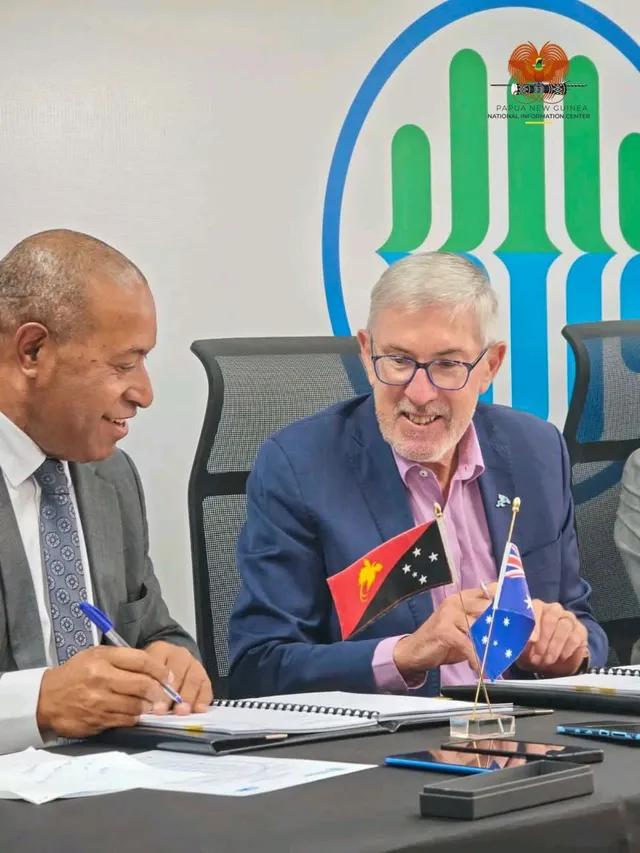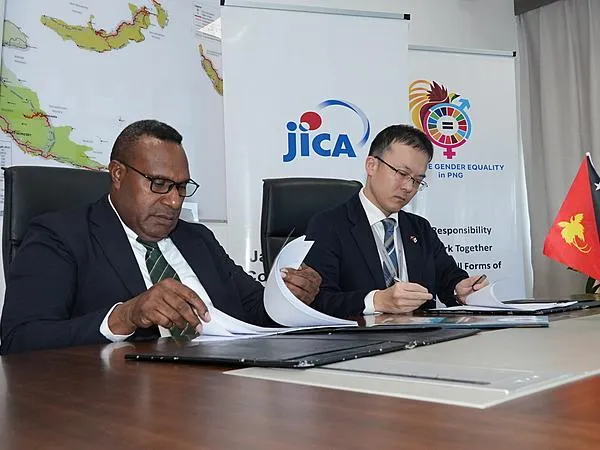
The National Superannuation Fund (Nasfund) has signed the PNG Empower Finance Code alongside the Bank of Papua New Guinea (BPNG) and 14 other financial-sector institutions, establishing a unified industry approach to combating financial abuse, coercion and product misuse in Papua New Guinea.
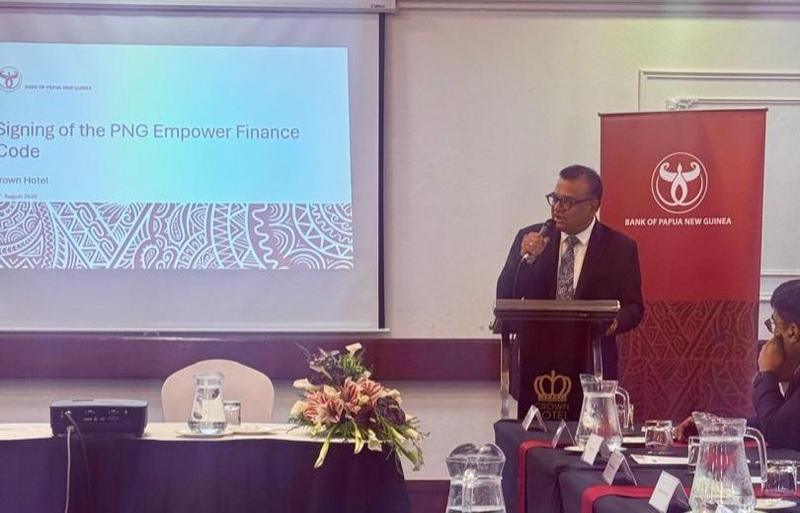
The code was signed at the Crown Hotel in Port Moresby, marking a coordinated effort by the financial sector to address domestic and family-related financial abuse as a systemic financial risk.
The framework is described as the first central bank-led initiative globally in which a regulator and commercial financial institutions have co-designed a voluntary industry code to address financial abuse.
For workers across Papua New Guinea, superannuation balances can represent their largest accumulated financial asset, making members particularly vulnerable when life events, unemployment claims or retirement payouts occur.
Speaking at the signing ceremony, Nasfund Chief Executive Officer Rajeev Sharma warned that rapid digital transformation, while improving convenience and access, has also created new vulnerabilities that the financial sector must address.
“Years ago, transactions required personal visits to branches and physical signatures, which naturally made impersonation difficult. Today, member interactions take place across mobile channels, emails and self-service portals. While this delivers speed, it also creates faceless interactions,” Sharma said.
He said digital channels can create opportunities for unauthorised parties to pressure vulnerable contributors, intercept one-time passwords or redirect payout accounts.
“Modernisation cannot come at the cost of personal safety,” he said.
Sharma also highlighted the risk of financial abuse within families, noting that cultural expectations around supporting relatives can sometimes blur the line between family assistance and coercion.
“In Papua New Guinea, looking after family is second nature, but there is a clear boundary between cultural care under the wantok system and being coerced out of your life savings,” he said.
He added that some members may experience persistent financial pressure without recognising it as financial abuse.
Sharma said Nasfund’s fiduciary responsibility extends beyond managing members’ savings and delivering investment returns to ensuring members retain control over their funds.
“Our fiduciary duty goes far beyond posting annual interest; it extends to ensuring that our members genuinely retain control over their own money,” he said.
He said the financial sector’s decision to work collectively under the leadership of BPNG Governor Elizabeth Genia would help close gaps that allow coerced funds to move between institutions undetected.
“No single institution can stamp out financial exploitation in isolation,” Sharma said.
The signing positions Nasfund alongside BPNG and other financial-sector participants in developing a coordinated response to financial abuse, while recognising the growing risks associated with digital financial services.