Pacific Tourism Organisation (SPTO) chief executive officer Christopher Cocker has called for stronger regional collaboration, sustainable tourism practices and greater investment to position Papua New Guinea and the wider Pacific as competitive tourism destinations.
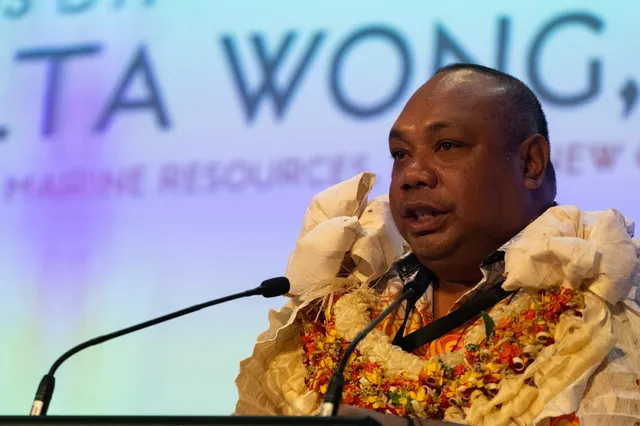
Speaking at the PNG Tourism Summit and Trade Exhibition on 13 October 2026, Cocker said PNG had significant potential to strengthen its position in the regional tourism industry through its rich cultural heritage, biodiversity and unique visitor experiences.
He congratulated the PNG Tourism Promotion Authority (TPA) for bringing together the country’s tourism stakeholders under the theme Research for Success: Harnessing PNG’s Tourism and Hospitality Potential, the Hub of the Pacific.
Cocker said PNG was an important player in the future of Pacific tourism, ranking as the region’s fifth-largest destination by visitor arrivals in 2025.
“Papua New Guinea has enormous potential to strengthen its position as a leading destination and as an important tourism hub for our region,” he said.
He acknowledged the support of the PNG Government, the country’s people, TPA and local tourism stakeholders for SPTO’s work to promote tourism development across the Pacific.
Cocker said Pacific destinations shared common opportunities and challenges, including improving transport connectivity, attracting investment, embracing digital transformation and building resilience to climate change.
He stressed that closer cooperation among Pacific countries was essential to sharing knowledge, strengthening tourism workforces, connecting markets and creating greater opportunities for local communities.
“At SPTO, we believe that the future of Pacific tourism is stronger when we work together, sharing knowledge, connecting our markets, strengthening our people, and creating opportunities for our destinations and communities,” he said.

Through collective efforts, the region could build a tourism industry that was better connected, more resilient, sustainable and inclusive.
Cocker also highlighted the importance of responsible tourism management in maintaining the region’s competitiveness while mitigating the effects of climate change.
He said tourism performance should not be measured solely by visitor numbers but also by the industry’s long-term contributions to communities and the environment.
“Ultimately, tourism success in the Pacific should be measured not only by the number of visitors we receive, but by the legacy we leave behind,” he said.
Cocker emphasised the need for destinations to prepare for potential risks, adapt to changing conditions and recover quickly from crises while continuing to deliver benefits to residents and visitors.
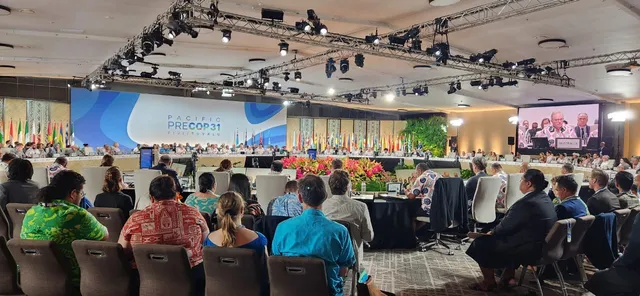
He encouraged participants at the 2026 summit and trade exhibition to use the gathering to forge partnerships, exchange ideas and develop practical solutions to advance tourism across the Pacific.
He wished the PNG Tourism Summit and Trade Exhibition 2026 success, reaffirming the importance of regional cooperation in building a stronger, more sustainable tourism industry.