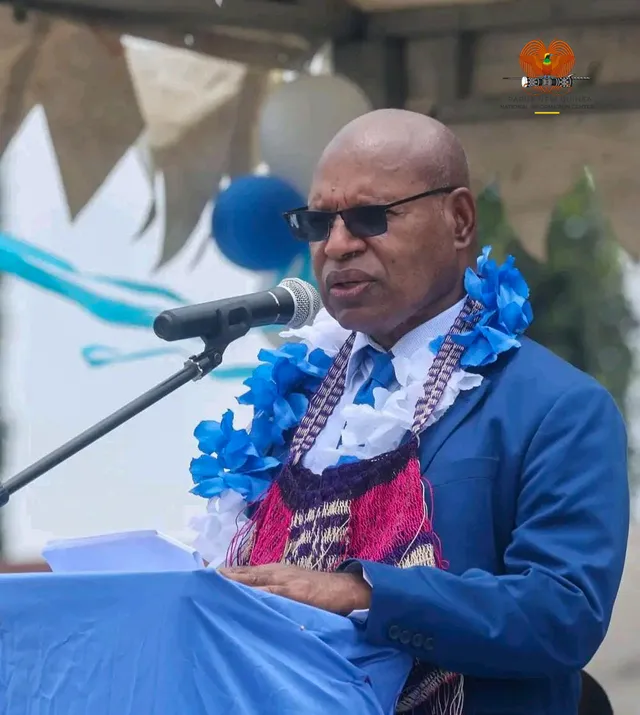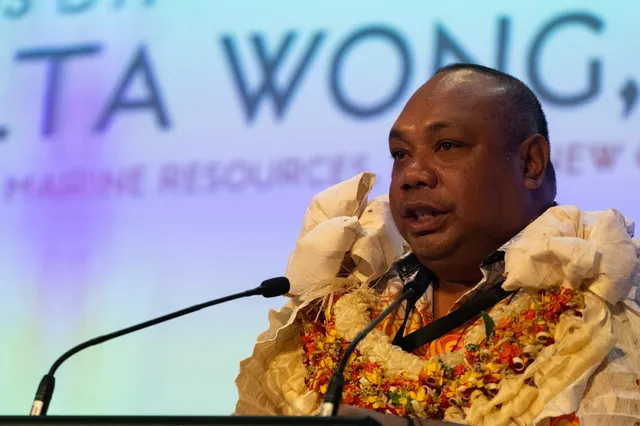
Mineral Resources Development Company (MRDC) managing director and chief executive officer Augustine Mano has called for greater investment in Papua New Guinea’s tourism industry, saying the country’s natural environment, cultural heritage and biodiversity offer significant opportunities to diversify the economy beyond oil, gas and mining.
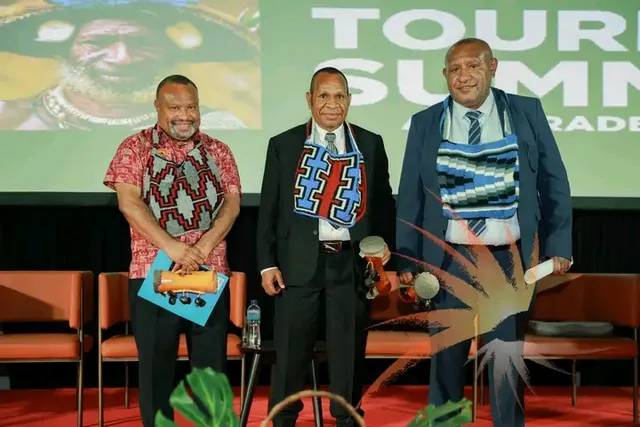
Speaking at the PNG Tourism Summit 2026 on 13 October, Mano said tourism could become a major driver of economic growth, regional development and long-term prosperity with coordinated investment from the Government, private sector and development partners.
He said PNG had spent decades generating national income from mineral and petroleum resources but must also recognise the economic value of its natural and cultural assets.
“Today we are here to talk about the enormous wealth that lies above the ground. Not a wealth measured only in financial dividends, but one whose value to our nation extends far beyond what can be measured in money,” Mano said.
He identified the country’s people, cultures, rainforests, landscapes, biodiversity and artistic traditions as valuable assets whose economic potential remained largely untapped.
Tourism, he said, created opportunities across multiple industries, benefiting farmers, fishermen, transport operators, artisans, performers, airlines, restaurants and small businesses while generating foreign exchange.
In 2025, travel and tourism contributed almost US$11.6 trillion to the global economy and supported 366 million jobs, representing nearly 10 per cent of global economic activity and almost one in every nine jobs, he said.
“Tourism is one of Papua New Guinea’s greatest opportunities for economic diversification, regional development and long-term prosperity,” Mano said.
MRDC advances tourism investment
Mano said MRDC had committed to investing in tourism to demonstrate the sector’s potential contribution to the national economy.
PNG needed to look beyond the resources beneath its land and recognise the long-term value of its people, culture and natural environment.
“If we develop this asset responsibly, they can contribute to our nation’s prosperity for generations to come. At MRDC, we have taken the first step and now I invite you to join us,” he said.
He acknowledged that investing in tourism before demand was fully established carried commercial risks but said MRDC believed the long-term economic benefits justified the commitment.
As part of its investment programme, MRDC had supported tourism development, with the projects expected to accommodate business and leisure travellers while creating opportunities for surrounding communities and local enterprises.
He also highlighted MRDC’s investment in PNG Air Ltd as part of efforts to improve domestic connectivity and support tourism growth. The airline had recorded an on-time performance rate of 86 per cent and a cancellation rate of 3 per cent, according to Mano.
He said MRDC’s tourism investments reflected its responsibility to ensure that wealth generated from natural resources created economic opportunities that would endure beyond the lifespan of individual oil, gas and mining projects.
Biodiversity offers untapped economic opportunities
PNG’s diverse ecosystems, spanning the highlands, rainforests, river systems and coral reefs, offered opportunities for scientific research, conservation and nature-based tourism.
Mano stressed that tourism development must protect the natural environment rather than exploit it unsustainably. Forests, protected water catchments and carbon stores provide environmental benefits, while natural habitats support wildlife and healthy marine ecosystems sustain fisheries and coastal communities.
“Unlike the minerals we extract from the earth, our forests, our wildlife, our cultures and our natural landscapes can continue generating economic opportunities for generations, provided we have the wisdom to protect them,” he said.
Mano said conservation must therefore be central to PNG’s tourism strategy, as the loss of species and ecosystems could have lasting environmental, cultural and economic consequences.
He also highlighted traditional carving, painting, pottery, weaving, architecture, dance, music and storytelling as important expressions of the country’s identity.
While established events such as the Goroka and Mount Hagen cultural shows demonstrated the international appeal of PNG’s traditions, Mano said more opportunities should be created for contemporary musicians, filmmakers, visual artists, dancers and designers.
Tourism could connect these creative practitioners with international audiences and create markets for their work, strengthening the country’s creative industries.
He stressed that cultural tourism must respect communities and preserve the authenticity of their traditions rather than reduce them to entertainment for visitors. Communities and artists must be properly represented and share in the benefits of tourism activities built around their cultural heritage.
Government urged to improve investment conditions
Mano said building hotels alone would not be enough to establish a competitive tourism industry.
Reliable air services, roads, electricity, water supply, telecommunications, security and efficient visitor entry processes were also essential to supporting tourism businesses and improving the visitor experience.
He called for stronger coordination among the Government, state-owned enterprises, provincial administrations, infrastructure providers, financial institutions and private investors to address these needs.
Tourism planning should integrate transport infrastructure, workforce training, local agriculture, conservation, cultural development and small-business participation into coordinated regional development strategies.
Mano also urged the Government to consider targeted investment and tax incentives to encourage tourism development across the country.
Such incentives should benefit not only large hotels and established operators but also traditional landowners, local entrepreneurs and community-based businesses.
Activities such as birdwatching, trekking, guided expeditions, cultural tourism, eco-lodges and guesthouses could generate income directly for rural communities.
“Our goal should be to make Papua New Guinea a country where tourism is encouraged, where local participation is supported and where the economic benefits would extend well beyond our major cities,” he said.
Mano added that the industry’s success should be measured by the number of Papua New Guineans employed, businesses supported, foreign exchange earned and economic activity generated in local communities. Environmental protection and cultural preservation must also remain central measures of progress.
PNG already possessed many of the natural and cultural assets that other countries spent considerable resources recreating artificially. The challenge, he said, was to protect these advantages and develop them responsibly to generate sustainable economic returns.
Mano acknowledged that MRDC had taken initial steps by investing in tourism accommodation and supporting infrastructure but said transforming tourism into a significant national industry would require broader commitment.
He called on the Government to establish an enabling investment environment, state-owned enterprises to provide essential infrastructure and services, and provincial governments, traditional landowners and private businesses to participate actively in tourism development.