Papua New Guinea used the global Women Deliver 2026 Conference in Melbourne, Australia, to highlight the country’s growing investment in gender equality, reproductive health, and long-term strategies to address gender-based violence, with leaders emphasising the importance of empowering women and girls.
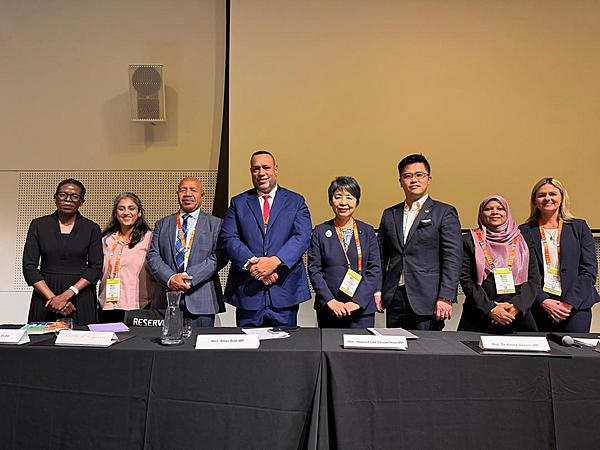
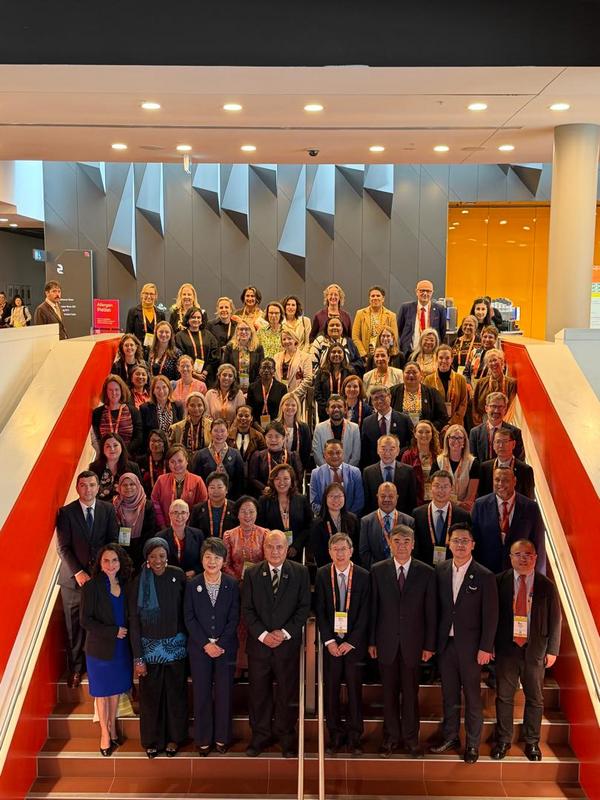
National Capital District Governor Powes Parkop, who also chairs the Permanent Parliamentary Committee on Gender Equality and Women’s Empowerment (GEWE), is leading PNG’s delegation to the high-level conference alongside Deputy Chairman and East Sepik Governor Allan Bird.
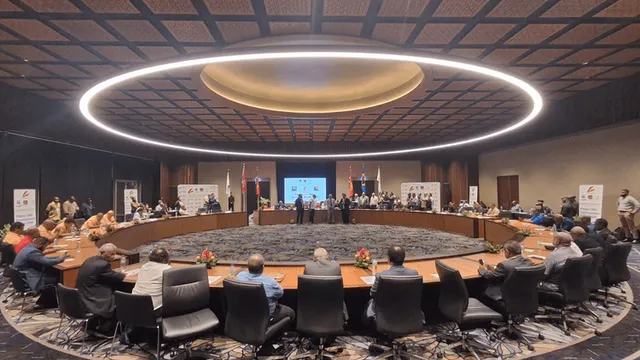
The conference, held from 27–30 April 2026, brought together global leaders, parliamentarians, and advocates focused on advancing gender equality and the empowerment of women and girls, particularly in the area of sexual and reproductive health and rights (SRHR).
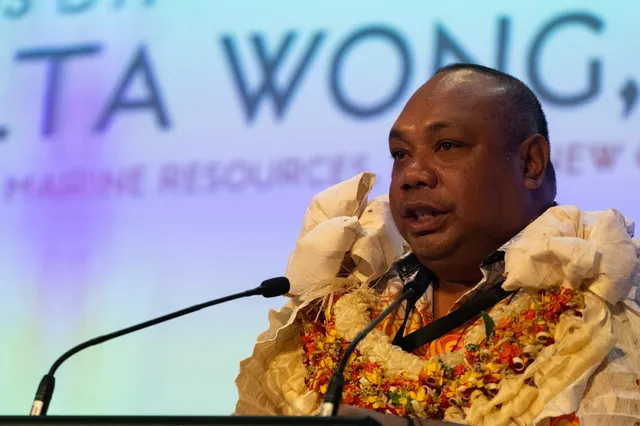
At the High-Level Ministerial and Parliamentary Forum, Governors Parkop and Bird presented PNG’s progress in strengthening national systems and financing mechanisms aimed at improving outcomes for women and reducing gender-based violence.
Among the key achievements highlighted by the PNG delegation were strengthened parliamentary leadership through the GEWE Committee, increased domestic financing for reproductive health, and the recent approval of a long-term national strategy to prevent and respond to gender-based violence across the country.
The delegation also outlined how PNG is translating international commitments into practical national programmes through increased government investment in reproductive health supplies and long-term gender-based violence strategies covering all provinces.
Governor Parkop said PNG was demonstrating that gender equality policies must be supported by tangible financial commitments and long-term planning.
“We are not here simply to add our voice — we are here to show that Papua New Guinea is taking decisive action,” Governor Parkop said.
“From increasing domestic investment in gender equality and women’s economic empowerment to committing long-term resources to end gender-based violence, we are turning global commitments into real outcomes for our people.”
The broader economic implications of these reforms were also underscored during the forum, with gender equality increasingly recognised as a key development and productivity issue for the country.
Business leaders, development partners, and policymakers have long argued that improving women’s access to health services, safety, education, and economic participation contributes directly to workforce productivity, household income growth, and broader national economic resilience.
Gender-based violence alone continues to carry significant economic costs through lost productivity, healthcare expenses, and reduced workforce participation, particularly in both the formal and informal sectors where women play a major role.
Governor Bird said international parliamentary cooperation remains important in helping countries strengthen reforms and share practical solutions.
He said cross-border collaboration enables nations to exchange experiences, strengthen collective advocacy, and support policy improvements at the national level.
The presence of both governors at the global forum also signals PNG’s growing engagement in international policy discussions and its intention to position itself as an active voice from the Global South on gender equality and development issues.
The Permanent Parliamentary Committee on Gender Equality and Women’s Empowerment continues to oversee legislative, policy, and accountability mechanisms supporting gender equality initiatives nationwide.
According to the delegation, the broader objective is to ensure that every woman and girl in PNG has access to opportunity, protection, and the full realisation of her rights, while also strengthening the country’s long-term social and economic development.