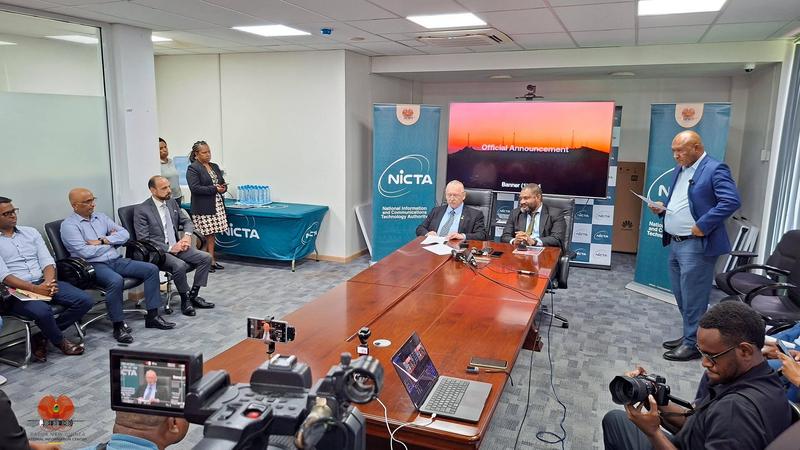
Papua New Guinea has cleared the way for 5G mobile services, with the National Information and Communications Technology Authority confirming that spectrum in the 2.6 GHz and 3.5 GHz bands is now available for licensing to qualified mobile operators.
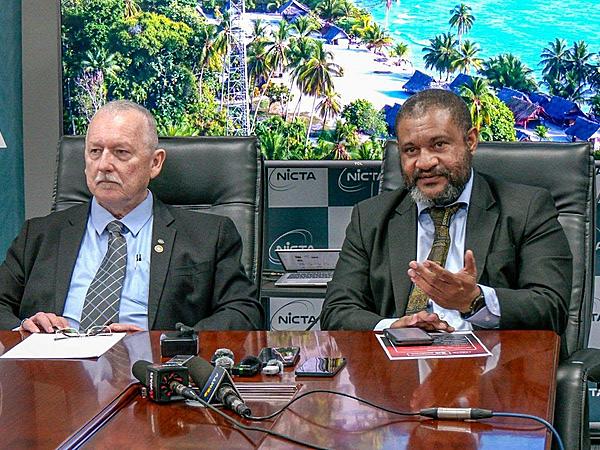
NICTA board chairman Brian Riches said the decision marked a milestone for the country’s digital economy and followed several years of legal, technical and regulatory work by the telecommunications regulator.
The regulator said it had completed the required process for the internationally harmonised 2.6 GHz and 3.5 GHz bands, which are classified as High Demand Spectrum. Making the bands available is intended to give operators the regulatory certainty needed to plan, invest in and deploy next-generation mobile networks and services.
The move puts Papua New Guinea among more than 150 countries that had launched or soft-launched 5G networks by July 2026, according to the Global Mobile Suppliers Association.
NICTA said the decision followed detailed spectrum planning and market assessments, industry consultation, reviews of international best practice and an assessment of future demand for mobile broadband services. The licensing framework is intended to support investment and innovation while safeguarding competition.
The allocation of both bands reflects NICTA’s commitment to technological neutrality, allowing operators to deploy advanced 4G and 5G services according to their business and customer requirements.
Larger contiguous spectrum assignments are expected to improve network efficiency, reduce deployment costs and increase capacity, while enabling faster speeds, lower latency, greater reliability and improved customer experiences.
Rollout obligations
Vodafone PNG has committed to providing 5G services across the National Capital District and at least one additional city within 18 months. Its rollout targets include reaching at least 20 per cent of Papua New Guinea’s population within 36 months and at least 30 per cent within 60 months.
NICTA has also negotiated public-interest obligations requiring each mobile operator acquiring High Demand Spectrum to extend 4G coverage to 20 new sites identified under the Universal Access and Service programme.
The requirements are intended to ensure that the benefits of the new spectrum extend beyond major urban centres and help reduce the country’s digital divide.
NICTA said the High Demand Spectrum is being licensed for a fair and reasonable fee, with revenue from the licences intended to support initiatives that extend digital connectivity to underserved and unserved communities.
The approach is designed to allow the commercial development of advanced mobile services in urban areas to help fund greater connectivity opportunities in rural and remote parts of Papua New Guinea.
The regulator will independently audit rollout commitments, coverage obligations and quality-of-service requirements. Operators that fail to meet their obligations could face enforcement measures and penalties.

Boost for digital economy
NICTA said improved connectivity would support the Government’s broader digital transformation agenda, including the digitisation of public services, e-government platforms, digital education, healthcare and private-sector innovation.
For businesses, improved connectivity is expected to increase productivity, support cloud computing and digital services, facilitate electronic commerce and strengthen links with regional and global markets. For consumers, it is expected to improve access to information, education, financial services, entertainment and government services.
The rollout of 5G is therefore expected to have an impact beyond mobile phone services, supporting the wider development of Papua New Guinea’s digital economy.
For investors, NICTA said the licensing framework also demonstrates the country’s commitment to modern digital infrastructure and a stable and predictable regulatory environment.
Next phase of spectrum reform
The licensing announcement marks the beginning of a new phase for NICTA, rather than the end of the regulatory process.
The authority will work with licensed operators to facilitate deployment, monitor compliance with licence conditions, oversee spectrum utilisation and network performance, and ensure rollout commitments are achieved within agreed timeframes.
NICTA will also continue with wider spectrum reforms, including making additional High Demand Spectrum bands available where appropriate, supporting satellite and non-terrestrial network services, expanding opportunities for licence-exempt and Wi-Fi services, and keeping PNG’s spectrum management framework aligned with international best practice and future technological developments.
Riches said the licensing decision marked an important stage in Papua New Guinea’s digital development.
“Today marks an important milestone in Papua New Guinea’s digital journey,” he said, adding that NICTA remained committed to affordable, reliable and inclusive connectivity for Papua New Guineans wherever they live.