April 14, 2024

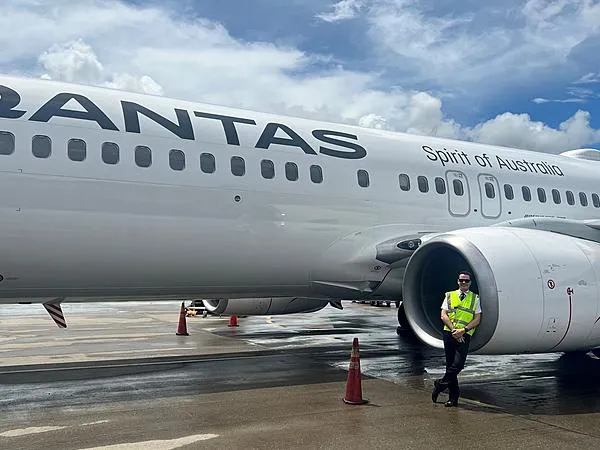
Qantas has announced the launch of a new direct connection between Sydney and Port Moresby. The national carrier inaugurated its maiden service on 2 April, marking its first commercial passenger flight between the two cities in over five decades.

Operating twice a week, the new service will be facilitated by Qantas’ Boeing 737 aircraft, effectively adding over 36,000 seats annually to the route. This addition complements Qantas’ existing daily Brisbane-Port Moresby service, aiming to meet the increasing demand for travel between the two nations, particularly from the business community.

Cam Wallace, Qantas International CEO, underscored the significance of the new route in strengthening the longstanding ties between Australia and Papua New Guinea. “These flights will meet the growing demand from the business community for travel between Australia and Papua New Guinea,” Mr. Wallace said. He also highlighted the time-saving benefits of the Sydney service, estimating a reduction of at least three hours in travel time on a return trip by bypassing the previous stopover in Brisbane.

The launch of the Sydney-Port Moresby route is part of Qantas’ broader strategy to expand its international network out of Sydney and bolster business and trade relations between Australia and Papua New Guinea. Customers travelling between the two countries will enjoy seamless connections with Qantas’ domestic flight routes and international network, ensuring convenient travel options.

Fares for the new route are available for booking on qantas.com or through authorised travel agents. Additionally, Qantas customers and Frequent Flyers will have the opportunity to earn and redeem Qantas Points on these flights, while also enjoying premium services such as complimentary food and beverages, checked baggage allowance, and access to the airport lounge in Sydney.

Qantas commenced operations in Papua New Guinea in the 1940s, initially deploying two light aircraft stationed in Lae for local operations. The airline later introduced its four-engine DC4 Skymaster aircraft on the Sydney-Port Moresby-Lae route in 1950. In 1959, Port Moresby served as a refuelling point for Qantas flights to Hong Kong. The reintroduction of direct flights between Sydney and Port Moresby reflects a continuation of Qantas’ historical presence and commitment to facilitating connectivity between Australia and Papua New Guinea.

April 14, 2024

In commemoration of World Health Day on April 7th, the Papua New Guinea Chamber of Resources and Energy (PNG CORE) reaffirms our unwavering commitment to promoting health and well-being within our nation. World Health Day serves as a poignant reminder of the critical importance of prioritizing health at both individual and societal levels. This year’s theme, “My Health, My Right”, underscores the need for collective action to address pressing health challenges and foster a healthier future for all. This year’s theme was chosen to champion the right of everyone, everywhere to have access to quality health services, education, and information, as well as safe drinking water, clean air, good nutrition, quality housing, decent working and environmental conditions, and freedom from discrimination.

In alignment with the objectives of World Health Day, the industries who form the membership of PNG CORE remain steadfast in our dedication to upholding the highest standards of health and safety practices. Our member organizations recognize that the well-being of our workforce, communities, and environment are paramount to sustainable development and prosperity.

PNG CORE’s member organizations actively contribute to health and well-being initiatives across PNG, which include:

• Healthcare Access Initiatives: Several member companies have implemented programs aimed at improving access to healthcare services for remote and underserved communities. These initiatives include mobile health clinics, telemedicine services, and partnerships with local healthcare providers to deliver essential medical care and health education.

• Community Health Promotion: PNG CORE members engage in community health promotion activities, such as awareness campaigns on preventive measures for infectious diseases, hygiene education, and vaccination drives. These efforts are essential for empowering communities to take proactive steps in safeguarding their health and well-being.

• Employee Wellness Programs: PNG CORE member organizations prioritize the health and safety of their workforce through comprehensive wellness programs and occupational health initiatives. These programs encompass regular health screenings, fitness activities, mental health support services, and ergonomic assessments to ensure a safe and healthy work environment.

Amidst the ongoing global health crisis, PNG CORE acknowledges the indispensable role played by healthcare professionals and frontline workers in safeguarding public health and mitigating the spread of infectious diseases. We extend our heartfelt appreciation and solidarity to these courageous individuals who continue to demonstrate resilience and selflessness in the face of adversity.

Furthermore, PNG CORE recognizes the interconnectedness between health and the environment. As stewards of Papua New Guinea’s rich natural resources, we are committed to sustainable practices that promote environmental stewardship and contribute to healthier ecosystems for present and future generations.

As we commemorate World Health Day, PNG CORE reaffirms its commitment to collaboration and partnership with government agencies, civil society organizations, and other stakeholders to advance health and well-being initiatives across Papua New Guinea. Together, let us seize this opportunity to reaffirm our collective resolve in building a healthier, more resilient future for Papua New Guinea.

April 14, 2024

K92 Mining Inc. announces that it has commenced preparations to resume underground operations within two days, following the receipt of a letter from the Mineral Resources Authority (“ MRA ”) of Papua New Guinea vacating the Form 29 that was issued on March 13, 2024 (see March 19, 2024 Press Release ).

The receipt of the letter vacating Form 29, follows a presentation by an Independent Safety Auditor to the MRA. Findings from the audit indicated that the Underground Safety Management Plan is good, conforms to criteria in ISO45001 and has been implemented. The Safety Auditor also did not find any substandard document, process or system, and noted that the Underground Safety Management Plan is comparable to other operations in Australia and Asia.

John Lewins, Chief Executive Officer and Director stated, “Safety is, has and always will be K92’s number one priority, and I am pleased with the results of the Independent Safety Audit which are also a reflection of the significant investment and focus by the team on site, which has further intensified since mid-2023.

While we are pleased with the positive safety audit findings, I want to emphasize that K92 is always proactively striving for better and will continue to relentlessly pursue its goal of zero harm.”

The Company reiterates its 2024 Operational Guidance, and notes that the temporary suspension of underground operations since March 10, 2024 will have a moderate impact on Q1 and Q2 production.

April 14, 2024

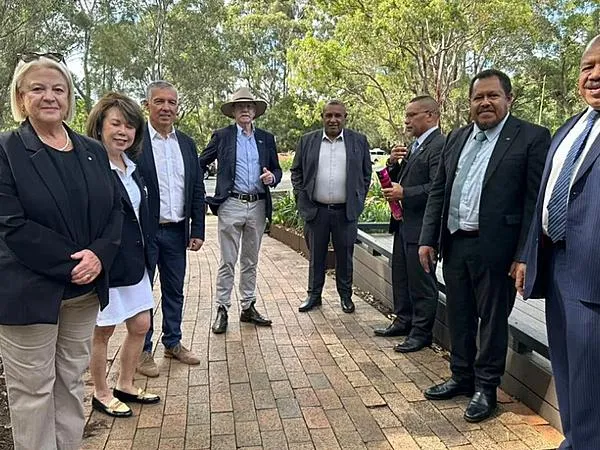
Papua New Guinea (PNG) and Australia have embarked on a collaborative endeavour to honour war memorials and enhance tourism prospects.

This initiative follows a Memorandum of Agreement signed last year 2023 between the Papua New Guinea Tourism Promotion Authority (PNGTPA), National Capital District Commission (NCDC), and Canada Bay City Council in Sydney.

A significant discussion has been initiated among the PNG Tourism Promotion Authority, NCDC, and Canada Bay City Council in Sydney to jointly develop war memorial sites in Port Moresby.

This collaborative effort aims to honour war legacies and promote War Pilgrimage as a prominent tourist attraction, akin to the renowned Kokoda Trail trekking experience.

The initiative is spearheaded by Canada Bay City Council, PNG Tourism Promotion Authority, NCDC, and Network Kokoda Australia.

Driven by a vision to preserve the lessons of World War II, Canada Bay City Council has invested substantially in projects such as the Kokoda Trail Memorial Walkway.

This collaboration aims to strengthen bonds between nations, including the United States and Japan, while emphasizing the historical significance of the Kokoda Campaign to both Australia and Papua New Guinea.

Through this partnership, historic sites in NCD, including Paga Hill, Wardstrip, and Sabama, will undergo development, eventually extending into Central and Oro Provinces with support from provincial governments and Network Kokoda Australia.

Under the agreement, both nations will jointly develop war memorial sites in Port Moresby, reflecting their shared commitment to preserving the legacies of the Second World War and promoting the War Pilgrimage as a prominent tourist attraction, akin to the renowned Kokoda Trail trekking experience.

This trip seeks to establish a work plan for 2024-2025 to develop war memorial sites and promote war pilgrimages in NCD, Central, and Oro Provinces, with the ultimate goal of creating a tourist product stretching from Paga Hill to Buna.

A stakeholders’ meeting, scheduled during this trip, will bring together participants across Australia to garner support for the initiative. Minister of Tourism, Arts & Culture, Hon. Isi Henry Leonard, MP, and NCD Governor, Hon. Powes Parkop, MP, LLB, LLM, will address the stakeholders and finalize the work plan for implementation. Plans also include the establishment of Network Kokoda PNG and pushing for the transfer of the Kokoda Track Authority to PNGTPA.

“The collaboration between PNG and Australia to develop war memorials and promote tourism is a testament to the enduring friendship between our nations and the shared commitment to honouring our war heroes. This initiative will not only preserve historical legacies but also create opportunities for economic growth, education, and cultural exchange,” said NCD Governor, Hon. Powes Parkop, MP, LLB, LLM.

The visit to Sydney marks a pivotal step in solidifying the partnership between PNG and Australia. Through joint efforts, both nations aim to create a lasting legacy that honours the sacrifices of past generations while paving the way for a brighter future through tourism, education, and cultural exchange.

This collaborative endeavour underscores the importance of international cooperation in preserving historical narratives and fostering mutual understanding.
April 14, 2024

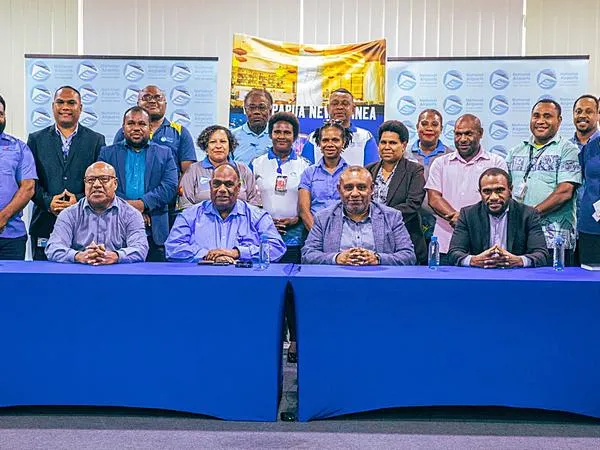
The National Airports Corporation (NAC) and the Papua New Guinea Tourism Promotion Authority (PNGTPA) have officially signed a Memorandum of Understanding (MOU), solidifying their collaboration in various initiatives aimed at marketing and promoting Papua New Guinea’s tourism potential both domestically and internationally.

The MOU outlines key areas of cooperation between both organizations which involve;

  1. Raising Awareness of the Tourism sector and Potential
  2. Marketing and Promoting PNG Tourist Destinations
  3. Improving NAC Airports/Terminals
  4. Sharing Data on Traveler Trends and Consumer Feedback
  5. Joint Communication and Marketing Campaigns
  6. Participation in Tourism Forums, Workshops and Conferences
  7. Collaboration in Familiarization Programs and Learning Initiatives

At the MOU signing ceremony, NAC’s Acting Managing Director and CEO, Mr Dominic Kaumu, expressed optimism about the partnership: “Airports play an important role in tourism development and vice versa therefore, we believe this collaboration is an important step taken by both our organizations toward supporting tourism growth, and we eagerly anticipate the opportunities it brings.”

Mr Eric Mossman Uvovo, CEO of PNGTPA, emphasized the importance of working together: “Through this partnership, we can utilize the unique strengths and positions of our respective organizations to unlock the potential of PNG’s tourism industry and showcase our country to the world.

The signing of the MOU signifies a commitment from both NAC and PNGTPA to work hand-in-hand towards the common goal of promoting PNG as a premiere tourist destination while enhancing the overall traveller experience.
April 14, 2024

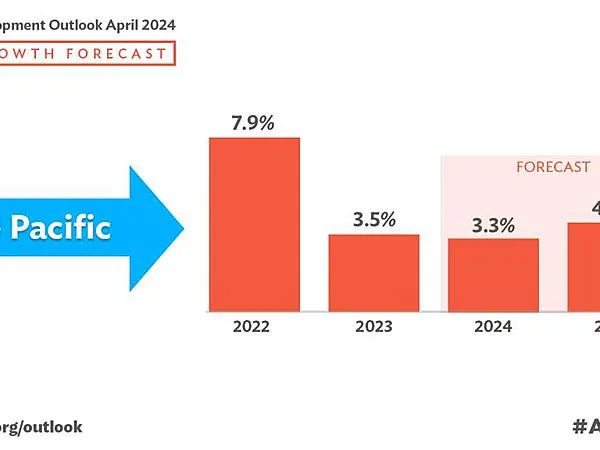
Economic growth in the Pacific is projected to moderate in 2024 before picking up in 2025, according to the Asian Development Outlook (ADO) April 2024, ADB’s flagship economic publication, released today.

The Pacific economies expanded by an average of 3.5% in 2023 as business activity resumed in earnest after the COVID-19 pandemic. Growth of 3.3% is projected in 2024 and 4.0% in 2025. The outlook is driven by improved prospects for the mining sector in Papua New Guinea (PNG), the subregion’s largest economy.

“While large construction projects and tourism continue to drive growth in many Pacific economies, risks to the outlook remain,” said ADB Director General for the Pacific Leah Gutierrez. “To achieve and maintain growth, targeted policies are urgently needed to address labor gaps while sustaining remittance flows and balance fiscal sustainability with long-term investment. Governments must also find ways to improve resilience to shocks, especially with the increasing threat of disasters and the impacts of climate change.”

After moderating to 3.0% in 2023, inflation in the Pacific will rise by 4.3% in 2024 and 4.1% in 2025. Although global commodity prices are seen to be less volatile, domestic factors exert price pressures in many economies.

In PNG, growth slowed to 2.0% in 2023 due to decreased production in the resource sector. Foreign exchange restrictions and frequent power disruptions also dampened activity in the rest of the economy. The resumption of production at the Porgera gold mine will accelerate growth in 2024 to 3.3% and 4.6% in 2025. However, the fallout from civil unrest in January this year and a poor business environment continue to cloud the outlook. Reforms to improve the power sector's financial sustainability and generation infrastructure, including increased use of renewable energy and private sector investment, are needed to help address power supply constraints on growth.  

For Fiji, the subregion’s second-largest economy, tourism and increased remittances will continue as the main drivers of growth in 2024. Growth is projected to slow to 3.0% in 2024 and further to 2,7% in 2025, largely due to the projected slowdown in travel demand and significant capacity limits in tourism.  Sustaining tourism growth will require boosting investment, promoting tourism activity in other areas, particularly in the outer islands, and attracting other segments of tourism markets.

The ADO April 2024 expects growth in Solomon Islands to moderate slightly to 2.2% in both 2024 and 2025 as activities related to the 2023 Pacific Games wind down. The report says public debt is projected to increase—but remain within government limits—to finance infrastructure and budget deficits, while inflation would decelerate in line with global trends. Balancing fiscal sustainability with long-term investment needs is an ongoing challenge.

Economic growth in Vanuatu is projected at 3.1% in 2024, rising further to 3.6% in 2025. It is expected to depend on tourism growth and reconstruction in the aftermath of three cyclones that damaged infrastructure and agriculture in 2023. The report says that with the rising intensity and frequency of climate-induced disasters, alternative ways to finance disaster preparedness and response must be found.  

Tourism, as well as construction—mainly public infrastructure projects—will sustain growth in the South Pacific economies over the near term. Growth in the Cook Islands will reach 9.1% in 2024, moderating to 5.2% in 2025, while expansion in the tourism and construction sectors in Samoa is projected to put growth there at 4.2% in 2024 and 4.0% in 2025. Ongoing construction activities and investments in climate resilience will continue to support growth in Tonga, which is projected at 2.6% in 2024 and 2.3% in 2025. Niue’s economy improved in 2024 due to a pick-up in tourism. However, visitor arrivals remained well below pre-pandemic levels. The ADB report says policies must balance the need to address local labor gaps with sustaining remittance flows to maintain growth.

The North Pacific economies improved as visitor arrivals to Palau increased, and business activity picked up in the Federated States of Micronesia (FSM) and the Marshall Islands during their first full year without pandemic-related mobility restrictions. Growth in the FSM economy is projected at 3.1% in 2024, moderating slightly to 2.8% in 2025. The Marshall Islands economy is projected to expand by 2.7% in 2024 and 1.7% in 2025. Growth is expected to resume in Palau, driven by tourism and construction, reaching 6.5% in 2024 then increasing to 8.0% in 2025. Stronger public sector management remains key to using the financial assistance anticipated under the North Pacific economies’ renewed Compacts of Free Association with the United States to upscale productive investments, improve the quality of public services, and build resilience.

Implementation of infrastructure projects is seen to drive economic expansion in the Central Pacific economies. Growth in Kiribati is projected at 5.3% in 2024 and 3.5% in 2025, while the forecast for Tuvalu is 3.5% in 2024 and 2.4% in 2025. After the winding down of the Australia-funded Regional Processing Centre, construction, as well as services exports, are seen to fuel the Nauru economy. Growth is projected at 1.8% in 2024, edging up to 2.0% in 2025. As rising sea levels threaten the livelihoods and the very existence of the Central Pacific economies, the report says immediate and concerted efforts to mitigate this threat are needed.
April 14, 2024

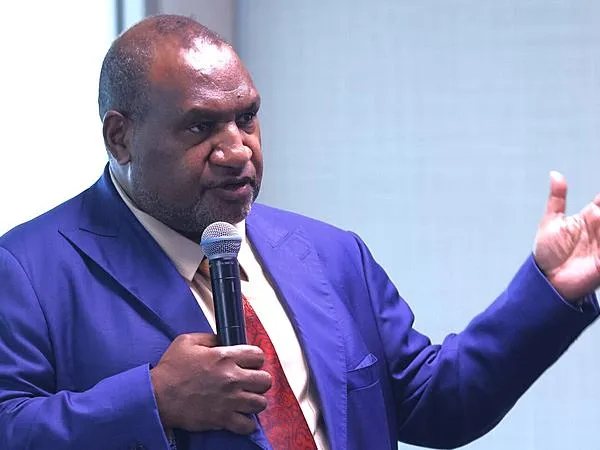
Prime Minister and Treasurer Hon. James Marape today emphasised the substantial resources his government has allocated to the agriculture sector, surpassing any past government’s efforts. Speaking at the closing ceremony of the two-day Department of Agriculture and Subsector Agencies Meeting in Port Moresby, the Prime Minister stressed the importance of delivering on the Medium-Term Development Plan 2023-2027.

“No government in the past has allocated more to agriculture than my government has over the last three years,” Prime Minister Marape said.

“No Government in the past has allocated more to SMEs than my government has over the last three to four years.

“No government has focused more on agriculture than my government over the last three or four years.”

Present at the meeting were Agriculture Minister Hon. John Boito, Oil Palm Minister Hon. Francis Maneke, Agriculture Secretary Dr. Sergie Bang, as well as heads and representatives of agriculture commodity boards.

Prime Minister Marape expressed his desire for the agriculture sector to move beyond discussions to achieving tangible results.

 “All of you know my line of thoughts and my conversations in agriculture which are not for me to repeat all the time,” he said.

“We just have to get out and do work now.

“I think we have had so many sessions like this.

“All of us are not new to this conversation.

“For me, going on five years now, I do not want continuous talking.

“Let’s get out there and achieve outcomes.

“May this be the last talk fest.

“The next time, I want results posted up on the board,” Prime Minister Marape said, specifically referring to export figures.

April 11, 2024

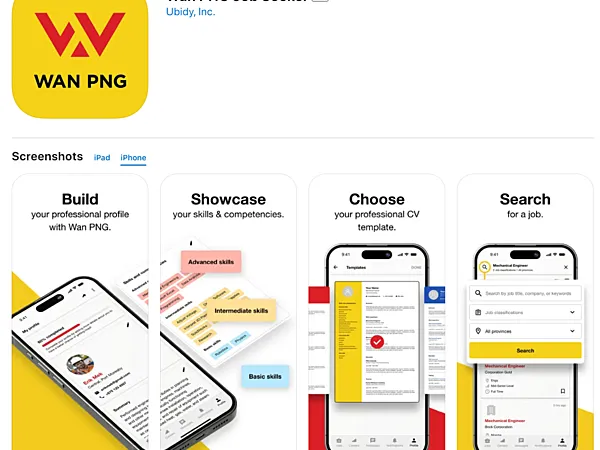
In a strategic move towards increasing accessibility and inclusivity, Wan PNG is pleased to announce the launch of its iOS app. Complementing the existing Android app, this development is a significant step forward in ensuring that Wan PNG's services are available to all users, regardless of their mobile device preferences.

Closing the Mobile Market Gap

Wan PNG recognises the importance of catering to the diverse mobile landscape in Papua New Guinea. With Android dominating over 96% of the market, the addition of the iOS app addresses the remaining 3% of users who prefer Apple devices. This strategic move aims to ensure that the Wan PNG platform is universally accessible, closing the small but significant gap in mobile market coverage.

Understanding the Local Dynamics

The decision to initially focus on Android aligns with the predominant user preferences in Papua New Guinea. Unlike countries such as Australia, where over 50% of users opt for iOS, the Papua New Guinean market exhibits a distinct pattern. The vast majority of users favor Android devices, making it the logical starting point for Wan PNG's mobile app development.

A Comprehensive Mobile Solution

With the introduction of the iOS app, Wan PNG now offers a comprehensive mobile solution, encompassing both major platforms. This marks a critical milestone in making the platform universally accessible to all Papua New Guineans, regardless of their choice of mobile device. The app is designed to provide a seamless and consistent experience, ensuring that users can leverage Wan PNG's features effortlessly, whether they are on Android or iOS.

User-Centric Development

The decision to launch an iOS app is rooted in Wan PNG's commitment to being user-centric. Recognising the diversity in device preferences among our users, we understand the importance of providing choices that align with their preferences. This development ensures that every user can engage with Wan PNG's services through their preferred mobile platform.

Enhanced Features for iOS Users

The iOS app brings with it all the features and functionalities that users have come to appreciate on the Android platform. From streamlined job searches to intelligent skills management, Wan PNG on iOS mirrors the Android experience, creating a cohesive and unified user interface.

Looking Ahead

As Wan PNG continues to evolve, this expansion into the iOS market is a natural progression. It not only reflects the platform's commitment to inclusivity but also positions Wan PNG as a versatile and responsive tool for the Papua New Guinean workforce. Looking ahead, Wan PNG remains dedicated to ongoing improvements and innovations that enhance the user experience and contribute to the professional growth of our community.

Conclusion

The launch of the iOS app is a significant step towards ensuring that Wan PNG is a platform for all. By addressing the specific dynamics of the Papua New Guinean mobile market, Wan PNG strives to provide a universally accessible solution for job seekers, employers, and educational institutions. This development underscores Wan PNG's commitment to being a reliable and inclusive partner in the professional journeys of Papua New Guineans.

Wan PNG is a Kumul Petroleum initiative and thanks its platform partner Papua LNG for its continuing support.
April 08, 2024

Dedicated to nurturing healthier futures for Papua New Guineans, City Pharmacy Limited (CPL) Foundation actively collaborates with community stakeholders and leverages strategic partnerships to advocate for family planning education and support, for especially young families in PNG.

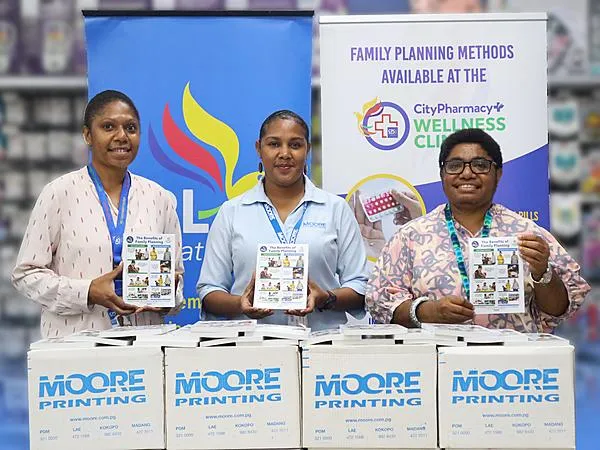
CPL Foundation proudly announced that on the 5th of April, it launched its latest awareness campaign. The Foundation’s mission is to foster healthier futures for Papua New Guineans with a commitment to addressing the critical need for accessible information and resources surrounding family planning.

Family planning remains a vital aspect of public health. According to the Demographic and Health Survey 2016/18, PNG has a high unmet need for family planning. This survey shows that only one in three married women are using modern contraceptives.

Therefore, CPL Foundation aims to tackle the crucial need for accessible information and resources surrounding this concerning issue.

Central to this initiative is the invaluable support of Moore Printing, which has generously offered its printing services to produce educational flyers on family planning. These informative materials will be disseminated across all City Pharmacy outlets and CPL Wellness Clinics, ensuring widespread access to essential information for individuals and families nationwide.

City Pharmacy Chief Medical Officer Dr. Joyce Sauk expressed profound gratitude for Moore Printing's generous support, saying: "We are incredibly grateful for the support of Moore Printing in making this campaign possible."

Through the distribution of educational flyers, CPL hopes to initiate meaningful conversations about family planning and empower individuals to make informed decisions for a brighter and healthier future, Dr. Sauk added.

The Foundation has over the years promoted women in mostly community initiatives and addressed impact areas especially concerning issues that affect women in PNG.

One of CPL’s high-impact, high accountability programmes is centered towards supporting maternal health programmes. According to United Nations Population Fund (UNFPA), maternal deaths could fall by a quarter and child deaths will drop by up to 20 percent if only women and adolescents had access to modern contraception.

Through the provision of educational resources and support, CPL Foundation strives to challenge existing perceptions and promote positive attitudes towards this topic of concern. Its plans are to focus intervention, in terms of awareness and engagement with the community to access accurate information to make positive changes.

For over more than 30 years, CPL has been in the forefront providing pharmaceutical services by retailing nationwide. CPL Foundation’s impact areas are the communities it serves, proving that together, people can create a healthier and more prosperous future for all of PNG.

April 08, 2024

Papua New Guinea took a significant stride towards sustainable economic development with the inauguration of the Green Finance Centre (GFC) in a collaborative effort spearheaded by the Bank of Papua New Guinea (BPNG) and the Global Green Growth Institute (GGGI).

The move aims to revolutionize PNG's financial sector by integrating green finance principles into its core operations.

Other key partners include the Centre for Excellence in Financial Inclusion (CEFI), the Department of Climate Change and Development Authority (CCDA), and the Alliance for Financial Inclusion (AFI).

The effort’s primary objective is to tackle environmental and climate change challenges in PNG through innovative and inclusive climate finance and green investment mechanisms within the financial and banking sector. This aligns with PNG’s commitment to achieving low-carbon, sustainable, and inclusive economic growth while addressing climate change risks across the country.

This landmark collaboration launched on 25th March at the prestigious Hilton Hotel, Port Moresby. Distinguished guests included Chief Secretary to the Government of PNG Mr. Ivan Pomaleu OBE, Conservation Environment & Climate Change Minister Hon Simo Kilepa MP, and the Governor of the Bank of Papua New Guinea Mrs. Elizabeth Genia, marked a pivotal moment in the nation's financial landscape.

The ceremony also witnessed the participation of key dignitaries, including the Minister for the Environment Hon. Simon Kilepa; Dr. Alfred Hannig, Executive Director for Alliance for Financial Inclusion (AFI); New Zealand High Commissioner, Peter Zwart; His Excellency Guillaume Lemoine, French Ambassador to PNG; and Mr. George Awap, Assistant Governor - BPNG.

At the heart of the initiative lies the Inclusive Green Finance Policy (IGFP), developed by GGGI and CEFI in 2021. With a generous funding of USD 670,000 from the New Zealand Ministry of Foreign Affairs and Trade (MFAT), under the Low Emission Climate Resilient Development Program (LECRD), the IGFP aims to integrate green finance practices into PNG’s financial landscape.

One of the highlights of the launch was the unveiling of the GFC's logo and website, symbolizing a new era of environmentally conscious and financial practices in PNG. The steering committee, chaired by BPNG, will guide the GFC in implementing the IGFP and leading future initiatives related to green finance flows in the country.

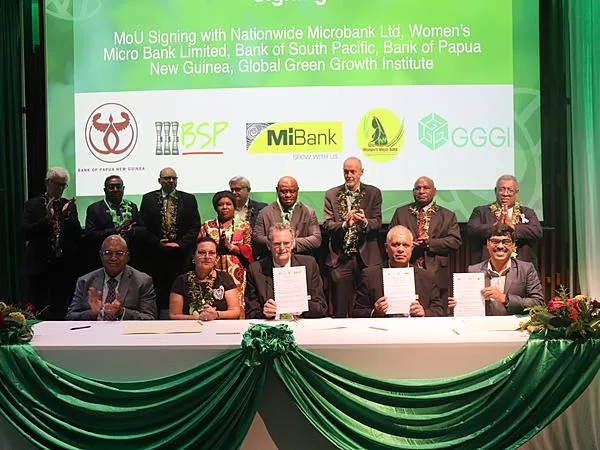
The signing of a Memorandum of Understanding (MoU) among BPNG, GGGI, and three financial institutions—Bank of South Pacific Group (BSP Group), Nationwide Micro Bank (MiBank), and Women’s Micro Bank (Mama Bank)—underlines the commitment to integrating the IGFP into their operations and development of green loan products.

The grant agreement signed between GGGI and Agence Française de Développement (AFD) further solidifies international support for PNG's green finance agenda. With a six million Euros grant, PNG through the GFC will receive one million Euros to support the ongoing work of IGFP implementation and an additional 1.8 million Euros for designing and capitalizing of a Green Refinancing Facility (GRF).

In his keynote remarks, Chief Secretary Mr. Ivan Pomaleu OBE hailed the establishment of the GFC as a bold step towards greening PNG's financial sector, emphasizing the importance of promoting low-emission options to combat climate change impacts.

“In line with the government’s mandate, the Green Finance Centre will strongly advocate for banks to channel loan investments in sectors such as agriculture, energy, SMEs and bioeconomy to promote low-emission options to reduce our carbon footprint and lead by example in the region and globally, demonstrating our commitment to addressing climate change impacts,” said Mr. Pomaleu.

Echoing similar sentiment, BPNG Governor Mrs. Elizabeth Genia reaffirmed the bank's commitment to promoting national financial inclusion and environmental sustainability, acknowledging the pivotal role of GGGI and CEFI in driving this initiative forward.

“The Bank of Papua New Guinea is committed to promoting national financial inclusion and the greening of the financial sector and the launch of the Green Finance Center underscores the commitment of all stakeholders involved to drive sustainable development and address climate change challenges through innovative financial mechanisms,” she added.

High Commissioner Zwart stressed the urgency of climate action and commended the collaboration between the New Zealand Government, BPNG and GGGI in establishing the Green Finance Center.

He said: “The New Zealand Ministry of Foreign Affairs and Trade is proud to provide funding for IGFP and collaborate with the Bank of Papua New Guinea and GGGI in establishing the Green Finance Centre which will play a crucial role in working with financial institutions to mobilize increased green lending and investments in Papua New Guinea.”

AFD Executive Director Mr. Philippe Orliange expressed support for the IGFP and the Green Finance Center, affirming AFD's commitment to replicating the success of greening PNG’s financial sector across the Pacific Region.

 “Greening the financial system in PNG is crucial towards the fight against climate change and I am proud that France is happy to help PNG tackle this. PNG is a role model in the Pacific, and we wish all the best to the team involved,” he added.

The launch of the GFC aligns seamlessly with BPNG - CEFI’s Third National Financial Inclusion Strategy (NFIS 3) (2023-2027) and PNG’s climatic goals outlined in PNG Vision 2050 and Medium-Term Development Plan IV (2023-2027), highlighting the integrated approach towards sustainable development.

April 08, 2024

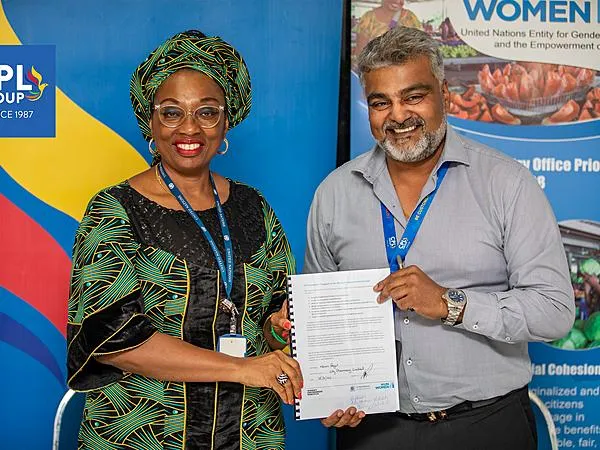
In a significant stride towards fostering gender equality and women's empowerment, City Pharmacy Limited (CPL) Group of Companies proudly announced its partnership with UN Women Papua New Guinea, committing to the Women Empowerment Principles (WEPs).

This collaboration positions CPL among a distinguished cohort of global companies dedicated to advancing women's rights.

The official signing ceremony, held on Monday 25th March, saw the participation of key stakeholders including the UN Women Country Representative Adekemi Ndieli and CPL CEO Navin Raju.

The WEPs, developed by UN Women and the United Nations Global Compact, serve as a roadmap for businesses to promote gender equality across the workplace, marketplace, and community.

By aligning with these principles, CPL confirms its steadfast commitment to developing an inclusive and equitable work environment where women have equal opportunities to thrive and succeed.

CPL CEO Raju emphasized the transformative potential of gender equality, saying: "Empowering women is not just the right thing to do; it is essential for the success and sustainability of our company and society."

UN Women's upcoming global campaign in 2025 to “ring the bell for gender equality” underlines the timeliness of CPL's decision to embrace the WEPs. Ms Ndieli commended CPL for its proactive approach, stressing the significant role of such partnerships in driving positive change.

She emphasized the UN Women's unwavering support for CPL's initiatives aimed at advancing women's rights across the country and lauded the firm for signing the WEPs a year before the start of the global campaign.

“We are aware that CPL has on its own, put in place several measures and actions to advance the rights of women across the country and we want to continue to support that so that it can foster better business practices that empower women.”

Raju added: “This partnership marks a crucial strive towards creating a workplace where women are not only afforded equal opportunities, but they are encouraged to excel and lead. We believe that empowering women is not just the right thing to do but it is essential for the success and sustainability of our company and the society.”

He reaffirmed the company’s dedication to continue to empower women and girls, through its Foundation, by providing access to literacy and education programs, enhancing healthcare services and economic empowerment opportunities in PNG.

CPL's decision to embrace the Women Empowerment Principles underlines its recognition of the indispensable role of businesses in driving societal change. This partnership not only reflects CPL's commitment to corporate social responsibility but also signifies its proactive stance in championing gender equality and women's empowerment.

Through this strategic partnership, CPL Group and UN Women PNG are confident to facilitate meaningful progress towards a more inclusive and equitable society, where women are empowered to realize their full potential across all areas of life.

April 08, 2024

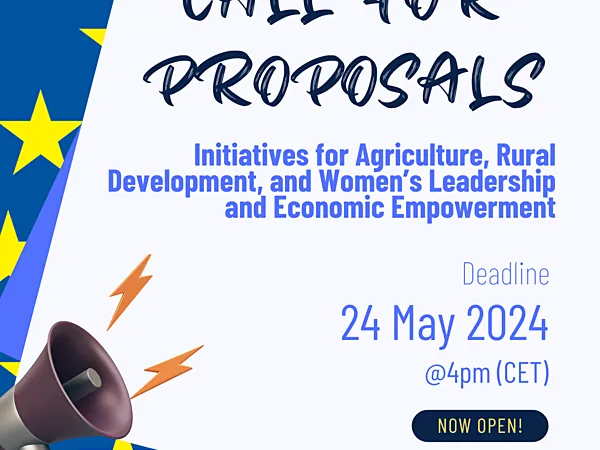
The European Union has taken a significant step towards fostering sustainable development in Papua New Guinea (PNG) with the launch of the 2024 (Neighborhood, Development, and International Cooperation Instrument) NDICI Civil Society Organizations and NDICI Human Rights program.

This initiative invites both civil society organizations and international entities to participate in a Call for Proposals aimed at addressing crucial areas of concern: Agriculture Rural Development and Women’s Leadership and Economic Empowerment.

A press release shared on Tuesday 02 April by the European Union stated information on the Call for Proposals including the guidelines and concept note, application form and relevant annexes on accessible websites.

Rural agriculture in PNG forms the backbone of the nation's economy through subsistence and small-scale farming. PNG – Country Strategy Note 2021 (CSN; Asia and the Pacific) reports a large majority of the population (87 percent) are rural and dependent on semi-subsistence agriculture.

Agriculture accounts for a third of GDP and employs 80 per cent of the working population. Smallholder farming systems dominate the sector. However, modernizing this sector faces substantial difficulty, including limited access to technology, essential skills, and knowledge. Additionally, meeting increasingly strict international standards presents a challenge.

Moreover, women, make up a sizable portion of the agricultural workforce, often find themselves marginalized, lacking in leadership and entrepreneurial skills necessary for active participation in economic endeavors.

According to Food and Agriculture Organization (FAO) Gender - Key to Sustainability food and security plan of action 2003, through research, estimations show that women represent a substantial share of the total agriculture workforce, as individual food producers or as agricultural workers, and that around two-thirds of the female labor force in developing economies are engaged in agricultural work.

Recognizing these challenges, the European Union emphasizes the crucial role civil society organizations and international bodies play in tackling these issues and fostering inclusive growth.

The overall objective of this call for proposals is to contribute to an inclusive, participatory, empowered, and independent civil society, creating a conducive democratic space in partner countries.

This Call for Proposals comprises two main lots:

  1. Agriculture Rural Development Programme: Aimed at enhancing the efficiency and effectiveness of the smallholder-dominated agricultural sector to meet international regulatory standards, such as agri-food safety norms and the EU Deforestation Regulation.
  2. Women’s Leadership and Economic Empowerment: Designed to increase women’s access to skills development, entrepreneurial training, financial services, products, and leadership opportunities.

The total funding available for this initiative amounts to EUR 4.32 million (PGK 17.56 million). The deadline for submitting a Concept Note is Friday, May 24, 2024, at 4:00 pm Central European Time (UTC+01:00). Interested parties can refer to EuropeAid/180704/DD/ACT/PG for further details.

An information session on the Call was set Friday, April 12, 2024, at 10:00 am at the EU Delegation, offering an opportunity for potential applicants to gain insights and clarify any queries they may have regarding the application process and project objectives.

Through collective efforts and strategic investments, the European Union aims to activate positive transformation in PNG's agricultural sector and support women’s economic participation, paving the way for sustainable development and prosperity.

The Guidelines and concept note application form and relevant annexes are accessible in the following websites:

https://ec.europa.eu/info/funding-tenders/opportunities/portal/screen/opportunities/prospectdetails/180704PROSPECTSEN?order=DESC&pageNumber=1&pageSize=50&sortBy=startDate&keywords=180704&status=31094502  or 

https://ec.europa.eu/info/funding-tenders/opportunities/portal/screen/home or

https://eeas.europa.eu/delegations/papua-new-guinea_en

April 08, 2024

The Philippines and Papua New Guinea (PNG) are eyeing possible cooperation on critical minerals and fisheries sectors, Foreign Affairs Secretary Enrique Manalo said Thursday.

After his bilateral meeting with PNG Foreign Minister Justin Tkatchenko, Manalo said the Philippines is eager to explore opportunities and “new forms” of partnership with the Pacific nation.

“On the economic front, we discussed greater cooperation on agriculture and fisheries, also in terms of downstream processing, (and) in critical minerals, such as copper or gold,” he said during a press conference at the Makati Diamond Residences.

Both the Philippines and PNG have vast amounts of gold, copper, and nickel deposits –
critical minerals vital to producing clean energy technologies.

The Philippines has been increasing interactions with foreign governments and stepping up support for local mining industries to position itself as a key player in the global value chains.

“The two ministers have identified this (critical minerals) as a potential priority sector during their meeting earlier and discussions are in an exploratory stage,” the Department of Foreign Affairs said.

Manalo said Manila and Port Moresby are also working to renew and enhance an existing memorandum of understanding on fisheries.

“I can only see a very broad and expansive relationship developing from our discussions today. And I think the focus will be a lot in the areas of food security, agriculture, and also other ways of promoting food resilience,” he said.

‘Defense, security’

On top of these, the ministers saw the need to enhance cooperation on defense and security matters, but Manalo said this would still have to be discussed in more detail.

He said he “updated” Tkatchenko on the challenges faced by Manila in the South China Sea, where several coastal states have overlapping territorial claims.

“We are concerned with the situation in the West Philippine Sea,” Manalo said. “We do have a very common commitment on the importance of international law, adherence to international maritime law. And we both felt that it's only through this adherence to international law, on which nations can cooperate fruitfully and peacefully.”

Tkatchenko is also in the Philippines for the two states’ inaugural policy consultations, which aim to facilitate enhanced communication and coordination on bilateral, regional, and international issues of mutual interest.

Currently, Papua New Guinea hosts more than 35,000 Filipinos, mostly working as managers and supervisors, contributing to both the Philippine and Papua New Guinean economies and societies.

In 1975, the Philippines was among the first countries to establish formal diplomatic ties with the Independent State of Papua New Guinea after it was declared and recognized as a sovereign nation on Sept. 16, 1975.

April 08, 2024

Papua New Guinea (PNG) will maintain its position of last 10 years to not be part of PACER Plus, says the Minister for International Trade and Investment, Hon. Richard Maru. Minister Maru made this statement in his first meeting with the new Australian High Commissioner to PNG, His Excellency John Feakes.

Minister Maru said: “I want to make it very clear to the Australian Government that PNG is not interested in the PACER Plus because Australia hardly buys from PNG with trade skewed in Australia’s favor for decades. PNG’s exports to Australia in 2022 stood at AU$1.6 billion with over 98% being gold and other precious metals whilst Australia's exports to PNG stood at AU$95.9 million. So as far as we are concerned, it is pointless to negotiate a PACER Plus Agreement. We would rather go into a new comprehensive economic trade and investment bilateral partnership with Australia which also captures other areas of benefits to PNG given such a vast trade imbalance, like employment of skilled Papua New Guineans, investments in non-extractive sector, and other benefits that we can get from this partnership apart from the trading of goods.”

“The PNG-Australia Bilateral Trade Assessment is a priority activity for us with the final report to be released soon by Centre of International Economics. We will also be officially announcing our new Honorary Trade Commissioner to Australia at the end of this month in Brisbane. We want to find potential Australian investors through our Honorary Trade Commission to come and invest in our non-extractive sectors like forestry, fisheries, agriculture, and the tourism sector etc,” added Minister Maru.

Minister Maru further stated that Australia was an important trade partner to PNG.

“Australia is PNG’s largest trade partner with bilateral trade of over AU$6 billion in 2022 and is a major investor in PNG with investment valued at over AU$24.8 billion in 2022. We are very grateful for this,” said Minister Maru.

April 08, 2024

Freeport Resources Inc. is pleased to announce that, with the recent Yandera license renewal through 2025, the Company has commenced an internal project optimization review while discussions continue with potential strategic partners to advance the Yandera Copper Project to Definitive Feasibility Study.

“There have been a number of new breakthrough advances in low-cost, direct sulphide leaching technologies since the Yandera Pre-Feasibility Study was completed in 2017. These new technologies allow for direct sulphide leaching at the mine site to produce a final copper cathode product, thereby eliminating the need for a costly concentrator and its attendant operating and transportation costs. The potential capital, operating and transportation cost savings are significant and could further strengthen the project’s economics and attractiveness to potential strategic partners,” commented Mr. Gord Friesen, Chief Executive Officer, Freeport Resources.

“While there already exists strong interest by strategic partners in Yandera driven by copper price’s move above $9,000/tonne and announcements by Chinese smelters of curtailed output due to shortages of copper concentrates, further improvements in the project’s economics would be a win-win for all parties, including shareholders. Yandera is one of the world’s largest undeveloped copper projects and ranks as the largest undeveloped copper project in Asia, the world’s leading copper refiner and consumer. Over USD $200 million has been expended on the project since 2005, culminating in a comprehensive 2017 Pre Feasibility Study delineating one of the world’slargest undeveloped copper resources.* With the extension of the exploration license through November 2025, timing for this internal optimization review is ideal. We are excited to have re-commenced work on the project in parallel with ongoing discussions involving potential strategic partners to advance the project through Definitive Feasibility Study and development of the mine. We look forward to updating shareholders as discussions progress,” concluded Mr. Friesen.

Yandera – One of the World’s Largest Undeveloped Copper Projects

Freeport Resources’ wholly-owned Yandera Copper Project is located in the highly prolific PNG Orogenic Belt, the same geological arc as some of the world's largest gold and copper deposits including Grasberg, Frieda River, Porgera, Lihir, Wafi-Golpu and Kainantu. Yandera is a project of strategic national interest in PNG and has the potential to become one of the country's most significant copper mines. The project’s proximity to Asia, the world’s largest copper refiner and consumer, positions Yandera as an attractive potential long-term source of copper supply.

The renewed license EL 1335 covers a 245.5 square kilometer (“km”) tenement comprising the Yandera Project. Approximately USD $200 million in exploration and development expenditures have been spent on EL 1335 since 2005. Work completed and studies funded to date include approximately 154,600 meters of exploration drilling, the vast majority of which has focused on the Yandera Central deposit, as well as scoping studies, engineering studies, environmental studies, the 2017 Pre-Feasibility Study*, and infrastructure-related studies.

The 2017 Pre-Feasibility Study titled, Independent Technical Report on the Yandera Project - PreFeasibility Study*, prepared by Worley Parsons, with an effective date of November 27, 2017, estimated a historical open-pit, Measured and Indicated Resources of 728 million tonnes grading 0.39% copper equivalent.

The internal project optimization review is part of Freeport Resources’ ongoing strategic review process aimed at maximizing the value of the Yandera Copper Project which the Company believes is significantly undervalued based on historical expenditures, current copper prices and the potential for resource expansion. The Company’s internal project optimization review will be led by Dr. Nathan Chutas, Senior Vice-President of Operations, who helped manage the 2017 Pre-Feasibility Study.

* Independent Technical Report on the Yandera Project – Pre-Feasibility Study, prepared for Era Resources Inc. and dated effective November 27, 2017. The study was prepared prior to the Company acquiring an interest in the Yandera Project, and is derived from historical estimates which the Company is not treating as current. This information is intended to provide readers with context on historical analysis conducted on the Yandera Project, however the Company cautions that a qualified person has not done sufficient work to classify any historical estimates in respect of the Yandera Project as current and any analysis conducted by previous owners of the Project may rely upon assumptions which are no longer reasonable or accurate in the context of the current market.

Yandera – Feasibility Study

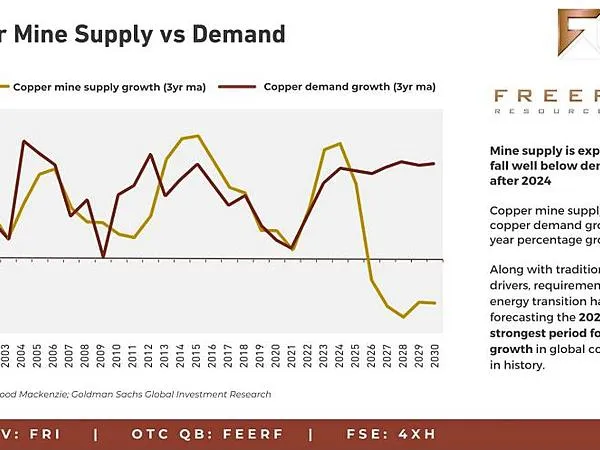
The renewal of EL 1335, through November 19, 2025, allows Freeport Resources to commence work on a Definitive Feasibility Study to advance the Yandera Copper Project toward a Final Investment Decision. Concurrent with the Definitive Feasibility Study program planning, Freeport Resources has begun discussions with key international strategic investors and prospective partners for development of the Yandera Copper Project. Demand for copper is undergoing unprecedented structural change driven by the global energy transition with mined copper supply forecast to enter a deficit position starting as early as 2025 (see Copper Supply and Demand Imbalance Chart above).

The Definitive Feasibility Study will build on earlier work undertaken with local and regional communities to determine opportunities to achieve mutually beneficial partnerships and sustainable long-term social benefits related to job creation, indigenous advancement, health and wellness, environment, education and community development.

Freeport and the Community

The Yandera Copper Project is 95-km southwest of the capital city of Madang Province and 235-km to the northwest of Lae which is the largest port city in PNG and an important industrial center. As one of the largest undeveloped copper resources* in the world, the Yandera Project has the potential to support communities and create jobs along the Yandera Corridor. The Company anticipates the potential economic influence of the Yandera Copper Project could span 5 provinces and create wealth for generations including, but not limited to, strategic road and highway building, power generation and related infrastructure.

The landowners and communities of Yandera are stakeholders in the Yandera Project. The overwhelming community support that the Company received at the Warden’s Hearing held during the summer of 2023, demonstrated the level of commitment the people of Yandera have for the project. Freeport is also firmly committed to advancing the project and continuing support of the community. The Company expects to continue to develop initiatives to be an active and visible presence in the Community.

Private Placement

The Company also announces that it will conduct a non-brokered private placement (the “Offering”) of up to 100,000,000 units (each, a “Unit”) at a price of $0.05 per Unit for gross proceeds of up to $5,000,000. Each Unit will consist of one common share of the Company and one-half-of-one share purchase warrant (each whole warrant, a “Warrant”). Each Warrant will entitle the holder to acquire an additional common share at a price of $0.25 for a period of twenty-four months.

Proceeds from the Offering are expected to be used to continue development of the Yandera Copper Project, to advance the project optimization review, and for general working capital purposes.

In connection with completion of the Offering, the Company may pay finders’ fees to eligible third parties who have assisted in introducing subscribers to the Offering. All securities issued in connection with the Offering will be subject to resale restrictions for a period of four-months-and-one-day following issuance, in accordance with application securities laws. Completion of the Offering remains subject to the approval of the TSX Venture Exchange.

April 08, 2024

Papua New Guinean shareholders of New Porgera Mine stand to receive well over K26 billion over the 20-year life of the mine, with more than K11 billion expected in the first 10 years, if gold price keeps at its current rate.

Prime Minister Hon. James Marape announced this after this latest meeting with Barrick Gold Corporation President and Chief Executive Officer Mark Bristow in Port Moresby.

This is the monetary value of the new agreement under Special Mining Lease 13 where Papua New Guineans own 51 percent and 49 percent is shared by Barrick Niugini Limited (BNL) and its joint-venture partner, Zijin.

As the new majority owners of New Porgera Limited, the State through its mining company Kumul Minerals Holdings Limited owns 36 percent of the shares, while 15 percent is being shared between Enga Provincial Government and the landowners.

“Previously, landowners shared a 5 percent equity with the provincial government; now under SML 13, there is nearly a 200 percent increase to 15 percent, including royalties. Comparatively, this is massive,” said Prime Minister Marape.

“At an assumed gold price of US$1,800 per ounce, PNG shareholders can expect to receive nearly US$7.2 billion (about K26.6 billion) over a 20-year mine life and US$3.0 billion (about K11.2 billion) in the first ten years. The current gold price is significantly higher at over US$2,150 per ounce.

“The share of equity and economic benefits that belong to the landowners is a first in PNG’s agreements with international investors.

“I have been confidently advised by Mr Bristow that the mine ramp up remains on track and is expected to reach full production before the end of the third quarter of this year. 

“Porgera is forecast to reach production of approximately 250,000 ounces of gold in 2024, more than 400,000 ounces in 2025, and above 600,000 ounces in 2027 and years beyond, returning it to its Tier 1 status as one of the world’s largest gold mines,” said PM Marape.

The Prime Minister also highlighted that New Porgera Limited will be a significant contributor to the PNG Treasury, subject to a 32 percent corporate tax rate in return for fiscal stability under the Resource Contracts Fiscal Stabilization Act, including an increase in royalty from 2 percent to 3 percent.

The mine has rapidly increased the number of employees, with over 2,000 currently, of which 98 percent are Papua New Guineans, with 60 percent coming from Enga and 38 percent from Porgera.  NPL expects to employ approximately 3,200 people by the end of this year.

This week, Cabinet approved a special joint military and police callout to secure the mine against a large illegal-miners threat because of PNG’s substantial shareholding interest in the mine.

April 05, 2024

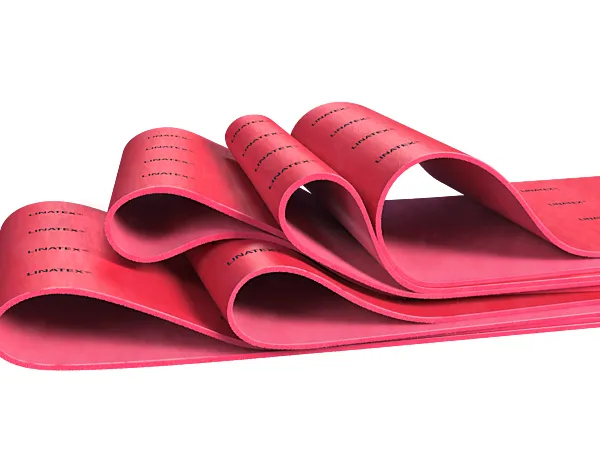
Weir, the global leader in technology driven mining solutions and sole manufacturer of Linatex® premium rubber, has introduced new branding to their iconic red rubber. Linatex® premium rubber is renowned for its unparalleled wear life and total cost of ownership benefits, this new enhancement is a definitive stand against imitators selling inferior red rubber products under the Linatex® name.

To fortify the authenticity of Linatex® premium rubber, and protect its customers from subpar imitations, a significant branding enhancement has been implemented. All Linatex® premium rubber is now branded with four rows of black Linatex® logos, strategically placed along the length of the rubber roll. This distinctive branding will provide a clear and unmistakable identifier of the genuine Linatex® premium rubber. Extensive testing has confirmed that the black ink does not affect the unbeaten abrasion-resistant properties of the rubber that has been the industry’s first line of defence against abrasion for a century.

The introduction of this new branding will enable customers to instantly, visually, verify the authenticity of their premium rubber products. The presence of the black Linatex® logos will be a guarantee of superior quality and performance.

Linatex® premium rubber is made from 95% natural latex using a unique liquid-phase process patented in 1923. Remarkably, its formulation and manufacturing process have remained unchanged for a century, with Weir Minerals Malaysia proudly serving as the sole manufacturer of Linatex® premium rubber in the world.

Only Linatex® premium rubber provides the ultimate defence against abrasion. Customers are encouraged to always look for the Linatex® logo on their red rubber lining products. If it doesn't bear the "Linatex® " mark, it's simply not Linatex® .

By implementing these changes, Weir reaffirms its unwavering commitment to delivering the best-in-class wear solutions and protecting its valued customers from imitation products in the market.

Mark Doyle, Global Product Manager for Rubber, says, “Linatex premium rubber has been manufactured exclusively by Weir for 100 years and is the ‘go-to’ rubber to protect equipment from erosive damage. Imitators have tried to emulate Linatex with inferior red rubber – which can cost you money and potentially harm your people and the environment due to poor performance and unknown failures. Now when you buy a roll of branded Linatex rubber, you can see you are receiving the genuine Linatex premium rubber”.

April 01, 2024

Papua New Guinea's Carbon Market Regulation Initiative promises significant benefits for local communities, as it negotiates for a 50- to 60-percent range of benefits from developers.

Guided by the Climate Change Development Authority (CCDA) under the Paris Agreement Act, these regulations aim to address climate change issues while ensuring economic stability.

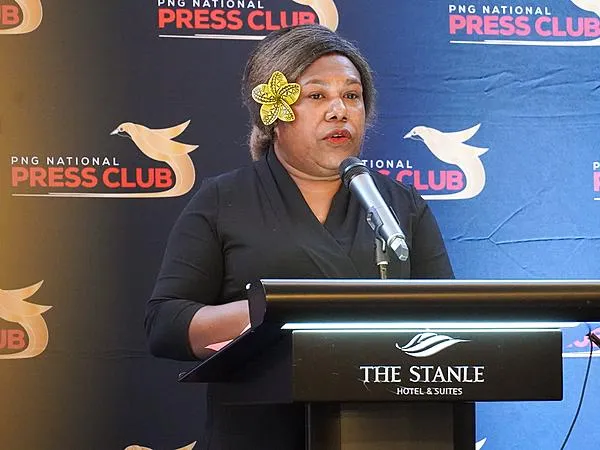
CCDA Acting Managing Director Debra Sungi emphasized this during a recent presentation at a media press club themed “PNG Carbon Market Regulations.”

“The government put an entity in place to address and respond to the climate change issue without affecting economic change. CCDAs commitments have done internationally and have driven back results based on the issue,” Ms Sungi said.

The event, held on March 27th in Port Moresby, attracted a wide range of attendees, including national and international media, stakeholders, government regulators, and contractors.

CCDA's objective is to facilitate government oversight and assist PNG communities in negotiating with developers, prioritizing community needs and legally addressing disputes effectively.

The Climate Change Management Act of 2015 positioned PNG favorably to protect its forests and engage in carbon trading. This strategic direction, leading up to the 2021 Glasgow Summit and the subsequent approval of the Paris Agreement Rulebook, underlines PNG's commitment to global climate efforts.

The Paris Agreement is an act, and the Paris Agreement Rule Book provides the regulations on how to implement the articles of the Agreement. 

By incorporating mechanisms such as Reducing Emissions from Deforestation and Forest Degradation (REDD+), CCDA aligns its regulations with international standards, providing a framework for sustainable development.

Ms Sungi stated the importance of discussions in international forum to be inclusive of country challenges and identifying gaps.

“In a trading system there has to be an agreed methodology and standard. Another important agenda is to have a proper agreement between international partners, developers and local communities; and through forums such as United Nations Framework Convention on Climate Change, that is where those decisions are made on how best the countries can be assisted,” she said.

The establishment of carbon markets regulations in 2022 reflects CCDA's engagement with international bodies and obligations to the UNFCCC. These regulations cover various market types, including voluntary and compliance markets, providing avenues for economic growth and sustainability.

There are broadly two types of carbon markets: compliance and voluntary. Compliance markets are created out of any national, regional and international policy or regulatory requirement.

Voluntary carbon markets – national and international – refer to the issuance, buying and selling of carbon credits, on a voluntary basis. The voluntary market is where PNG benefits are mostly seen from carbon trading. 

PNG government and regulators are beginning to explore initiatives such as Green Bonds to generate revenue and strengthen governance systems for effective implementation.

Collaboration with financial institutions such as Bank of PNG, Mama Bank, and MiBank for launching of the Green Finance Center are avenues that government regulators are looking at to bring in needed finance and efforts to leverage financial resources for sustainable development.

Ms Sungi also stated the importance of inclusive discussions in international forums to address country-specific challenges and identify opportunities for collaboration. The recent Glasgow Climate Pact aims to catalyze global climate action, empowering nations like PNG to implement carbon market mechanisms domestically.

“PNG Government through CCDA has policies being developed in time to accommodate for those changes that are taking place even internationally.”

“After Glasgow we have provisions that allow us and gives the authorization back to each party to implement the process of carbon markets into domestic laws that will than govern PNG to manage carbon markets within the country,” she added.

One of the key outcomes of the COP26 climate summit in Glasgow was the approval of Article 6 – the Paris Agreement’s rulebook governing carbon markets. The Paris agreement rule book was passed 2015 to 2021 Glasgow.

Answering that PNG was one of the very few countries to enact a climate change bill. This gave CCDA an argumentative stand in the Paris Agreement by which CCDA managed to have article 5 as a standalone under the Paris Agreement.

It reads: “Sinks and reservoirs (Art.5) –The Paris Agreement also encourages Parties to conserve and enhance, as appropriate, sinks and reservoirs of (greenhouse gases) GHGs as referred to in Article 4, paragraph 1(d) of the Convention, including forests.”

Following the approval of Article 6 in the Paris Agreement's rulebook, CCDA focuses on ensuring PNG communities benefit from forest conservation activities.

Despite potential challenges like double-counting of emissions and human rights abuses, addressing these issues is crucial for the success of carbon trading initiatives and the achievement of global climate goals.

Sungi said: “I am proud to say these regulations have been designed and developed by nationals through our office of the state solicitor. They have been designing these laws with the technical team from CCDA and support from academics, development partner and project partners.” 

CCDA enacted the Paris Agreement Implementation Bill for PNG in 2016. They also did another round of amendments to ensure regulations properly capture the provisions of the Paris Agreement in 2021. The regulators are looking to implement those regulations to impact areas by this year, 2024.

As PNG moves forward with carbon trading regulations, it remains dedicated to harnessing the potential of carbon markets for economic prosperity and environmental resilience.

April 01, 2024

One of the greatest challenges for the global community is to sustainably conserve our environment while attracting investors for resource development.

A pivotal moment in this ongoing endeavor unfolded with the recent visit of National Executive Director of French Development Agency (AFD) Philippe Orliange, resulting in a high-level dialogue on the design and implementation of the Country Package for Papua New Guinea.

The Country Package is a platform of coordination to ensure that dedicated resources are contributing to achieving common goals set by the partner country.

Organized by the French Embassy and European Union Delegation in PNG, the high-level dialogue gathered local and international partners. Held at APEC House in Port Moresby on March 25th, the event provided a forum for open and constructive discussions.

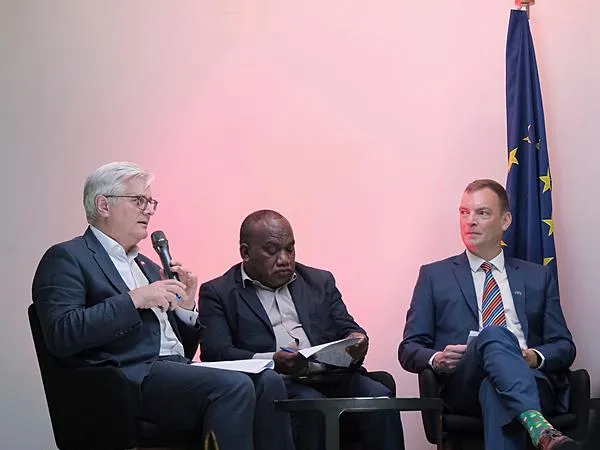
After the opening remarks from Minister for Environment of PNG Simo Kilepa, French Ambassador Guillaume Lemoiné and EU Delegation Charge’ d’affaires, Head of Cooperation Hans Lambrecht, provided an opportunity for the roundtable discussion, including a question-and-answer session based on themes of forest protection, nature preservation, and climate change mitigation in PNG.

According to a press release by the French Embassy, the event was aimed to present lessons learned and best practices in conservation while fostering collaborative efforts to address environment and climate challenges in PNG.

French Ambassador Guillaume Lemoiné in his opening remarks highlighted the international momentum generated, culminating in USD100-million package announcement at COP28—just four months after the visit. He emphasized the pivotal role of the European Union, serving as co-leader and primary contributor to the PNG Country Package through its FCCB program.

Ambassador Lemoiné affirmed the commitment, saying: “France, the EU and the PNG Government will support the design of a tailored coordination mechanism to allow for donors, implementing partners, NGOs and government agencies to collectively work in the same direction.”

The roundtable was described as a success with the quality of the panelists and their testimonies – Climate Change Development Authority (CCDA) Managing Director Debra  Sungi; Conservation and Environment Protection Authority (CEPA) Managing Director Mickeal Bongoro ; (Department of National Planning and Monitoring) DNPM Deputy Secretary Mr Kera; Regional Director of Wildlife Conservation Society (WCS) Stacy Jupitor; UN Residential Coordinator Richard Howard; and Dr Hans Lambrecht; AFD Philippe Orliange.

A key point highlighted was the importance of collaborative action between the PNG government and its people. The goals of conservation and sustainable development were emphasizing the need to harness the country's natural resources and attract investment while safeguarding its ecological heritage.

The dialogue not only heralded a milestone in international cooperation but also signaled a renewed commitment to forging a sustainable path forward for PNG—one that harmonizes economic growth with environmental sustainability.

The PNG Country Package

This announcement of the Country Package is the result of an international coalition launched at COP27 in Glasgow in November 2022.

Country packages were first discussed at COP27 in Glasgow out of the forest and climate Leadership Partnership, aims to achieve international forests, biodiversity, and climate change objectives by coordinating the efforts of public, private, bilateral, multilateral, scientific and civil society players, including NGOs and philanthropies.

In 2023, Prime Minister James Marape and French President Emmanuel Macron announced on the margin of COP28 in Dubai the USD100-million commitment from the European Union, France, Australia, the Global Environment Fund, Asian Development Bank, FAO, IUCN, WCS, as well as the Seed Fund to support Papua New Guinea in achieving its objectives in biodiversity, conservation, and sustainable development.

The coalition brought together eight major forest countries: Ghana, Congo, Democratic Republic of the Congo, Gabon, Indonesia, Colombia, Brazil, and Papua New Guinea, as well as lead donors, at this time France, the European Union, Norway, the Unites States, Singapore, Germany, and the United Kingdom to support the mobilization process of a holistic approach to long term, sustainable and nationally designed conservation programs.

In this context, the EU and France have extended their support to “co-lead” the process with the PNG Government to identify partners and raise funding.

EU Initiative: EU FCCB Program proves climate change and economic growth can be balanced

The EU has become the world’s largest provider for climate financing forging partnerships with a string of nations around the world to facilitate the green transition and globe resilience against the effects of climate change.

EU has invested more than Kina 2 billion in socio-economic development over the last 3 decades in PNG. But in more recent years, protection of tropical rainforests has become one of the EUs’ efforts in PNG.

The EU’s critical role of support in the livelihood for over 80% of the population has resulted in the launch of a new initiative in PNG, the Forestry Climate Change and Biodiversity (EU FCCB) Program, to prove that climate change and economic growth can go hand in hand.

EU FCCB focus on forest conservation and in creating economic opportunities connected to its targeting intervention at the national, subnational, and community levels.

EU has set several key priorities with the government to be strategic with its approach and is an on-going discussion. The new program aims to achieve its main objective and that is to protect the environment while promoting green livelihood through sustainable, inclusive and gender responsive practices.

EU FCCB program is based on 3 main pillars:

  1. Governance and institutional support involving EU’s provision of technical support at national and subnational level so that public and stakeholder participation is organized.
  2. Increase knowledge and awareness. EU FCCB will support training about the environment and sustainable development at all levels of PNG’s education system; from primary to tertiary levels as well as PNG based research in the field.
  3. Green investment and deforestation free livelihood. EU FCCB Wants to provide the right tools to communities willing to take part in protected areas and sustainable land use projects supported by private and public sector investments.

 WCS Focus Collaboration for PNG Communities: Balancing Conservation and Economic Growth

In the pursuit of enhancing the impact of conservation efforts in PNG, the Wildlife Conservation Society (WCS) is strategically focusing on the needs of local communities and exploring avenues for collaboration among donors, NGOs, and the government.

To help scale these efforts under the Country Package, there are opportunities for the PNG government and development partners to support interested communities in several ways.

One key aspect of this collaborative effort is to ensure that landowners and marine rights holders are well-informed about their rights and understand how conservation deeds and LLG laws function as legal instruments. This requires widespread education and outreach initiatives to empower local stakeholders.

Furthermore, there is a pressing need to provide training to community and local government in effective management implementation. This includes capacity building in planning, monitoring, and surveillance, as well as financial literacy training to enable them to access resources from direct access funds effectively.

Additionally, its efforts will be directed towards encouraging the broader community to become environmental managers through support for livelihoods and sustainable value chains. Partnerships with the private sector, particularly those promoting sustainable sourcing, ecotourism, and long-term investments in climate finance or biodiversity credits, are crucial. 

WCS is ready, as a delivery partner under the Country Package, to support the PNG Government and partners from France, the EU, United Nations agencies and others to collectively achieve the ambitions laid out under the Country Package.

Investment Opportunities in PNG

PNG is recognized as the third-largest rainforest globally, and with 97% of its land under the tenure of Indigenous Peoples, there are significant opportunities for investment in various sectors. However, it is crucial to prioritize negotiation and awareness-building among investors, the government, and local communities to ensure mutually beneficial outcomes.

With PNG heavily reliant on natural resources sectors like forestry, mining and agriculture, tourism and fisheries can directly benefit from sustainable management practices. PNG welcomes investors across these sectors, emphasizing the importance of aligning economic growth with environmental stewardship.

While highlighting the government's support in policy formulation and the implementation of sustainable practices in the high-level roundtable dialogue; It is crucial as emphasized for the need to increase awareness and education among landowners.

Proper investment in sustainable practices can empower communities to get maximum benefits from investments while safeguarding their natural resources for future generations.

The recent High-Level Dialogue has reiterated the importance of biodiversity, conservation, and the need to strike a balance between conservation efforts and economic development. As PNG serves as one of the last remaining buffers against climate change, preserving its rich biodiversity should be a shared global priority.

By fostering collaboration, raising awareness, and promoting sustainable practices, PNG can achieve its dual objectives of conservation and economic growth, ensuring a prosperous and resilient future for its communities.

April 01, 2024

In an empowering move for local agriculture and economic growth, Prime Minister and Treasurer Hon. James Marape has announced a significant K5 million funding to the Markham District Development Authority (DDA) in Morobe. This substantial investment is targeted at the development of the cocoa industry among other economic ventures, aligning with the surge in global cocoa prices to unprecedented levels.

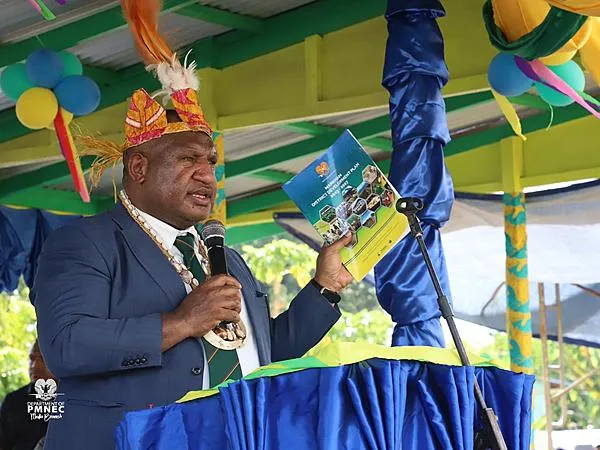
The announcement was made at the Mutzing district headquarters on Friday, March 29, 2024, coinciding with the inauguration of the Markham District Administration complex and the launch of the Markham District Development Plan 2023-2027.

Addressing a large gathering at Mutzing Station, Prime Minister Marape emphasised the economic potential of local agriculture: “There is money in the villages,” he stated.

Highlighting the lucrative opportunity presented by the current cocoa market, he said, “Cocoa is now paying K1,300 per bag. God has given you land to work and make money. There is money in cocoa, corn, taro, coffee, oil palm. If you want the Government to bring in development, you too must work for your country.”

Prime Minister Marape laid out a vision for grassroots economic empowerment, suggesting that if 5,000 young men from Markham engage in agriculture, earning K10,000 each annually, it could inject K50 million into the district’s economy. He underscored the Pangu Pati Government’s commitment to boost agricultural productivity: “The Pangu Pati Government, from 2019-2024, wants you to go to your gardens, make money, and we will put money into districts that will link you to economic productivity.”

The Prime Minister encouraged active participation in agriculture: “Money is there, you are not poor, my people. Just because you are lazy, you remain poor, come back home as there is money in the land. You live along the Highlands Highway so you have no excuse to be poor.”

Prime Minister Marape, noted the cocoa success stories from the Sepik provinces, Bougainville, and East New Britain, where locals have significantly benefited from high crop prices.

April 01, 2024

This year’s Business Conditions Index indicates a positive path for growth, as revealed in the 2024 CEO Survey.

Westpac Bank PNG Ltd Senior Economist Justin Smirk interpreted the results of the survey during the company’s recent sponsored breakfast at Stanley Hotel-Port Moresby on 20th March.

The information offered clear insight into experiences in past years, as well as indications of present-year expectations and profits for businesses in PNG.

Considering a challenging 2023, characterized by low performance, the outlook for 2024 shows resilience and adaptability within the business sector, Smirk said.

Despite a temporary dip in profit forecasts below the long-term average, as graph 1.1 illustrates that profits exceeded expectation between 2021 and 2023, indicating a rapid surge above average to 80%.

Businesses have shown remarkable stability in their recruitment and investment efforts in 2024. Graph 1.2 depicts an ease in profit expectations above the 50% average.

This steadfast commitment to growth and development has supported the overall Business Condition Index for 2024, maintaining a positive movement above average, although tempered compared to previous years, the Westpac poll showed.

The survey revealed that employment expectations and non-mineral employment also remain above average, indicating positive employment growth.

Particularly noteworthy was the growth in non-minerals employment, indicating a slight increase from 50% to 65% variation between June 2022 and June 2023.

The poll also revealed some factors holding back businesses in PNG, such as a shortage of expertise skills, foreign exchange affecting economy, security, law and order issues, unreliable utilities, lack of government capacity and regulatory uncertainty.

Addressing these issues could have a significant positive impact on the country’s economy, Westpac said.

Smirk also provided a detailed analysis of the economic indicators, outlining both challenges and potential solutions for achieving sustainable growth.

The opportunities for PNG remain in place, as he said that major resources projects such as mining, oil and gas, renewable energy, agriculture, forestry, water management and infrastructure development continue to present significant opportunities for the nation.

“These are a just few examples, and each project can involve significant investments, technology, recruitment opportunities and result in increased profits,” Smirk said.

These approaches underscore the business sector’s ability to deal with uncertainties and capitalize on emerging opportunities, fostering a promising business landscape for sustained progress, he added.

Westpac Chief Executive Officer Brett Hooker also spoke at the event, saying: “We are proud to be sharing our expertise in finance and banking with local business leaders.”

“The 2024 Business Expectations Index through this survey is an important indicator of what business leaders are thinking and how they want to operate their businesses into the future.”

“As the first bank in Papua New Guinea, we’ve seen a lot of changes, but the Westpac of today has the same purpose as when we opened the first branch in Port Moresby in 1910 -- that is to support economic growth that helps people and businesses across PNG to thrive," said Mr Hooker.