

November 25, 2025

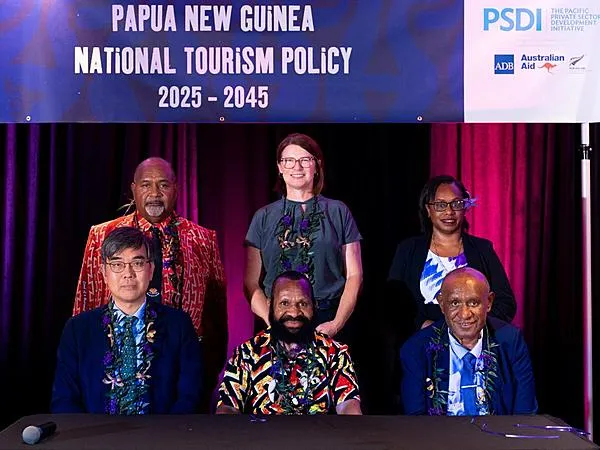
The Papua New Guinea Tourism Promotion Authority (PNGTPA) has officially launched the National Tourism Policy 2025–2045, establishing a 20-year roadmap to develop a resilient tourism sector that promotes sustainable and inclusive economic growth while safeguarding the country’s cultural and natural heritage. The policy was developed with support from the Pacific Private Sector Development Initiative (PSDI).

Writing in the policy’s foreword, PNGTPA Chief Executive Officer Eric Mossman Uvovo said: “As one of the fastest growing socio-economic sectors, tourism has the innate potential to stimulate growth, create decent jobs and business opportunities, and improve livelihoods.”

The policy sets out to increase the supply of quality visitor experiences, achieve global benchmarks in sustainable tourism, enhance PNG’s competitiveness as a niche tourism destination, and boost tourism’s contribution to employment, revenues, and small and medium enterprise development. To achieve these outcomes, the policy is structured around 15 priority areas, with specific actions and responsible partners identified for each.

Minister for Tourism, Arts and Culture, Honourable Belden Norman Namah, said: “Our National Tourism Policy marks a new chapter for tourism in Papua New Guinea. It is focused on maximizing tourism opportunities and will position the sector as a pillar of inclusive and sustainable national development.”

The policy was developed through extensive consultations with public, private, and community tourism stakeholders, reflecting a shared vision for the sector and a whole-of-government commitment to its development. Implementation will be led by PNGTPA and monitored by the Parliamentary Committee for Tourism, Arts and Culture.

In his remarks at the launch, Soon Chan Hong, Asian Development Bank Country Operations Head, highlighted the importance of collaboration:

“The policy’s success will depend on commitment from all stakeholders, not just the Tourism Promotion Authority, to continued dialogue and to ensuring that it is implemented with sustainability and inclusion in mind.”

PSDI began supporting the development of the policy in 2023, assisting PNGTPA with stakeholder consultations and the drafting of the document for government endorsement. At the launch, Mr. Uvovo acknowledged PSDI’s contribution:

“I would like to thank PSDI. Without your support, without your input, I don’t think we would have reached this milestone.”

The National Tourism Policy 2025–2045 positions PNG to harness tourism as a key driver of economic growth, community development, and environmental stewardship over the next two decades.

November 10, 2025

The Pacific Tourism Organisation (SPTO), through its Pacific Tourism Data Initiative (PTDI) and in close collaboration with the Papua New Guinea Tourism Promotion Authority (TPA), has released the Papua New Guinea International Visitor Survey (IVS) for the period January–June 2025. This report provides critical insights into the travel motivations, expenditure patterns, and satisfaction levels of international visitors to Papua New Guinea (PNG), supporting ongoing efforts to strengthen the country’s tourism strategies and enhance the visitor experience.

PNG is among 10 Pacific Island countries — the Cook Islands, Niue, Vanuatu, Tonga, Solomon Islands, Samoa, Kiribati, Timor-Leste, and FSM-Yap — participating in the Pacific Tourism Data Initiative funded by the New Zealand Government. PTDI continues to serve as an essential resource for tourism data across the Pacific through its biannual International Visitor Survey (IVS), an annual Business Confidence Index (BCI), and an annual Community Attitude Survey (CAS), strengthening regional tourism strategies.

The survey analysed 1,415 responses, representing 3% of total visitors during the period, with a 22% response rate. Key findings revealed that 46% of respondents were first-time visitors, with an average household income of USD 60,000–79,999. International visitor arrivals increased to 53,379, up from 48,622 in the same period in 2024, reflecting sustained recovery driven by targeted marketing, improved air connectivity, and government-led initiatives to raise PNG’s tourism profile.

Visitors were primarily drawn by PNG’s natural landscapes, cultural diversity, and business opportunities, as well as connections with family and friends. Historical and heritage attractions, particularly World War II sites, continued to strengthen PNG’s appeal as a unique cultural and historical destination.

From an economic perspective, the average total spend per visitor was USD 2,278, with 65% (USD 1,552) estimated to directly benefit the local economy. The total economic impact of international tourism for the six months was valued at USD 121 million (PGK 491 million). Although average visitor spending decreased compared to the same period in 2024, the data suggests a shift toward higher prepaid expenditure, indicating evolving traveller purchasing behaviours and a greater reliance on digital booking channels.

Visitor satisfaction remained high at 4 out of 5, with 93% of respondents recommending PNG and 86% indicating willingness to return. Positive feedback focused on the friendliness of local people, cultural diversity, and natural beauty, while areas for improvement included safety, domestic air travel, costs, and infrastructure.

TPA’s Chief Executive Officer, Eric Mossman Uvovo, highlighted the significance of the findings in guiding future tourism development.

“The International Visitor Survey provides valuable insights into the motivations and experiences of our visitors. This information enables us to refine our marketing and product strategies, strengthen partnerships, and deliver a more seamless visitor experience. With robust data, we can position Papua New Guinea as a competitive, culturally rich, and resilient destination in the Pacific,” said Uvovo.

SPTO’s Chief Executive Officer, Christopher Cocker, reaffirmed SPTO’s commitment to advancing regional tourism research and supporting data-driven decision-making. “Through the Pacific Tourism Data Initiative, SPTO continues to empower Pacific Island countries with high-quality data to inform sustainable tourism growth. We commend PNGTPA for its commitment to evidence-based policy and planning. These findings not only support national tourism strategies but also contribute to the region’s collective vision for a sustainable and resilient Pacific tourism sector,” said Cocker.

September 19, 2025

The Treasurer of the Central Bougainville Tourism Association (CBTA), Delwin Ketsian, said the 2025 Tama Festival has the potential to become a major economic driver for Bougainville.

“We see the Tama Festival not only as a cultural celebration but as an economic driver for Bougainville tourism. With more partnerships and planning, this festival will grow even stronger in the years to come,” Ketsian said.

Held over two days from 21–22 August at Independence Oval in Arawa, the festival drew more than 3,000 attendees, including visitors from South and Central Bougainville as well as a small number of international tourists. This level of participation reflected the festival’s growing role in boosting the local economy, with cultural tourism, small business activities, and market sales contributing directly to community livelihoods.

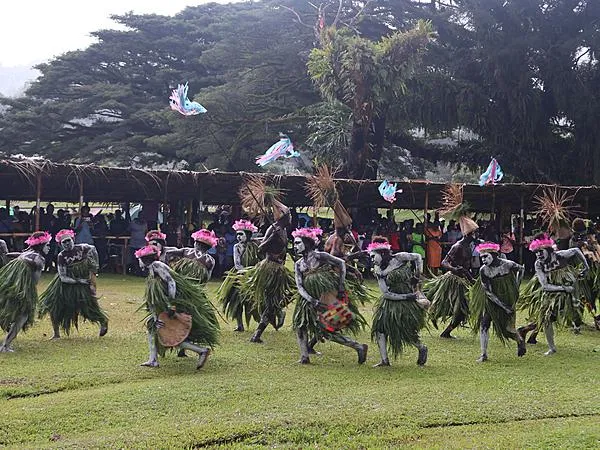
Festival highlights included the famous Singsing Kaur competition, panpipe ensembles, the showcasing of the traditional delicacy Tama, and displays of arts and crafts. Youth groups brought innovation to the program by blending panpipe harmonies with modern instruments, while women’s groups led chant performances, bilum weaving, and food stalls, which showed how cultural activities are also tied to enterprise and income generation.

The presence of the Police Minister and Regional Member for Bougainville, Peter Tsiamalili Jnr, who is also Patron of CBTA, underscored the festival’s national significance. In closing the event, he emphasized culture as a foundation for unity and future growth.

“The Tama Festival reminds us that our strength as one people lies in our culture and unity. This event shows the world that our traditions remain the foundation of our identity and our journey together as one people,” Tsiamalili said.

The festival’s success was further attributed to strong corporate and institutional support. Sponsors included Vodafone PNG, Fincorp, Melanesian Luxury Yacht Services, Nikana Finance Limited, SP Brewery, Silent World Bulk Fuel, Bougainville Arts Culture Tourism Authority (BACTA), and the Office of the Regional Member. Their contributions highlighted the role of private sector partnerships in enabling large-scale events that stimulate tourism and commerce.

Interim CEO of BACTA, Lorena Ritsi, described the festival as a vital cultural and economic platform. “The Tama Festival is a celebration of talent, creativity, and community. It creates a space where our artistic skills, especially in culinary arts, are showcased and tested, reminding us of the richness of our culture,” she said.

Ritsi added that BACTA’s mission is to promote, preserve, and regulate cultural and tourism products in the region, putting events like the Tama Festival as key drivers of the tourism economy while keeping traditions alive.

Organizers also identified areas to strengthen the festival’s business and tourism value in the future, including earlier planning, wider youth and schools engagement, and stronger sponsor partnerships. The committee plans to expand the program to involve more regional groups and step up international promotion, with the goal of positioning the Tama Festival as a premier cultural tourism attraction for Bougainville.

By merging cultural preservation with tourism development, the Tama Festival demonstrates how heritage can drive business, create opportunities for small enterprises, and contribute to the region’s long-term economic development.

August 26, 2025

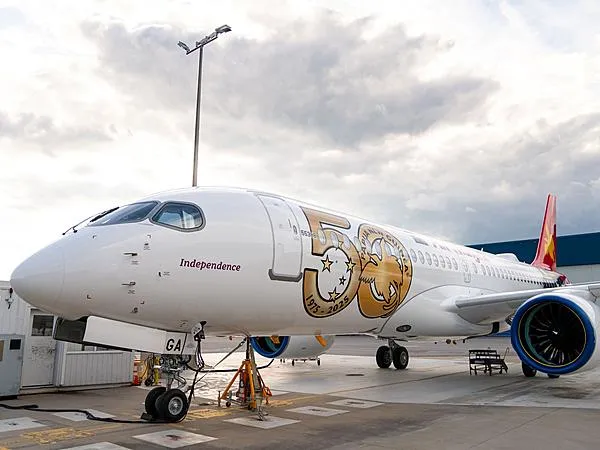
Air Niugini has unveiled a special commemorative livery on its first Airbus A220, marking a significant milestone in both the airline’s history and Papua New Guinea’s 50th independence anniversary.

The brand-new aircraft, affectionately dubbed the People’s Balus, features a vibrant design incorporating Papua New Guinea’s national flag and the official 50th anniversary logo. The livery serves as a flying tribute to the nation’s rich heritage and bright future, proudly showcasing the colours of Papua New Guinea both domestically and across the region.

The intricate painting process was carried out at the Airbus facility in Mirabel, Canada. A dedicated team of 120 painters worked around the clock in three shifts to bring the design to life, using 11 distinct colours and employing special airbrushing and advanced stencil overlay techniques to achieve the complex layering effect. This marks only the second time Airbus has applied such a technique on an A220, setting a new benchmark for aircraft livery design.

Air Niugini acting CEO Capt. Samiu Taufa, MBE, said: “This aircraft is more than just a new addition to our fleet. It is our first brand-new, next-generation jet and captures the spirit of our nation and our aspirations for the future. As we celebrate 50 years of independence, the People’s Balus stands as a testament to our journey and our commitment to progress.”

The Airbus A220 comes in two variants — the A220-100 (seating 113 passengers) and the larger A220-300 (seating 138). Powered by new-generation Pratt & Whitney GTF engines and featuring advanced aerodynamics, the A220 delivers about 25% lower fuel burn per seat and a 50% smaller noise footprint compared with the older aircraft it will replace. Its cabin offers an exceptional and comfortable in-flight experience, with wider seats, extra-large windows, spacious overhead bins, free Wi-Fi and a quieter, well-lit environment.

The aircraft currently carries the Canadian test registration C-FOWU. Once PNG Civil Aviation Safety Authority requirements are completed, the People’s Balus will be registered as P2-PGA, followed by the issue of a PNG certificate of airworthiness, before its delivery flight from Mirabel to Port Moresby.

With this aircraft, Air Niugini begins a new era of modernisation, focused on gradually phasing out its Fokker fleet and eventually its Boeing 737s, while improving connectivity and reliability across the country and the region.

Air Niugini has ordered 11 A220s as part of its fleet renewal programme. Three will be delivered by the end of this year, with the remaining aircraft arriving over the next three years.

The first People’s Balus is scheduled to arrive in Port Moresby in September, perfectly timed to coincide with the nation’s 50th independence anniversary. Air Niugini is inviting all Papua New Guineans to share in this historic moment as the aircraft takes to the skies, embodying the pride and unity of the nation.

August 22, 2025

Papua New Guinea took centre stage at the NATAS Holidays Travel Fair 2025 as a proud Partner Destination, captivating audiences with a vibrant showcase that interwove cultural richness with boundless adventure.

Held from 15–17 August at Singapore EXPO Halls 5 and 6, the event was a golden opportunity for PNG to shine on the international tourism stage. Under the banner PNG: Adventure Meets Culture, the PNG Tourism Promotion Authority, in partnership with Air Niugini and Changi International Airport and backed by the National Association of Travel Agents Singapore (NATAS), presented the nation’s unique offerings to a discerning audience of travellers and trade professionals.

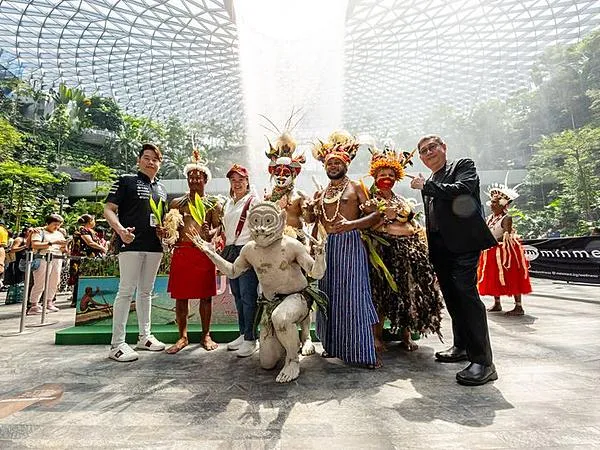
A striking highlight unfolded on 17 August at Singapore’s scenic Jewel Changi Airport, where cultural performers from Papua New Guinea mesmerised visitors with a free public performance set against the serene Forest Valley and the world’s tallest indoor waterfall.

Complementing the live spectacle, a photo booth and display wall commemorating Papua New Guinea’s 50th Independence Anniversary were installed at Changi Airport, inviting travellers to capture a moment of celebration and reflection. The installation, adorned with vivid PNG imagery, will remain on display for a month.

Reflecting on the participation, Joel Keimelo, Executive Manager – Marketing & Promotions at PNGTPA, said:
“Our presence at NATAS Holidays 2025 was a strong opportunity to share Papua New Guinea’s story with Singapore — a city that is itself a hub for international travellers. Through culture, adventure, and collaboration with valued partners like Air Niugini and Changi Airport, we invited travellers to discover the million different journeys Papua New Guinea has to offer.”

As Singapore’s largest consumer travel fair, NATAS Holidays draws thousands each year, making it an ideal platform for PNG to reinforce its appeal as an authentic cultural and adventure destination in the Asia-Pacific region.

August 07, 2025

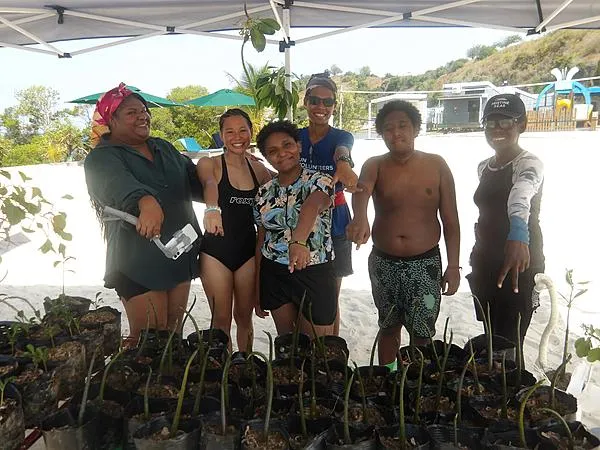
In recognition of World Mangrove Day, Loloata Island Resort led a coastal rehabilitation activity involving resort guests, local staff and volunteers, highlighting its ongoing commitment to marine conservation, ecological restoration and sustainable tourism.

The event saw the planting of 58 Aegialitis annulata seedlings in polybags and the transplantation of 15 mature specimens along the shoreline between Overwater Suites Rooms 2 and 3. The initiative was guided by the resort’s resident marine biologist, Donnya Gordon and conservation officer, Elijah Haru, who provided guests with hands-on education on mangrove ecology and climate resilience.

The selected planting site was chosen based on ecological suitability, with Aegialitis annulata already present and thriving in the area. According to Donnya Gordon “This species is highly adapted to the site’s salinity levels, rocky substrate and exposure to wave action, giving it a greater likelihood of survival and long-term ecological contribution.”

The activity drew participation from a diverse group of guests, including a mother and her four sons, three young cousins—one of whom expressed aspirations to become a marine biologist—and two Papua New Guinean social media influencers, Patronella Gawi and Dagia Aka. Their presence added a vibrant and engaging dynamic to the event, which was marked by an atmosphere of collaboration, curiosity and shared environmental purpose.

Guests received an introduction to the critical role of mangroves in maintaining coastal health, including their function as nurseries for juvenile marine organisms, natural carbon sinks and buffers against coastal erosion. Special emphasis was placed on Rhizophora stylosa, a dominant front-zone mangrove species with extensive ecological value in the region.

The activity was part of a broader programme initiated by Loloata Island Resort in collaboration with the Conservation and Environment Protection Authority (CEPA), local community members and students from the International Education Agency (IEA). The programme aligns with the resort’s long-term sustainability strategy, which includes regular coral planting, reef monitoring and educational outreach.

“Loloata is situated in an area increasingly impacted by development pressures and consistent plastic pollution ,” said Elijah Haru. “It is essential that we not only protect the remaining natural habitats, but also take proactive steps to rehabilitate degraded areas. Our initiatives aim to do just that—while also involving the next generation in environmental stewardship.”

The resort maintains a robust monitoring system for all conservation activities, including daily observations and data collection by the environmental team to assess survival rates and inform future restoration efforts. These efforts are critical to strengthening the resort’s coastal resilience and supporting the biodiversity of surrounding marine ecosystems.

Looking ahead, Loloata Island Resort intends to expand its guest engagement in conservation programmes. “We believe experiential education is a powerful tool,” said Donnya Haru. “When guests participate directly in planting mangroves or restoring coral reefs, they leave with a deeper appreciation of their role in protecting the planet.”

The event underscored Loloata’s position as a leader in conservation-oriented hospitality in Papua New Guinea, and reaffirmed its commitment to safeguarding coastal ecosystems through science-based restoration, public awareness and inclusive participation.

August 04, 2025

The Papua New Guinea Tourism Promotion Authority (TPA) and the Small and Medium Enterprises Corporation (SMEC) have joined forces to boost the development of tourism-focused micro, small and medium enterprises (MSMEs) across the country, while also investing in youth empowerment through targeted awareness and training programmes.

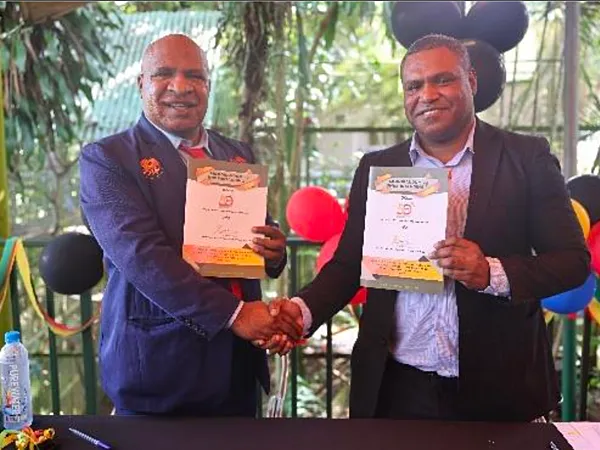
On 27 June, the two agencies signed a five-year Memorandum of Understanding (MOU) at the Kokoda Trail Motel in Port Moresby. The agreement formalises a new chapter in public sector collaboration to deliver entrepreneurship training, support business formalisation, and promote compliance in tourism MSMEs.

The MOU was signed by TPA CEO Eric Mossman Uvovo and SMEC Managing Director Petrus Ralda, witnessed by Executive Manager for Research and Business Development Douglas Keari and SME Business Advisory & Capacity Building Director Diana W. Guria.

Under the agreement, TPA and SMEC will jointly roll out "Start Your Business" and "Improve Your Business" programmes, offer assistance with business registration and tax compliance, and create customised training materials tailored to the tourism sector. Training costs and logistics will be shared.

“Tourism has enormous potential to lift communities out of poverty and drive sustainable growth. This MOU allows us to reach deeper into rural and remote areas where tourism opportunities exist but lack the technical support to flourish,” said Ralda, lauding the initiative as a vital step in bridging tourism and entrepreneurship.

Speaking on behalf of TPA’s CEO, Keari said the partnership was a long-awaited boost for tourism’s grassroots.

“For too long, aspiring tourism entrepreneurs have lacked access to the training, resources and support needed to grow. This collaboration with SMEC fills that gap by ensuring our MSMEs are equipped to thrive in both local and international markets,” Keari said.

He added that the partnership aligns with TPA’s broader mission to stimulate sustainable tourism and build resilient local economies.

“Through this partnership, we are creating the foundation for a more inclusive tourism industry, one that empowers our people, protects indigenous knowledge and supports long-term economic growth,” he said.

During the ceremony, both Keari and Mr Pundu graduated as International Labour Organization (ILO) Start and Improve Your Business (SIYB) trainers, marking a milestone in TPA’s internal capacity-building efforts. Since first participating in 2023, TPA has trained six staff as certified ILO trainers, enabling it to deliver business training directly to tourism SMEs nationwide.

Youth Find Pathways into Tourism Sector

In a separate but complementary initiative, more than 70 youths from Port Moresby took part in a TPA-led tourism awareness session on 9 July at Pari Village, as part of the National Capital District Commission’s (NCDC) Urban Youth Employment Project II (UYEP).

The session marked the beginning of a series of workshops aimed at introducing out-of-school and unemployed youth to careers in the tourism and hospitality sectors. Future sessions will take place at Saivara Community and PNG Defence Force Barracks, covering topics such as Basic Tourism Awareness, Customer Service Skills and Tour Guiding Techniques.

“Training like this is transformational,” said Bruce Imata, UYEP's Internship Training Coordinator. “It introduces our youth to a whole new world of possibilities in the tourism industry. Many of them have never thought about a career in tour guiding. TPA’s presence here shows that tourism isn’t just for international travellers, it’s a local opportunity, and it can change lives.”

The training featured interactive discussions, real-life insights into service delivery, and education on cultural heritage and destination promotion.

One participant, Terence Apa from Goroka, said the experience gave him a new vision for his future.

“I see now how powerful tourism can be. Back in Goroka, we have beautiful mountains, culture and coffee farms. This training has given me the vision to go back and build a small guesthouse, maybe even run cultural tours. I want other young people in my village to dream big too,” said Apa.

PNG’s youth face daunting challenges. According to government data, one in four young people—about two million—are classified as NEET (Not in Education, Employment or Training). Fewer than 16 percent of boys and 12 percent of girls complete secondary school, and youth are responsible for 80 percent of crimes. Seventy-one percent of the prison population is under the age of 25.

With 60 percent of PNG’s population under 25, according to the United Nations Population Fund (UNFPA), initiatives like UYEP and TPA’s awareness programme are crucial to unlocking alternative pathways.

TPA CEO Uvovo praised the young participants and partners for driving tourism awareness forward.

“This initiative is a step into a doorway for our youth to participate in the formal economy. I thank the Policy and Strategic Planning Division for spearheading this engagement and for seeing tourism not just as an economic driver, but a youth empowerment tool to inspire and build potential tourism ambassadors that will become change agents for PNG,” said Uvovo.

July 28, 2025

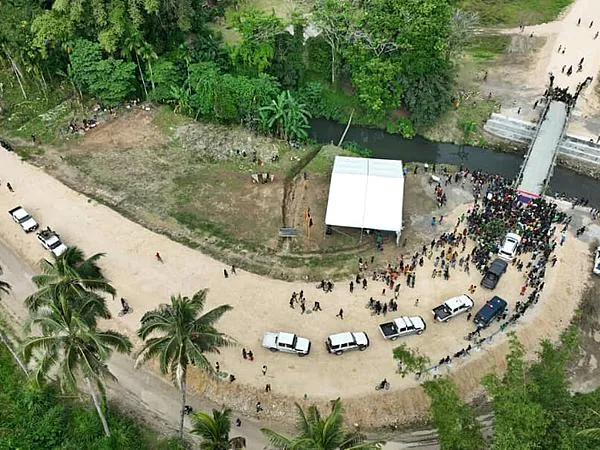
A new 30-metre Bailey bridge was officially opened last Friday to connect and serve the people of Siara Korepovi and the entire West Coast of Bougainville.

The Mo’ove Bridge was inaugurated by the National Minister for Works and Highways Solan Mirisim and the National Minister for Police and Regional Member for Bougainville Peter Tsiamalili Jr.

The 30-metre Bailey bridge cost a total of K3.3 million (approximately US$850,000) and was funded through the PSIP funds of the Regional Member for the Autonomous Region of Bougainville (AROB), and constructed by Raibro Construction Limited.

Speaking at the event, ABG Member for Selau Constituency Paul Cheung described Mo’ove as a bridge that not only represents infrastructure, but also hope, access and progress for communities along the West Coast—a link to reach the unreachable, thanks to the Marape-Rosso Government.

“This bridge is more than just a lifeline – it connects us, not just physically but socially and economically,” Cheung said.

National Minister for Works and Highways Solan Mirisim commended Raibro Construction Ltd for delivering quality infrastructure that will serve the people of Bougainville in the West Coast, and said he looked forward to more such projects being built.

“The Marape-Rosso Government has a vision for all of Papua New Guinea (PNG) to be connected by roads within 20 years through its Connect PNG Programme, and the Mo’ove Bridge is the first of many to come,” he said.

“I look after all the roads under the Connect PNG Programme. We build roads to where people are, but we also open doors for economic opportunities,” he said, adding that the PNG Government has invested K400 million (approx. US$103 million) in roads in Bougainville.

Regional Member for Bougainville and National Minister for Police Peter Tsiamalili Jr, also acknowledged the Marape-Rosso Government for delivering such vital services to the people of Bougainville. He called on the citizens of the West Coast to take ownership of the bridge and safeguard it.

“My first and foremost responsibility is to make sure that the quality of life for my people of Bougainville is my number one priority. Today, my people of Selau, Mahari, Kunua and Kereaka—it is a privilege to witness the opening of this first bridge on the West Coast. This is our bridge. Look after it,” he said.

He also thanked Minister Mirisim for his leadership in the Ministry of Works and Highways, especially his drive to bring development to underdeveloped areas of PNG. Tsiamalili further assured the Kereaka community that before the end of the year, the missing link connecting the West Coast would be addressed.

“Within this 50 years of PNG independence, all bridges on the West Coast will be completed up to Korepovi. I am not biased—I am giving back your money through the taxes you pay, and I start with the West Coast and will move on to the rest of Bougainville,” he said.

The Mo’ove Bridge project was designed and supervised by the National Department of Works and Highways through its Bougainville office, with support from the ABG Department of Technical Services.

Minister Mirisim also announced that the Siara–Korepovi Road would soon be gazetted as a national highway, with paperwork currently underway for the construction and sealing of an additional 2.5 kilometres of road from Tonn to Chabai.

The celebration was witnessed by delegates from the National Department of Works and Highways, ABG Department of Technical Services, Selau Community Government Members, Chiefs, Bougainville Police Service, Raibro Construction Ltd and sub-contractors, and the people of Selau, Mahari, Kunua and Kereaka.

July 25, 2025

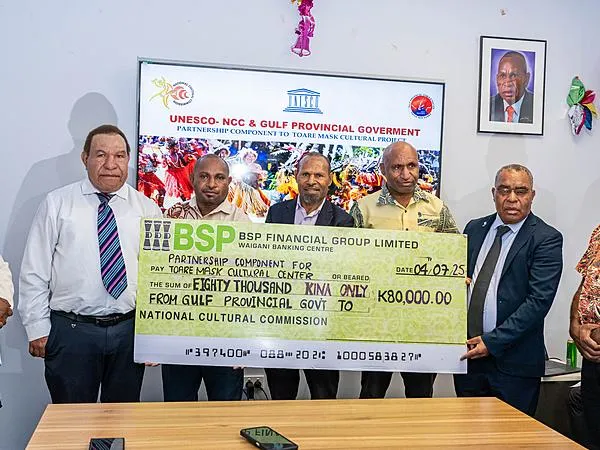
PORT MORESBY — In a landmark move for cultural preservation, the Gulf Provincial Government has become the first in Papua New Guinea to financially align with the National Cultural Commission (NCC), reinforcing a shared commitment to protect and promote the nation’s diverse traditional heritage.

On 4 July 2025, at the NCC head office in Port Moresby, Gulf Provincial Administrator Clement Tare officially handed over a K80,000 (approximately USD 21,600) cheque to NCC Executive Director Steven Enomb Kilanda. The funding marks the province’s state party contribution towards completing the Toare Cultural Centre — a major community-driven project based in Toare Village, Gulf Province.

Kilanda welcomed the partnership as a “historic milestone” for PNG’s cultural sector.

He also expressed appreciation to Gulf Governor Chris Haiveta and Administrator Tare for their firm commitment to culture. This support, he said, will ensure the Centre’s proper completion, operation, and future cultural programmes in the province.

Jointly developed by the NCC and UNESCO, the Toare Cultural Centre forms part of a broader initiative to have the Toare Mask Culture nominated for inscription on UNESCO’s Urgent Safeguarding List.

With the Gulf Provincial Government’s K80,000 (USD 21,600) contribution now secured—adding to NCC’s initial support of K20,000 (USD 5,400)—the project is on track for completion. The Centre is scheduled to officially open on Friday, 11 July, with the Annual Toare Mask Festival taking place from 12 to 13 July.

Administrator Tare commended NCC’s grassroots-led approach, saying the Centre would become a “beacon of pride” for the people of Gulf and serve as “a powerful tool for youth education and cultural revival.”

He pledged continued support, including further financial assistance for the Toare Mask Festival and other heritage initiatives.

“Our commitment reflects a broader vision to place culture at the heart of community development and identity restoration,” Tare said.

This three-way partnership among the Gulf Provincial Government, the National Cultural Commission, and UNESCO marks Papua New Guinea’s first provincial-level cultural development collaboration of its kind — setting a new precedent for provinces across the country.

As the official opening draws near, the Toare Cultural Centre stands as a powerful symbol of cultural unity, government leadership, and international cooperation, safeguarding PNG’s irreplaceable heritage for future generations.

July 21, 2025

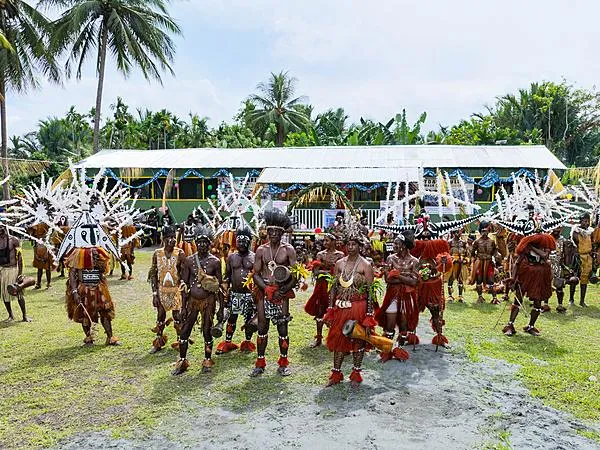
TOARE, Gulf Province — The Toare Mask Festival has been successfully revived through a collaboration between TotalEnergies, the National Cultural Commission (NCC), and the Gulf Provincial Government. The two-day cultural event, held on 12-13 July, marked the 20th anniversary of the festival and the official opening of the Toare Cultural Centre.

First established in 2005, the festival was celebrated annually until 2014. It was revived in 2022 and continues to grow in prominence as a signature cultural event for the Gulf Province.

This year’s celebrations began on 12 July 2025 with an official launch attended by Gulf Provincial Administrator Clement Tare, TotalEnergies Managing Director Arnaud Berthet, and European Union Ambassador to Papua New Guinea Jacques Fradin, along with other distinguished guests.

The following day saw the formal opening of the newly constructed Toare Cultural Centre, attended by Thomas Opa, member for Kerema Open and Minister for Finance; Alex Puki, research manager at the NCC (representing Executive Director Steven Enomb Kilanda); and Doris Apuka, representing UNESCO.

In his remarks, Minister Opa urged the local community to take ownership of the festival, stressing that it is not merely a cultural event but a vital expression of identity.

“We want the Toare Mask Festival to attract tourists from outside Papua New Guinea,” Minister Opa said. “The challenge over the past four to five years has been introducing international visitors to our unique culture through this traditional mask celebration.”

He also encouraged communities to preserve traditional knowledge and artefacts through the new facility.

“All the masks from the villages practising the mask culture must be stored at the cultural centre. We must understand the origins and purpose of each mask — this is an important event for us and must be promoted,” he added.

This year’s festival marked two decades since its inception and a major milestone in cultural preservation. The Toare Mask tradition is now undergoing nomination for inclusion on the UNESCO Intangible Cultural Heritage (ICH) List.

Following concerns about authenticity and the preservation of traditional masks, the NCC deployed two research officers to document the types of masks, their cultural significance, and the traditions associated with them. This research formed the basis for the formal nomination to UNESCO.

The Toare Mask tradition is the first from Papua New Guinea — and the wider Pacific region — to be nominated for inclusion on the UNESCO ICH List, a significant recognition of the country’s rich intangible heritage.

To support the nomination, the Toare Cultural Centre was established. Initial funding of USD 10,000 (PGK 41,169.20) was provided by UNESCO, followed by PGK 20,000 from the NCC as the state party. The Gulf Provincial Government later contributed an additional PGK 80,000 to expand the facility.

Speaking at the event, Alex Puki of the NCC said: “The National Cultural Commission has never partnered with an international organisation like UNESCO to build a cultural centre in a province. This is the first time such an initiative has been undertaken.”

“This achievement reflects our commitment to preserving and promoting Papua New Guinea’s cultural heritage at the community level,” Puki said. “Through this collaboration with UNESCO and the Gulf Provincial Government, we are not only safeguarding the Toare Mask tradition but also creating a permanent space for cultural learning.”

The Toare Cultural Centre is expected to play a vital role in cultural education, particularly for younger generations. Traditionally, masks were stored in family homes, where they were vulnerable to damage or loss. The new centre offers a secure and respectful space for their preservation

June 16, 2025

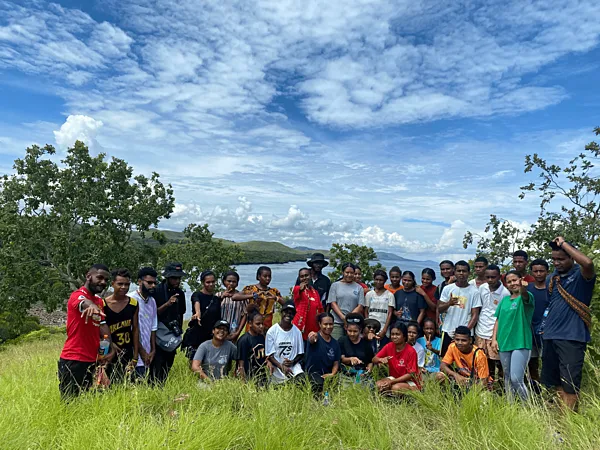
Barakau, a picturesque Motuan village just 25 minutes outside Port Moresby in Papua New Guinea, is making waves in environmental conservation through the Eda Davara Marine Sanctuary Project.

Named after the phrase “Our Sea” in the local language, the initiative is driven by passionate youth advocating for traditional indigenous practices and sustainable marine conservation.

Founded by Dikatauna Kwa and her university colleagues, Eda Davara began with mangrove research and restoration before expanding into broader ecological and community engagement efforts.

With visits to Barakau Primary School, the village ward councilor and a strong network in several universities in Port Moresby, the sanctuary project grew from strength to strength throughout the years.

Over the years, it has flourished into a multi-faceted program with six specialized teams: Administration, Marketing, Science, Policy and Governance, Tourism, and Community Projects.

A key achievement of the initiative is the EcoScholars Internship Program, which currently involves 13 students from universities across PNG -- University of Papua New Guinea, Pacific Adventists University, and the Institute of Business Studies University.

These young leaders bring expertise from fields such as economics, law, science, and tourism, ensuring a holistic approach to conservation.

Beyond its local impact, the Eda Davara Marine Sanctuary Project has established international partnerships that enable Papua New Guinea to participate in global environmental dialogues.

Its recent selection as a recipient of the Young Pacific Leaders (YPL) Small Grants highlights its growing influence in the region.

Eco-tourism plays a crucial role in supporting the project and the local community. Monthly Kohua Beach Tours offer visitors guided hikes, mangrove cruises, and opportunities to engage with conservation activities. Locals serve as tour guides and vendors, selling arts, crafts, and food, making eco-tourism a sustainable source of income.

To further its mission, the project organizes an annual Gala Night to raise funds for conservation efforts, including building a Research Wet Laboratory in Kohua. Last year’s event was a success, and organizers are looking forward to another impactful year.

For those interested in supporting the Eda Davara Marine Sanctuary Project, contact them via email at edadavara@gmail.com or call 675 7835 4067.

With a busy six months ahead, the team continues its dedication to marine conservation and community empowerment, solidifying Barakau as a beacon of sustainable development in Papua New Guinea.

May 12, 2025

The Pacific Tourism Organisation (SPTO), in collaboration with the Papua New Guinea Tourism Promotion Authority (PNGTPA), has released PNG’s first Business Confidence Index (BCI) report this month.

This report offers valuable insights into the country’s business outlook and tourism sector recovery, providing a crucial tool for evidence-based policymaking and enhanced private sector engagement. It also signals the start of a data-driven approach to tourism development and recovery in PNG.

The findings are set to inform future planning, guide strategic investment, and support initiatives to strengthen businesses across the sector, the organizations said in a statement.

The collaboration between SPTO and PNGTPA “shows a shared commitment to building an inclusive and dynamic tourism industry.”

PNG is one of ten Pacific Island countries participating in the Pacific Tourism Data Initiative (PTDI), joining the Cook Islands, Niue, Kiribati, Samoa, Vanuatu, Tonga, Solomon Islands, Timor-Leste, and FSM-Yap.

Funded by the New Zealand Government, the PTDI plays a pivotal role in reinforcing regional tourism strategies through high-quality data collection and research.

The initiative encompasses several key surveys, including the bi-annual International Visitor Survey (IVS), the annual Business Confidence Index (BCI), and the annual Community Attitude Survey (CAS).

The BCI survey was conducted over a four-month period from November 2024 to February 2025. It gathered 299 responses, of which 206 were deemed valid for analysis.

The success of this nationwide effort is credited to the strong partnership between SPTO and PNGTPA, who worked collaboratively to engage businesses across all four of PNG's regions: Southern, Momase, Highlands, and Islands.

SPTO Chief Executive Officer Christopher Cocker commended the partnership, stating: “This achievement reflects the strong leadership of PNGTPA.”

“Their close connection with the local business community and focus on data-driven planning were key to collecting valuable insights that will help shape the future of tourism in Papua New Guinea.”

The survey primarily targeted tourism-related businesses in line with its objective of gauging recovery and confidence within the sector.

As a result, 62% of respondents were from tourism enterprises, while the remaining 38% represented diverse sectors such as real estate, healthcare, media, engineering, and events management.

The survey revealed that 90% of the participating businesses were PNG-owned, underscoring the local ownership and involvement in the economy. Geographically, 52% of surveyed businesses were in the Southern region, with 25% each in the Momase and Islands regions, and 22% in the Highlands.

Revenue data showed a wide range of business sizes and financial outputs. Large tourism businesses reported an average annual revenue of PGK 10.3 million, whereas micro-enterprises recorded average revenues of PGK 15,594.

Expenditure analysis indicated that businesses allocated 33% of costs to labour, 37% to inventory, and 31% to other operating expenses. Importantly, nearly half (47%) of goods and services used by these businesses were sourced locally, with the remaining 53% imported.

Despite facing a range of operational and economic challenges, many businesses expressed cautious optimism about the future.

About 59% of respondents indicated that they were actively hiring, though constraints around workforce availability (40%), recruitment challenges (33%), and financial limitations (19%) were identified as key barriers.

Broader systemic issues such as security concerns (21%), inadequate infrastructure (19%), and limited government support (10%) were also highlighted.

In terms of growth potential, many businesses pointed to several opportunities: 19% cited growing visitor demand, 16% saw promise in strategic partnerships, 15% aimed to expand their operations, and 14% emphasized the need for stronger government support to facilitate growth.

PNGTPA CEO Eric Mossman Uvovo welcomed the report and praised the collaborative effort behind it.

“The BCI report is an important step forward in understanding the real-time challenges and opportunities our businesses face. We thank SPTO for its technical leadership and are proud to have partnered in this effort,” Uvovo said.

“This collaboration reflects our shared commitment to shaping a resilient, inclusive, and data-driven tourism sector for PNG.”

SPTO CEO Mr. Cocker said: “The Business Confidence Index is a key part of the New Zealand-funded Pacific Tourism Data Initiative, designed to capture local perspectives and guide tourism development that truly reflects community needs.

“We sincerely thank NZMFAT for funding this important survey, the PNGTPA team for their strong collaboration, and the businesses that contributed their time and insights.”

April 29, 2025

Three legends in Papua New Guinea’s tourism industry were honoured with Lifetime Achievement Awards during the 2025 National Tourism Conference & Expo (NTC) Gala Dinner on April 10 at the Hilton Hotel in Port Moresby.

The recipients included Bob Bates, Proprietor of Trans Niugini Tours; the late Sir Peter Barter, represented by his son Andrew Barter and daughter-in-law Juanita Barter; and the late Max Benjamin, represented by his wife Cecilie Benjamin and son Cheyne Benjamin.

The awards ceremony, which closed the two-day event, celebrated their extraordinary contributions to the development and promotion of tourism in PNG, organizers said.

The Lifetime Achievement Awards were proudly sponsored by the Platinum Sponsor of the National Tourism Conference & Expo, the Mineral Resources Development Company (MRDC) and its subsidiaries.

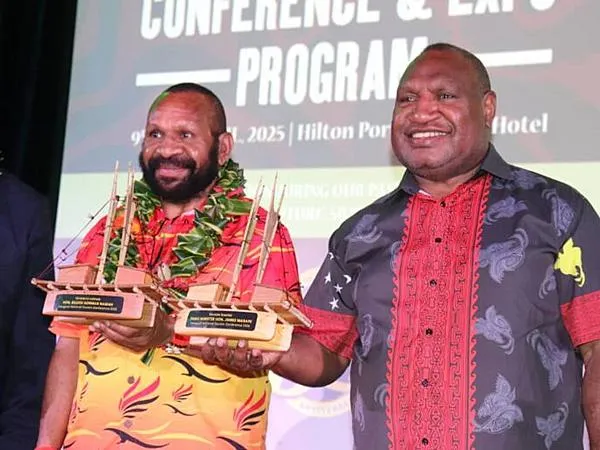
The awards were jointly presented by the Prime Minister, Hon. James Marape, and the Minister for Tourism, Arts & Culture, Hon. Belden Namah.

An audience of tourism operators, government officials, development partners, and community leaders gathered under the conference theme “Honouring Our Past, Transforming Our Future.”

Bob Bates’ Adventure and Eco-Tourism

Bates was honoured for his more than four decades of dedicated service, becoming a cornerstone of adventure and eco-tourism since his arrival in PNG in the early 1970s.

Through Trans Niugini Tours, he has been promoting cultural authenticity, environmental conservation, and community-based tourism.

Bates established eco-lodges in some of PNG’s most remote and spectacular regions, including Rondon Ridge, Karawari Lodge, and Ambua Lodge, and organized cultural tours and expeditions that have brought PNG’s rich diversity to the global stage.

Bates, upon accepting the award, said: “I thank you all for this honour, although I must say, I’ve still got another 40 years in me, so it’s not quite a ‘lifetime’ yet!”

Chief Executive Officer of the PNG Tourism Promotion Authority (TPA), Eric Mossman Uvovo, commended Mr. Bates for his remarkable contributions.

“Mr Bates is a name that resonates across the tourism industry not just in PNG but internationally. His deep respect for local culture, his investment in sustainable tourism, and his pioneering spirit have inspired generations.”

“On behalf of TPA and the entire tourism family, we extend our heartfelt congratulations and thanks for his dedication to Papua New Guinea,” Mr. Uvovo said.

Barter’s legacy honored

The late Sir Peter Barter’s outstanding legacy was also celebrated during the Gala Dinner with the Lifetime Achievement Award presented to his son Andrew and daughter-in-law Juanita, who accepted the honour on his behalf.

After arriving in PNG in the 1970s, Sir Peter Barter went on to establish Melanesian Tourist Services Ltd, which operated the Melanesian Discoverer expeditionary cruise and the iconic Madang Resort Hotel. His efforts helped position Madang as one of the country's premier tourism destinations.

Beyond his achievements, Sir Peter made profound contributions to national development. He founded the Melanesian Foundation to support community development and was deeply committed to promoting the countries cultural diversity.

As a former Minister for Health and Bougainville Affairs under the Somare Government in the early 2000s, he played a pivotal role in the peace and reconciliation process after the Bougainville Civil War, later serving as Governor of Madang Province.

TPA CEO Uvovo, praised Sir Peter’s enduring influence.

“Sir Peter Barter was not only a pioneer in the tourism industry but a statesman, philanthropist, and a prouder Papua New Guinean than most Papua New Guineans. His efforts extended far beyond economic gain, he championed peace, culture, and inclusive development through tourism,” he said.

“On behalf of TPA, I thank Andrew and Juanita for travelling to Port Moresby to receive this honour. It was a truly special moment,” said Uvovo.

Benjamin deeply rooted in Marine Conservation, Eco-Tourism

The late Max Benjamin was the third recipient of the Lifetime Achievement Award accepted by his wife Cecilie and son Cheyne.

Max Benjamin’s legacy is deeply rooted in PNG’s marine tourism.  Arriving in the 1960s, he and Cecilie established the world-renowned Walindi Plantation Resort in Kimbe Bay, West New Britain Province.

Walindi gained international acclaim for its world-class diving, marine conservation efforts, and commitment to sustainable tourism.

Max Benjamin’s vision helped put PNG on the world map for diving and marine eco-tourism. Scientists, divers, and eco-travellers from around the globe were drawn to Kimbe Bay, attracted by its biodiversity and the Benjamins’ tireless work to protect it.

In her acceptance remarks, Cecilie Benjamin also shared a powerful reminder of PNG’s uniqueness.

“A wonderful conference and an award that is a proud achievement for my husband,” said Mrs Benjamin. “Please, never compare Papua New Guinea to anywhere else on earth. This country is unlike any other with its cultures, its biodiversity, and its pristine beauty. There is no place like PNG.”

TPA CEO Uvovo said: “Max Benjamin was more than a resort owner, he was a true champion of eco-tourism, a protector of marine biodiversity, and a mentor to many in our industry. His passion and commitment to Papua New Guinea’s natural beauty and people have left a lasting legacy.

“On behalf of TPA and the tourism sector, we are grateful to Cecilie and Cheyne for travelling to Port Moresby to accept this award in his honour,” he said.

April 16, 2025

Port Moresby buzzed with cultural displays and insightful discussions as Papua New Guinea inaugurated its National Tourism Conference and EXPO on April 9, marking 50 years of showcasing the nation to the world and heralding a new era of sustainable and inclusive tourism.

Under the theme "Indigenizing Culture, Modernizing Infrastructure, and Promoting Peace through Tourism," the conference gathered representatives from government, the private sector, community leaders, tourism businesses, and international guests, all aiming to highlight tourism as a key pillar for economic growth.

Augustine Mano, Mineral Resources Development Company (MRDC) Managing Director, emphasized the conference's role in stimulating discussions on critical issues within the sector, potentially triggering its transformation.

He noted that tourism could address PNG’s economic challenges, such as foreign exchange issues, unemployment, and SME support, if properly supported.

The Minister for Tourism, Arts & Culture, Hon. Belden Norman Namah, called on stakeholders to honor the past while enhancing PNG's sustainability and global appeal as a premier tourist destination. He declared: "Tourism in Papua New Guinea is not dead, tourism is alive!"

Namah thanked the government for recognizing tourism's potential, and extended appreciation to key leaders within his ministry, including Mr. Eric Mossman (CEO, Tourism Promotion Authority), Mr. Stephen Kilanda (National Cultural Commission), and Mr. Alvis Waso (National Museum and Art Gallery).

He credited their dedication and tireless work, despite limited funding, for keeping the tourism, arts, and culture sectors functioning. He also expressed gratitude to MRDC and other corporate sponsors.

The minister stressed the untapped economic potential of tourism and encouraged optimism, despite challenges in safety and infrastructure.

"Many parts of our country remain unexplored," he stated, advocating for an environment favorable to visitors. Critical enablers include tourism-specific police divisions, anti-littering laws, clean cities, and safer public spaces.

Namah proposed infrastructure initiatives such as new sea terminals in coastal provinces to accommodate cruise liners, and a nationwide emergency response system for tourists. He also addressed high airfare costs, urging national airlines to lower prices and consider baggage exemptions for tourist equipment.

Namah outlined plans to transition the tourism sector into a self-sustaining industry through regulation and revenue generation, including rebranding the Tourism Promotion Authority (TPA) to the “Papua New Guinea Tourism Authority” with expanded regulatory powers.

He also aims to elevate the National Cultural Commission and National Museum and Art Gallery to full authorities.

To maximize impact, the minister proposed creating seven tourism zones across PNG as flagship destinations. He underscored PNG's rich cultural diversity, with over 800 languages, distinct tribal customs, and natural beauty, stating: "There is no country on planet Earth like Papua New Guinea. Our best product is our culture!”

He also called for better programming of cultural events to attract visitors, as Namah envisioned PNG increasing its annual tourist intake from 130,000 to over a million through strategic investments in infrastructure, safety, and marketing.

"Tourism can be like discovering three gold mines (that are) sustainable, inclusive, and long-term. But we must take the first step, and that step starts now,” he said.

"Many parts of our country remain unexplored. We must create an environment that is favorable and appealing to our visitors,” the minister added.

Among the critical enablers he identified were tourism-specific police divisions, anti-littering and anti-loitering laws, clean towns and cities, and safer public spaces for both locals and tourists. Namah emphasized that first impressions matter, calling for better public cleanliness and urban order as core tourism “products.”

Namah proposed building new sea terminals across coastal provinces, enabling cruise liners and tourist vessels to dock directly to local communities. Citing visits to places like Milne Bay Province and Rabaul-East New Britain Province, he noted the lack of such infrastructure as a major barrier to growth.

Equally pressing, he said, is the need for a nationwide emergency response system to ensure swift evacuation and medical attention for tourists in the event of crises.

Marape: Tourism's ‘Transformative Potential’

Prime Minister Hon. James Marape officially launched the conference, emphasizing tourism's potential to transform PNG’s economy. He highlighted tourism's role in economic growth and cultural preservation, alongside agriculture and fisheries, as a driver of sustainable development.

Marape reiterated the call for collaboration to unlock the full value of the tourism industry and acknowledged Minister Namah’s strategic approach to revive the sector. He recognized the role of stakeholders, including those from the extractive resource sector like MRDC.

He pointed to the success of the Connect PNG infrastructure program, which is opening remote areas and creating economic corridors for tourism. This initiative is setting the stage for PNG’s anticipated entry into the NRL from 2028.

“Tourism has enormous potential in our nation. Dreams do come true, I’ve seen it happen,” Marape said, encouraging international investment and acknowledging companies like Digicel and industry pioneers such as Bob Bates.

Marape reaffirmed PNG’s strategic advantage in the region, highlighting neighboring tourism markets and promoting PNG on international visits. He noted PNG’s movement toward full ASEAN membership, offering access to a 500 million-strong population.

“With 134 million outbound Chinese tourists last year alone, we must tap into these markets. We're improving flight routes and airport infrastructure to support international tourism, especially from Asia,” the premier said.

Marape urged collective action to drive success in the tourism sector, stating: “Let’s celebrate our country's natural beauty and cultural wealth. Instead of dwelling on negativity, we must work together to drive success and growth in our tourism sector.”

The first day featured a traditional singsing and addresses from key figures, including Eric Mossman Uvovo, CEO of PNG Tourism Promotion Authority, and Mano. Sessions covered sector updates, sustainable tourism, and business development & finance access.

Day two focused on investment and infrastructure, with case studies on hospitality investment and sports tourism. Sessions addressed the Connect PNG program, aviation development, destination marketing, and the future of PNG tourism branding.

The conference concluded with a Gala Dinner celebrating PNG’s 50th year in global tourism, recognizing key contributors to the sector's development. The outcomes are expected to shape future strategies and policies supporting inclusive growth, investment, and global partnerships in tourism.

April 14, 2025

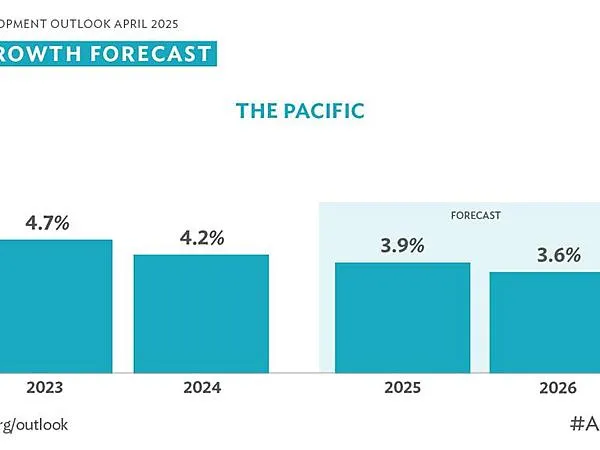
Economic growth in the Pacific is projected to moderate to 3.9% in 2025 and 3.6% in 2026, according to the Asian Development Outlook (ADO) April 2025, the Asian Development Bank's (ADB) flagship economic publication, released today. The outlook reflects anticipated easing in tourism, a key growth driver in many economies in the subregion, and muted petroleum production in Papua New Guinea (PNG), the subregion’s largest economy.

“Despite the growth that has been realized in recent years, the Pacific remains at risk from external shocks,” said ADB Director General for the Pacific Emma Veve. “ADB remains committed to helping build resilience as well as further improve public service delivery and promote inclusive and sustainable growth in the subregion.”

The growth forecasts were finalized prior to the 2 April announcement of new tariffs by the US administration, so the baseline projections only reflect tariffs that were in place previously. However, ADO April 2025 does feature an analysis of how higher tariffs may affect growth in Asia and the Pacific.

The report notes that while economies in the region are resilient, faster and larger-than-expected changes in US trade and economic policies pose risks to the outlook. Along with higher US tariffs, increased policy uncertainty and retaliatory measures could slow trade, investment, and growth.

ADO April 2025 projects inflation in the Pacific to pick up to 3.4% in 2025 and 3.7% in 2026. Higher inflation in PNG due to domestic price pressures drives this outlook. Inflation across the rest of the Pacific is expected to slow in line with international commodity price trends.

PNG’s economy is forecast to ease to 4.2% in 2025 and 3.8% in 2026. Development challenges—such as power blackouts, security challenges, and the high cost of doing business—weigh on growth prospects in resource extraction and agriculture. Limited financial inclusion remains a critical constraint, underscoring the urgent need to broaden and deepen financial access to support inclusive growth.

In Fiji, the subregion’s second-largest economy, growth has been driven by a robust rebound in visitor arrivals and increasing consumption. Growth is projected to moderate to 3.0% in 2025 and rise slightly to 3.2% in 2026. Public investments are expected to help address capacity gaps in welcoming increasing numbers of tourists. Expanding private sector development by improving access to finance and creating a better business environment is essential for broadening the economic base.

ADO April 2025 expects growth to accelerate in Solomon Islands to 2.9% in 2025 and 3.2% in 2026, supported by mining, fishing, and construction. With increased access to loans, public debt in Solomon Islands is projected to rise but remain within the government’s ceiling.

Following challenges in 2024, such as disruptions with the national flag carrier and an earthquake that struck the capital in December 2024, growth in Vanuatu is projected to pick up to 2.0% in 2025 and 2.5% in 2026. Post-disaster reconstruction and resumption of tourism should drive this expansion, although it will take time for tourism activity and public services to normalize. The report says that, as Vanuatu strives to “build back better” from multiple disasters, there is a need to invest in longer-term resilience, while supporting recovery.

In the Central Pacific, growth is expected to moderate in Kiribati and Tuvalu as public infrastructure projects are completed. In Kiribati, growth is projected to be 4.1% in 2025 and 3.3% in 2026, and in Tuvalu 2.7% in 2025 and 2.5% in 2026. Growth is forecast to accelerate to 2.5% in both 2025 and 2026 for Nauru, reflecting the impact of infrastructure projects and the hosting of the Micronesian Games in 2026. More sustainable, cost-effective measures to improve health service delivery should support resilience in the Central Pacific.

All three North Pacific economies—the Marshall Islands, the Federated States of Micronesia (FSM), and Palau—are seen to continue growing in 2025–2026. In the Marshall Islands, growth is projected to pick up to 2.5% in 2025 and 3.0% in 2026; in the FSM, it is forecast to be 1.7% in 2025 and 1.1% in 2026; and in Palau, growth is expected to reach 9.5% in 2025 and 4.5% in 2026. Implementation of infrastructure projects supported by these countries’ Compacts of Free Association with the United States provide a significant boost to the outlook, as does sustained increases in tourist arrivals to Palau. Strengthening the capacity of public institutions to adopt critical policy reforms will help mitigate risks to the outlook by helping improve public service delivery and investment.

In the South Pacific, economic expansion is expected to moderate to historical trends over the forecast horizon in the Cook Islands, Niue, and Samoa as visitor arrivals normalize. Growth is projected to be 8.1% in 2025 and 2.9% in 2026 in the Cook Islands; in Niue, 3.4% in 2025 and 3.0% in 2026; and in Samoa, 5.5% in 2025 and 3.0% in 2026. Public infrastructure projects should continue to boost construction output in these economies. Growth in Tonga is seen to pick up to 2.5% in 2025 and 2.3% in 2026, driven by ongoing reconstruction and recovery in tourism. Improvements in infrastructure and making transactions with the government more efficient and transparent should help promote investments in crucial sectors such as tourism.
April 14, 2025

Prime Minister Hon. James Marape, while launching the inaugural PNG National Tourism Conference and Expo recently at the Hilton Hotel, highlighted that tourism, along with agriculture and fisheries, holds the greatest potential to significantly transform PNG’s economy and foster inclusive development across communities.

Prime Minister Marape said given the unique and never-ending potential that Papua New Guinea possesses in the Tourism space, from its rich cultural diversity and biodiversity to the breath-taking scenery and friendly people, greater collaboration and synergy in the sector is strongly encouraged to enable positive and effective progress.

PM Marape acknowledged Tourism Minister Hon. Belden Namah who was deliberately hand-picked among many others for his leadership so far with the aim of resuscitating the Tourism sector of the country and bringing it to the next level, thus fully tapping into international tourism markets in South East Asia and the Pacific Region, as well as the world at large. He also acknowledged the support of key stakeholder organisations in the Tourism industry and from the Non-Renewable sector (Extractive Resource Sector) of the economy like the Mineral Resource Development Company.

In outlining his Government’s plans to support Tourism in Papua New Guinea, the Prime Minister highlighted the Connect PNG program that has made significant progress since 2019, connecting some of the most remote parts of the country with the rest of the country and the outside world for the first time, and also opening up eco- nomic corridors for sectors like Tourism to fully utilise. With PNG entering the NRL from 2028 onwards, Connect PNG infrastructure program is already preparing the way.

Marape said, reminding naysayers who continuously speak negatively about his Government on social media: “Just because we don’t tell everyone we are working doesn’t mean we’re not working. Those naysayers who say all the garbage that proliferates our social media, half the time they are spinned by spin doctors and those who want to be politicians.

“We have many, many positives that outweigh the negativities in our country. All of us must be in total solidarity to make this country become a better place. In the

midst of all the politics that is going on, we are still at work. I spoke at the opening of an Agriculture Conference in Lae earlier this week, encouraging that Agriculture has the potential to produce 1 million economically-productive families.

“Tourism has enormous potential in our nation and we can make it happen. Who says dreams don’t come to reality? Dreams do come true. And I say this because I’ve seen and made it happen before.”

In speaking about dreams coming true, PM Marape shared a reflection on how a world-renowned Hilton Hotel and brand was able to be built in the heart of the suburb of Hohola in Port Moresby. He said it was part of a conversation in 2015 in Suva, Fiji, where he was asked to open a hotel in Fiji back then which PNG had majority shareholding in through a landowner company. Marape established the dream then and told the key stakeholders to build a similar hotel in Port Moresby, which has now come to pass, becoming a hotel that is on par with the best in the world.

“What was only a dream back then in Fiji is now what I rate as the best Hilton Hotel in the world, having been to other Hilton Hotels around the world. It is located in Hohola – a suburb where our historic Bully Beef Club (precursor to PANGU Party) used to meet and stay in the pre-Independence era.

“It is where vision was turned into reality,” said Marape.

Prime Minister Marape encouraged and welcomed international investors to PNG, thus acknowledging some companies in the Private sector like Digicel and others who have tapped into the country’s potential areas to do business for the development and transformation of PNG.

He also paid tribute to some significant expatriate business figures who made Papua New Guinea their home and have contributed in a big way to PNG’s Tourism Sector like Bob Bates, Late Peter Barter and others.

“Papua New Guineans who are naysayers out there, these people (Tourism business operators) never asked the Government for support. They just picked up what they had and what they could do and became successful. I salute them for what they have done,” Marape said in emotional fashion, paying tribute to the long-time Tourism Business Operators.

He took a special moment of respect to ask Bob Bates who was among the audience to stand as he asked everyone to join him in acknowledging Mr Bates as someone who has a unique business footprint in PNG’s tourism industry.

Bob Bates is the founder of Trans Niugini Tours in Mt Hagen, Western Highlands Province, and also other business ventures in a number of significant locations around the country such as the Award-Winning Ambua Lodge in Hela Province, Bensbach River Tours in Western Province and the Karawari Lodge next to the Sepik River.

Marape highlighted that the Tourism market in neighbouring countries like Australia, New Zealand, Fiji and Indonesia is huge, which PNG can easily tap into given its unique geographical location between South East Asia and the Pacific.

He said: “When I visit different nations of the world on official visits, I promote our nation patriotically and establish relations deliberately so that PNG can benefit economically through investors and tourists or visitors.

“I ensure to enable arrangements with key economies in Asia and the Pacific that will have their tourists also visit our country, and more investors entering our country in a positive way.

“For instance, China had 134 million tourists last year. We can easily tap into that for our benefit. We are working on improving international flight arrangements with Air Niugini and Airport works with National Airports Corporation to enable more international flight routes with key economically-beneficial countries, especially in Asia and the Pacific Regions. So if other major countries or regions of the world like Europe or the United States don’t come, we can promote tourism in South East Asian nations like our closest neighbour Indonesia whom we have agreements for movement between borders already.

“We are on our way to becoming a full member of the Association of South East Asian Nations (ASEAN), which has 500 million people involved in the member countries concerned. This will be a great boost for us going forward as far as our economy is concerned in terms of linking up with key markets.

“Let us appreciate the true beauty of our land and our people in a positive way, and not dwell on negatives that aim to bring us down. We all need to work together to make things happen for the success and growth of our Tourism Sector.”