Tolu Minerals Limited has announced a successful placement, raising A$26.7 million (Australian Dollars) from sophisticated and institutional investors at an issue price of A$0.80 per share.
In an exclusive interview, Tolu Minerals Managing Director and CEO Iain Macpherson told PNG Business News that this funding will significantly strengthen and accelerate the company's ongoing efforts in exploration and redevelopment of the Tolukuma Gold Mine in the Goilala District of Central Province, Papua New Guinea (PNG).
The placement received strong demand from both new and existing investors, reflecting confidence in Tolu's strategy to leverage the historical infrastructure of the Tolukuma mine to not only grow a substantial Mineral Resource, but also to return the mine to high grade production, Macpherson said.
The proceeds from the placement will be allocated towards accelerating exploration activities, redeveloping the mine—which includes study work, mine development, and dewatering—and providing working capital to support operational costs, he added.
Macpherson said the placement was “a very pleasing outcome. I am also delighted with the ongoing support of a number of leading global institutional gold funds and existing shareholders.”
This placement enables Tolu Minerals Limited to accelerate both its regional and near mine exploration as well as to continue the rapid refurbishment of the mine “back into near term high-grade gold and silver production,” he said.
The CEO also provided insights to PNG Business News into preliminary findings from Phase 1 of the company’s Airborne Mobile Magneto Telluric (MT) survey, covering 723 km², including ML 104 and surrounding exploration licenses.
“The ongoing airborne survey is proving to be an invaluable tool in targeting future exploration and has already highlighted a number of near mine epithermal targets as well as several regional targets,” he said.
The survey revealed advanced copper-gold porphyry and gold epithermal targets as a precursor to field work in preparation for drill testing. Based on reports, within ML 104, a significant conductivity irregularity shows an extension of minerals extending over 2 km south of the mine site, Macpherson said.
Furthermore, the Belavista target, located approximately 10 km west of Tolukuma, supports historical samples with high-grade readings, suggesting promising porphyry mineralization. The mineralized areas around Tolukuma are being prepared for immediate drill testing this year, he added.
The MT survey is continuing over Tolu’s other prospects and will ultimately provide a wealth of invaluable information “that will support the regional exploration not only for Tolu’s core target being epithermal structures and mineralisation, but also importantly copper-gold porphyry’s that represent an entirely different style of target,” the CEO said.
The ongoing airborne MT survey is also identifying potential exploration targets, having revealed several near-mine epithermal targets and regional prospects.
The survey, comparable to a successful initiative undertaken by another gold company, K92 in PNG, aims to uncover structures and mineralised zones extending beyond 1,000 meters in depth.
Macpherson said, “The survey is proving adept at identifying structures and mineralised zones, including both epithermal and porphyry style mineralization, to depths in excess of 1,000m below surface.”
“The survey will be continued over the coming weeks and I look forward to updating the market later this year with the outcomes of this work as well as providing a general update on progress. This survey work was instrumental in the value creation path of fellow PNG gold company K92, which we aim to emulate."
The company currently holds a strong financial position, with pro forma cash estimated at A$29.4 million before costs associated with the placement, Macpherson said. This robust cash position will support Tolu Minerals Limited ambitious plans to expedite both regional and near-mine exploration initiatives.
“This accelerator placement enables us to accelerate and add to our existing plans to accelerate exploration on some of those key targets with field work and ultimately with drilling. More than that though it’s also about accelerating the return of the mine to production and being able to ramp up the production faster than we originally envisaged,” he added.
The placement details indicate that approximately 33.4 million new shares will be issued, utilizing the company’s available Listing Rule 7.1 and 7.1A capacity. The placement price represents a 60% premium over Tolu's initial public offering price and a discount to its recent trading prices.
Stakeholders can anticipate further updates regarding the ongoing airborne survey and overall progress in the coming months, Macpherson said.
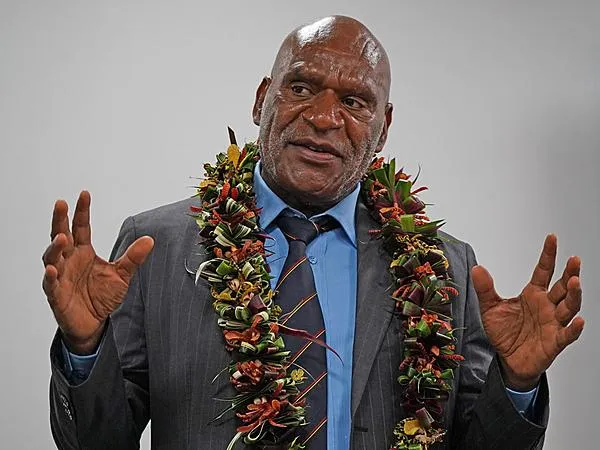
In an exclusive interview with PNG Business News, the newly appointed Minister for Mining, Hon. Wake Goi, shared his priorities, placing emphasis on transparency in regard to all mining deals done under his ministry.
"Any mining deals done under my ministry must be done with transparency," he stated.
Minister Goi, now almost five weeks into his tenure, expressed enthusiasm for the challenges ahead, highlighting the importance of collaboration among the government, investors, and landowners.
His vision centers on creating a favorable environment for all parties involved, ensuring that everyone—especially investors, landowners and the government—benefits from a fair share of the resource development and commercialization, with open dialogue with stakeholders.
His statements follow discussions regarding the Wafi-Golpu project, a priority for the Marape-Rosso government, along with input from the electoral members and Governor for Morobe and the PNG Mineral Resources Authority (MRA).
With only two months left in 2024 and one parliament sitting remaining, Minister Goi outlined his top three priorities:
“I will do what I can under my capabilities by prioritizing," he said.
Hon. Goi asserted that clear strategies and open communication are essential for effective crisis management and to prevent disputes among investors, landowners, and other stakeholders.
While he noted other important priorities, such as promoting alluvial mining and exploration in various regions, the minister stressed that these initiatives would be strategically implemented after the start of next year 2025.
He reiterated the significance of alluvial mining as a vital source of livelihood for many locals, stating, “We must protect and advance alluvial mining for our people, to be owned and operated solely by locals as per the amendment.”
Hon. Goi envisions providing better tools, training, and support for local miners, emphasizing collaboration with the Ministry of Commerce and Industry and other related departments and agencies.
Additionally, he aims to advance attempts to attract more exploration investments during his term, to PNG by fostering an environment that encourages exploration while responsibly managing associated risks. The minister is keen on increasing exploration licenses, but with a focus on sustainable resource management.
Recognizing PNG's rich mineral resources and cultural-tribe diversity, he reiterated the importance of crisis management through transparency.
He said, "PNG's clearly stands as a resource rich country, therefore we must apply all laws at all levels. Policy has to be implemented well."
“I am determined to serve effectively throughout this term and beyond, creating a legacy that will benefit generations to come,” he added, reflecting his optimism about making a lasting impact.
“The mining industry is very exciting,” said Hon. Goi. “It keeps me busy and fuels my curiosity to learn more about everything from alluvial mining to deep-sea exploration.”
Goi lauds K92 record production
Hon. Goi also congratulated the K92 Mining Inc. for its remarkable performance at the Kainantu Gold Mine during the third quarter of 2024.
The mine reported record production figures in October, including 44,304 ounces of gold equivalent, underscoring the hard work and dedication of its employees.
The minister lauded the achievements of the K92 team, saying: “This outstanding production highlights the capabilities of our local workforce and also reinforces the importance of the mining sector in driving economic growth in Papua New Guinea."
"The continuation of operations at Kainantu Gold Mine means more jobs for Papua New Guineans and provides a much-needed economic boost for our communities.”
Hon. Goi stressed the benefits of the continuation of the mine's operation, which contributes significantly to the economy by paying corporate taxes, collected by the government as a primary source of income for the country.
These taxes help fund public services like education, healthcare, infrastructure, and social programs, benefiting the entire country, he said.
The tax revenue generated can also be reinvested into local infrastructure, improving roads, utilities, and public facilities, ultimately contributing to the overall growth of both the local community and the nation, Hon. Goi added.
The Minister emphasized that the success of the Kainantu Gold Mine places it firmly on the global map, further promoting the country as a resource-rich nation.
“As we celebrate these achievements, we also recognize the potential for future growth and investment in our mining industry,” Goi added. “K92’s progress positions our country as a competitive player in the global mining sector.”
The minister reiterated his commitment to supporting the mining industry in the country, noting that responsible mining operations play a crucial role in the nation’s economic development.
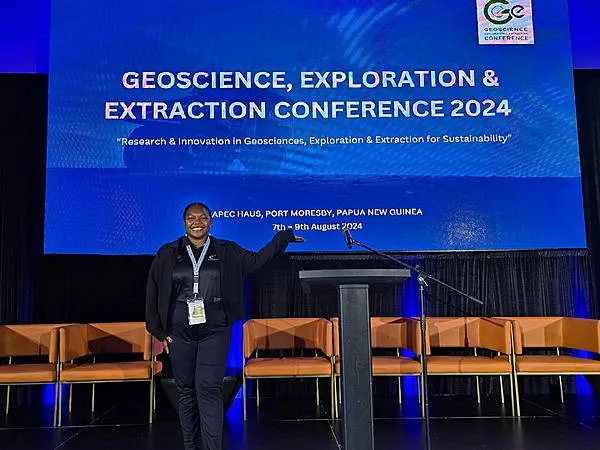
A research Officer with the PNG Extractive Industries Transparency Initiative says lack of realistic policies and framework to address impacts of sudden mine shutdowns, affect businesses and communities among those whose lives depends entirely on the mine. Eileen Mosusu, in her presentation at the Geoscience, Exploration and Extraction Conference in Port Moresby shed light on a pressing issue faced by communities affected by sudden mine closures. Her research, which focuses on the ‘absence of realistic policies and frameworks to address the impacts of mine shutdowns’, offers both insights and recommendations for industry leaders and policymakers. Miss Mosusu identified two key areas of concern:
The Need for Realistic Policies on Sudden Mine Closures
Mosusu emphasized that Papua New Guinea (PNG) has experienced several sudden mine closures, notably the Panguna Mine on Bougainville in the Autonomous Region, the Porgera Mine in Enga Province, and the Hides Gas Project in Hela Province. These unexpected closure of operations leave impacted communities vulnerable, often triggering social unrest and economic collapse.
“When mines close abruptly, the lack of a structured plan for the affected communities’ results in chaos. There is a breakdown in social and economic systems, which escalates tensions,” she said.
Community Resilience and Adaptation in the Face of Adversity
Despite the challenges, Mosusu highlighted the resilience of communities like those in Panguna, in Autonomous Bougainville. Thirty years after the mine closure and a subsequent civil war, Panguna’s communities have developed innovative survival strategies.
“From artisanal mining to geo-tourism, these communities have found ways to thrive. They’ve turned to reusing and recycling materials and fostering a new market economy. This adaptability showcases their resilience,” Mosusu explained.
Motivation for the Research
Mosusu’s connection to Bougainville played a significant role in shaping her research. “Bougainville’s history is deeply intertwined with the extractive industries, and as my home island continues its journey toward independence, the lessons learned from the Panguna Mine closure remain critical. My background as an Environmental Scientist, specializing in heavy metal assessment, further motivated me to explore the impacts of artisanal mining on the environment and local communities,” Mosusu stated.
Alignment with PNGEITI’s Goals
Although her research began prior to joining PNGEITI, Mosusu highlighted how her findings align with the organization’s broader objectives of promoting transparency and accountability in the extractive sector. “Sudden mine closures often leave communities without critical support and economic stability, which underscores the need for better risk management strategies. PNGEITI’s mission to ensure extractive activities are managed in a way that minimizes negative outcomes for communities directly aligns with the discussions my research generates.”
Mosusu pointed out that PNGEITI can play a key role in advocating for the inclusion of sudden mine closures in policy discussions, ensuring companies and governments are held accountable for their responsibilities toward affected communities.
Shaping Future Policies
Mosusu hopes her research will inspire conversations around creating frameworks that anticipate sudden mine shutdowns. She noted that while mining projects are required to present Mine Closure Plans, these often fail to address unexpected closures.
“We must ask ourselves, what happens if a mine closes ahead of schedule? Do we let the community crumble, or do we implement policies that allow these communities to thrive sustainably, with or without the mine in operation?”
Implications for Stakeholders
Mosusu acknowledged the sensitivity of discussing the Panguna Mine, given its historical context and ongoing human rights complaints. However, she stressed the importance of considering the long-term impacts of mine closures on communities and the role artisanal mining plays in sustaining local economies. “Engaging in transparent and accountable practices is essential. Policies must reflect the realities on the ground, especially for artisanal miners, and include proper licensing and environmental protections.”
Future Research and Recommendations
Looking ahead, Mosusu plans to participate in the 6th Alluvial Mining Convention to further explore the discussions around the alluvial mining sector. She also called on PNGEITI to continue supporting research in the extractive industries by publishing comprehensive reports, partnering with academic institutions, and sponsoring case studies that showcase best practices in governance. Executive Director of PNGEITI, Lucas Alkan said the underlying objective of PNGEITI is to promote transparency and accountability in the extractive sector and that it mission to ensure extractive activities are managed in a way that minimizes negative outcomes for communities directly aligns with the discussions points raised by Miss Mosusu in her research paper. In saying this Mr. Alkan said “ on PNGEITI to continue supporting research in the extractive industries by publishing comprehensive reports, partnering with academic institutions, and sponsoring case studies that showcase best practices in governance”.
In her concluding recommendations for policymakers and industry leaders, Mosusu urged stakeholders to engage in conversations about sudden mine closures and their impacts on local communities. “We need frameworks that sustain local economies with or without mine operations, ensuring that communities can continue to thrive after the mine is gone.”
Great Pacific Gold Corp is pleased to announce the appointment of Ron Gawi as Country Manager, Papua New Guinea, effective immediately.
“With the focus of the Company’s exploration activity now in Papua New Guinea, we are very pleased to welcome Ron Gawi to our executive team,” stated Greg McCunn, CEO of Great Pacific Gold. “His extensive background in permitting and obtaining and managing social license to operate in PNG is critical for the long-term success of Great Pacific Gold. With an exciting maiden drill program just getting underway at Kesar, Ron is joining the team at an ideal time.”
Mr. Gawi, worked for over 20 years for the Papua New Guinea (PNG) Department of Minerals and Energy which later became the Mineral Resources Authority (MRA). He reached the level of Assistant Director Mining and then Manager, Project Coordination at MRA. The MRA is the government institution which regulates the mining industry in PNG and during his tenure, Mr. Gawi provided leadership and guidance to a team of project coordinators overseeing seven operating mines. In this role, Mr. Gawi also acted as team leader for review and negotiation of Integrated Benefits Package Agreements in mining projects. Earlier in his career at the MRA he acted as a Principal Project Coordinator, overseeing mining operations at Porgera and Lihir. His responsibilities also included the Kainantu Mine, now operated by K92 Mining and in close proximity to the Company’s active drilling program at Kesar.
Following a successful career at the MRA, Mr. Gawi took on the role of Country Manager, PNG, for Highlands Pacific and held that role for a decade. In this role, Mr. Gawi developed vast experience in government relations and diplomatic relations with extensive dealings with consultants, aid donors, civil society groups, women’s groups and landowner associations in mining and exploration areas.
Mr. Gawi is a former Director of MRA and also the PNG Chamber of Resources and Energy (CORE) and is currently a member of the mining committee of CORE. The role of CORE is to promote the mineral and exploration potential of PNG. CORE has a membership of over 100 companies, including Great Pacific Gold.
In conjunction with Mr. Gawi’s appointment, Benjamin Trotsky, previous Country Manager, will be moving to an advisory role where he will assist the Company as required to ensure a smooth transition.
Kainantu Gold Mine in Papua New Guinea has reported outstanding production results for the third quarter of 2024, achieving a record output of 44,304 ounces of gold equivalent (AuEq), which includes 41,702 ounces of gold, 1,278,492 pounds of copper, and 37,613 ounces of silver, according to K92 Mining Inc.
John Lewins, K92 Chief Executive Officer and Director, stated: “As we guided to at the beginning of the year, 2H was expected to be the strongest, and it has certainly delivered thus far, with record ounces produced and sold, and record recoveries while benefiting from record gold prices in Q3.
“Importantly, the results have well positioned the Company to meet its 2024 Operational Guidance, while also delivering a notable strengthening to the Company’s financial position during the Stage 3 Expansion construction, which is very encouraging."
The mine's sales figures were equally impressive, totaling 45,248 ounces of gold, 1,615,185 pounds of copper, and 46,062 ounces of silver.
With over 80 percent of its annual gold equivalent production guidance already met in the first nine months, the company is on track to achieve its 2024 target of 120,000 to 140,000 ounces AuEq.
Lewins said: "In less than 9 months from now, the new Stage 3 Expansion Standalone Plant is scheduled to commence commissioning, marking a major milestone for K92 that has taken multiple years to reach, and it effectively represents the beginning of the Company becoming a Tier 1 Mid-Tier Producer.
“We are also excited to host an analyst and investor tour later this month, highlighting our progress across multiple areas, including current operations, the Stage 3 and 4 Expansions and exploration, while also showcasing the advantages of operating in the mining friendly jurisdiction of Papua New Guinea.”
During the quarter, the processing plant handled 104,992 tonnes of material, with a gold equivalent head grade averaging 13.8 grams per tonne, the highest since Q4 2020. This increase was driven by the mining of higher-grade stopes that had initially been scheduled for the previous quarter, the company said.
The mine's throughput was intentionally reduced to optimize recoveries at this elevated feed grade, K92 said. Notably, metallurgical recoveries also reached new heights, with gold averaging 95.3% and copper at 95.1% for the quarter, surpassing recovery expectations.
The mining operations saw substantial activity, with 112,333 tonnes of ore extracted across nine levels, including significant areas at Kora and Judd, Lewins noted.
The quarter also marked the completion of a 5-metre diameter raise bore for interim ventilation improvements, alongside the successful execution of several smaller raises.
K92 anticipates a significant increase in development rates as it completes multiple infrastructure projects and enhances its mining capabilities with the introduction of additional equipment and initiatives aimed at boosting productivity.
PNG Mineral Resources Authority (MRA) Managing Director Mr Jerry Garry, while giving an update on the mining sector to PNG Business News, commented on K92’s production.
He said: “On track to meet the annual production forecast of 120,000 to 140,000 ounces gold equivalent."
Garry said this will provide much needed financing for the construction of its Stage 3 Expansion, which will produce about 450,000 ounces of gold equivalent annum, comparable to Porgera miners’ annual production of 500,000 ounces per annum.
“This is indeed another sterling performance from K92 mine, and we highly commend their entire team," he added.
Mayur Resources Limited is pleased to announce the signing of a 10-year exclusive Strategic Alliance Agreement (Strategic Alliance) with Guangxi Zhongzi New Materials Co. Limited, a privately owned large-scale Quicklime and Limestone producer operating primarily in China. This agreement provides Mayur with immediate access to superior quality lime products, similar to what will be produced by Mayur’s Central Lime Project (CLP) in the future.
Strategic Alliance Benefits
The Strategic Alliance allows Mayur to immediately lead the branding, marketing, sales, and distribution of Superior Quicklime across Australia and the Pacific with Mayur’s Premium Grade (Typical CaO 92-94%) and Premium+ Grade (Typical CaO 94-96%) Quicklime products. This offers superior quality compared to Australian domestic production and imports from Malaysia and Thailand. This positions Mayur as the leader in providing high-quality Quicklime to these markets.
Long-Term Complement to Mayur’s Own Production
The agreement not only facilitates immediate sales but also complements Mayur’s long-term plans. Once operational, Mayur’s CLP will initially bring an additional 400,000 tonnes per annum of Quick Lime supply online, with immediate plans of expansion beyond two kilns shortly thereafter.
One of the key advantages of this agreement is the guaranteed backup contingency, multi-jurisdiction supply source. Customers can have full confidence that Mayur will provide consistent access to superior Quicklime from multiple jurisdictions, ensuring reliability and supply chain security, all managed through a single, integrated organisation. This multi-jurisdictional sourcing strategy ensures that Mayur can deliver superior Quicklime quality consistently, regardless of market conditions.
Strengthened Supply Chain and Logistics
Our Partner operates several major production facilities across China, with a current capacity of 2 million tonnes per annum of Premium Quicklime. Ongoing expansion projects, including new Quicklime plants and enhanced logistical infrastructure such as a railhead with direct access to seaports, will further improve the efficiency and reliability of supply to Mayur’s customers. Combined with Mayur’s own international wharf facilities under construction, this creates a robust and seamless supply chain.
Immediate Access and Customer Confidence
This Strategic Alliance enables Mayur to offer its customers immediate access to a more diversified product range, with Mayur’s Premium and Premium+ Grade Quicklime products, while providing the assurance of a long-term, secure, and reliable supply once Mayur’s CLP is in production. The superior quality of Mayur’s product offering, combined with a diversified supply base, positions the company to meet the growing demands of the Australian and Pacific markets.
With this collaboration, Mayur is uniquely positioned to deliver a comprehensive, customisable range of superior Quicklime products, tailored to specific market needs. The Strategic Alliance further aligns with Mayur’s strategy to expand its market presence across the Asia-Pacific region and demonstrates its commitment to providing the highest quality products and services.
Mayur will now commence broader engagement with the Quicklime market, providing samples and organising bulk trials. Further updates will be provided as Mayur progresses towards the first sales of Mayur-branded Premium Quicklime.
Papua New Guinea’s new Mining Minister, Hon. Wake Goi, was sworn in on September 25 at Government House in Port Moresby. Hon. Goi took over the role from Prime Minister James Marape, who had been filling in as mining chief.
Marape expressed confidence in Goi's experience and qualifications as the Member of Parliament for the Jimi electorate in Jiwaka Province and a member of the People’s Party of PNG.
Following his appointment, Goi visited the Mining Haus in Port Moresby, where he was officially welcomed by the Managing Director of the Mineral Resources Authority (MRA), Jerry Garry, along with his management team, staff, and party executives.
Mr. Garry highlighted the integrity, maturity, and experience that Goi brings to the Ministry. He assured the Minister the MRA team has the expertise needed to support him in advancing the mining sector “to give you advice and appropriately position you and I, so that we can drive the industry forward.”
"The mining industry is the largest contributor to the national purse, but it is also one of the most challenging due to its complexities," Garry noted, giving the Minister an overview of the MRA and the mining sector, including exports revenue statistics and the challenges faced by the sector.
In addressing the MRA staff, Goi encouraged strong cooperation between his office and theirs.
“It is the government’s wish to see that the country gets a fair share from the exploitation of its resources, and at the same time ensure that investors get returns on investments,” he said.
Goi said he would provide the necessary political support and leadership to the MRA and the sector to ensure that all stakeholders are adequately serviced.
He encouraged strong cooperation between his office and the MRA to ensure the government's agenda of “Take Back PNG” is realized, in which the country receives a fair share from its resources while also allowing investors to see returns on their investments.
After the formalities, the Minister was given a tour of the country’s Mineral Production Data Monitoring Hub and Data Repository.
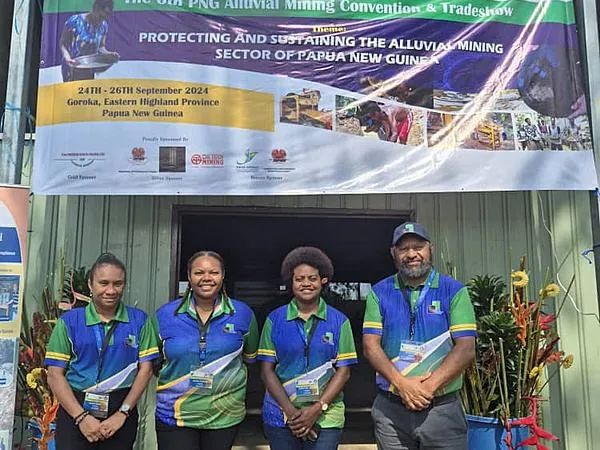
The Papua New Guinea Extractive Industries Transparency Initiative (PNGEITI) has called for ongoing dialogue and greater collaboration among all stakeholders in the alluvial mining industry. PNGEITI emphasised that cooperation is essential to address key challenges within the sector, including non-compliance, under-reporting of mineral production, and environmental concerns. This follows the recent 6th PNG Alluvial Mining Convention and Trade Show, held in Goroka, Eastern Highlands, from 24 to 26 September.
PNGEITI’s involvement in the three-day event was driven by several strategic objectives:
The convention sparked important discussions on a wide range of topics, including challenges in alluvial mining legislation, mechanised mining operations, and the market value chain for alluvial gold in Papua New Guinea. The biennial event brought together key stakeholders from the alluvial mining sector to exchange insights, tackle pressing issues, and strengthen collaboration to ensure the sustainability of this crucial industry.
The 2024 convention’s theme, “Protecting & Sustaining the Alluvial Mining Sector of Papua New Guinea,” called for a unified commitment to bolster the development and longevity of the sector, which remains a vital source of income for many local communities. PNGEITI highlighted concerns around discrepancies in production data, monitoring and regulation of gold exports, and the need for stronger government support to safeguard the interests of local miners.
During the event, Stanley Nekitel, Register of Tenements at the Mineral Resource Authority, described the alluvial mining industry as a “grassroots economic sector,” while expressing concern over declining production levels despite rising global gold prices. Oro Governor, Garry Juffa, also pointed out a contradiction between the increase in alluvial mining activity and the reported decline in gold production data, calling for immediate government action to improve monitoring, reporting, and policies that protect the interests of Papua New Guineans involved in the sector.
Industry representatives, including Justine Parker of Tribal Mining Limited and Raymond Wally, a leaseholder and tributer, raised concerns about the growing influence of foreign investments, money laundering risks, and the need to build financial capacity for local landowners. Their input underscored the importance of equitable benefit-sharing across all stakeholders within the sector.
A key highlight of the event was the launch of the Resource Evaluation Code of Practice (RECP), developed in collaboration with the PNG University of Technology. This code is designed to standardise responsible and sustainable mining practices across the alluvial mining industry, addressing long-standing issues related to environmental sustainability and operational transparency.
Ok Tedi Mining Limited (OTML) is celebrating its 40th anniversary of operation, marking four decades of resilience and excellence in the mining industry in Papua New Guinea.
Starting in August 1984 as a gold mining operation by Broken Hill Property Limited (BHP), OTML transitioned to a copper-gold mine in 1987. From 2015 to present, OTML is a fully 100 per cent PNG owned mine.
OTML’s journey is characterized by both challenges and triumphs.
Throughout its history, OTML has demonstrated resilience in the face of adversity. These include:
• Navigating two significant droughts in 1997 and 2015; • The volatility of the world market and global gold and copper prices; • Legacy issues of its operations impact on the Ok Tedi and Fly River systems and the communities that depend on them;
Despite these challenges OTML continues to remain resilient and has operated successfully by providing economic and social benefits to Western Province and Papua New Guinea over the last 40 years. They include:
• K13.4 billion in Dividends; • K1.4 billion in Royalties; • K10.2 billion in Tax/Duties; • K1.6 billion in Compensation; • K1 billion in CMCA Payments; • K664 million in Tax Credit Scheme Projects; • Investing K146 million in education and training of graduates, apprentices, trade trainees, and school and university scholarships. • World class operational and environmental mitigation and monitoring measures.
OTML remains optimistic in continuing its operations for another 40 years. This is evident in the renewal of it’s Special Mine Lease (SML) to 2042 and the Company Boards in-principle agreement to extend mine life to 2050.
A series of events will be held in November to mark the 40th anniversary celebrations. These festivities will not only commemorate the past but also look forward to the future with optimism.
Prime Minister Hon. James Marape has underscored the urgency of finalising the Mine Development Contract (MDC) and issuing the Special Mining Lease (SML) for the Wafi-Golpu Mine in Morobe Province, stressing that time is running out to get this critical project off the ground.
During a high-level meeting with the State Negotiating Team, Joint Venture Partners Newmont and Harmony, Deputy Prime Minister Hon. John Rosso, and Mining Minister Hon. Wake Goi, Prime Minister Marape emphasised the importance of immediate action.
“Time is ticking away. As a nation, we have collectively agreed that the Wafi-Golpu project must move forward—on terms that are in line with our laws and policies, especially those that ensure the State and Papua New Guinea secure 55 percent of the project’s economic benefits. I am pleased that the Framework Memorandum of Understanding (MoU), which was signed in 2023, honors this commitment. The project contains over 12 million ounces of gold and three million tonnes of copper. It is a significant undertaking expected to extend beyond 60 years. However, we have agreed to a 40-year lease, contingent on the joint venture partners commencing the project within two years of the SML issuance,” the Prime Minister stated.
Reflecting on past delays, Prime Minister Marape lamented the significant time lost due to legal proceedings and reiterated that further delays were no longer an option.
“I want to make it absolutely clear: we cannot afford to lose any more time. The Wafi-Golpu project must advance without further delay. This is a project of national importance, and moving forward on key milestones is critical to the country’s economic progress.
The Prime Minister set a firm deadline, stating that the MDC and SML for Wafi-Golpu must be finalised before the 2024 Papua New Guinea Investment Week, which is scheduled to take place in Sydney, Australia, from December 6-11. “The Framework MoU signed in 2023 is our roadmap, and it is time to act,” he added.
Prime Minister Marape also highlighted the need to respect the patience of landowners and the
Morobe Provincial Government, represented by Governor Hon. Luther Wenge, who have
waited for years to see the project begin.
“We cannot continue to hold them in suspense. Delaying any further will only invite frustration and discontent from landowners and local authorities,” Prime Minister Marape warned.
Key provisions under the Framework MoU include:
Prime Minister Marape closed by reaffirming his government’s commitment to fast-tracking the Wafi-Golpu project, urging all stakeholders to move with urgency.
“The time for action is now. We have the framework, we have the opportunity, and now we need to execute,” he said.
Alluvial gold miners in the country have the potential to become billionaires if they diversify their ventures, re-invest wisely, and manage their finances effectively, said Mineral Resources Authority Managing Director, Jerry Garry.
Mr Garry was speaking at the 6th Alluvial Mining Convention & Trade Show 2024 in Goroka, where over 300 miners, government regulatory agencies, gold buyers, exporters, financiers, and other relevant stakeholders gathered to share information, experiences, and discuss regulatory policies, among other topics.
The MD shared an inspiring story about how the former operator of the Porgera Mine, Placer Dome, had humble beginnings in the Wau-Bulolo gold fields in 1926. He explained that two expatriates—an Australian and a New Zealander—ventured into Wau-Bulolo in 1926, recognising the abundant gold resources in the area. The pair formed a company called Placer Development Proprietary Limited. They raised funds, purchased eight dredge machines, and mined the Wau-Bulolo gold fields.
However, Mr Garry emphasised that these men did not limit themselves to gold mining; they diversified into other industries, including cattle farming, fishing, and forestry. The pine trees harvested today by PNG Forest Products in the Wau-Bulolo area were introduced by these two men as part of their business diversification efforts in 1926.
After more than 55 years, Placer Development Proprietary Limited acquired a mining licence to operate the Porgera mine. Some years later, the company merged with another, forming Placer Dome. By 2005, Placer Dome was operating about 16 gold mines across seven countries, with a market capitalisation of USD 6.7 billion.
Mr Garry reiterated that this successful company had its origins in alluvial gold mining at the Wau-Bulolo fields in 1926. He stressed that today’s alluvial gold miners have the same potential to achieve billionaire status, much like those two men.
The MD also highlighted the economic significance of the alluvial mining sector, which at one point contributed around K640 million annually to the country’s economy. Approximately 100,000 people are involved in the alluvial mining sector nationwide.
The Alluvial Mining Convention, an initiative of the MRA, aims to promote and showcase the sector’s potential. It brings all stakeholders together on one platform to share experiences, discuss regulatory policies, and raise awareness about the latest challenges and success stories in the industry.
The Mineral Resources Authority (MRA) Managing Director Jerry Garry, has assured the Porgera Mining Project Special Mining Lease (SML 13) landowners, that the resettlement of their villages away from the project SML area, is a Government’s priority.
The MD was addressing the parties and stakeholders of the Porgera Mining Project Community Development Agreement (CDA) in Port Moresby this week, where they (parties) are negotiating the CDA.
It is the responsibility of New Porgera Limited (NPL) to resettle SML landowners. It is understood that company is currently putting together a resettlement action plan.
However, Mr Garry said that as a responsible government, it has committed K700m infrastructure development funding for the exercise, through the Infrastructure Development Grant (IDG).
He told the landowners that the MRA and the Department of Lands & Physical Planning, have already started consultations with the Enga Provincial Government and the Porgera District Administration, and have identified possible resettlement sites.
“We won’t waste time,” said the MD. He said as soon as the CDA process is completed, the state would continue consultations with the stakeholders and progress the state’s part in the resettlement exercise which is to make land available.
He appealed to all parties to the CDA, to have an open mind, and to negotiate in the true spirit of sharing, fairness and equitable distribution of benefits.
He expressed satisfaction with the progress of the negotiations thus far.
The parties to the CDA are the Special Mining Lease (SML) landowners, Porgera Rural Local Level Government, Porgera Urban Local Level Government, Enga Provincial Government, New Porgera Limited (NPL) and the National Government. Non-SML landowners will be witnesses to the CDA when it is signed.
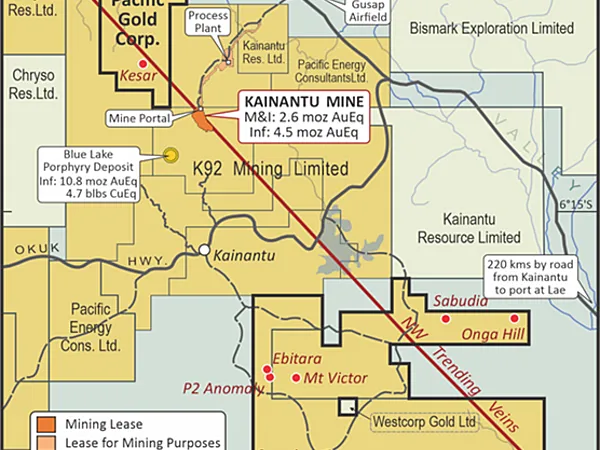
Great Pacific Gold Corp. is providing an update on one of its core projects, the Kesar Project located in the Eastern Highlands province of Papua New Guinea. The Kesar Project is contiguous with K92 Mining’s mine tenements, with several high priority targets at Kesar near the K92 property boundary (Figure 1). Multiple veins at Kesar are on strike and have the same orientation of key K92 deposits, such as Kora, and exploration work to date at Kesar has shown that these veins have high grades of gold present in outcrop, very elevated gold in soil grades and are coincident with aeromagnetic highs.
“The results of the two phases of geochemistry highlight the tremendous potential of Kesar” stated Greg McCunn, CEO of Great Pacific Gold. “With our recently announced plan to focus on our core projects, we intend to direct our financial and technical efforts on Kesar over the remainder of 2024. The high-grade nature of the nearby Kora deposit highlights the potential of Kesar and our Phase 1 drill program is designed to test our highest priority targets.
While focusing on Kesar, we will continue to evaluate and advance the other core assets in our high-quality portfolio, including recent drilling at the Arau project, from which initial results are pending, environmental baseline work at Wild Dog and consolidation of our knowledge on the Lauriston and Walhalla projects in Australia. Longer-term, the recently acquired Tinga project also has the potential to create significant shareholder value.”
About the Kesar Project
The Company received notification from the Papua New Guinea Mineral Resources Authority (the “MRA”) of the grant of Exploration License 2711, which wholly covers the Kesar Project. The notice was received on November 14, 2023 with the Exploration License in effect from October 31, 2023 for a period of two years until October 30, 2025.
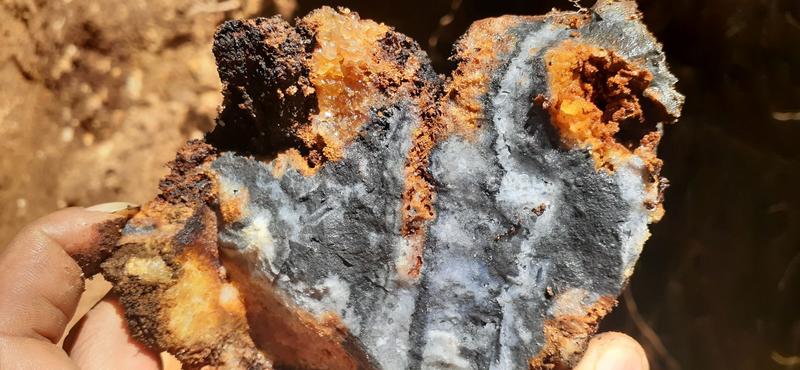
Exploration by previous operators at Kesar identified the presence of semi-massive copper rich sulphide mineralization associated with quartz veins on strike to the Kora gold deposit, as well as the potential for copper-gold porphyry prospects within the tenement. Previous operator’s initial rock sampling programs returned high-grade gold-copper-silver values (see news release date November 17, 2023).
Initial Rock Chip Sampling
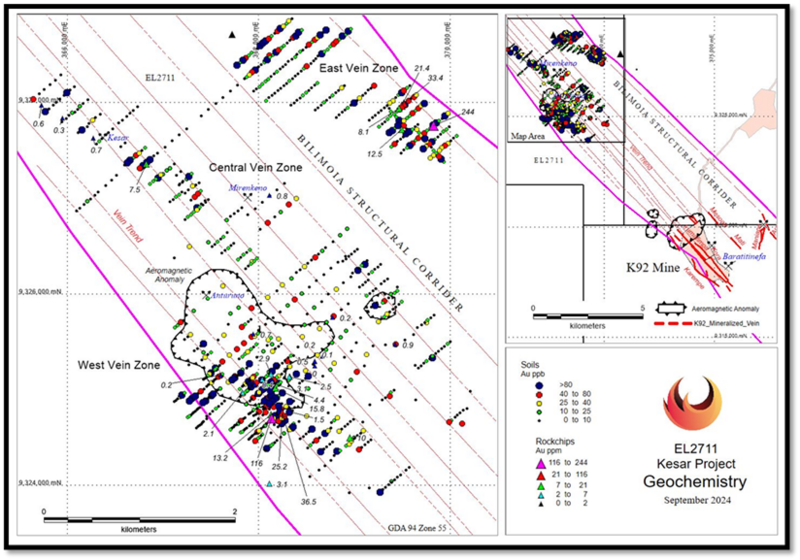
Thirty-two (32) rock chip samples were taken in Q2 2024 from outcrop and artisanal underground works and returned high-grade assays including 244 g/t Au (underground working), 116 g/t Au (outcrop), 36.5 g/t Au (float) and 33.4 g/t Au (underground working). Of the 32 samples, 19 samples were above 1 g/t Au and ten samples averaged 52.8 g/t Au (see news release dated May 13, 2024). Recently, a further 17 rock chip samples have been obtained and assayed with a peak result of 94.3 g/t Au and 11 samples of greater than 1 g/t Au averaged 25.1 g/t Au. Generally, these samples were collected from the Eastern Vein Zone where itinerant miners are operating small scale mines though larger scale potential occurs as indicated by the soil sampling results.
Soil Geochemistry
In addition to the rock chip sampling in Q2 2024, a soil sampling program was completed principally targeting the West and Central Vein Zones at Kesar Creek. In total, the 332 soil samples returned numerous significant gold grades over a strike length of 5.5 km including a high-grade assay of 20.9 g/t Au (see news release dated May 13, 2024).
The initial first-pass soil program used a 200 meter by 100 meter or 50-meter grid and was very broadly based to cover most of the known prospective ground and to get an indication of the location of the most prospective larger structures. Gold mineralization was found in samples covering the entire 5.5 km of sampled strike. Multiple parallel vein sets occur in close proximity within each of the three main vein zones.
Following the success of the initial soil sampling program principally targeting the West and Central Vein Zones at Kesar, a second follow up soil sampling program was carried out in July 2024. The follow up soil program consisted of a further 667 soil samples covering the West, Central and East Vein Zones, which all strike northwest. This follow up program has further defined gold prospects in West and Central Vein zones while also discovering gold mineralization in the Eastern Vein zone, which is in part associated with the itinerant miners’ small-scale operations. The mineralization in the Eastern Vein Zone is open to the northwest where several parallel vein sets occur. More sampling will be carried out as the opportunities arise.
Upcoming Drilling Program
The Company has contracted Quest Exploration Drilling (“QED”) to provide two CS1000 P4 diamond drill rigs which are expected to be delivered to the Project drill site in October 2024 via a helicopter located near the project. Drilling is expected to occur from five drill pads spaced generally at 100m intervals along the Anteruno vein structure in the Western Vein Zone. Sectional drilling from the pads will provide coverage along strike of approximately 400m. The proposed drilling plan consists of 9 initial holes averaging 300 meters in length for a total diamond drilling program of ~2,700 meters.
Results from the drilling program are expected approximately 4 weeks after the completion of each drillhole and drilling is planned to take place for two months.
Great Pacific Gold Corp. is pleased to provide an update on its short-term exploration strategy. After a thorough review of its dominant land position in both Papua New Guinea (“PNG”) and Victoria, Australia, the Company has developed a focused short-term plan aimed at advancing gold-copper resources on its core projects.
Core Projects:
Kesar – Located in the Eastern Highlands Province of PNG and contiguous with K92 Mining’s mine tenements, Kesar is a greenfield exploration project with several high-priority targets near the property boundary with K92. Multiple epithermal veins at Kesar are on strike and share the same orientation as key K92 deposits such as Kora. Exploration work by GPAC at Kesar has revealed high-grade gold in outcrop and elevated gold in soil samples, coinciding with aeromagnetic highs. A phase two sampling program supporting initial drilling has recently been completed, with results pending.
Arau – Also located in the Eastern Highlands Province of PNG, the Arau Project includes the highly prospective Mt. Victor exploration target, with potential for a high-sulphidation epithermal gold-base metal deposit. A Phase 1 Reverse Circulation drilling program at Mt. Victor was completed in August 2024. The Arau project also includes the Elandora licence, which hosts various epithermal and copper-gold porphyry targets.
Wild Dog – Situated in the East New Britain Province of PNG, Wild Dog is a brownfield exploration project with a history of small-scale gold mining. The project contains numerous epithermal and porphyry hydrothermal-magmatic targets identified through previous exploration and operations. In August 2024, the Company completed road refurbishment and established access to the project for baseline environmental and exploration work.
Lauriston – Located in the state of Victoria, Australia, the Lauriston project is situated on the southern extension of the Fosterville Goldfield Belt and is adjacent to Agnico Eagle’s Fosterville tenements and mine operations. Lauriston contains the Comet-Trojan target, a 4.5 km long epizonal orogenic system. The discovery hole at Comet intersected 8m at 105 g/t gold, and a follow-up drilling program was completed in Q3 2024. The Company is consolidating its data on Lauriston and expects to publish an NI 43-101 compliant technical report.
Walhalla – Also located in Victoria, the Walhalla project comprises over 1,400 km² of concessions, including numerous historical mining operations and the recently acquired Woods Point land package. The Company is consolidating its data on Walhalla and expects to publish an NI 43-101 compliant technical report. Walhalla contains a high-priority greenfield target known as Pinnacles. Extensive soil geochemistry has highlighted a 400m x 1,100m gold mineralised aplitic dyke with disseminated sulphides, outcropping at surface. The Pinnacles target is fully permitted and ready for drilling.
“The Company has spent the last four years building an extensive portfolio of high-quality exploration assets,” stated Greg McCunn, CEO of Great Pacific Gold. “After this period of acquisition, it is now time for the Company to focus on developing one or more of its core projects into a mineral resource. While the focus will be on these five assets in the short term, the recently acquired Tinga project also has the potential to create significant shareholder value in the longer term and is an important part of Great Pacific Gold’s future.”
The Company is also evaluating its non-core assets in Australia and exploring opportunities to maximise their value. As part of this process, the Company may consider asset sales, project spin-outs, or other strategic transactions.
Prime Minister Hon. James Marape has announced that the Government’s Position Paper on the Wafi-Golpu Mine in Morobe has been delivered to Joint Venture Partners, Newmont and Harmony. The Government is now awaiting a response from the two companies before moving forward with the issuance of the Mine Development Contract (MDC) and Special Mining Lease (SML).
This statement was made following a meeting held on Friday, September 6, 2024, in Port Moresby, attended by State Negotiating Team (SNT) Chairman Mr. Dairi Vele, Deputy Prime Minister and Lae MP Hon. John Rosso, Morobe Governor Hon. Luther Wenge, and Community Development Minister and Huon Gulf MP Hon. Jason Peter.
“The SNT has been negotiating with the two joint venture partners on what benefits Papua New Guinea gets from the Wafi-Golpu project. That includes our 30 per cent equity, financing of that equity, value of the 3 per cent royalty, local content, and others,” said Prime Minister Marape.
He emphasised the importance of not delaying the project, stating: “As we prepare to release the SML, work must start immediately, rather than being delayed as we have seen in other projects. The project is now one or two meetings away from the MDC being signed and issuance of SML.
“The joint venture partners have received the SNT’s recommendations on August 8, 2024, and we are waiting for them to respond. I have requested Newmont and Harmony to respond at the earliest so the MDC can be signed and the SML issued.”
Prime Minister Marape noted that the Wafi-Golpu project is expected to operate for over 40 years, and the Government is focused on ensuring all agreements are finalised before the commencement of operations, drawing lessons from the Lihir Mine in New Ireland, which does not pay corporate tax.
“We want to make sure that we get the total 55 per cent economic benefits we want to get out of the project,” the Prime Minister said.
The Prime Minister highlighted that the terms for the Wafi-Golpu project were captured in the Framework Memorandum of Understanding (MoU) signed in April 2023 between the State and the joint venture partners. This MoU will serve as the foundation for the MDC and SML.
Tolu Minerals is poised to breathe new life into the Tolukuma gold mine, aiming to unlock substantial gold resources and restore production. This strategic effort not only signals a significant revitalisation of one of Papua New Guinea’s historically high-grade mines but also promises far-reaching economic and social benefits for the region.
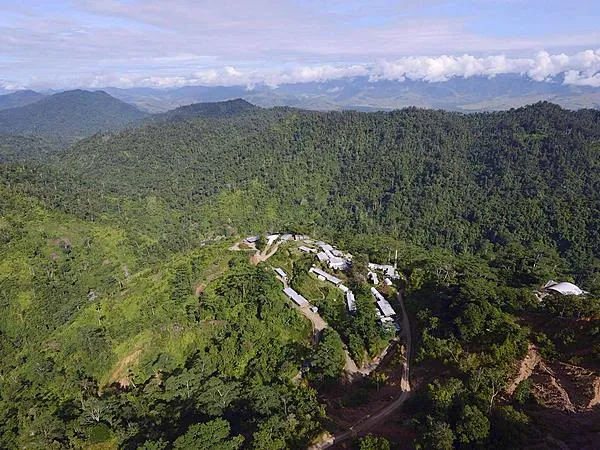
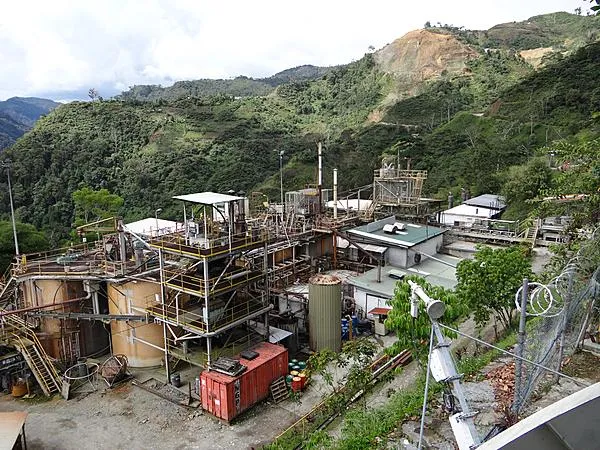
Tolu Minerals acquired the Tolukuma gold mine in October 2022 after an extensive due diligence process, culminating in a purchase agreement with the mine’s liquidator for 20 million kina. The mine, located in the Woitape area of Goilala District in the Central Province, has a rich history, having operated for 20 years as a high-grade gold producer since its establishment in 1995.
Throughout its operational life, the mine consistently produced approximately 15 grams of gold per tonne of ore, peaking at 23 grams per tonne during its early, more productive years. However, by the late 2000s, several critical cost factors led to the mine’s closure and subsequent care and maintenance status in 2015.
With a clear understanding of the challenges that led to Tolukuma’s previous closure and a well-defined strategy to address them, Tolu Minerals is well-positioned to ensure the long-term success of the Tolukuma gold mine, benefiting both its shareholders and the local communities it serves.
Social Impact:
The social impact of the Tolukuma mine’s revival cannot be understated. The support for socio-economic development includes:
At its peak, the mine employed 600 to 700 people, with a multiplier effect empowering an estimated 9,000 individuals economically. As the mine ramps up operations, it is expected to create hundreds of jobs and stimulate secondary economic activities, such as agriculture and local manufacturing. The new road and power infrastructure will open up opportunities for further economic development in Goilala District and surrounding areas, transforming the region’s economic landscape.
In an exclusive interview with PNG Business News (PNGBN), the Chief Executive Officer & Managing Director of Tolu Minerals Ltd, Iain Macpherson, shared insights into their plans for both the Tolukuma mine and the surrounding area. He elaborated on the importance of balancing the mine’s development with regional infrastructure and socio-economic development. He said, “The company is committed to reviving a historic mine and also to fostering sustainable economic growth in the Central Province.”
Addressing Key Cost Challenges:
One of the primary challenges faced by Tolukuma was its reliance on helicopter service for all logistical needs, including the transport of diesel fuel, which escalated operational costs. Additionally, the deterioration of the mine’s hydropower station, once a reliable source of power, forced a shift to expensive diesel-powered electricity generation. The mine’s design also contributed to its downfall, as it was developed from the top of the mountain downward without a lower entrance, resulting in costly water pumping operations.
Recognising these issues, Tolu Minerals has made addressing these cost drivers a top priority. The company began road construction in December 2023, which will significantly reduce the exorbitant costs associated with helicopter transport.
Strategic Investments and Partnerships:
Following its initial public offering (IPO) on the Australian Exchange in November 2023, Tolu Minerals successfully funded the Tolukuma project. The company’s shareholding is noteworthy, with nearly half of it held by important Papua New Guinean private individuals and institutions, including Trans Wonderland Limited (TWL), Kumal Minerals, and Mineral Resources Development Company Ltd (MRDC).
Tolu Minerals has also forged strategic partnerships to ensure the successful revival of Tolukuma. The company is collaborating with the Allan Guo Group of Companies, known for constructing the Edevu Power Station, to build the road and develop proposals for the hydropower station’s refurbishment. The hydropower station, which is scheduled for re-commissioning within 18 months, will be oversized to establish a local power grid, further stimulating economic activity in the surrounding areas.
Advancing Exploration: Airborne MT Geophysical Survey:
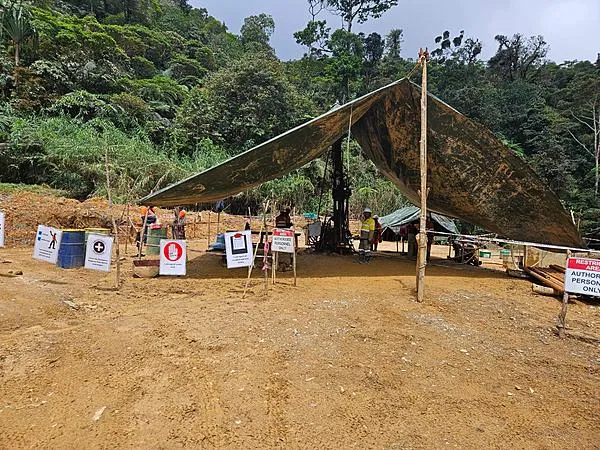
In addition to exploration and technological improvements, Tolu Minerals has commenced an airborne Magneto Telluric (MT) geophysical survey over the Tolukuma Gold Mine in Central Province—a portfolio of gold, silver, and base metal mineralised projects. This technique has already been used with success at K92 Mining in PNG. This high-resolution survey will enhance regional exploration targeting, crucial in the challenging terrain of the region, where exploration is expensive due to mountainous landscapes and the need for helicopter service.
Airborne MT resistivity data is modelled to provide a more accurate guide to the depth and location of drill targets. New targets are expected to be interpreted, requiring an ongoing field exploration program of geological mapping, sampling, and drill testing following the current drill programme.
The company has contracted Expert Geophysics Limited (EG) to perform the MT Survey, which covers the Tolukuma Mining Lease and surrounding tenements, including Ipi River ELA2780 to the northwest of Tolukuma.
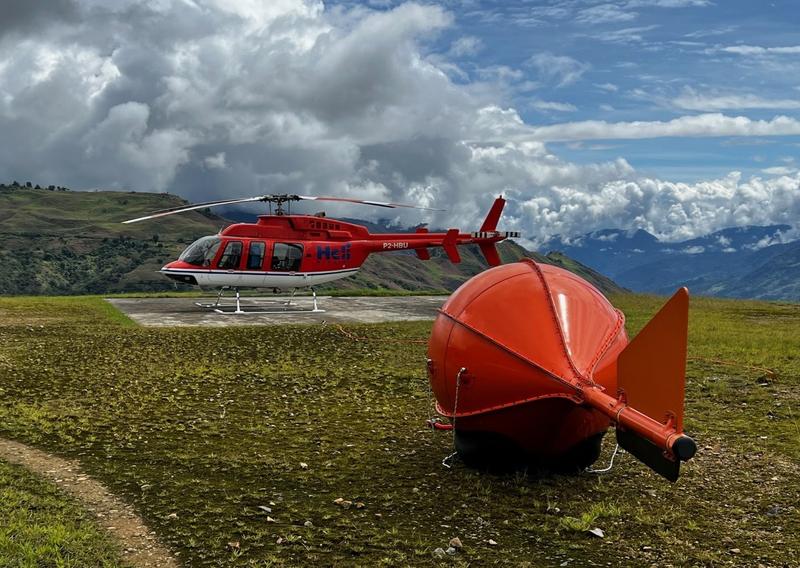
It’s interesting to note that the Mobile MT utilises naturally occurring electromagnetic fields from three orthogonal induction coils that are contained within an aerodynamically shaped capsule towed by a helicopter 60 to 70 metres above the ground. This is when magnetic data is collected to assist in mapping sub-surface geology.
This process will also inform an evolving exploration strategy.
The results will increase the existing extensive database of technical information, including airborne and ground geophysics, geochemistry, historical drilling results, and geology.
Follow on LinkedIn:
PNG Business News
Be the "First" to get our exclusive Digital Magazine & Weekly Newsletter.